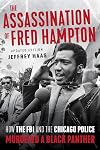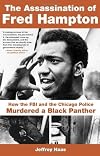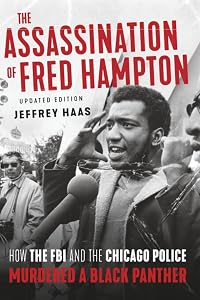
The Assassination of Fred Hampton: How the FBI and the Chicago Police Murdered a Black Panther
by Jeffrey Haas
On This Page
Description
On December 4, 1969, attorney Jeff Haas was in a police lockup in Chicago, interviewing Fred Hampton's fiancée. She described how the police pulled her from the room as Fred lay unconscious on their bed. She heard one officer say, "He's still alive." She then heard two shots. A second officer said, "He's good and dead now." She looked at Jeff and asked, "What can you do?" Fifty years later, Haas finds that there is still an urgent need for the revolutionary systemic changes Hampton was show more organizing to accomplish. With a new prologue discussing what has changed-and what has not-The Assassination of Fred Hampton remains Haas's personal account of how he and People's Law Office partner Flint Taylor pursued Hampton's assassins, ultimately prevailing over unlimited government resources and FBI conspiracy. Not only a story of justice delivered, the book puts Hampton in the spotlight as a dynamic community leader and an inspiration for those in the ongoing fight against injustice and police brutality. show lessTags
Recommendations
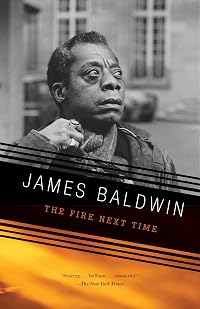

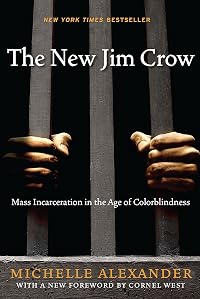
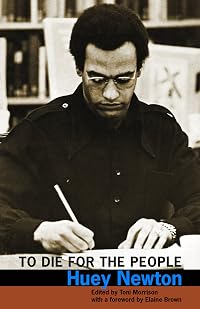
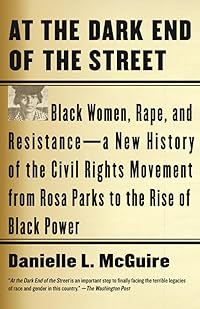

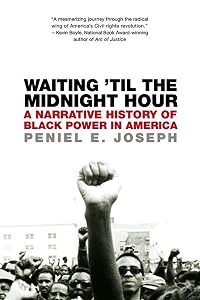
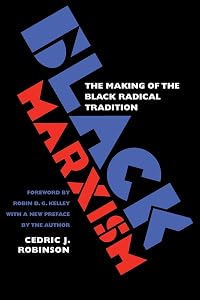
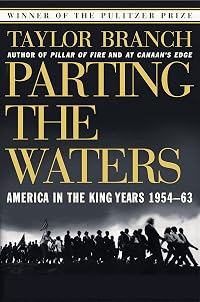
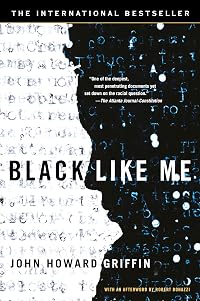
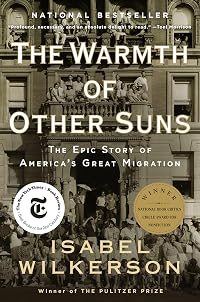
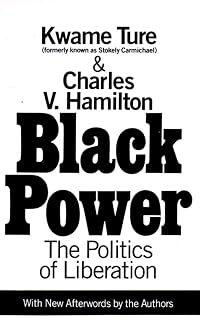
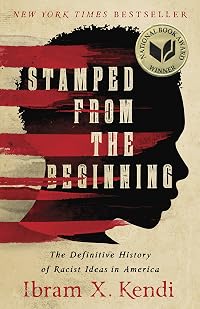
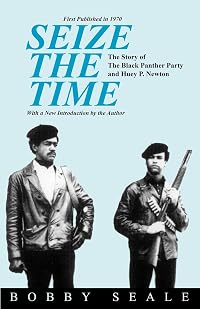
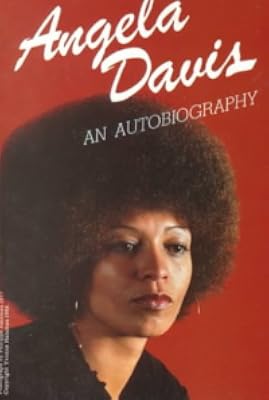

Member Recommendations
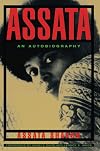
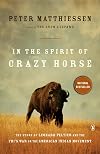
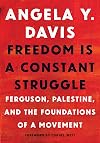
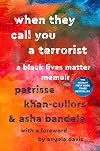
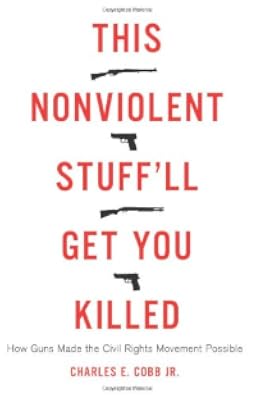
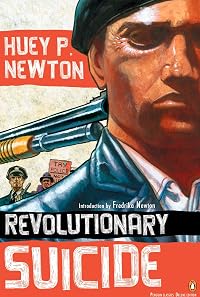
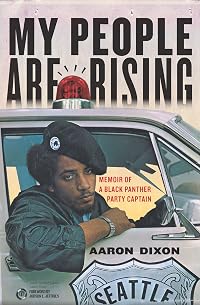
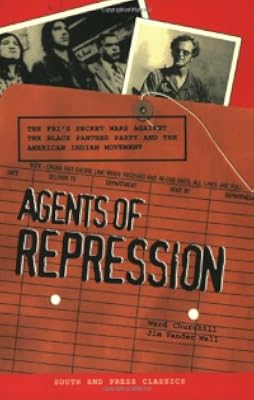
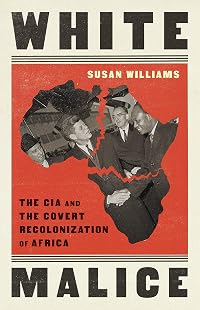
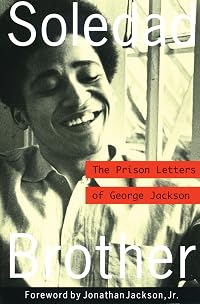
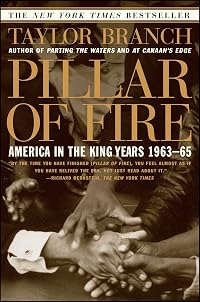
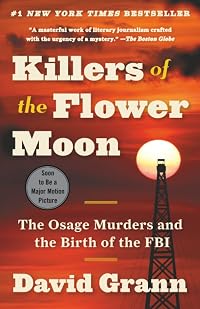
Othemts Both books offer exposes of the deep corruption within the FBI that leads to the sanctioned murders of Americans.
Member Reviews
I learned about Fred Hampton around 25 years ago when watching the civil rights documentary Eyes on the Prize. The more I learn about Hampton, who by the age of 21 had made considerable ground in uniting people of various racial backgrounds around shared causes, the more I believe that the United States lost the potential of his leadership when he was murdered by the Chicago police on December 4, 1969.
This book is the only one I could find available about Fred Hampton. It's written by Jeffery Haas, an acquaintance of Hampton's who served as a lawyer for the People Law's Office, an organization that offered legal representation for the Chicago Black Panthers and other clients who had their civil rights violated by the government. At show more first I was put off at how much Haas centers himself in the narrative, but soon learned that this is less of a biography of Hampton and more of an accounting of Haas and his colleagues efforts to find justice for the survivors of the police raid that did not reach fruition until a civil rights trial in 1982.
Haas details the gruesome conspiracy of the FBI, through their COINTELPRO program, to have the Chicago police raid Hampton's apartment in the early morning hours and carry out a summary execution. Part of this plot involved a FBI informer who infiltrated the Chicago Black Panthers and drugged Hampton on the night of the raid. Despite ballistic evidence that the Panthers were only able to fire off one shot in exchange of dozens from the police, the police successfully characterized the raid as a "shoot-out" and the officers involved were exonerated.
Haas and his colleagues spent twelve years in litigation on civil rights suits to find some justice for the surviving Black Panthers and Hampton's family. Trials were presided over by a judge with an unhidden prejudice against the plaintiffs, and the FBI and Chicago police deliberately withholding evidence. That any measure of justice was achieved through $1.85 million settlement in 1982 is a testament to the determination of the survivors and the People's Law Office. Nevertheless, the clear imbalance of the government and the law towards racism and inequality makes it hard to believe in true justice in the United States.
Favorite Passages:
This book is the only one I could find available about Fred Hampton. It's written by Jeffery Haas, an acquaintance of Hampton's who served as a lawyer for the People Law's Office, an organization that offered legal representation for the Chicago Black Panthers and other clients who had their civil rights violated by the government. At show more first I was put off at how much Haas centers himself in the narrative, but soon learned that this is less of a biography of Hampton and more of an accounting of Haas and his colleagues efforts to find justice for the survivors of the police raid that did not reach fruition until a civil rights trial in 1982.
Haas details the gruesome conspiracy of the FBI, through their COINTELPRO program, to have the Chicago police raid Hampton's apartment in the early morning hours and carry out a summary execution. Part of this plot involved a FBI informer who infiltrated the Chicago Black Panthers and drugged Hampton on the night of the raid. Despite ballistic evidence that the Panthers were only able to fire off one shot in exchange of dozens from the police, the police successfully characterized the raid as a "shoot-out" and the officers involved were exonerated.
Haas and his colleagues spent twelve years in litigation on civil rights suits to find some justice for the surviving Black Panthers and Hampton's family. Trials were presided over by a judge with an unhidden prejudice against the plaintiffs, and the FBI and Chicago police deliberately withholding evidence. That any measure of justice was achieved through $1.85 million settlement in 1982 is a testament to the determination of the survivors and the People's Law Office. Nevertheless, the clear imbalance of the government and the law towards racism and inequality makes it hard to believe in true justice in the United States.
Favorite Passages:
"Unlike the example of a centralized and hierarchical political party like the Panthers, BLM is a decentralized coalition of community groups with a common platform. They say they are "leader full," not "leader less." This has the advantage that the assassination, jailing, or silencing of one leader will not cause the devastation of an organization like the Chicago Panthers faced after the murder of Fred Hampton."show less
"The message of Black Power resonated with Fred Hampton. He saw Black Power not as a tool to attack whites but as a concept to bring blacks together and build their confidence. Fred said that "blackness was what was in your heart, not the color of your skin." But any symbol of black unity, including the modest Afro that Fred wore, threatened many whites."
"Fred talked with particular satisfaction about seeing the children eating and Panther members serving them. He explained this was how people could understand socialism "through participation and serving the people."
"What good did it do to have lawyers and courts and a constitution and legal precedent if the police under the direct control of the prosecutor could murder you in your bed? I wasn't sure I wanted to be a lawyer fighting for justice inside an unjust system or on the outside exposing the legal system as a fraud, taking direct action against Fred's killers."
"It always pisses off victims of the police to learn that taxpayers foot the bill. 'It isn't right,' I said. 'But the police contract requires they be indemnified. I wish we were getting money from them too. It might deter them next time.'"
Through counter-intelligence, it should be possible
To pinpoint potential troublemakers and neutralize them
- FBI COINTELPRO memo on black militancy cited in RATM, "Wake Up"
"Prevent the rise of a "messiah" who could unify, and electrify, the militant black nationalist movement."
- same memo
If you ever had a Rage Against The Machine phase, you may have wondered how much of Zack's rapped denunciation of the establishment's murderousness was true. This book gives a good insight into what Hoover's FBI, the Chicago police and city judiciary were capable of in the 1960s: committing, abetting and covering up the murder of a Black Panther leader. It's a very impressive story of a young lawyer just out of law school going through one hell of a show more struggle all the way to the Illinois Supreme Court to get some measure of justice: pushing through obstruction of document discovery, imprisonment for contempt, official deceptiveness, and more.
Black Power was an evident temptation in the late 1960s for civil rights activists disillusioned by the murder of Martin Luther King, Jr. and by the way he had lost establishment support when he turned his attention to poverty and war. But any establishment that took decades to side with the basic civil rights of African Americans, and was moved to action only when their TVs showed peaceful protestors being attacked in the streets, was hardly likely to permit the rise of an organised black movement for armed self-defence and political and economic self-determination such as the Black Panthers. The agenda of raising African Americans to equal citizenship, control over resources and personal opportunity still to this day awaits an effective strategy for overcoming or defeating the fear and hostility that such a radical cause evokes. show less
To pinpoint potential troublemakers and neutralize them
- FBI COINTELPRO memo on black militancy cited in RATM, "Wake Up"
"Prevent the rise of a "messiah" who could unify, and electrify, the militant black nationalist movement."
- same memo
If you ever had a Rage Against The Machine phase, you may have wondered how much of Zack's rapped denunciation of the establishment's murderousness was true. This book gives a good insight into what Hoover's FBI, the Chicago police and city judiciary were capable of in the 1960s: committing, abetting and covering up the murder of a Black Panther leader. It's a very impressive story of a young lawyer just out of law school going through one hell of a show more struggle all the way to the Illinois Supreme Court to get some measure of justice: pushing through obstruction of document discovery, imprisonment for contempt, official deceptiveness, and more.
Black Power was an evident temptation in the late 1960s for civil rights activists disillusioned by the murder of Martin Luther King, Jr. and by the way he had lost establishment support when he turned his attention to poverty and war. But any establishment that took decades to side with the basic civil rights of African Americans, and was moved to action only when their TVs showed peaceful protestors being attacked in the streets, was hardly likely to permit the rise of an organised black movement for armed self-defence and political and economic self-determination such as the Black Panthers. The agenda of raising African Americans to equal citizenship, control over resources and personal opportunity still to this day awaits an effective strategy for overcoming or defeating the fear and hostility that such a radical cause evokes. show less
Wow. Author/attorney Jeffrey Haas sets the stage for a December 1969 predawn raid by the Chicago police on a Black Panther apartment, where an eloquent and popular rising black leader named Fred Hampton was killed. Supposedly acting on a tip from an informant that illegal weapons were there, the police burst into the apartment, firing 90 shots in total to the Panthers one. The book reviews in tremendous detail how the courts and police tried to cover up the fact that Hampton has likely been drugged, set-up by an FBI informant, and then murdered in cold blood: shot twice point blank in the head. Haas and his small law firm of young idealists took on the legal and law enforcement systems, and despite many setbacks, persevered, eventually show more ending up with an appeals judge, who believed in fairness. Highly recommended for people interested in racial justice, the Black Panther Party, and learning more about the history of government-sanctioned racism in the United States.
My only complaint is that we did not really get a real sense for Fred Hampton himself, whose life ended at age 21, who might have become as important a leader for social change though non-violence and community organizing as Martin Luther King. Growing up in the Chicago suburb of Maywood, Hampton joined the NAACP, building a youth council of 500 members (in a town of 27,000) and worked to build a recreational center/pool and better education for the local black community. Hampton was then drawn to the Black Panthers and its ten-point program, emphasizing education, health, welfare, and self-determination. show less
My only complaint is that we did not really get a real sense for Fred Hampton himself, whose life ended at age 21, who might have become as important a leader for social change though non-violence and community organizing as Martin Luther King. Growing up in the Chicago suburb of Maywood, Hampton joined the NAACP, building a youth council of 500 members (in a town of 27,000) and worked to build a recreational center/pool and better education for the local black community. Hampton was then drawn to the Black Panthers and its ten-point program, emphasizing education, health, welfare, and self-determination. show less
An important account for all who are entering or continuing the fight. The devastation that we have allowed to happen is unfathomable. This book gave me the clearest view I have ever had of the treasure that our government stole from us and the fight that it will require to even begin our March toward justice for all. What could we have accomplished if we could have kept the murdered black leaders? Who would Fred Hampton be... especially if he had been able to grow with guidance from his elders?
He deserved the chance to become utterly plain. We owe that loss to the world.
He deserved the chance to become utterly plain. We owe that loss to the world.
There just seems to be so much history that we are not taught and things that we really do not need to know we do learn. I had never heard of this person and that is a darn shame. Mr. Haas has opened my eyes, or shall I say continued to open about the racism, hypocrisy and what black and brown people go thru. It does center the victims of the police raid on the Panthers, the Black Panther program, Hampton's leadership and the major political events.
rcvd an ARC at no cost to author...(netgalley)voluntarily reviewed with my own thoughts and opinions
rcvd an ARC at no cost to author...(netgalley)voluntarily reviewed with my own thoughts and opinions
Ratings
Members
- Recently Added By
Lists

United States
35 works; 1 member
Author Information
1 Work 295 Members
Common Knowledge
- People/Characters
- Fred Hampton
- Important events
- Assassination of Fred Hampton
Classifications
- Genres
- Nonfiction, Politics and Government, History, General Nonfiction, Biography & Memoir
- DDC/MDS
- 322.4 — Society, government, & culture Political science Relation of the state to organized groups and their members Political action groups
- LCC
- HV6289 .C4 .H33 — Social sciences Social pathology. Social and public welfare. Criminology Social pathology. Social and public welfare. Criminology Crimes and offenses
- BISAC
Statistics
- Members
- 292
- Popularity
- 109,179
- Reviews
- 5
- Rating
- (4.29)
- Languages
- English
- Media
- Paper, Audiobook, Ebook
- ISBNs
- 8
- ASINs
- 3