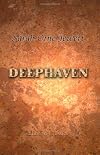
Deephaven
by Sarah Orne Jewett
On This Page
Description
Sarah Orne Jewett (September 3, 1849 - June 24, 1909) was an American novelist, short story writer and poet, best known for her local color works set along or near the southern seacoast of Maine. Jewett is recognized as an important practitioner of American literary regionalism.Jewett's family had been residents of New England for many generations, and Sarah Orne Jewett was born in South Berwick, Maine.Her father was a doctor specializing in "obstetrics and diseases of women and children." show more and Jewett often accompanied him on his rounds, becoming acquainted with the sights and sounds of her native land and its people.As treatment for rheumatoid arthritis, a condition that developed in early childhood, Jewett was sent on frequent walks and through them also developed a love of nature. In later life, Jewett often visited Boston, where she was acquainted with many of the most influential literary figures of her day; but she always returned to South Berwick, small seaports near which were the inspiration for the towns of "Deephaven" and "Dunnet Landing" in her stories.Jewett was educated at Miss Olive Rayne's school and then at Berwick Academy, graduating in 1866. She supplemented her education through an extensive family library. Jewett was "never overtly religious," but after she joined the Episcopal church in 1871, she explored less conventional religious ideas. For example, her friendship with Harvard law professor Theophilus Parsons stimulated an interest in the teachings of Emanuel Swedenborg, an eighteenth-century Swedish scientist and theologian, who believed that the Divine "was present in innumerable, joined forms - a concept underlying Jewett's belief in individual responsibility."She published her first important story in the Atlantic Monthly at age 19, and her reputation grew throughout the 1870s and 1880s. Her literary importance arises from her careful, if subdued, vignettes of country life that reflect a contemporary interest in local color rather than plot. Jewett possessed a keen descriptive gift that William Dean Howells called "an uncommon feeling for talk - I hear your people." Jewett made her reputation with the novella The Country of the Pointed Firs (1896).A Country Doctor (1884), a novel reflecting her father and her early ambitions for a medical career, and A White Heron (1886), a collection of short stories are among her finest work. Some of Jewett's poetry was collected in Verses (1916), and she also wrote three children's books. Willa Cather described Jewett as a significant influence on her development as a writer, and "feminist critics have since championed her writing for its rich account of women's lives and voices." show lessTags
Recommendations



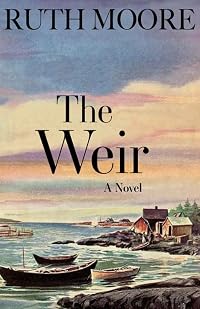


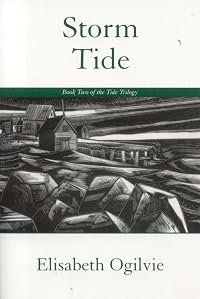


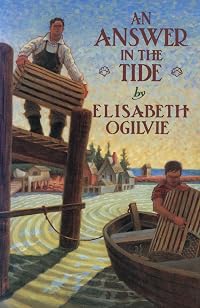


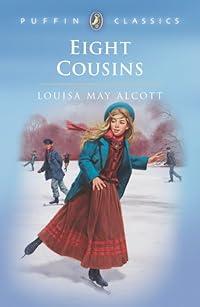









Member Recommendations
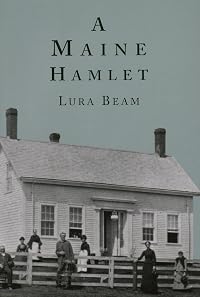
CurrerBell A Maine Hamlet is actually, surprisingly, considerably better than Deephaven – call it a realistic sociological (but well written in narrative and not excessively statistical) study of the Deephaven subject. Although there is some sorry sorrow, some pain in Deephaven it lacks some of the grittiness of A Maine Hamlet.
To all those interested in Maine literature, A Maine Hamlet is highly recommended.
Member Reviews
The influence of Elizabeth Gaskell looms large over Deephaven - indeed Sarah Orne Jewett acknowledges the debt she owes to the British writer - but this is much more than Cranford-by-the-Sea. Jewett's descriptions of the New England seaboard are vividly sketched from soft pastels to the richest oils. She also describes a way of life, sustained by the ocean, that was rapidly passing way in her lifetime.
DEEPHAVEN, while well written, is the least engaging of Sarah Orne Jewett's books.
Unwelcome is throwing stones at spiders, circus of animal cruelty, and
not allowing that fish can feel pain.
Unwelcome is throwing stones at spiders, circus of animal cruelty, and
not allowing that fish can feel pain.
Schon ein Weilchen wartete das Buch bei mir um gelesen zu werden. Die Originalausgabe dieses Buches erschien 1877 und einige Kapitel erschienen zuvor bereits im Atlantic Monthly.
Die Freundinnen Helen und Kate wollen einen Sommer das Haus von Kates verstorbener Großtante im Küstenstädtchen Deephaven in Neuengland hüten. Sie versuchen den Ort und seine Bewohner kennenzulernen und hören sich die Geschichten an. Viele Jahre später erinnert sich Helen und erzählt rückblickend von diesem Sommer.
Es ist eine ruhige, gar gemütliche Geschichte, die uns in unserer schnelllebigen Zeit vielleicht recht langweilig vorkommt.
Die Autorin Sarah Orne Jewett hat Menschen mit einem liebevollen Blick genau beobachtet. Durch die Augen der show more Freundinnen lernen wir die Bewohner von Deephaven so nach und nach kennen. Es sind sehr unterschiedliche Menschen, die ihre Eigenarten haben. Alle verbindet allerdings ihre Beziehung zum Meer. Dabei geht es auch nicht allen gut. Es ist halt auch in Deephaven so wie in unendlich vielen anderen Orten auch. Es gibt Sonnenseiten, aber auch Schatten.
Helen und Kate stammen aus gutem Hause, sie sind offen und kontaktfreudig. Dennoch wurde ich mit ihnen nicht wirklich warm. Umso mehr gefielen mir die Bewohner von Deephaven.
Man muss sich auf dieses Buch einlassen können, um es zu genießen. Auch wenn nicht viel passiert ist, das für Spannung gesorgt hätte, so hat mir das Buch doch gefallen. show less
Die Freundinnen Helen und Kate wollen einen Sommer das Haus von Kates verstorbener Großtante im Küstenstädtchen Deephaven in Neuengland hüten. Sie versuchen den Ort und seine Bewohner kennenzulernen und hören sich die Geschichten an. Viele Jahre später erinnert sich Helen und erzählt rückblickend von diesem Sommer.
Es ist eine ruhige, gar gemütliche Geschichte, die uns in unserer schnelllebigen Zeit vielleicht recht langweilig vorkommt.
Die Autorin Sarah Orne Jewett hat Menschen mit einem liebevollen Blick genau beobachtet. Durch die Augen der show more Freundinnen lernen wir die Bewohner von Deephaven so nach und nach kennen. Es sind sehr unterschiedliche Menschen, die ihre Eigenarten haben. Alle verbindet allerdings ihre Beziehung zum Meer. Dabei geht es auch nicht allen gut. Es ist halt auch in Deephaven so wie in unendlich vielen anderen Orten auch. Es gibt Sonnenseiten, aber auch Schatten.
Helen und Kate stammen aus gutem Hause, sie sind offen und kontaktfreudig. Dennoch wurde ich mit ihnen nicht wirklich warm. Umso mehr gefielen mir die Bewohner von Deephaven.
Man muss sich auf dieses Buch einlassen können, um es zu genießen. Auch wenn nicht viel passiert ist, das für Spannung gesorgt hätte, so hat mir das Buch doch gefallen. show less
Sep 7, 2023German
Ratings
Members
- Recently Added By
Lists

Fiction (Mostly) in Selective Bibliography of American Literature 1775-1900
431 works; 3 members
Author Information

74+ Works 3,848 Members
Theodora Sarah Orne Jewett was born in South Berwick, Maine on September 3, 1849. Unable to attend school because of arthritis, she learned about coastal life in New England as she accompanied her father, a doctor, on his rounds. He encouraged both her reading and her writing. When she began submitting fiction in 1867, using the pseudonyms A. D. show more Eliot, Alice Eliot, and Sarah C. Sweet, her chosen topic was often the life and people of her native, rural Maine. Her first published story appeared in the Atlantic Monthly in 1869 and her first short story collection, Deephaven, was published in 1877. Her first novel, A Country Doctor was published in 1884. Her other works include A Marsh Island (1885), A White Heron and Other Stories (1886), A Native of Winby (1893), Tales of New England (1894) and The Country of the Pointed Firs (1896). She stopped writing in 1902, after a fall left her with severe head injuries. She died of a cerebral hemorrhage on June 24, 1909. (Bowker Author Biography) show less
Awards and Honors
Work Relationships
Classifications
- Genres
- Fiction and Literature, General Fiction, Historical Fiction
- DDC/MDS
- 813.4 — Literature & rhetoric American literature in English American fiction in English Later 19th Century 1861-1900
- LCC
- PS2132 .D4 — Language and Literature American literature American literature Individual authors 19th century
- BISAC
Statistics
- Members
- 55
- Popularity
- 556,207
- Reviews
- 3
- Rating
- (3.00)
- Languages
- English, German, Swedish
- Media
- Paper, Audiobook, Ebook
- ISBNs
- 12
- ASINs
- 4