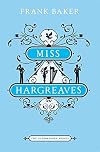
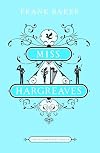
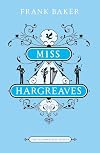
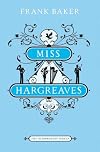
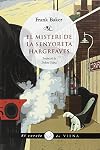
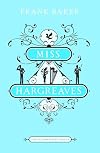
Miss Hargreaves
by Frank Baker
On This Page
Description
When Norman Huntley, and his friend, Henry, invent an 83 year old woman, called Mrs. Hargreaves, they are inspired to write to their fictional friend. The silly, harmless, game turns out not to be such, when she arrives on their doorstep, in Buckinghamshire, exactly as he imagined her.Tags
Recommendations


























Member Recommendations

Augustus Carp, Esq., By Himself: Being the Autobiography of a Really Good Man by Henry Howarth Bashford
starbox incredibly funny book about a self-righteous church-goer
Member Reviews
'Miss Hargreaves' (1940) is a strange book. It starts as a light-hearted and apparently lightweight comedy but steadily morphs into something much darker while retaining its humorous tone. With its High Anglican undertone, It reminded me of the far more serious fantasy work of Charles Williams.
The narrator and his father are, quite literally, congenital liars albeit without apparent malice, although Frank Baker makes his youthful protagonist into a far from nice person with a strong streak of unthinking cruelty and considerable irresponsibility.
The 'lie', conjured up by Norman Huntley and his pal Henry, at the expense of an Irish sexton results in the conjuring up of a 'Miss Hargreaves' who is a phantasm of their own making and yet who show more proves all-too-physically real. She proceeds to create total mayhem for Norman in his home town.
Miss Hargreaves is not just the physical embodiement of the lie in her own right but in her accoutrements which include a dog, a parrot, a harp, a bath (a result of the joke extending itself too far) and, it would seem, unlimited resources and connections. Reality is warped across the board.
It is interesting that, as soon as she achieves an accidental autonomy of will, she jettisons all the objects imposed on her by Norman and Henry including her poetry (which appears in an Appendix) except the money and the title and furnishings appropriate to her acquired station.
The existence of an independent will on her part is one of the mysteries and ambiguities that riddle the book and cannot help but raise the question whether any of us have any more or less autonomy of will as subjects of the social than she does.
Maybe we are all social phantasms created by the will and imaginations of others. In this respect, Baker, the small town English Anglican writer, seems to be hurtling into the world of continental philosophy by literary accident.
This should all be funny (a fantasy made manifest in a small town) - and it became a play with Margaret Rutherford wholly appropriate for the role of Hargreaves -but the realised phantasm is a bit of a monster even as she inspires a form of affectionate love simply as the creation of her creator.
The novel ceases to be lightweight after a while. It becomes a much more complex, hard to pin down, morality tale where it is hard to find out what exactly is being regarded as moral and what is not. The ambiguities make the reading not a little unnerving in this respect.
Is she a ghost? This is dismissed quite summarily. She is an imaginative creation of an imagination out of control. She is not bound by social norms any more than her creator secretly allows himself to be bound by social norms as a young Cathedral organist within a class-ridden small English town.
Baker gives us a reading of class that is as ambiguous as everything else in the book. Social snobbery and 'mob' culture are caricatured but not in any sense that we would call socially critical - this is a conservative book in questioning little in its satire.
Is the book, a fantasy that emulates Charles Williams only in a minor key, trying to say something? If so, you might struggle to find out what. Perhaps it is a version of the Frankenstein myth - do not meddle beyond the norm lest something happen that might destroy you.
But there are other themes as well. Huntley's affection for Hargreaves is as ambiguous as everything else - it is a form of vampirism as control over her ebbs and flows to the degree that she controls him and his emotional reactions. Is it sincere affection or manipulation?
Huntley's propensity to making errors of control simply by saying the wrong words moves the plot along. Words of power are, of course, a very magickal concept but are also inherent in religious ideas of prayer and worship. Magick is a-foot here and perhaps to be contrasted with religious restraint.
Is Hargreaves good, evil or neither? Does she exist in some way as an autonomous individual at any time in the story or is she bound entirely to her creative invention? Would killing her be a moral wrong? Would it be murder? Is such a dubious murder justified as self-defence?
The passing reference to J W Dunne suggests that Baker might be engaged here in a thought experiment about time and the nature of the soul that relates very much to its period. Hargreaves sometimes seems to be a memory of something as much as a creation.
Baker sets his tale in a very particular milieu of Trollopian church politics, town resentments, music, small bookshops, middle class family life and difficult girlfriends and, as such, for all the satire and fantasy, it is a nice reflection of interwar life in the comfortable middle class away from London.
The book misses greatness and must be classed as an oddity of literature but it should not be forgotten entirely. I suspect you will come out of it as I did wondering still about what exactly Miss Hargreaves was and just how bad things might have got if she had not been brought under control. show less
The narrator and his father are, quite literally, congenital liars albeit without apparent malice, although Frank Baker makes his youthful protagonist into a far from nice person with a strong streak of unthinking cruelty and considerable irresponsibility.
The 'lie', conjured up by Norman Huntley and his pal Henry, at the expense of an Irish sexton results in the conjuring up of a 'Miss Hargreaves' who is a phantasm of their own making and yet who show more proves all-too-physically real. She proceeds to create total mayhem for Norman in his home town.
Miss Hargreaves is not just the physical embodiement of the lie in her own right but in her accoutrements which include a dog, a parrot, a harp, a bath (a result of the joke extending itself too far) and, it would seem, unlimited resources and connections. Reality is warped across the board.
It is interesting that, as soon as she achieves an accidental autonomy of will, she jettisons all the objects imposed on her by Norman and Henry including her poetry (which appears in an Appendix) except the money and the title and furnishings appropriate to her acquired station.
The existence of an independent will on her part is one of the mysteries and ambiguities that riddle the book and cannot help but raise the question whether any of us have any more or less autonomy of will as subjects of the social than she does.
Maybe we are all social phantasms created by the will and imaginations of others. In this respect, Baker, the small town English Anglican writer, seems to be hurtling into the world of continental philosophy by literary accident.
This should all be funny (a fantasy made manifest in a small town) - and it became a play with Margaret Rutherford wholly appropriate for the role of Hargreaves -but the realised phantasm is a bit of a monster even as she inspires a form of affectionate love simply as the creation of her creator.
The novel ceases to be lightweight after a while. It becomes a much more complex, hard to pin down, morality tale where it is hard to find out what exactly is being regarded as moral and what is not. The ambiguities make the reading not a little unnerving in this respect.
Is she a ghost? This is dismissed quite summarily. She is an imaginative creation of an imagination out of control. She is not bound by social norms any more than her creator secretly allows himself to be bound by social norms as a young Cathedral organist within a class-ridden small English town.
Baker gives us a reading of class that is as ambiguous as everything else in the book. Social snobbery and 'mob' culture are caricatured but not in any sense that we would call socially critical - this is a conservative book in questioning little in its satire.
Is the book, a fantasy that emulates Charles Williams only in a minor key, trying to say something? If so, you might struggle to find out what. Perhaps it is a version of the Frankenstein myth - do not meddle beyond the norm lest something happen that might destroy you.
But there are other themes as well. Huntley's affection for Hargreaves is as ambiguous as everything else - it is a form of vampirism as control over her ebbs and flows to the degree that she controls him and his emotional reactions. Is it sincere affection or manipulation?
Huntley's propensity to making errors of control simply by saying the wrong words moves the plot along. Words of power are, of course, a very magickal concept but are also inherent in religious ideas of prayer and worship. Magick is a-foot here and perhaps to be contrasted with religious restraint.
Is Hargreaves good, evil or neither? Does she exist in some way as an autonomous individual at any time in the story or is she bound entirely to her creative invention? Would killing her be a moral wrong? Would it be murder? Is such a dubious murder justified as self-defence?
The passing reference to J W Dunne suggests that Baker might be engaged here in a thought experiment about time and the nature of the soul that relates very much to its period. Hargreaves sometimes seems to be a memory of something as much as a creation.
Baker sets his tale in a very particular milieu of Trollopian church politics, town resentments, music, small bookshops, middle class family life and difficult girlfriends and, as such, for all the satire and fantasy, it is a nice reflection of interwar life in the comfortable middle class away from London.
The book misses greatness and must be classed as an oddity of literature but it should not be forgotten entirely. I suspect you will come out of it as I did wondering still about what exactly Miss Hargreaves was and just how bad things might have got if she had not been brought under control. show less
When Norman Huntley and his friend Henry are on holiday in Ireland, they decide on a whim to visit the exceedingly ugly church of the village of Lusk. As their tour guide rhapsodizes about the church's history, he mentions one of its former clerics. Intending to make a joke at the tour guide's expense, Norman pretends to have heard of this cleric from a (fictional) common acquaintance, Miss Constance Hargreaves. He immediately -- with assistance from Henry, who plays along -- invents an entire personality and history for Miss Hargreaves, and after a while, the two young men almost believe she is real. But nothing can prepare Norman for the shock of discovering that a woman calling herself Miss Hargreaves is coming to visit him, and she show more is completely identical to the made-up description he and Henry had concocted! Miss Hargreaves soon embarrasses Norman with her eccentricities, and he begins to wish he could get rid of her -- but how can he do so? And if he is really responsible for her existence, should he?
When I first picked up this book, I expected it to be a light, fluffy comedic tale, similar to most of the other early-20th-century British fiction I've read. I mean, the synopsis almost sounds like something out of P.G. Wodehouse! But while this book does have its comic moments -- like everything that comes out of Norman's father's mouth! -- it's actually much more serious than it sounds. Norman's reaction to learning that he has (presumably) created another human being runs the gamut from shock to amusement to horror. He's often quite cruel to Miss Hargreaves when she doesn't show him the love and respect he feels are his due. In this sense, I think Baker was making a point about the dangers of playing God: Norman created Miss Hargreaves and is therefore in some sense responsible for her, but he is too proud and impatient and flawed to fulfill his responsbilities. Overall, this is an odd little book that raises some fairly serious philosophical questions. Recommended if the premise sounds interesting to you! show less
When I first picked up this book, I expected it to be a light, fluffy comedic tale, similar to most of the other early-20th-century British fiction I've read. I mean, the synopsis almost sounds like something out of P.G. Wodehouse! But while this book does have its comic moments -- like everything that comes out of Norman's father's mouth! -- it's actually much more serious than it sounds. Norman's reaction to learning that he has (presumably) created another human being runs the gamut from shock to amusement to horror. He's often quite cruel to Miss Hargreaves when she doesn't show him the love and respect he feels are his due. In this sense, I think Baker was making a point about the dangers of playing God: Norman created Miss Hargreaves and is therefore in some sense responsible for her, but he is too proud and impatient and flawed to fulfill his responsbilities. Overall, this is an odd little book that raises some fairly serious philosophical questions. Recommended if the premise sounds interesting to you! show less
Imagine if you and a friend created a fictitious person, and then that person showed up on your doorstep! That's exactly what happened to Norman Huntley and his friend Henry Beddow. While on holiday in Ireland, they visited a village church. To amuse themselves in conversation with the sexton, they invented Constance Hargreaves, lifelong friend of a former vicar at the church. They had a grand time pulling the sexton's leg, telling him about Miss Hargreaves' personality, her unusual pets, her interests in music and poetry, and on and on. After the visit, and still carrying on a bit, they sent a letter to Miss Hargreaves' address. When Norman received a letter in return, he was flabbergasted. Then Miss Hargreaves came to visit, and she show more was everything Norman and Henry had imagined.
Speechless, I sat down at a marble table and faced the Woman I had Made Up on the Spur of the Moment.
... 'It is such a very long time since we met; indeed, I cannot remember now when or what that was. My memory -- alas! -- works but spasmodically in this, the evening of my days. But what an evening! Oh, yes! It is no use disguising the fact; I am no longer young.' She leant forward across the table, tapped me on the chest with a silver pencil suspended from a chain around her neck. 'Eighty-three, Norman; eighty-three! Five reigns. And yet -- I feel as though I had been born last week! Youth' -- she declaimed, touching her heart -- 'lives here.' (p. 60)
Norman doesn't know how to explain the sudden arrival of a supposed dear friend. He's sure everyone would think he'd lost his mind. And well, perhaps they would, so he continually ducks the question. He begins to question himself: perhaps he really did meet Miss Hargreaves long ago? Miss Hargreaves proceeds to insert herself into Norman's life. She insists on meeting his family, and even goes so far as to buy property in the town. She completely monopolizes his time, but in a good way, just as you would expect from someone you've known for years. But Norman begins to chafe under all this attention, and under the questions and stares coming from his mother, his girlfriend, and others. Then he begins to discover his power over Miss Hargreaves: if he imagines her in a situation, he later learns the situation actually occurred. Some of his actions have permanent ramifications, altering their relationship. This creates a huge moral dilemma: if Norman can invent Miss Hargreaves, perhaps he can make her disappear. But does he want to? Could he bring himself to do such a thing?
I instantly liked Miss Hargreaves. Strutting about in her tweed jacket and absurd hat, spouting off with her opinions, reading her poetry aloud, drawing attention to herself and yet repeatedly protesting, "I abominate fuss." She made me laugh at every turn. There were times I wanted to smack Norman, especially when he was being weak or self-centered. And I really worried about him when he faced the moral dilemma, because up to then he had been alternately kind and cruel to Miss Hargreaves. So as not to spoil it for others, I'll just say the story wraps up in a way that follows the will of both characters, and feels perfectly right. I won't soon forget Miss Hargreaves. Perhaps I'll even meet her someday. :) show less
Speechless, I sat down at a marble table and faced the Woman I had Made Up on the Spur of the Moment.
... 'It is such a very long time since we met; indeed, I cannot remember now when or what that was. My memory -- alas! -- works but spasmodically in this, the evening of my days. But what an evening! Oh, yes! It is no use disguising the fact; I am no longer young.' She leant forward across the table, tapped me on the chest with a silver pencil suspended from a chain around her neck. 'Eighty-three, Norman; eighty-three! Five reigns. And yet -- I feel as though I had been born last week! Youth' -- she declaimed, touching her heart -- 'lives here.' (p. 60)
Norman doesn't know how to explain the sudden arrival of a supposed dear friend. He's sure everyone would think he'd lost his mind. And well, perhaps they would, so he continually ducks the question. He begins to question himself: perhaps he really did meet Miss Hargreaves long ago? Miss Hargreaves proceeds to insert herself into Norman's life. She insists on meeting his family, and even goes so far as to buy property in the town. She completely monopolizes his time, but in a good way, just as you would expect from someone you've known for years. But Norman begins to chafe under all this attention, and under the questions and stares coming from his mother, his girlfriend, and others. Then he begins to discover his power over Miss Hargreaves: if he imagines her in a situation, he later learns the situation actually occurred. Some of his actions have permanent ramifications, altering their relationship. This creates a huge moral dilemma: if Norman can invent Miss Hargreaves, perhaps he can make her disappear. But does he want to? Could he bring himself to do such a thing?
I instantly liked Miss Hargreaves. Strutting about in her tweed jacket and absurd hat, spouting off with her opinions, reading her poetry aloud, drawing attention to herself and yet repeatedly protesting, "I abominate fuss." She made me laugh at every turn. There were times I wanted to smack Norman, especially when he was being weak or self-centered. And I really worried about him when he faced the moral dilemma, because up to then he had been alternately kind and cruel to Miss Hargreaves. So as not to spoil it for others, I'll just say the story wraps up in a way that follows the will of both characters, and feels perfectly right. I won't soon forget Miss Hargreaves. Perhaps I'll even meet her someday. :) show less
There is this magic called The Spur of the Moment where one invents or creates (cruel people might call it lying) but in some people this gift is dangerous for their "Spurs" have the potential to become real. Norman Huntley and his father, Cornelius, are such folk and young Norman learns to his peril that this gift isn't one to be mucked about with.
Norman, with his friend Henry Beddow, think they are playing a silly game at an old church in Ireland, making up an 83 year old woman named Constance Hargreaves to dupe the Sexton but when they return to England, they soon learn that their imaginations have a potency they hadn't hitherto suspected. What was a joke becomes distressingly real and Norman, in particular, has to deal with the show more consequences of his Spur of the Moment and his unique gift. Miss Hargreaves, with her quirky poetry and astonishing hats, becomes a force to be reckoned with.
Much sweeter than Mary Shelley's monster, and yet with the same deadly ability to turn on her creator, "Connie" Hargreaves morphs into a somewhat terrifying creation when Norman gives her a title: Lady Hargreaves. He and Henry are forced to extreme measures to deal with their "monster".
Baker's story is delightful and just a tiny bit spooky (very tiny). Much to think about concerning the power of the imagination and responsibility for the act of creation. Or not to think about at all, simply to enjoy as something unique and delightfully written. show less
Norman, with his friend Henry Beddow, think they are playing a silly game at an old church in Ireland, making up an 83 year old woman named Constance Hargreaves to dupe the Sexton but when they return to England, they soon learn that their imaginations have a potency they hadn't hitherto suspected. What was a joke becomes distressingly real and Norman, in particular, has to deal with the show more consequences of his Spur of the Moment and his unique gift. Miss Hargreaves, with her quirky poetry and astonishing hats, becomes a force to be reckoned with.
Much sweeter than Mary Shelley's monster, and yet with the same deadly ability to turn on her creator, "Connie" Hargreaves morphs into a somewhat terrifying creation when Norman gives her a title: Lady Hargreaves. He and Henry are forced to extreme measures to deal with their "monster".
Baker's story is delightful and just a tiny bit spooky (very tiny). Much to think about concerning the power of the imagination and responsibility for the act of creation. Or not to think about at all, simply to enjoy as something unique and delightfully written. show less
I sometimes think that I am but a thought, A piece of thistledown, a thing of naught'
By sally tarbox on 8 Nov. 2012
Format: Paperback
This is a story like no other, and it certainly grabs you, even as you're reading the prologue, with the foretaste of an adventure that precludes the narrator from returning to his hometown...
It's extremely humorous in parts. I loved Constance Hargreaves with her parrakeet and Bedlington terrier, her harp and her hip bath (a gift from the late Mr Archer.) And her nonsensical verses published in 'The Wayside Bundle'.
But I felt the whole thing went on too long. As it became more serious, I was struggling to work out if the author was trying to put across a deeper message. Especially as the background is of a show more cathedral town - does Miss H (created and destroyed by will) represent faith in some way? Or is it just a humorous/ fantasy book?
Wouldn't read it again, but it's certainly memorable. show less
By sally tarbox on 8 Nov. 2012
Format: Paperback
This is a story like no other, and it certainly grabs you, even as you're reading the prologue, with the foretaste of an adventure that precludes the narrator from returning to his hometown...
It's extremely humorous in parts. I loved Constance Hargreaves with her parrakeet and Bedlington terrier, her harp and her hip bath (a gift from the late Mr Archer.) And her nonsensical verses published in 'The Wayside Bundle'.
But I felt the whole thing went on too long. As it became more serious, I was struggling to work out if the author was trying to put across a deeper message. Especially as the background is of a show more cathedral town - does Miss H (created and destroyed by will) represent faith in some way? Or is it just a humorous/ fantasy book?
Wouldn't read it again, but it's certainly memorable. show less
During a trip to Ireland, Norman Huntley, lay-clerk chorister and student organist, and his mechanic friend Henry stop in to tour a less than impressive church, as much to escape the rain as for any interest in the edifice itself. But on the tour given them by the sexton, they not only feign interest, they create out of whole cloth an elderly friend of theirs who had once been an intimate of the late, beloved vicar. Not content to throw out a made-up name (Miss Connie Hargreaves), they also endow their creation with any number of ridiculous eccentricities and oddments. The farce entertains them long after they leave the church and on a whim, they send a letter, inviting Miss Hargreaves to visit Norman in his home town of Conford, to the show more hotel they've decided she always removes to for that month of the year. As the entire thing is started as a lark, it is a little startling when Norman receives a telegram telling him when to expect Miss Hargreaves. It's beyond startling when Miss Hargreaves actually turns up, exactly as Norman and Henry have imagined her.
Miss Hargreaves, as she's imagined, starts to cause all sorts of stress for Norman within his family, in his job, and especially with his girlfriend. Worse yet, whenever there's a disturbance in the town, Norman can almost be assured that his Miss Hargreaves is behind it. And no one believes Norman when he tries continuously to explain that he made this strange, elderly woman up. Even Henry thinks that Norman has pulled a fast one on him. The only person who might believe Norman is his dreamy, distracted father, who seems to agree that the power of creation is enormous right before he drifts back off into his own world.
Norman is torn between being proud and slightly fond of his creation and wanting her to disappear entirely. But because he can't help but preen a bit, Miss Hargreaves feels snubbed and gaining in power, starts to create her own story, shucking off Norman's control entirely. And that is when bad things start to excelerate for Norman.
When I first read the description of this one, I was intrigued by the different sounding treatment of the Pygmalion myth and thought it was likely to be a gentle, sweet, and charming story (not that the original was either, mind you). But right from the beginning there is a sense of menace as Norman alludes to his being suspected of a crime despite there being no evidence. And as Miss Hargreaves grows and changes throughout the story, the sinister sense grows and certainly outpaces any light heartedness that tried to peek its head up. The tension builds, desperation becomes palpable, and the power of creation is acknowledged in this beautifully clad Bloomsbury Group re-issue of the 1939 novel. If I had had different expectations going into the novel, I might have liked it more than I did as it is really well written, starting out blurried and slowly coming into focus to shock the reader. I am still sorry it wasn't what I had expected but it's hardly fair to judge the book on my dashed expectations and I think that many other readers will appreciate it quite a lot. show less
Miss Hargreaves, as she's imagined, starts to cause all sorts of stress for Norman within his family, in his job, and especially with his girlfriend. Worse yet, whenever there's a disturbance in the town, Norman can almost be assured that his Miss Hargreaves is behind it. And no one believes Norman when he tries continuously to explain that he made this strange, elderly woman up. Even Henry thinks that Norman has pulled a fast one on him. The only person who might believe Norman is his dreamy, distracted father, who seems to agree that the power of creation is enormous right before he drifts back off into his own world.
Norman is torn between being proud and slightly fond of his creation and wanting her to disappear entirely. But because he can't help but preen a bit, Miss Hargreaves feels snubbed and gaining in power, starts to create her own story, shucking off Norman's control entirely. And that is when bad things start to excelerate for Norman.
When I first read the description of this one, I was intrigued by the different sounding treatment of the Pygmalion myth and thought it was likely to be a gentle, sweet, and charming story (not that the original was either, mind you). But right from the beginning there is a sense of menace as Norman alludes to his being suspected of a crime despite there being no evidence. And as Miss Hargreaves grows and changes throughout the story, the sinister sense grows and certainly outpaces any light heartedness that tried to peek its head up. The tension builds, desperation becomes palpable, and the power of creation is acknowledged in this beautifully clad Bloomsbury Group re-issue of the 1939 novel. If I had had different expectations going into the novel, I might have liked it more than I did as it is really well written, starting out blurried and slowly coming into focus to shock the reader. I am still sorry it wasn't what I had expected but it's hardly fair to judge the book on my dashed expectations and I think that many other readers will appreciate it quite a lot. show less
“Always be careful, my boy, what you make up. Life’s more full of things made up on the Spur of the Moment than most people realize. Beware of the Spur of the Moment. It may turn and rend you.”
Spending time with the hapless Norman Huntley and our eponymous Miss Hargreaves has been an absolute delight. Miss Hargreaves, is a work of an extraordinary imagination, both dark and funny, poignant, and completely unforgettable. I am sure all of you will know that it is on Simon’s (Stuckinabook) list of fifty books. A list I have copied into my phone to inform my future second hand book shopping. It is certainly worthy of inclusion on such a list, I can see why Simon and many others love it so much. In fact, Simon loves this book so show more much, he is quoted on the back cover of this edition.
When young cathedral lay clerk, Norman Huntley and his best friend Henry travel to Lusk in Ireland, they have no idea, what a seemingly dull visit to a pretty grim old church will unleash. The two young men being of an imaginative and light-hearted frame of mind, entertain themselves, during a long conversation with the sexton, by inventing an octogenarian called Miss Hargreaves. Miss Hargreaves so their story goes was a childhood friend of the late Mr Archer, of whom the sexton is particularly loquacious. The Miss Hargreaves of the two friends’ invention becomes gradually more and more eccentric, as they each try to outdo the other with wilder and wilder details. The sexton believes absolutely in Miss Hargreaves, why shouldn’t he – for him the old lady Norman and Henry talk about with such affection is a fully rounded person. After leaving the church and the old sexton behind, Norman and Henry continue to entertain each other with tales of Miss Hargreaves. They even go as far as to write, and then post a letter to their creation at the hotel they have imagined her to be currently residing. And that, is where the trouble starts.
When Norman is back in the Cathedral town of Cornford, he is more than a little astounded when a telegram arrives from Miss Hargreaves. Assuming it to be a prank of his friend Henry – Norman marches round to have it out with his friend. Meanwhile, Norman’s family including his sister Jim, his vague bookseller, music loving father and his girlfriend Marjorie are puzzled by all this talk of someone they had not previously heard of. Henry denies all knowledge of the telegram, and they wonder whether, coincidently there wasn’t another Miss Hargreaves staying at the hotel they wrote to who has replied to their letter. However, it is soon apparent that the Miss Hargreaves of their imagination and invention is the Miss Hargreaves who proposes to visit Cornford.
“Henry stared at me. ‘Are we going batty? Is this a dream?’
‘Listen,’ I said. ‘Listen to that!’
A shrill imperious voice had cried, ‘Porter! Porter! Porter!’ Simultaneously the cockatoo, with a sepulchral growl on a low D, stopped singing. By now everybody else had got out. A porter sprang to a first-class carriage and opened the door. With his assistance, slowly, fussily, there emerged an old lady. She was carrying two sticks, an umbrella and a large leather handbag. Following her was a fat waddling Bedlington terrier, attached to a fanciful purple cord.”
Every single eccentric detail the two had invented for Miss Hargreaves is replicated in life as eighty-three-year-old Miss Hargreaves, (who abominates fuss – you know what that means!) arrives by train, with a Bedlington terrier, a cockatoo, a harp and an old hip bath, to be duly installed in a local hotel. All of Cornford is soon aware of Miss Hargreaves’ presence – she blithely gate-crashes Norman’s organ practice, insinuates herself with all the cathedral clergy and Norman’s colleagues and family. Suddenly, and absolutely Miss Hargreaves begins to take over Norman’s life, he finds himself both fond of her and absolutely horrified by her. Miss Hargreaves remember abominates fuss! but she is a stickler for the way things should be done, wears the most peculiar hats with aplomb, writes some slightly odd rhyming poetry and is blissfully unaware of ever being in the wrong place at the wrong time.
While Norman struggles to explain the existence of Miss Hargreaves to his friends and family – who all start to think he is rather losing the plot – Miss Hargreaves’ batty eccentricity starts to take on a more malevolent turn as Norman begins to fear that she will destroy everything.
Miss Hargreaves is a most marvellous creation, but Frank Baker doesn’t merely confine himself to one superb creation, this is a novel packed with quirky, memorable characters. From the garrulous squinting sexton in Lusk to Norman’s adorable father – who is constantly mishearing, mispronouncing names, bullying his assistant Squeen (who always talks of himself in the third person) Baker gives us a marvellous array of characters, who step fully formed (and slightly bonkers) from the page.
I can’t believe I have had this book for three years at least and not read it before, but such is my tbr. I know Frank Baker has written other novels, but I’m not at all certain how available (if at all) they are. I shall keep my eyes peeled. show less
Spending time with the hapless Norman Huntley and our eponymous Miss Hargreaves has been an absolute delight. Miss Hargreaves, is a work of an extraordinary imagination, both dark and funny, poignant, and completely unforgettable. I am sure all of you will know that it is on Simon’s (Stuckinabook) list of fifty books. A list I have copied into my phone to inform my future second hand book shopping. It is certainly worthy of inclusion on such a list, I can see why Simon and many others love it so much. In fact, Simon loves this book so show more much, he is quoted on the back cover of this edition.
When young cathedral lay clerk, Norman Huntley and his best friend Henry travel to Lusk in Ireland, they have no idea, what a seemingly dull visit to a pretty grim old church will unleash. The two young men being of an imaginative and light-hearted frame of mind, entertain themselves, during a long conversation with the sexton, by inventing an octogenarian called Miss Hargreaves. Miss Hargreaves so their story goes was a childhood friend of the late Mr Archer, of whom the sexton is particularly loquacious. The Miss Hargreaves of the two friends’ invention becomes gradually more and more eccentric, as they each try to outdo the other with wilder and wilder details. The sexton believes absolutely in Miss Hargreaves, why shouldn’t he – for him the old lady Norman and Henry talk about with such affection is a fully rounded person. After leaving the church and the old sexton behind, Norman and Henry continue to entertain each other with tales of Miss Hargreaves. They even go as far as to write, and then post a letter to their creation at the hotel they have imagined her to be currently residing. And that, is where the trouble starts.
When Norman is back in the Cathedral town of Cornford, he is more than a little astounded when a telegram arrives from Miss Hargreaves. Assuming it to be a prank of his friend Henry – Norman marches round to have it out with his friend. Meanwhile, Norman’s family including his sister Jim, his vague bookseller, music loving father and his girlfriend Marjorie are puzzled by all this talk of someone they had not previously heard of. Henry denies all knowledge of the telegram, and they wonder whether, coincidently there wasn’t another Miss Hargreaves staying at the hotel they wrote to who has replied to their letter. However, it is soon apparent that the Miss Hargreaves of their imagination and invention is the Miss Hargreaves who proposes to visit Cornford.
“Henry stared at me. ‘Are we going batty? Is this a dream?’
‘Listen,’ I said. ‘Listen to that!’
A shrill imperious voice had cried, ‘Porter! Porter! Porter!’ Simultaneously the cockatoo, with a sepulchral growl on a low D, stopped singing. By now everybody else had got out. A porter sprang to a first-class carriage and opened the door. With his assistance, slowly, fussily, there emerged an old lady. She was carrying two sticks, an umbrella and a large leather handbag. Following her was a fat waddling Bedlington terrier, attached to a fanciful purple cord.”
Every single eccentric detail the two had invented for Miss Hargreaves is replicated in life as eighty-three-year-old Miss Hargreaves, (who abominates fuss – you know what that means!) arrives by train, with a Bedlington terrier, a cockatoo, a harp and an old hip bath, to be duly installed in a local hotel. All of Cornford is soon aware of Miss Hargreaves’ presence – she blithely gate-crashes Norman’s organ practice, insinuates herself with all the cathedral clergy and Norman’s colleagues and family. Suddenly, and absolutely Miss Hargreaves begins to take over Norman’s life, he finds himself both fond of her and absolutely horrified by her. Miss Hargreaves remember abominates fuss! but she is a stickler for the way things should be done, wears the most peculiar hats with aplomb, writes some slightly odd rhyming poetry and is blissfully unaware of ever being in the wrong place at the wrong time.
While Norman struggles to explain the existence of Miss Hargreaves to his friends and family – who all start to think he is rather losing the plot – Miss Hargreaves’ batty eccentricity starts to take on a more malevolent turn as Norman begins to fear that she will destroy everything.
Miss Hargreaves is a most marvellous creation, but Frank Baker doesn’t merely confine himself to one superb creation, this is a novel packed with quirky, memorable characters. From the garrulous squinting sexton in Lusk to Norman’s adorable father – who is constantly mishearing, mispronouncing names, bullying his assistant Squeen (who always talks of himself in the third person) Baker gives us a marvellous array of characters, who step fully formed (and slightly bonkers) from the page.
I can’t believe I have had this book for three years at least and not read it before, but such is my tbr. I know Frank Baker has written other novels, but I’m not at all certain how available (if at all) they are. I shall keep my eyes peeled. show less
Members
- Recently Added By
Lists

Books Read in 2022
5,164 works; 113 members

Llibres que he llegit el 2019
42 works; 1 member
Author Information

Some Editions
Series
Belongs to Publisher Series
Common Knowledge
- Canonical title
- Miss Hargreaves
- Original publication date
- 1939
- People/Characters
- Norman Huntley; Constance Hargreaves
- Important places
- Cornford, County Durham, England, UK; Cornford Cathedral, Cornford, County Durham, England, UK
- Epigraph
- 'Creative thought creates . . .' FROM THE POSTCARD BY A.F.W.
- Dedication
- To Jimmy/ without whom it could not have happened
- First words
- 'Miss Hargreaves -' I murmured. (Preface)
When I wrote essays at school I was always told to begin at the beginning and end at the end. I'm not at all sure that this story has an end. - Quotations
- It was a Rolls-Royce with more than the usual consciousness of pedigree; you almost heard the cogs and plugs (do Rolls-Royces have plugs?) and cylinders chatting to one another about their family trees.
She was asked to open a Conservative bazaar and she opened it damn well; I wandered in there after she had left and I had the strongesy feeling that it was the best-opened bazaar I had ever been to. Not a bit of it was close... (show all)d, you could see that.
Pat Howard no doubt had his points. But I never liked him. I can't say I'd trust my money to the bank he works in. - Last words
- (Click to show. Warning: May contain spoilers.)'Miss Hargreaves - Miss Hargreaves -'
Classifications
Statistics
- Members
- 452
- Popularity
- 67,365
- Reviews
- 27
- Rating
- (3.63)
- Languages
- Catalan, English, Spanish
- Media
- Paper, Audiobook, Ebook
- ISBNs
- 12
- ASINs
- 15