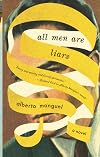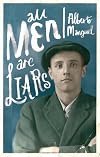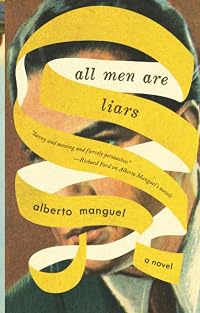
All Men Are Liars
by Alberto Manguel
On This Page
Description
Where can you find truth in a world that is so thoroughly ruled by lies? That is the question tackled by the investigation of a French journalist who endeavours to shed light on the enigma of an unexplained death.Tags
Recommendations






















Member Recommendations


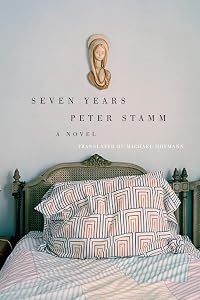
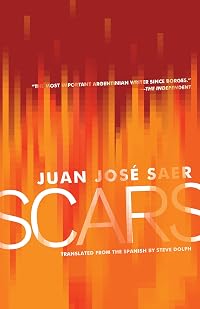
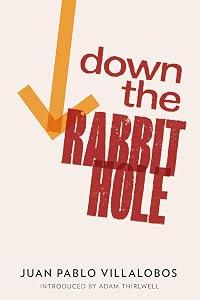
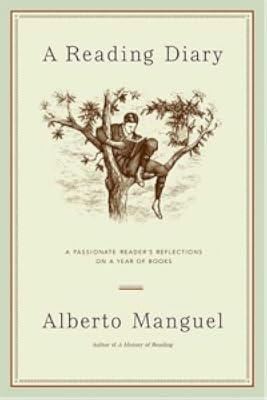
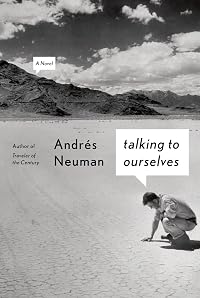
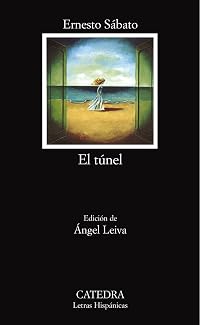
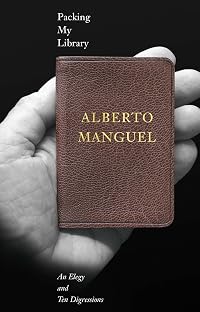
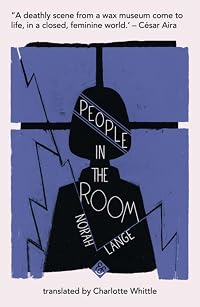
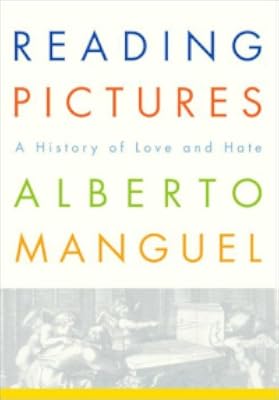
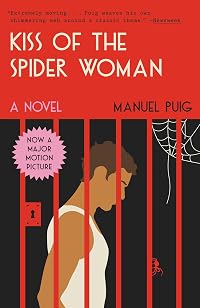
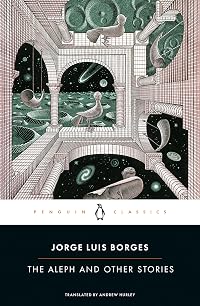
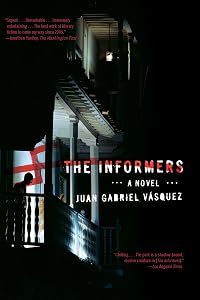
bluepiano In both books a fictional author seeks to learn everything possible about a person he's never met; in both books not only varying perspectives but questionable reliability confuse matters.
Member Reviews
I selected this book based on the cover art alone. I had no idea what the story was about, nor did I look up any info about it prior to reading. Wow. Loved it. A shifting story with various reliable (or unreliable) narrators, forcing us to think about reality, memory, fiction, & truth. Is there ever really one truth? How can one single truth even exist? Sure, it's a theme that has been covered in many great books through time, but Manguel makes a worthy addition to the pantheon of such works. It's a very readable story with quite a few nuanced layers. Gorgeous.
Ao ler Todos os homens são mentirosos (2008), de Alberto Manguel, Paul Auster veio-me à memória, este escritor que faz da narrativa um puzzle irrestível. É pois na forma de um puzzle que Alberto Manguel constrói este seu romance. Chegamos ao fim com ele montado, mas sem a certeza que as peças estejam no sítio certo e que seja esta a disposição da verdade.
Terradillos, um jornalista francês, procura a verdade sobre um escritor argentino exilado em Madrid nos anos 70, Alejandro Bevilacqua, que morre em consequência de uma queda. É nos fragmentos das memórias de quem o conheceu que o jornalista procura o caminho para a verdade. O livro é a recolha dos testemunhos destas pessoas que o guardam na memória: um “Alberto show more Manguel”, apresentado como o seu confidente; Andrea, sua presumível amante espanhola; Marcelino Olivares (“o Porco”), seu companheiro de cela cubano e o invisível Gorostiza.
Nos seus discursos vemos muita contradição. Estarão eles a mentir-nos? Ficamos com a sensação que não. Diz-nos Terradillos no fim do livro:
Terradillos, um jornalista francês, procura a verdade sobre um escritor argentino exilado em Madrid nos anos 70, Alejandro Bevilacqua, que morre em consequência de uma queda. É nos fragmentos das memórias de quem o conheceu que o jornalista procura o caminho para a verdade. O livro é a recolha dos testemunhos destas pessoas que o guardam na memória: um “Alberto show more Manguel”, apresentado como o seu confidente; Andrea, sua presumível amante espanhola; Marcelino Olivares (“o Porco”), seu companheiro de cela cubano e o invisível Gorostiza.
Nos seus discursos vemos muita contradição. Estarão eles a mentir-nos? Ficamos com a sensação que não. Diz-nos Terradillos no fim do livro:
“Trata-se de algo mais grave, mais trágico e subtil, mais essencial. Esta qualidade a que me refiro é a que em certas tardes de calor faz com que o asfalto nos pareça água, que ponhamos a mão no ombro da mulher cujas costas nos parecem ser de uma amiga perdida, que subamos a um piso que achamos que é o nosso e batamos a uma porta atrás da qual alguém desconhecido está prestes a fazer um gesto irremediável”Tratam-se somente de rastos, memórias dispersas que se esbatem, se transformam e causam confusão ou uma certeza irreal ao longo do tempo. E acaba por ser esta a única verdade: somos apenas fragmentos, sujeitos a interpretações múltiplas. Fragmentos para nós e para os outros, com a necessidade permanente de fazermo-nos história com um sentido. Pois, como diz Andrea a páginas tantas:
“Li em algum sítio que a única coisa que podemos fazer para lutar contra a irrealidade do mundo é contar a nossa história”.show less
Alberto Manguel's novel All Men Are Liars is written in the form of a series of interviews conducted by a journalist named Jean-Luc Terradillos, who is writing a biography of Alejandro Bevilacqua, author of the novel In Praise of Lying, widely hailed as a masterpiece. The individuals being interviewed were intimate with Bevilacqua, who by the time of Terradillos' inquiry has been dead some thirty years. Questions persist regarding Bevilacqua's mysterious death as well as his authorship of the famous novel. This premise has great dramatic potential, much of which remains unfulfilled. All Men Are Liars is a very self-conscious work. One of the characters that Terradillos interviews is named Alberto Manguel, and this fictional Manguel is show more denounced by other characters as a liar and charlatan. Is it possible for a novel to be both fascinating and off-putting? (Or, to put it another way: Is there anything more annoying than an author who is dazzled by his own cleverness?) The individual interviews are enjoyable as set pieces, each in its own way riveting and diverting as they chronicle Bevilacqua's life from that character's limited and biased perspective. But by the final page Bevilacqua the man remains as hazy and mysterious as ever, a man mostly withheld, presented in sillouette. In many respects he remains a bit player in his own life, outdone by the people telling his story. What are we to believe? Each of Terradillos' interviewees has his or her own agenda. We soon understand that in the world of this novel truth is subjective and we are to take nothing at face value. Alberto Manguel has indeed fashioned a fascinating story, but it is one that sacrifices the visceral tug of emotional engagement for a more weighty intellectual response. We are left with pseudo-Borgesian questions regarding identity, the meaning of existence and the meaning of authorship. Fascinating to be sure, but just a bit off-putting. show less
"Lying: that is the great theme of South American literature," says Andrea, the only female narrator in Alberto Manguel's complex novel All Men Are Liars, out this week from Riverhead Books.
Hers is also the only narrative that can be trusted, for her perspective is entirely prejudiced by her own pride and does not allow for any other potentialities. All the other contributors are most certainly lying in one way or another; in some cases it is because they were lied to themselves and, in all cases, it is because they are of the literary persuasion.
Yes, all men are liars, and all writers are liars, too.
The story, told initially from four different perspectives, is that of an Argentinian expatriate living in Madrid, a writer by the name show more of Alejandro Bevilacqua. Bevilacqua comes to Spain straight from an Argentinian prison. His small literary reputation proceeds him and he his scooped up by Andrea who seeks to passionately cultivate his talents.
While collecting his laundry for washing, Andrea comes across a handwritten masterpiece in Bevilacqua's bag titled In Praise of Lying and, believing that her beau has constructed a masterpiece, she goes about having the novel published in secret which, as it turns out, is the first in the chain of events that leads to Bevilacqua's apparent suicide. He is surrounded by a number of other expats, one of whom is "Alberto Manguel," an incarnation of our author positioned to blur the lines between fact and fiction for the reader, and off of whose balcony Bevilacqua found his end.
At least, that is the truth that Andrea tells; the other perspectives (that of "Manguel;" of "El Chancho," who was Bevilacqua's cellmate in Argentina; and of Gorostiza, who knows Bevilacqua casually in Spain, but whose real place in the novel is not comprehended until his narrative) provide the other pieces to the Bevilacqua puzzle, all being sent to a French journalist who is trying in vain to piece together the real story of the author's tragic life.
But these pieces are swollen with lies and touted self-worth and, therefore, do not quite fit together; the journalist, Jean-Luc Teradillos, is forced to conclude (in what is the final narrative of the novel) that no story, not even his own, may ever be told in full.
Of course, only the reader might really decide what to believe, and what is true and what might be a lie. It's a boon to a reader's imagination to be gifted that kind of power, and that's the generosity of Manguel's novel: he provides all the perspectives, you make the judgement call. But, in doing so, you're forced to question the application of literary perspective on actual life: surely, you can establish for yourself what the truth in your own life is; you know just what your life is or has been, and you know just how you'll be remembered when you're gone...or do you?
Lauren Cartelli
www.theliterarygothamite.com show less
Hers is also the only narrative that can be trusted, for her perspective is entirely prejudiced by her own pride and does not allow for any other potentialities. All the other contributors are most certainly lying in one way or another; in some cases it is because they were lied to themselves and, in all cases, it is because they are of the literary persuasion.
Yes, all men are liars, and all writers are liars, too.
The story, told initially from four different perspectives, is that of an Argentinian expatriate living in Madrid, a writer by the name show more of Alejandro Bevilacqua. Bevilacqua comes to Spain straight from an Argentinian prison. His small literary reputation proceeds him and he his scooped up by Andrea who seeks to passionately cultivate his talents.
While collecting his laundry for washing, Andrea comes across a handwritten masterpiece in Bevilacqua's bag titled In Praise of Lying and, believing that her beau has constructed a masterpiece, she goes about having the novel published in secret which, as it turns out, is the first in the chain of events that leads to Bevilacqua's apparent suicide. He is surrounded by a number of other expats, one of whom is "Alberto Manguel," an incarnation of our author positioned to blur the lines between fact and fiction for the reader, and off of whose balcony Bevilacqua found his end.
At least, that is the truth that Andrea tells; the other perspectives (that of "Manguel;" of "El Chancho," who was Bevilacqua's cellmate in Argentina; and of Gorostiza, who knows Bevilacqua casually in Spain, but whose real place in the novel is not comprehended until his narrative) provide the other pieces to the Bevilacqua puzzle, all being sent to a French journalist who is trying in vain to piece together the real story of the author's tragic life.
But these pieces are swollen with lies and touted self-worth and, therefore, do not quite fit together; the journalist, Jean-Luc Teradillos, is forced to conclude (in what is the final narrative of the novel) that no story, not even his own, may ever be told in full.
Of course, only the reader might really decide what to believe, and what is true and what might be a lie. It's a boon to a reader's imagination to be gifted that kind of power, and that's the generosity of Manguel's novel: he provides all the perspectives, you make the judgement call. But, in doing so, you're forced to question the application of literary perspective on actual life: surely, you can establish for yourself what the truth in your own life is; you know just what your life is or has been, and you know just how you'll be remembered when you're gone...or do you?
Lauren Cartelli
www.theliterarygothamite.com show less
What is truth in storytelling? Alberto Manguel explores the question in All Men Are Liars (Riverhead, 2012), a metafictional tale about a long-dead novelist (or was he?), Alejandro Bevilacqua. The journalist Terradillos speaks with several who knew Bevilacqua, including one Alberto Manguel (derided as a liar and worse by the others), Bevilacqua's one-time lover, a former cell-mate in an Argentinian prison, and more. With each different perspective come more questions about Bevilacqua's life, his work, and the nature of his death. Who can be trusted?
Manguel's typically-lyrical language is on full display here, as are his interests in this big questions about truth and story, life and knowing. The novel held my interest fine, but it is show more Manguel's essays on reading and books that I'll come back to more often. show less
Manguel's typically-lyrical language is on full display here, as are his interests in this big questions about truth and story, life and knowing. The novel held my interest fine, but it is show more Manguel's essays on reading and books that I'll come back to more often. show less
Storage 2025
C'è questo bel personaggio, che è un giornalista, che ritiene più onesto dare la propria personale “visione del mondo”, assumendosi la responsabilità di quel che scrive, piuttosto che restituire una “falsa oggettività”.
Mi piace come sta ad ascoltare la stessa storia dell'argentino emigrato in Spagna e trovato morto - Alejandro Bevilacqua – dai racconti, diversissimi fra loro, di varie persone che hanno conosciuto il portegno.
Finché, quando ha raccolto più informazioni possibile, dando prova di rarissima virtù, consapevole dei propri limiti, fa un passo indietro e “contemporaneamente, nel momento stesso in cui mi rassegno a non scriverlo, sento che il mio personaggio prende vita, sento che è Bevilacqua ad affermarsi.”
Mi piace come sta ad ascoltare la stessa storia dell'argentino emigrato in Spagna e trovato morto - Alejandro Bevilacqua – dai racconti, diversissimi fra loro, di varie persone che hanno conosciuto il portegno.
Finché, quando ha raccolto più informazioni possibile, dando prova di rarissima virtù, consapevole dei propri limiti, fa un passo indietro e “contemporaneamente, nel momento stesso in cui mi rassegno a non scriverlo, sento che il mio personaggio prende vita, sento che è Bevilacqua ad affermarsi.”
Jul 16, 2012Italian
Members
- Recently Added By
Lists

Metafiction
86 works; 23 members

Best 21st Century Books (So Far)
679 works; 86 members

Significant works of postmodern fiction
86 works; 25 members

Spanish Language in English Translation
19 works; 2 members
Author Information

130+ Works 16,402 Members
Alberto Manguel is a Canadian writer, translator, editor, and critic. Born in Buenos Aires, he has since resided in Israel, Argentina, Europe, the South Pacific, and Canada.
Some Editions
Awards and Honors
Distinctions
Common Knowledge
- Canonical title*
- Alle mensen liegen
- Original title
- Todos los hombres son mentiros
- Original publication date
- 2008
- People/Characters*
- Alejandro Bevilacqua
- Important places*
- Madrid, Spanje
- Epigraph
- 'Ik zeide in mijn haasten: Alle mensen zijn leugenaars.'
Psalm 116:11
I said in my haste, All men are liars. Psalm 116:2 - Dedication
- Voor Craig Stephenson, die nooit heeft gelogen
To Craig Stephenson, who never lies - First words
- Maar dat je uitgerekend bij mij aankomt met Alejandro Bevilacqua.
Frankly, I'm the last person you should be asking about Alejandro Bevilacqua. - Last words*
- (Click to show. Warning: May contain spoilers.)Ik ben het, zijn lezer, zijn verwachtingsvol chroniqueur, ik, Jean-Luc Terradillos, die verdwijnt.
- Original language
- Spanish
*Some information comes from Common Knowledge in other languages. Click "Edit" for more information.
Classifications
- Genres
- Fiction and Literature, General Fiction
- DDC/MDS
- 863.64 — Literature & rhetoric Spanish Literature Spanish fiction 20th Century 1945-2000
- LCC
- PQ7798.23 .A513 .T6313 — Language and Literature French, Italian, Spanish and Portuguese literatures Spanish literature Provincial, local, colonial, etc. Spanish America
- BISAC
Statistics
- Members
- 207
- Popularity
- 158,572
- Reviews
- 9
- Rating
- (3.29)
- Languages
- 8 — Dutch, English, French, German, Italian, Portuguese, Romanian, Spanish
- Media
- Paper, Ebook
- ISBNs
- 23
- ASINs
- 5