

Miranda France
Author of Bad Times in Buenos Aires
About the Author
Miranda France was born in 1966 and grew up in East Anglia and Sussex. She studied Spanish and Latin American Studies at Edinburgh University and has lived in Brazil, Edinburgh, and Buenos Aires. She currently lives with her husband and son in London
Image credit: (AP Watt)
Works by Miranda France
Betty Boo 1 copy
The Fragility of Bodies 1 copy
Associated Works
Tagged
Common Knowledge
- Canonical name
- France, Miranda
- Birthdate
- 1966
- Gender
- female
- Education
- Edinburgh University
- Occupations
- writer
translator - Agent
- Derek Johns (AP Watt)
- Nationality
- England
- Places of residence
- London, England, UK
- Associated Place (for map)
- London, England, UK
Members
Reviews
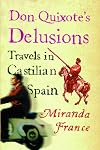
Very few travel books, or tales of life in other cultures, can sustain themselves or the reader's interest based solely on the authors observations and reflections. To my mind - at least - a memorable book about 'foreign parts' is a story about a journey to (or from) something, be it a place or a thing or a hope or a memory, and the reader participates with both the author's outer and inner journeys. Twin journeys of the road, and of the soul, as it were.
So Miranda France's story of Spain show more and Don Quixote has the essential elements. She unfolds the story of Don Quixote as she unfolds the story of post Franco Spain, and that of her uncertain connection with a young man as committed to revolution as he is to avoiding a committed relationship.
The scholarship on Don Quixote and Cervantes is there, and told with enough enthusiasm as to tempt the reader to take up - or take up again - that golden brick of a book (though I'd still stick with the translator Cohen's advice to exercise 'judicious skipping'). As for Spain itself, this is as good an account as you'll find anywhere of the the explosion of political - and sexual - expression that followed the decades of Franco's total repression of what we'd called liberal society, and to some extent of the massive hangover that followed. And as for the author's journey of the heart? Well there's a lot left unsaid, but there's enough left in the text to allow the reader to suppose that this was not the end, but the beginning of something much, much better.
Highly recommended, if you have an interest in Don Quixote or Spain, or have some sympathy with a tale of being in love in foreign parts with a very difficult object of affection. show less
So Miranda France's story of Spain show more and Don Quixote has the essential elements. She unfolds the story of Don Quixote as she unfolds the story of post Franco Spain, and that of her uncertain connection with a young man as committed to revolution as he is to avoiding a committed relationship.
The scholarship on Don Quixote and Cervantes is there, and told with enough enthusiasm as to tempt the reader to take up - or take up again - that golden brick of a book (though I'd still stick with the translator Cohen's advice to exercise 'judicious skipping'). As for Spain itself, this is as good an account as you'll find anywhere of the the explosion of political - and sexual - expression that followed the decades of Franco's total repression of what we'd called liberal society, and to some extent of the massive hangover that followed. And as for the author's journey of the heart? Well there's a lot left unsaid, but there's enough left in the text to allow the reader to suppose that this was not the end, but the beginning of something much, much better.
Highly recommended, if you have an interest in Don Quixote or Spain, or have some sympathy with a tale of being in love in foreign parts with a very difficult object of affection. show less

Decidi leer este libro porque me llamo la atencion la tematica: una descipcion de Buenos Aires de lo 90's desde el punto de vista de una anglosajona.
Como Argentina que dejo su tierra natal justo al final de ese periodo tan infame de nuestra historia y que vive hace mas de una decada en Canada, pense me identificaria con algunos puntos de vista de la autora.
Realmente el libro me indigno.
Por un lado, la autora hace unas criticas y observaciones muy validas. Fue una decada jodida y de hecho show more por eso es que en ese entonces me fui. Es cierto que el gobierno de pizza y champan de Menem daba verguenzaq; es cierto lo del sentimiento generalizado de "broca"; es cierto las quejas sobre las colas, los servicios publicos sin funcionar, el desastroso transporte , la corrupcion, y en general, lo dificil de vivir el dia a dia en esa ciudad "que te mata".
Pero pense que en algun momento la autora iba tambien a erscatar algo positivo de la sociedad portena. En cambio, todo loq ue ella vio fue basicamente una basura. Termina el libro con la imagen de ella sentada en el avion sin ver la hora de volver a su sonada Inglaterra y librarse del castigo que fue para ella vivir en Buenos Aires.
Es increible no que la autora critique todo -- las criticas en general son validas-sino que lo haga 1)desde el lugar de la superioridad anglosajona, b)que basicamente le eche la culpa a la gente de los males que sufre. Como si un porteno viviendo esa situacion coyuntural tan dificil hubiese elegido vivir asi, cuando en realidad la situacion nos excedia. De hecho, yo por eso decidi escaparme a otro pais en la primera oportunidad que tuve. Pero no es justo que ella venga de afuera a criticar asi y luego se las tome sin cambiar nada.
Han pasado ya varias decadas desde entonces y puedo afirmar que la sociedad portena ya no es tan amarga, triste y sin futuro como la autora la describia. Buenos Aires tiene una riqueza cultural increible y miles de visitantes reconocen eso ano tras ano. No hay una sola persona con la cual yo hable que diga lo contrario.
Otra cosa que no me gusto del libro es como esta estructurado tematicamente de cliche a cliche: peron, evita, el tango, el proceso militar, el machismo, las Malvinas. Hay mas de Buenos Aires que eso; es una ciudad multifacetica. Ademas me da la sencacion que la autora corto y pego de sus articulos como corresponsal en Buenos Aires sobre temas "cliches" para preparar el libro y repitio lugares comunes en este proceso. Me parece muy corto de vista.
En resumen, el libro me enfurecio. Confieso que me saltee partes del libro porque ya no lo soportaba. show less
Como Argentina que dejo su tierra natal justo al final de ese periodo tan infame de nuestra historia y que vive hace mas de una decada en Canada, pense me identificaria con algunos puntos de vista de la autora.
Realmente el libro me indigno.
Por un lado, la autora hace unas criticas y observaciones muy validas. Fue una decada jodida y de hecho show more por eso es que en ese entonces me fui. Es cierto que el gobierno de pizza y champan de Menem daba verguenzaq; es cierto lo del sentimiento generalizado de "broca"; es cierto las quejas sobre las colas, los servicios publicos sin funcionar, el desastroso transporte , la corrupcion, y en general, lo dificil de vivir el dia a dia en esa ciudad "que te mata".
Pero pense que en algun momento la autora iba tambien a erscatar algo positivo de la sociedad portena. En cambio, todo loq ue ella vio fue basicamente una basura. Termina el libro con la imagen de ella sentada en el avion sin ver la hora de volver a su sonada Inglaterra y librarse del castigo que fue para ella vivir en Buenos Aires.
Es increible no que la autora critique todo -- las criticas en general son validas-sino que lo haga 1)desde el lugar de la superioridad anglosajona, b)que basicamente le eche la culpa a la gente de los males que sufre. Como si un porteno viviendo esa situacion coyuntural tan dificil hubiese elegido vivir asi, cuando en realidad la situacion nos excedia. De hecho, yo por eso decidi escaparme a otro pais en la primera oportunidad que tuve. Pero no es justo que ella venga de afuera a criticar asi y luego se las tome sin cambiar nada.
Han pasado ya varias decadas desde entonces y puedo afirmar que la sociedad portena ya no es tan amarga, triste y sin futuro como la autora la describia. Buenos Aires tiene una riqueza cultural increible y miles de visitantes reconocen eso ano tras ano. No hay una sola persona con la cual yo hable que diga lo contrario.
Otra cosa que no me gusto del libro es como esta estructurado tematicamente de cliche a cliche: peron, evita, el tango, el proceso militar, el machismo, las Malvinas. Hay mas de Buenos Aires que eso; es una ciudad multifacetica. Ademas me da la sencacion que la autora corto y pego de sus articulos como corresponsal en Buenos Aires sobre temas "cliches" para preparar el libro y repitio lugares comunes en este proceso. Me parece muy corto de vista.
En resumen, el libro me enfurecio. Confieso que me saltee partes del libro porque ya no lo soportaba. show less
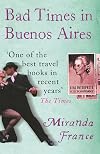
Miranda France lived in Buenos Aires after the crisis in the late `90s. What is clear that she does like the city, sometimes inspite of the difficulties outlined in the book, it certainly got under her skin.
Her Buenos Aires is a city of contradiction, melancholy, passion, chaos, phsycoanalyists, a city struggling with its past.
In writing about the people she meets, from her neighbours to politicians, from tango dancers to grave diggers, we get a glimpse of life in the metropolis.
The subject show more matter of each chapter also shows parts of the life of Porteños behind the headlines which we see at home. France talks about everyday issues from the state of the roads, the macho posturing, the cult of Evita to more deep rooted ones such as the disappeared, the regime and the Falklands. I particularly enjoyed the anecdote of love arising from the habitual crossing of phonelines.
Entertaining and informative read. show less
Her Buenos Aires is a city of contradiction, melancholy, passion, chaos, phsycoanalyists, a city struggling with its past.
In writing about the people she meets, from her neighbours to politicians, from tango dancers to grave diggers, we get a glimpse of life in the metropolis.
The subject show more matter of each chapter also shows parts of the life of Porteños behind the headlines which we see at home. France talks about everyday issues from the state of the roads, the macho posturing, the cult of Evita to more deep rooted ones such as the disappeared, the regime and the Falklands. I particularly enjoyed the anecdote of love arising from the habitual crossing of phonelines.
Entertaining and informative read. show less
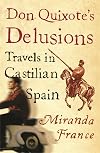
The author writes well. A good mix of personal history, Cervantes, and travel in Spain. About half way through I began to think that I liked the book but not the author as she sounded a bit superior - but she won me over. And I really wonder now whether I have ever read Don Quixote If I did it was a long time ago and this has made me interested.
Awards

You May Also Like


Statistics
- Works
- 8
- Also by
- 3
- Members
- 168
- Popularity
- #126,678
- Rating
- 3.5
- Reviews
- 7
- ISBNs
- 22
- Languages
- 2