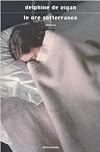
Underground Time
by Delphine de Vigan
On This Page
Description
"Everyday Mathilde takes the Metro, then the commuter train to the office of a large multi-national where she works in the marketing department. Every day, the same routine, the same trains. But something happened a while ago - she dared to voice a different opinion from her moody boss, Jacques. Bit by bit she finds herself frozen out of everything, with no work to do. Thibault is a paramedic. Every day he drives to the addresses he receives from his controller. The city spares him no grief: show more traffic jams, elusive parking spaces, delivery trucks blocking his route. He is well aware that he may be the only human being many of the people he visits will see for the entire day and is well acquainted with the symptomatic illnesses, the major disasters, the hustle and bustle and, of course, the immense, pervading loneliness of the city. Before one day in May, Mathilde and Thibault had never met. They were just two anonymous figures in a crowd, pushed and shoved and pressured continuously by the loveless, urban world. Underground Time is a novel of quiet violence - the violence of office-bullying, the violence of the brutality of the city - in which our two characters move towards an inevitable meeting"-- show lessTags
Recommendations











































Member Recommendations

Member Reviews
Delphine de Vigan's Underground Time has two main characters with parallel stories. There's Mathilde, a forty year old single mother who works for a multinational company, and forty-three year old Thibault, a paramedic who has suffered a painful break-up with his girlfriend. De Vigan clearly puts most of her energy into telling Mathilde's story. She uses Thibault as a means for the reader to have a brief respite from Mathilde's problems, which are spiraling out of control. Both characters are lonely and tired, barely making it through their days. Thibault's worries pale beside Mathilde's, and he got very little sympathy from me. I think this is the novel's weakest point. Mahilde, on the other hand, kept me completely engaged. Her days show more as a confident business woman begin to unravel the day she disagrees with the opinion of her boss during a business meeting. Although she gets a nagging feeling that things are not quite right, it takes awhile for her to understand that her life will change completely from that moment on. Her boss slowly takes away her work, her co-workers, her office, her friends, her confidence, even her sleep, until nothing is left. Her desperation is apparent near the end of the novel when she sits in her new windowless office and telephones a travel agency with computerized responses and feels that it is a friendly phone conversation. Underground Time has the existentialist quality found in the Theater of the Absurd. It is a well-written and compelling read. show less
 This review was written for LibraryThing Early Reviewers.
Liked it a lot, if by "liked" you mean "experienced a slightly nauseous feeling of creeping dread that didn't require anything more supernatural than people being dicks towards each other". A story of two 40-year-olds lost in Paris, tied together by invisible threads that aren't even allowed to snap. Good stuff.
[b:Underground Time|11354710|Underground Time|Delphine de Vigan|https://i.gr-assets.com/images/S/compressed.photo.goodreads.com/books/1316739929l/11354710._SY75_.jpg|7071230] was a library of friendship novel that I suspected might turn out to be a romance. While I was pleased to find it wasn't, the plot turned out to be much more depressing than I expected. It follows two Parisians, Mathilde and Thibault, through one day of their working lives. Both have really tough jobs, Thibault because he is a paramedic constantly dealing with emergencies and Mathilde because her boss is bullying and gaslighting her. Their thoughts and impressions are conveyed beautifully by the skillful writing and translation; unfortunately they are a total show more downer. Mathilde's experiences in the office are practically devastating, a reminder of how hellish work can be with an evil boss. As De Vigan puts it:
Even in translation that paragraph retains a strongly French vibe, as does the whole book. I appreciated the writing, although I can't say I enjoyed it as such. It offers the opposite of escapism: a visceral evocation of bad traffic, awful bosses, exhaustion, and similar daily miseries. show less
Laetitia's speeches, her no-nonsense language, her way of dividing the world in two, used to make Mathilde smile. Sometimes they disagreed. Now she wonders if Laetitia hasn't been right all along. If business isn't the ultimate testing ground for morality. If business isn't by definition a place of destruction. If business with its rituals, its hierarchy, its ways of functioning, is not quite simply the sovereign place of violence and impunity.
Even in translation that paragraph retains a strongly French vibe, as does the whole book. I appreciated the writing, although I can't say I enjoyed it as such. It offers the opposite of escapism: a visceral evocation of bad traffic, awful bosses, exhaustion, and similar daily miseries. show less
Am 20. Mai wird sich alles ändern, etwas Großes steht bevor. Das zumindest hat die Wahrsagerin Mathilde prophezeit. Nun ist der Tag gekommen und die Witwe und dreifache Mutter geht ihm gespannt entgegen. Doch zunächst ist alles wie immer: Métro und RER verspätet, dann verstopft, dazu noch eine Frau, die beinahe vor ihr kollabiert. Viel zu spät kommt sie zur Arbeit, nur um dann festzustellen, dass eine Kollegin jetzt in ihrem Büro sitzt und sie in das fensterlose Kabuff neben der Toilette ziehen muss. Es hatte sich abgezeichnet, seit Monaten schon war die Stimmung zwischen ihr und ihrem Chef vergiftet. Zeitgleich eilt Thibault durch die Stadt. Auch sein Tag hat mäßig begonnen, denn endlich hat er sich von Lila getrennt, die dies show more kommentarlos akzeptierte. Nun hetzt der Notfallmediziner von Patient zu Patient, erschöpft und kurz davor, selbst zusammenzubrechen. Die Wege der beiden kreuzen sich immer wieder, doch werden sie sich begegnen und die Vorhersage wahr werden lassen?
Delphine de Vigans Roman ist im Original bereits 2009 erschienen und stand im selben Jahr in der letzten Runde um den Prix Goncourt. Auch die Verfilmung aus dem Jahr 2015 wurde positiv aufgenommen und mit mehreren Preisen ausgezeichnet. Die Autorin fängt in ihrer Geschichte das typische Pariser Großstadtleben ein: métro, boulot, dodo. Die beiden Protagonisten sind lange im öffentlichen Raum unterwegs, ohne dort jedoch die Menschen um sich wirklich wahrzunehmen und werden dabei selbst ebenso unsichtbar; die Arbeit nimmt nicht nur den Großteil des Tages, sondern auch der Emotionen und Gedanken ein; das Privatleben kommt chronisch zu kurz, weshalb Beziehungen kaum gepflegt und notwendige Entscheidungen immer wieder verschoben werden.
Neben der Frage, wann bzw. ob Mathilde und Thibault sich begegnen, steht vor allem der Konflikt zwischen Mathilde und ihrem Vorgesetzten Jacques im Fokus der Handlung. Aus für sie nicht nachvollziehbaren Gründen hat er sie im Laufe der vergangenen Monate isoliert, immer mehr Verantwortung anderen übertragen und sie systematisch vom Kommunikationsfluss abgeschnitten. Es ist Mobbing der schlimmsten Art, was er betreibt und die Folgen zeigen sich bei Mathilde: sie ist erschöpft, schläft nicht mehr und schon der Gedanke an die Arbeit bereitet ihr Unwohlsein. Die Personalchefin ist keine Hilfe, die Kollegen haben selbst zu viel Sorge um ihren Job als dass sie ihr zur Seite stehen würden und Jacques verweigert jedes Gespräch, so dass der Grund für sein Verhalten im Dunkeln bleibt.
Thibault wiederum hatte sich bewusst gegen das Dasein als Hausarzt entschieden und doch trifft er manche Patienten, die die Notfallnummer wählen, immer wieder. Es sind die Einsamen, die Alten, für die der Besuch des Arztes oft ihr einziger menschlicher Kontakt ist. Auch das sind Abgründe der Stadt, vor denen gerne die Augen verschlossen werden, weil sie niemand sehen möchte. So sehr er seinen Beruf liebt, diese Begegnungen laugen ihn aus.
Die Handlung oszilliert zwischen den beiden und je näher man ihnen kommt, desto mehr wünscht man ihnen, dass die einsamen Seelen sich treffen und finden und die Leere des jeweils anderen füllen können. Authentisch und überzeugend fängt Delphine de Vigan die Einsamkeit unter Millionen von Menschen ein, sie schildert ein Leben, in dem die Menschen funktionieren und gar nicht die Zeit finden, ihr Dasein und den Sinn ihres Lebenskonstrukts zu hinterfragen. Der Großstadtlärm übertönt diese Fragen und ebenso die kaum hörbar leise schlagenden einsamen Herzen. show less
Delphine de Vigans Roman ist im Original bereits 2009 erschienen und stand im selben Jahr in der letzten Runde um den Prix Goncourt. Auch die Verfilmung aus dem Jahr 2015 wurde positiv aufgenommen und mit mehreren Preisen ausgezeichnet. Die Autorin fängt in ihrer Geschichte das typische Pariser Großstadtleben ein: métro, boulot, dodo. Die beiden Protagonisten sind lange im öffentlichen Raum unterwegs, ohne dort jedoch die Menschen um sich wirklich wahrzunehmen und werden dabei selbst ebenso unsichtbar; die Arbeit nimmt nicht nur den Großteil des Tages, sondern auch der Emotionen und Gedanken ein; das Privatleben kommt chronisch zu kurz, weshalb Beziehungen kaum gepflegt und notwendige Entscheidungen immer wieder verschoben werden.
Neben der Frage, wann bzw. ob Mathilde und Thibault sich begegnen, steht vor allem der Konflikt zwischen Mathilde und ihrem Vorgesetzten Jacques im Fokus der Handlung. Aus für sie nicht nachvollziehbaren Gründen hat er sie im Laufe der vergangenen Monate isoliert, immer mehr Verantwortung anderen übertragen und sie systematisch vom Kommunikationsfluss abgeschnitten. Es ist Mobbing der schlimmsten Art, was er betreibt und die Folgen zeigen sich bei Mathilde: sie ist erschöpft, schläft nicht mehr und schon der Gedanke an die Arbeit bereitet ihr Unwohlsein. Die Personalchefin ist keine Hilfe, die Kollegen haben selbst zu viel Sorge um ihren Job als dass sie ihr zur Seite stehen würden und Jacques verweigert jedes Gespräch, so dass der Grund für sein Verhalten im Dunkeln bleibt.
Thibault wiederum hatte sich bewusst gegen das Dasein als Hausarzt entschieden und doch trifft er manche Patienten, die die Notfallnummer wählen, immer wieder. Es sind die Einsamen, die Alten, für die der Besuch des Arztes oft ihr einziger menschlicher Kontakt ist. Auch das sind Abgründe der Stadt, vor denen gerne die Augen verschlossen werden, weil sie niemand sehen möchte. So sehr er seinen Beruf liebt, diese Begegnungen laugen ihn aus.
Die Handlung oszilliert zwischen den beiden und je näher man ihnen kommt, desto mehr wünscht man ihnen, dass die einsamen Seelen sich treffen und finden und die Leere des jeweils anderen füllen können. Authentisch und überzeugend fängt Delphine de Vigan die Einsamkeit unter Millionen von Menschen ein, sie schildert ein Leben, in dem die Menschen funktionieren und gar nicht die Zeit finden, ihr Dasein und den Sinn ihres Lebenskonstrukts zu hinterfragen. Der Großstadtlärm übertönt diese Fragen und ebenso die kaum hörbar leise schlagenden einsamen Herzen. show less
This is life in the 21st century: Wake up and hear the noises of the city around you. Heave your body into a train car, squeezing every last inch of yourself into a vacancy. Physically contact several people during your commute; feel utterly alone. Sit at your desk and consider your work. Encounter numerous people throughout the day; connect with none of them. Push your body into the train again; stand mere centimeters from several other human beings. Return home, exhausted by your solitude, miserable from your loneliness. This is life today.
Mathilde and Thibault are professionals in Paris, a city many consider to be the most magical and beautiful in the world, but they both ache from the city’s harshness. In beautiful yet disjointed show more passages, de Vigan describes the day of both Mathilde and Thibault. Unsatisfied with their jobs, they wander, alone, throughout the city.
Reading about loneliness is both comforting yet boring. It’s reassuring to realize people have suffered from the same feelings as you, but overall, ennui isn’t terribly interesting. That’s why Underground Time wasn’t a spectacular read for me. Nevertheless, it moves quickly and the emotions it evokes are worth more than the less than exciting plot.
This is a very French novel. Things are depicted as they are rather than how we wish them to be.which explains the absolutely wonderful ambiguous ending where Mathilde and Thibault fail to meet and absolve the other’s loneliness It’s also a very 21st century novel. Gone are novels detailing epic fights or webs of intrigue; nowadays we have these languorous, psychological works, a trend I could come to support if I can learn to spell languorous and psychology can be made more interesting.
The best part of reading this novel is determining what, if anything, de Vigan blames for Mathilde and Thibault’s smothering solitude. Personally, I think we are at fault. We can blame the city, urban life, and business culture. We can say the city divides people, separates them until they have no one to turn to. But there are several instances throughout the novel where Thibault or Mathilde could have struck up a relationship or merely a conversation with someone else. But they don’t. The city is absolute.
Favorite Quotation:
“His life is in this incessant toing and froing, these exhausted days, these stairways, these lifts, these doors which close behind him.
His life is at the heart of the city. And the city, with its noise, covers the complaints and the murmurs, hides its poverty, displays its dustbins and its wealth, and ceaselessly increases its speed.”
Discussing urban solitude and business malaise is popular right now. I recently watched Medianeras, an Argentinian film concerned with the same questions as Underground Time. I have the same criticisms of the film as I do the book: meaningful but ultimately flat because of the uninteresting subject matter. show less
Mathilde and Thibault are professionals in Paris, a city many consider to be the most magical and beautiful in the world, but they both ache from the city’s harshness. In beautiful yet disjointed show more passages, de Vigan describes the day of both Mathilde and Thibault. Unsatisfied with their jobs, they wander, alone, throughout the city.
Reading about loneliness is both comforting yet boring. It’s reassuring to realize people have suffered from the same feelings as you, but overall, ennui isn’t terribly interesting. That’s why Underground Time wasn’t a spectacular read for me. Nevertheless, it moves quickly and the emotions it evokes are worth more than the less than exciting plot.
This is a very French novel. Things are depicted as they are rather than how we wish them to be.
The best part of reading this novel is determining what, if anything, de Vigan blames for Mathilde and Thibault’s smothering solitude. Personally, I think we are at fault. We can blame the city, urban life, and business culture. We can say the city divides people, separates them until they have no one to turn to. But there are several instances throughout the novel where Thibault or Mathilde could have struck up a relationship or merely a conversation with someone else. But they don’t. The city is absolute.
Favorite Quotation:
“His life is in this incessant toing and froing, these exhausted days, these stairways, these lifts, these doors which close behind him.
His life is at the heart of the city. And the city, with its noise, covers the complaints and the murmurs, hides its poverty, displays its dustbins and its wealth, and ceaselessly increases its speed.”
Discussing urban solitude and business malaise is popular right now. I recently watched Medianeras, an Argentinian film concerned with the same questions as Underground Time. I have the same criticisms of the film as I do the book: meaningful but ultimately flat because of the uninteresting subject matter. show less
If there's one thing this author knows how to do, it is capture hopelessness. I think going into this having no clue what other people thought of it or really anything about the author made for a really exciting experience for me. However, I'm going to spoil something for you. The blurb for this book made me feel a bit optimistic about what could happen:
"Every day, Mathilde takes the Metro to her job at a large multinational, where she has felt miserable and isolated ever since getting on the wrong side of her bullying boss. Every day, Thibault, a paramedic, drives where his dispatcher directs him, fighting traffic to attend to disasters. For many of the people he rushes to treat, he represents the only human connection in their day. show more Mathilde and Thibault are just two figures being pushed and shoved in a lonesome, crowded city. But what might happen if these two souls, traveling their separate paths, could meet?"
Two miserable people find each other and make a go of it, right? And live happily ever after? You sly, sly jacket copy writer. That is not what this book is about--actually, it is is one of the most depressing books I have read lately. Almost the entire book is devoted to descriptions of Mathilde being undermined and under-appreciated at work. She is a widow and can't even bring herself to spend time with her friends because they will ask her about work. Thibault, the male lead, is an equally miserable doctor who once dreamed of being a surgeon, a dream that was crushed when he lost several fingers in a bar fight. He is in a relationship with an emotionally unavailable woman and he is unhappy with his job traveling all around the city, visiting patients. The narrative alternates between Mathilde and Thibault, and while I enjoyed Mathilde's portions more, I don't think the story would be complete without Thibault's voice thrown in. The descriptions of Mathilde's work life provided for more instances of pure rage from me as a reader than perhaps any book I've ever read. If it was possible, I'd write myself into this story and I'd have no qualms about torturing her boss in tiny, obnoxious ways until he broke into a million pieces. But both narratives really evoke the loneliness so many of us feel, even when we're surrounded by people.
"Carried along by the dense, disorganised tide, he thought that the city would always impose its own rhythms, its haste, its rush hours, that it would always remain unaware of these millions of solitary journeys at whose points of intersection there is nothing. Nothing but a void, or else a spark that instantly goes out." (257)
Today, when I was driving downtown, I saw a young woman about my age who had crutches and a walking boot on her leg. It was raining, she was going very slowly up a hill, and she looked miserable. I asked if I could drive her to wherever she was going. While we went around the block to her bus stop, we figured out that her ultimate destination was on the other side of Lake Washington, right near my house, so I told her I'd take her the whole way. We chatted about our lives, our families, her injury, African safaris, and I'll never see her again. Or perhaps I will, but I'd have a hard time recollecting where I knew her from. It was just a moment, like any other moment, when I made a choice. In Underground Time, the entire book builds up to just one of those moments, and I'm confident in saying that the ending will not satisfy a majority of readers, but it satisfied me. Then again, I'm someone who quite enjoys when a book punches me in the stomach.
I wish I knew French so I could read this novel in its original language. Even so, the translation is wonderfully descript. Though not overly flowery, the book is filled with metaphors and turns of phrase just so perfectly apt that I found myself repeatedly impressed:
"So a moment must come when she'll wake up, when she'll grasp the division between reality and sleep, and realise that that is all this was: a long nightmare. When she'll experience the intense relief that follows the return to consciousness, even if her heart is still beating fit to explode, even if she is bathed in sweat in her darkened bedroom. A moment when she will be free." (211)
This was 4/5 stars for me. I think it will appeal to anyone who likes to read about the bleaker aspects of life, people who enjoy French literature, anyone who may or may not daydream about murdering their horrible boss, and people who like imagining what would happen if you stopped to talk to that person on the subway.
This was my first pick for our Readventurer feature, Library Quest, where we (and guest posters) pick books from the library that we've never heard of to read and review in the quest to find some hidden treasure. show less
"Every day, Mathilde takes the Metro to her job at a large multinational, where she has felt miserable and isolated ever since getting on the wrong side of her bullying boss. Every day, Thibault, a paramedic, drives where his dispatcher directs him, fighting traffic to attend to disasters. For many of the people he rushes to treat, he represents the only human connection in their day. show more Mathilde and Thibault are just two figures being pushed and shoved in a lonesome, crowded city. But what might happen if these two souls, traveling their separate paths, could meet?"
Two miserable people find each other and make a go of it, right? And live happily ever after? You sly, sly jacket copy writer. That is not what this book is about--actually, it is is one of the most depressing books I have read lately. Almost the entire book is devoted to descriptions of Mathilde being undermined and under-appreciated at work. She is a widow and can't even bring herself to spend time with her friends because they will ask her about work. Thibault, the male lead, is an equally miserable doctor who once dreamed of being a surgeon, a dream that was crushed when he lost several fingers in a bar fight. He is in a relationship with an emotionally unavailable woman and he is unhappy with his job traveling all around the city, visiting patients. The narrative alternates between Mathilde and Thibault, and while I enjoyed Mathilde's portions more, I don't think the story would be complete without Thibault's voice thrown in. The descriptions of Mathilde's work life provided for more instances of pure rage from me as a reader than perhaps any book I've ever read. If it was possible, I'd write myself into this story and I'd have no qualms about torturing her boss in tiny, obnoxious ways until he broke into a million pieces. But both narratives really evoke the loneliness so many of us feel, even when we're surrounded by people.
"Carried along by the dense, disorganised tide, he thought that the city would always impose its own rhythms, its haste, its rush hours, that it would always remain unaware of these millions of solitary journeys at whose points of intersection there is nothing. Nothing but a void, or else a spark that instantly goes out." (257)
Today, when I was driving downtown, I saw a young woman about my age who had crutches and a walking boot on her leg. It was raining, she was going very slowly up a hill, and she looked miserable. I asked if I could drive her to wherever she was going. While we went around the block to her bus stop, we figured out that her ultimate destination was on the other side of Lake Washington, right near my house, so I told her I'd take her the whole way. We chatted about our lives, our families, her injury, African safaris, and I'll never see her again. Or perhaps I will, but I'd have a hard time recollecting where I knew her from. It was just a moment, like any other moment, when I made a choice. In Underground Time, the entire book builds up to just one of those moments, and I'm confident in saying that the ending will not satisfy a majority of readers, but it satisfied me. Then again, I'm someone who quite enjoys when a book punches me in the stomach.
I wish I knew French so I could read this novel in its original language. Even so, the translation is wonderfully descript. Though not overly flowery, the book is filled with metaphors and turns of phrase just so perfectly apt that I found myself repeatedly impressed:
"So a moment must come when she'll wake up, when she'll grasp the division between reality and sleep, and realise that that is all this was: a long nightmare. When she'll experience the intense relief that follows the return to consciousness, even if her heart is still beating fit to explode, even if she is bathed in sweat in her darkened bedroom. A moment when she will be free." (211)
This was 4/5 stars for me. I think it will appeal to anyone who likes to read about the bleaker aspects of life, people who enjoy French literature, anyone who may or may not daydream about murdering their horrible boss, and people who like imagining what would happen if you stopped to talk to that person on the subway.
This was my first pick for our Readventurer feature, Library Quest, where we (and guest posters) pick books from the library that we've never heard of to read and review in the quest to find some hidden treasure. show less
The characters in this novel are Mathilde and Thibault who, despite being Parisians, bring to mind the words of an American poet about people leading "lives of quiet desperation" (Thoreau in "Walden") and the lyrics of a British band about "all the lonely people" (The Beatles in "Eleanor Rigby"). These two forty-year-olds are used to convey the author's theme about the loneliness of contemporary urban life which Thibault recognizes: "He knows their lonelinesss. Now he knows how brutal the city is and the high price it exacts from those who expect to survive there" (242).
Mathilde is a widowed mother of three, a successful career woman, who, because she voices an opinion contrary to that of her narcissistic, tempermental boss, finds show more herself systematically harassed at work as he vengefully wages psychological warfare against her. Gradually her workplace environment becomes untenable as she is rendered powerless and "There's nothing left of the self-possessed, confident woman she used to be" (186).
Thibault, in the parallel narrative, is a physician who breaks up with a woman with whom he has been in an emotionally unsatisfying relationship. In the course of his day, he has depressing encounters with people locked into lives of disease, disappointment, and loneliness. "He's a doctor in the city: that sums up his life. . . . He will soon have been a doctor for fifteen years and nothing else has happened to him. Nothing significant" (181).
The two protagonists, whose day is described in alternating chapters, share similar lives. Both survived tragedies in their early adulthood. When the paths of the two do cross, Thibault makes an observation: "It seemed to him that he and this woman had lots of things in common" (256 - 257). In particular, their sense of themselves has been eroded: "It seemed to him that he and this woman shared the same kind of exhaustion, a dispossession of the self which cast the body towards the ground" (256). At times the reader's credulity is stretched in the author's attempts to emphasize their similarities. For example, in an upbeat moment, "[Mathilde] thought she'd buy a flat-screen for their DVD evenings . . . she'd invite her friends for dinner. . . . Maybe they'd push back the furniture and dance in her little living room. Like they used to" (203). At his more optimistic Thibault plans to "buy himself a flat-screen for his DVD evenings. And then he'll invite his university friends . . . . He'll organize a little get-together at home. He'll buy things to eat and drink. And maybe they'll push the furniture aside and dance in the living room. Like they used to" (207).
The author uses transportation to comment on modern city life. Mathilde uses public transit, the Metro, but she is nonetheless isolated: "here every day several thousand people's paths criss-cross . . . . Bodies brush against one another, or avoid contact or sometimes collide in a strange sort of choreography" (65). There is no real connection because "Even when it's busy, there remains on public transport . . . a sense of reserve" (55).
In his private vehicle that Thibault uses to travel between appointments, he is likewise isolated. He often finds himself observing pedestrians: " So many people he cannot count, all subject to the city's flow, its speed; unaware they're being watched, seen from a distance, at street corners, an infinite number of fragile identities which he cannot grasp as a whole" (62). He is often trapped in traffic: "It's jammed, blocked, paralysed. In front, behind, everywhere" (250). Of course, this describes Thibault's life - and Mathilde's as well.
The third character in the novel is the city, a "place of endless intersections where people never meet" (129). The city is definitely one of the antagonists. "[Thibault's] body is under pressure, ready to implode. The city is suffocating, pressing down on him. He is tired of its randomness, its shamelessness, its fake intimacies. He is tired of its feigned moods and the illusion that men and women ever really connect. The city is a deafening lie" (153). The last paragraph in the novel is one final description of the city: "the city would always impose its own rhythms, its haste, its rush hours, . . . it would always remain unaware of these millions of solitary journeys at whose points of intersection there is nothing. Nothing but a void, or else a spark that instantly goes out" (257).
The language of the book is very lyrical: "he had known for a long time that the singular trumps the plural and how fragile conjunctions are" (81). At times the description is reminiscent of T. S. Eliot's "The Love Song of J. Alfred Prufrock": "[Thibault's] life is in his crappy Renault Clio, with its empty plastic bottles and crumpled Bounty wrappers on the floor. His life is in this incessant toing and froing, these exhausted days, these stairways, these lifts, these doors which close behind him. His life is at the heart of the city. And the city, with its noise, its poverty, displays its dustbins and its wealth, and ceaselessly increases its speed" (81). There are even more direct allusions to Eliot: " His body is a wasteland" (153).
The book is not perfect. Mathilde's story is more compelling than Thibault's, and sometimes the monotony of their day makes for tedious reading (albeit appropriately so). Nonetheless I would recommend it to anyone interested in reading interpretive literature with thoroughly developed themes. On the other hand, anyone looking for an uplifting read with a fairy tale ending should avoid this book. show less
Mathilde is a widowed mother of three, a successful career woman, who, because she voices an opinion contrary to that of her narcissistic, tempermental boss, finds show more herself systematically harassed at work as he vengefully wages psychological warfare against her. Gradually her workplace environment becomes untenable as she is rendered powerless and "There's nothing left of the self-possessed, confident woman she used to be" (186).
Thibault, in the parallel narrative, is a physician who breaks up with a woman with whom he has been in an emotionally unsatisfying relationship. In the course of his day, he has depressing encounters with people locked into lives of disease, disappointment, and loneliness. "He's a doctor in the city: that sums up his life. . . . He will soon have been a doctor for fifteen years and nothing else has happened to him. Nothing significant" (181).
The two protagonists, whose day is described in alternating chapters, share similar lives. Both survived tragedies in their early adulthood. When the paths of the two do cross, Thibault makes an observation: "It seemed to him that he and this woman had lots of things in common" (256 - 257). In particular, their sense of themselves has been eroded: "It seemed to him that he and this woman shared the same kind of exhaustion, a dispossession of the self which cast the body towards the ground" (256). At times the reader's credulity is stretched in the author's attempts to emphasize their similarities. For example, in an upbeat moment, "[Mathilde] thought she'd buy a flat-screen for their DVD evenings . . . she'd invite her friends for dinner. . . . Maybe they'd push back the furniture and dance in her little living room. Like they used to" (203). At his more optimistic Thibault plans to "buy himself a flat-screen for his DVD evenings. And then he'll invite his university friends . . . . He'll organize a little get-together at home. He'll buy things to eat and drink. And maybe they'll push the furniture aside and dance in the living room. Like they used to" (207).
The author uses transportation to comment on modern city life. Mathilde uses public transit, the Metro, but she is nonetheless isolated: "here every day several thousand people's paths criss-cross . . . . Bodies brush against one another, or avoid contact or sometimes collide in a strange sort of choreography" (65). There is no real connection because "Even when it's busy, there remains on public transport . . . a sense of reserve" (55).
In his private vehicle that Thibault uses to travel between appointments, he is likewise isolated. He often finds himself observing pedestrians: " So many people he cannot count, all subject to the city's flow, its speed; unaware they're being watched, seen from a distance, at street corners, an infinite number of fragile identities which he cannot grasp as a whole" (62). He is often trapped in traffic: "It's jammed, blocked, paralysed. In front, behind, everywhere" (250). Of course, this describes Thibault's life - and Mathilde's as well.
The third character in the novel is the city, a "place of endless intersections where people never meet" (129). The city is definitely one of the antagonists. "[Thibault's] body is under pressure, ready to implode. The city is suffocating, pressing down on him. He is tired of its randomness, its shamelessness, its fake intimacies. He is tired of its feigned moods and the illusion that men and women ever really connect. The city is a deafening lie" (153). The last paragraph in the novel is one final description of the city: "the city would always impose its own rhythms, its haste, its rush hours, . . . it would always remain unaware of these millions of solitary journeys at whose points of intersection there is nothing. Nothing but a void, or else a spark that instantly goes out" (257).
The language of the book is very lyrical: "he had known for a long time that the singular trumps the plural and how fragile conjunctions are" (81). At times the description is reminiscent of T. S. Eliot's "The Love Song of J. Alfred Prufrock": "[Thibault's] life is in his crappy Renault Clio, with its empty plastic bottles and crumpled Bounty wrappers on the floor. His life is in this incessant toing and froing, these exhausted days, these stairways, these lifts, these doors which close behind him. His life is at the heart of the city. And the city, with its noise, its poverty, displays its dustbins and its wealth, and ceaselessly increases its speed" (81). There are even more direct allusions to Eliot: " His body is a wasteland" (153).
The book is not perfect. Mathilde's story is more compelling than Thibault's, and sometimes the monotony of their day makes for tedious reading (albeit appropriately so). Nonetheless I would recommend it to anyone interested in reading interpretive literature with thoroughly developed themes. On the other hand, anyone looking for an uplifting read with a fairy tale ending should avoid this book. show less
This review was written for LibraryThing Early Reviewers.Members
- Recently Added By
Published Reviews
ThingScore 75
It may not be the intention, but these two strangers feel far from lost causes as they crisscross Paris over 24 hours, contemplating their limited options. Yes, in an ideal world fate would bring them together and they would save each other. That it doesn't happen is irksome, to say the least. But as this elegantly constructed, sympathetic, compelling, enjoyable novel draws to a close, you show more would be hard pressed to think these two are going under. show less
added by souloftherose
Delphine de Vigan is a sensation
added by private library
I read this book with increasing admiration foe Delphine de Vigan's elegant writing style; her astute observations; her perceptive grasp of the complexity of human nature; the vivid backdrop of Paris in all its moods; and the compelling story of the erosion of a poised and confident woman
added by private library
Author Information

23+ Works 3,200 Members
Awards and Honors
Series
Belongs to Publisher Series
Světová knihovna (Odeon)
Common Knowledge
- Canonical title
- Underground Time
- Original title
- Les heures souterraines
- Original publication date
- 2009
- People/Characters
- Mathilde Debord; Thibault
- Important places
- Paris, France
- Related movies*
- Les heures souterraines (2014)
- Epigraph
- On voit de toutes petites choses qui luisent/Ce sont des gens dans des chemises/Comme durant ces siecles de la longue nuit/Dans le silence et dans le bruit -- Comme un Lego, Gerard Manset
- Dedication
- To Alfia Delanoe
- First words
- The voice cuts through her sleep and hovers on the surface.
- Last words
- (Click to show. Warning: May contain spoilers.)Nothing but a void, or else a spark that instantly goes out.
- Publisher's editor*
- Jůzl, Jindřich; Staněk, Jiří; Kavalír, Ondřej
- Blurbers
- Morrall, Clare
- Original language
- French
*Some information comes from Common Knowledge in other languages. Click "Edit" for more information.
Classifications
Statistics
- Members
- 296
- Popularity
- 109,040
- Reviews
- 42
- Rating
- (3.53)
- Languages
- 10 — Catalan, Czech, Danish, Dutch, English, French, German, Italian, Spanish, Swedish
- Media
- Paper, Audiobook, Ebook
- ISBNs
- 29
- ASINs
- 8