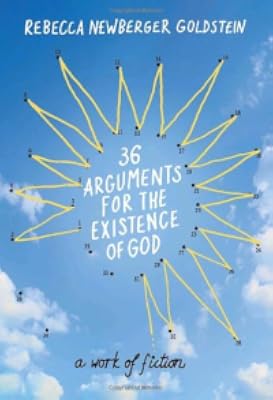
36 Arguments for the Existence of God: A Work of Fiction
by Rebecca Goldstein
On This Page
Description
Fiction. Literature. Humor (Fiction.) HTML:From the author of The Mind-Body Problem: a witty and intoxicating novel of ideas that plunges into the great debate between faith and reason.At the center is Cass Seltzer, a professor of psychology whose book, The Varieties of Religious Illusion, has become a surprise best seller. Dubbed “the atheist with a soul,” he wins over the stunning Lucinda Mandelbaum—“the goddess of game theory.” But he is haunted by reminders of two people show more who ignited his passion to understand religion: his teacher Jonas Elijah Klapper, a renowned literary scholar with a suspicious obsession with messianism, and an angelic six-year-old mathematical genius, heir to the leadership of an exotic Hasidic sect.
Hilarious, heartbreaking, and intellectually captivating, 36 Arguments explores the rapture and torments of religious experience in all its variety. show less
Tags
Recommendations



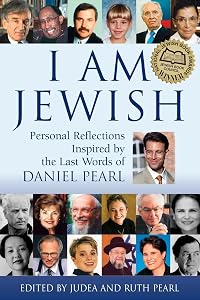
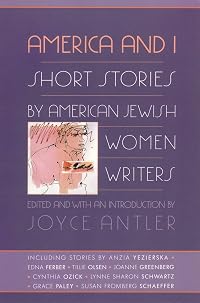
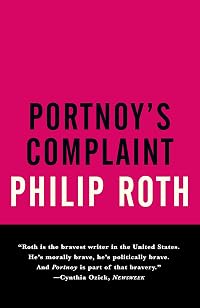

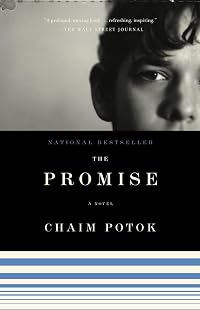



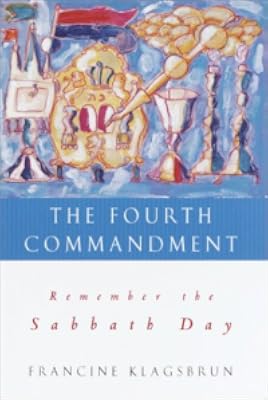

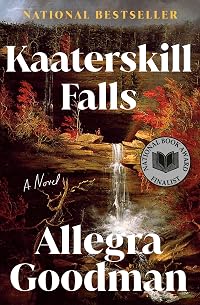
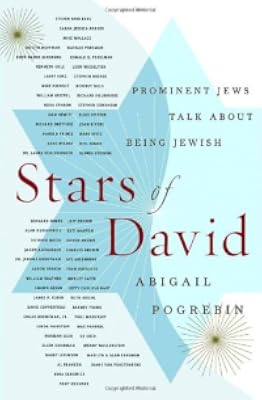


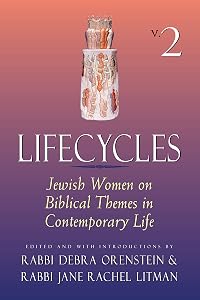

Member Recommendations


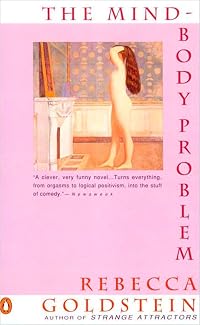
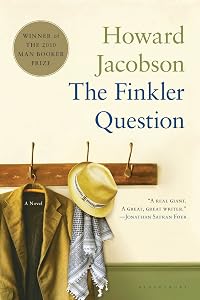
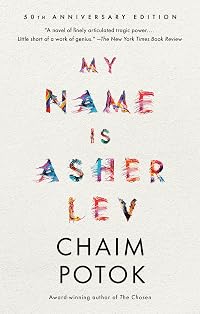
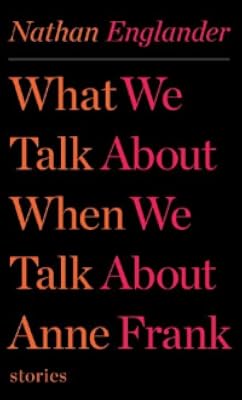
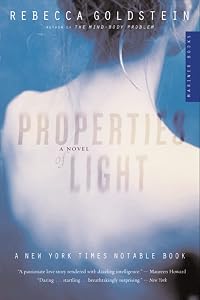
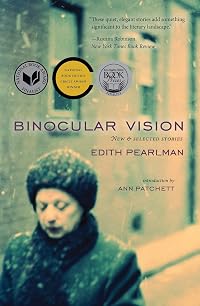
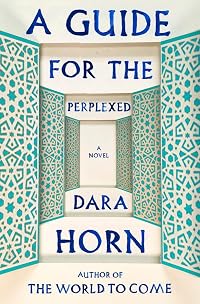
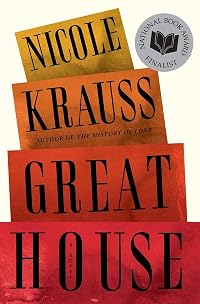
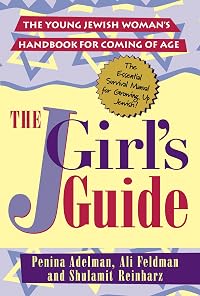
akblanchard In both novels, collegiate intellectuals wander through the minefields of spirituality and relationships.
Member Reviews
I first encountered the writing of Rebecca Goldstein when I read her novel, The Mind-Body Problem. It is an informed, witty and very humorous look into the relationship of two academics and their grappling with that famous philosophical issue among other things. Having enjoyed that book enough to recommend it to others I looked forward to reading her latest novel, 36 Arguments for the Existence of God. I was not disappointed. It reminds me that I have missed most of her writing in the interim, which includes other fiction, as well as biographical works about Gödel and Spinoza.
Her latest, however, is a big, ambitious novel that is nominally about God, although it unfolds on an extremely earthly plane. Overcomplicated yet dazzling, show more sparked by frequent flashes of nonchalant brilliance, 36 Arguments for the Existence of God affirms Ms. Goldstein’s rare ability to explore the quotidian and the cosmological with equal ease. The main character, Cass Seltzer, has written a book called "The Varieties of Religious Illusion" (see William James and Sigmund Freud) which has, surprisingly to the author, become a best-seller. Nobody in Ms. Goldstein’s novel thinks much of Cass’s book, Cass included. But it has become enormously popular thanks to the book’s appendix, which is called “36 Arguments for the Existence of God.” That appendix is also included as an appendix to Ms. Goldstein’s novel. And it offers a coherent refutation of each one of the 36 arguments that are listed. Cass became a celebrity because he made the case for atheism so well.
The rest of Ms. Goldstein’s book, the fictitious part, is divided into 36 chapters. Each chapter is titled with a fictitious argument mirroring the 36 in Cass's own book; titles like "The Argument from Lucinda" (his enamored beauty and current girl friend) or "The Argument from Strange Laughter". The chapter titles remind me of epigraphs in that they both suggest and connect to plot moments covered by the chapter. The main thread of the book is the argument for and against belief in the existence of God, The climax of which occurs almost by accident. Cass almost forgets that he will be debating the existence of God with a Nobel Laureate at Harvard, but remembers this commitment only the night before the debate. It is held in "the beautiful nave of the church" at Harvard and sponsored by the "Agnostic Chaplaincy"! I was impressed with the dream-like setting of the debate and the moment when the argument that "lack of a higher authority" would mean that "it all dissolves into moral chaos and ethical relativism. . ."(p 315). This reminded me of Ivan's argument in The Brothers Karamazov.
Since the debate constitutes one of this book’s big dramatic moments and is so hastily introduced, it’s not surprising to find smaller plot points being treated in equally haphazard ways. On the other hand, give Ms. Goldstein a philosophical case to make about potato kugel, Jewish cuisine and Kabbalistic numerology, and she really does soar. Some of the humor in the book comes at the expense of academia with Cass considering an offer from Harvard as a result of his book after long being stuck in the backwater of Frankfurter University. Overall, despite a bit of excess complexity, this was an entertaining novel of ideas leavened by sophisticated humor. show less
Her latest, however, is a big, ambitious novel that is nominally about God, although it unfolds on an extremely earthly plane. Overcomplicated yet dazzling, show more sparked by frequent flashes of nonchalant brilliance, 36 Arguments for the Existence of God affirms Ms. Goldstein’s rare ability to explore the quotidian and the cosmological with equal ease. The main character, Cass Seltzer, has written a book called "The Varieties of Religious Illusion" (see William James and Sigmund Freud) which has, surprisingly to the author, become a best-seller. Nobody in Ms. Goldstein’s novel thinks much of Cass’s book, Cass included. But it has become enormously popular thanks to the book’s appendix, which is called “36 Arguments for the Existence of God.” That appendix is also included as an appendix to Ms. Goldstein’s novel. And it offers a coherent refutation of each one of the 36 arguments that are listed. Cass became a celebrity because he made the case for atheism so well.
The rest of Ms. Goldstein’s book, the fictitious part, is divided into 36 chapters. Each chapter is titled with a fictitious argument mirroring the 36 in Cass's own book; titles like "The Argument from Lucinda" (his enamored beauty and current girl friend) or "The Argument from Strange Laughter". The chapter titles remind me of epigraphs in that they both suggest and connect to plot moments covered by the chapter. The main thread of the book is the argument for and against belief in the existence of God, The climax of which occurs almost by accident. Cass almost forgets that he will be debating the existence of God with a Nobel Laureate at Harvard, but remembers this commitment only the night before the debate. It is held in "the beautiful nave of the church" at Harvard and sponsored by the "Agnostic Chaplaincy"! I was impressed with the dream-like setting of the debate and the moment when the argument that "lack of a higher authority" would mean that "it all dissolves into moral chaos and ethical relativism. . ."(p 315). This reminded me of Ivan's argument in The Brothers Karamazov.
Since the debate constitutes one of this book’s big dramatic moments and is so hastily introduced, it’s not surprising to find smaller plot points being treated in equally haphazard ways. On the other hand, give Ms. Goldstein a philosophical case to make about potato kugel, Jewish cuisine and Kabbalistic numerology, and she really does soar. Some of the humor in the book comes at the expense of academia with Cass considering an offer from Harvard as a result of his book after long being stuck in the backwater of Frankfurter University. Overall, despite a bit of excess complexity, this was an entertaining novel of ideas leavened by sophisticated humor. show less
Even though I’m a person of faith, and even though I didn’t like every aspect of this book, I am really glad I read it. It has some great writing in it, especially the lyrical first chapter. What I didn’t like about it was that the characters were not well-developed, especially the women. They were either caricatures (Pascale, Lucinda) or mouthpieces for philosophical points (Roz). It was disappointing that the main character, Cass, the “atheist with a soul” didn’t turn out to be all that interesting. A reviewer for Amazon called Cass a “milquetoast” and I concur. I also didn’t find Azarya, the Hasidic genius, torn between his duty as the Rebbe’s son and his quest for knowledge, quite as endearing as the author did. show more My understanding is that this novel is a roman à clef, but I'm so out of the loop, I don't know who the characters are supposed to be.
The characters of this novel of academia live in a bubble where everyone is Jewish but there truly is no God (one issue the book did not touch upon,but I wish it had: if there truly is no God, what is the point of identifying with Judaism in any way at all?). These intellectuals are every bit as cut off from the modern world as the book's Hasidim in their isolated, transplanted shetl. I also think that the main character’s mostly-absent love interest, Lucinda Mandelbaum, is a a stand-in for (what some would see as)the cruel, jealous, arbitrary God of the Old Testament (so God does actually exist, and Her name is Lucinda Mandelbaum!). Despite its flaws, it is a book that makes you think, but perhaps not as the author intended. show less
The characters of this novel of academia live in a bubble where everyone is Jewish but there truly is no God (one issue the book did not touch upon,but I wish it had: if there truly is no God, what is the point of identifying with Judaism in any way at all?). These intellectuals are every bit as cut off from the modern world as the book's Hasidim in their isolated, transplanted shetl. I also think that the main character’s mostly-absent love interest, Lucinda Mandelbaum, is a a stand-in for (what some would see as)the cruel, jealous, arbitrary God of the Old Testament (so God does actually exist, and Her name is Lucinda Mandelbaum!). Despite its flaws, it is a book that makes you think, but perhaps not as the author intended. show less
I began reading 36 Arguments without much hope of enjoying it. Of course, the same dread filled me as I purchased it since I am often lured by the marriage of fiction with philosophy, though the marriage almost always end up a Sophie's World sort of debacle. Yet, pulled to such book I always am. Another reason I began this book without much hope of enjoying it is that I read some reviews on this site & others like it. The reviews made it sound as the book was filled with "heavy" stuff that required more than the usual amount of concentration allotted novel reading to wend ones way through. I have failed to find anything that has taxed my brain, in fact, I find myself smiling, even grinning an awful lot. The term “pretentious” was show more lobbed about quite freely in some reviewa. As for that charge, the book is far too slyly good-natured to be anything like pretentious. Yes, the characters engage in philosophic, religious, and mathematic debate, but given the fact the most of the characters are part of academia, it would be odd for them not to discuss these things. I am happy to report that I am more the pleasantly surprised with the book as a whole.
The book’s plot follows the intellectual odyssey of Cass Seltzer, an atheist psychologist who has recently published a book in entitled The Illusions of Religious Experiences. The book has made him the newest celebrity of the intelligentsia, a role with which he is not entirely comfortable. Nor is he so sure of the tag with which the media has stuck him, “the atheist with a soul,” but then again when one is an non-believer who counts a Gerard Manley Hopkins poem as ones second favorite poem, one is liable to get stuck with an ironic nickname or two. For all his success, Cass has stayed
humble; considering he is romantically involved with the self-promoting, fanging “Goddess of Game Theory” who routinely lets him know he is intellectually small potatoes compared to her, he has had some help in this regard.
As Cass comes to terms with his new role as a star of the academic firmament, he reviews his past; his upbringing as the child of a woman who has fled her Hassidic upbringing, his friendship with an angelic Hassidic child with a gift for math, his short career as the protégé of a academic guru (one who bears more than a slight resemblance to Harold Bloom), his marriage to a French poet, and his love affair with an earthy anthropologist. One thing becomes remarkably clear as the story progresses; Cass has a near perfect track record for worshipping the perfectly loathsome. Sweet Cass is naïve and then some. It is his good fortune that his affability has drawn some good sorts to him as well.
The characters are all wonderfully drawn, it is hard not to adore Cass and his friend Roz. The philosophic and religious themes intriguing and well leavened with humor and gentle irony. It is also the sort of book that makes one want to find out more about other things; Hasidim, game theory…..
For the most part this book reads like a bottle of vinho verde, crisp with just enough effervescence to give it a bit of sparkle, but not seem clever, that is, clever in the worst sense of the word.
The book just got better and better as I read. Before I was even done, I had recommended it to at least five people. show less
The book’s plot follows the intellectual odyssey of Cass Seltzer, an atheist psychologist who has recently published a book in entitled The Illusions of Religious Experiences. The book has made him the newest celebrity of the intelligentsia, a role with which he is not entirely comfortable. Nor is he so sure of the tag with which the media has stuck him, “the atheist with a soul,” but then again when one is an non-believer who counts a Gerard Manley Hopkins poem as ones second favorite poem, one is liable to get stuck with an ironic nickname or two. For all his success, Cass has stayed
humble; considering he is romantically involved with the self-promoting, fanging “Goddess of Game Theory” who routinely lets him know he is intellectually small potatoes compared to her, he has had some help in this regard.
As Cass comes to terms with his new role as a star of the academic firmament, he reviews his past; his upbringing as the child of a woman who has fled her Hassidic upbringing, his friendship with an angelic Hassidic child with a gift for math, his short career as the protégé of a academic guru (one who bears more than a slight resemblance to Harold Bloom), his marriage to a French poet, and his love affair with an earthy anthropologist. One thing becomes remarkably clear as the story progresses; Cass has a near perfect track record for worshipping the perfectly loathsome. Sweet Cass is naïve and then some. It is his good fortune that his affability has drawn some good sorts to him as well.
The characters are all wonderfully drawn, it is hard not to adore Cass and his friend Roz. The philosophic and religious themes intriguing and well leavened with humor and gentle irony. It is also the sort of book that makes one want to find out more about other things; Hasidim, game theory…..
For the most part this book reads like a bottle of vinho verde, crisp with just enough effervescence to give it a bit of sparkle, but not seem clever, that is, clever in the worst sense of the word.
The book just got better and better as I read. Before I was even done, I had recommended it to at least five people. show less
This is a real thinky book, kind of like [b:Sophie's World|10959|Sophie's World (Paperback)|Jostein Gaarder|http://ecx.images-amazon.com/images/I/21A6T5PH7YL._SL75_.jpg|4432325] but focusing on religion (and almost exclusively Judeo-Christian religion). The main character is a professor of psychology named Cass Seltzer. He's a nice guy who's just written a book called The Varieties of Religious Illusion (yes, there are a lot of William James references). Cass's book includes an appendix that lists out the 36 big arguments for the existence of God and then lists the flaws in each argument. Cass is now a famous atheist because of the success of the book, and we get to follow him around as he deals with his success, very often jumping way show more back in Cass's life to see how he got where he is. (Hint: he doesn't seem like a stereotypical atheist at all.)
In order to enjoy this book I had to learn to do one thing: every time Cass's mentor Jonas Elijah Klapper started talking I would skim. Yes, folks, that is the secret to enjoying this book. Cass may revere Klapper, but it's obvious that Klapper is an insane blowhard and his crazy complicated rants should not be read closely. If you try to understand what he's saying, you may end up throwing the book across the room. So don't. The book stands up without knowing what the hell Klapper is talking about, I think because he is not actually saying anything meaningful. And that may be the point.
Focus instead of some great characters: Azarya, Roz, and Cass himself. Azaraya is a mathematical genius who also happens to have the future of a rare Hasidic Jewish sect resting on this shoulders. Roz is a boisterous anthropologist who bounces in and out of Cass's life. Cass is so smart and yet really dumb about women. These three are the heart of the novel and you'll rush past the annoying characters (Klapper, Lucinda, Pascale) to read more about them.
This book is not for everyone, but if you like to laugh at academia and its ridiculousness, and are interested in the varieties of religious experience, then go for it. If you want to skip the novel and just read the appendix, do it. But I'd also find the chapters with the Harvard Agnostic Chaplaincy debate between Cass and Felix Findley and read it too. More than a debate about the existence of God, it's a defense of atheism, and even sort of makes you think that atheists like Cass can be filled with a sense of purpose, morality, and faith that is perhaps more meaningful than simply believing in God. show less
In order to enjoy this book I had to learn to do one thing: every time Cass's mentor Jonas Elijah Klapper started talking I would skim. Yes, folks, that is the secret to enjoying this book. Cass may revere Klapper, but it's obvious that Klapper is an insane blowhard and his crazy complicated rants should not be read closely. If you try to understand what he's saying, you may end up throwing the book across the room. So don't. The book stands up without knowing what the hell Klapper is talking about, I think because he is not actually saying anything meaningful. And that may be the point.
Focus instead of some great characters: Azarya, Roz, and Cass himself. Azaraya is a mathematical genius who also happens to have the future of a rare Hasidic Jewish sect resting on this shoulders. Roz is a boisterous anthropologist who bounces in and out of Cass's life. Cass is so smart and yet really dumb about women. These three are the heart of the novel and you'll rush past the annoying characters (Klapper, Lucinda, Pascale) to read more about them.
This book is not for everyone, but if you like to laugh at academia and its ridiculousness, and are interested in the varieties of religious experience, then go for it. If you want to skip the novel and just read the appendix, do it. But I'd also find the chapters with the Harvard Agnostic Chaplaincy debate between Cass and Felix Findley and read it too. More than a debate about the existence of God, it's a defense of atheism, and even sort of makes you think that atheists like Cass can be filled with a sense of purpose, morality, and faith that is perhaps more meaningful than simply believing in God. show less
I began reading 36 Arguments without much hope of enjoying it. Of course, the same dread filled me as I purchased it since I am often lured by the marriage of fiction with philosophy, though the marriage almost always end up a Sophie's World sort of debacle. Yet, pulled to such book I always am. Another reason I began this book without much hope of enjoying it is that I read some reviews on this site & others like it. The reviews made it sound as the book was filled with "heavy" stuff that required more than the usual amount of concentration allotted novel reading to wend ones way through. I have failed to find anything that has taxed my brain, in fact, I find myself smiling, even grinning an awful lot. The term “pretentious” was show more lobbed about quite freely in some reviewa. As for that charge, the book is far too slyly good-natured to be anything like pretentious. Yes, the characters engage in philosophic, religious, and mathematic debate, but given the fact the most of the characters are part of academia, it would be odd for them not to discuss these things. I am happy to report that I am more the pleasantly surprised with the book as a whole.
The book’s plot follows the intellectual odyssey of Cass Seltzer, an atheist psychologist who has recently published a book in entitled The Illusions of Religious Experiences. The book has made him the newest celebrity of the intelligentsia, a role with which he is not entirely comfortable. Nor is he so sure of the tag with which the media has stuck him, “the atheist with a soul,” but then again when one is an non-believer who counts a Gerard Manley Hopkins poem as ones second favorite poem, one is liable to get stuck with an ironic nickname or two. For all his success, Cass has stayed
humble; considering he is romantically involved with the self-promoting, fanging “Goddess of Game Theory” who routinely lets him know he is intellectually small potatoes compared to her, he has had some help in this regard.
As Cass comes to terms with his new role as a star of the academic firmament, he reviews his past; his upbringing as the child of a woman who has fled her Hassidic upbringing, his friendship with an angelic Hassidic child with a gift for math, his short career as the protégé of a academic guru (one who bears more than a slight resemblance to Harold Bloom), his marriage to a French poet, and his love affair with an earthy anthropologist. One thing becomes remarkably clear as the story progresses; Cass has a near perfect track record for worshipping the perfectly loathsome. Sweet Cass is naïve and then some. It is his good fortune that his affability has drawn some good sorts to him as well.
The characters are all wonderfully drawn, it is hard not to adore Cass and his friend Roz. The philosophic and religious themes intriguing and well leavened with humor and gentle irony. It is also the sort of book that makes one want to find out more about other things; Hasidim, game theory…..
For the most part this book reads like a bottle of vinho verde, crisp with just enough effervescence to give it a bit of sparkle, but not seem clever, that is, clever in the worst sense of the word.
The book just got better and better as I read. Before I was even done, I had recommended it to at least five people. show less
The book’s plot follows the intellectual odyssey of Cass Seltzer, an atheist psychologist who has recently published a book in entitled The Illusions of Religious Experiences. The book has made him the newest celebrity of the intelligentsia, a role with which he is not entirely comfortable. Nor is he so sure of the tag with which the media has stuck him, “the atheist with a soul,” but then again when one is an non-believer who counts a Gerard Manley Hopkins poem as ones second favorite poem, one is liable to get stuck with an ironic nickname or two. For all his success, Cass has stayed
humble; considering he is romantically involved with the self-promoting, fanging “Goddess of Game Theory” who routinely lets him know he is intellectually small potatoes compared to her, he has had some help in this regard.
As Cass comes to terms with his new role as a star of the academic firmament, he reviews his past; his upbringing as the child of a woman who has fled her Hassidic upbringing, his friendship with an angelic Hassidic child with a gift for math, his short career as the protégé of a academic guru (one who bears more than a slight resemblance to Harold Bloom), his marriage to a French poet, and his love affair with an earthy anthropologist. One thing becomes remarkably clear as the story progresses; Cass has a near perfect track record for worshipping the perfectly loathsome. Sweet Cass is naïve and then some. It is his good fortune that his affability has drawn some good sorts to him as well.
The characters are all wonderfully drawn, it is hard not to adore Cass and his friend Roz. The philosophic and religious themes intriguing and well leavened with humor and gentle irony. It is also the sort of book that makes one want to find out more about other things; Hasidim, game theory…..
For the most part this book reads like a bottle of vinho verde, crisp with just enough effervescence to give it a bit of sparkle, but not seem clever, that is, clever in the worst sense of the word.
The book just got better and better as I read. Before I was even done, I had recommended it to at least five people. show less
I began reading 36 Arguments without much hope of enjoying it. Of course, the same dread filled me as I purchased it since I am often lured by the marriage of fiction with philosophy, though the marriage almost always end up a Sophie's World sort of debacle. Yet, pulled to such book I always am. Another reason I began this book without much hope of enjoying it is that I read some reviews on this site & others like it. The reviews made it sound as the book was filled with "heavy" stuff that required more than the usual amount of concentration allotted novel reading to wend ones way through. I have failed to find anything that has taxed my brain, in fact, I find myself smiling, even grinning an awful lot. The term “pretentious” was show more lobbed about quite freely in some reviewa. As for that charge, the book is far too slyly good-natured to be anything like pretentious. Yes, the characters engage in philosophic, religious, and mathematic debate, but given the fact the most of the characters are part of academia, it would be odd for them not to discuss these things. I am happy to report that I am more the pleasantly surprised with the book as a whole.
The book’s plot follows the intellectual odyssey of Cass Seltzer, an atheist psychologist who has recently published a book in entitled The Illusions of Religious Experiences. The book has made him the newest celebrity of the intelligentsia, a role with which he is not entirely comfortable. Nor is he so sure of the tag with which the media has stuck him, “the atheist with a soul,” but then again when one is an non-believer who counts a Gerard Manley Hopkins poem as ones second favorite poem, one is liable to get stuck with an ironic nickname or two. For all his success, Cass has stayed
humble; considering he is romantically involved with the self-promoting, fanging “Goddess of Game Theory” who routinely lets him know he is intellectually small potatoes compared to her, he has had some help in this regard.
As Cass comes to terms with his new role as a star of the academic firmament, he reviews his past; his upbringing as the child of a woman who has fled her Hassidic upbringing, his friendship with an angelic Hassidic child with a gift for math, his short career as the protégé of a academic guru (one who bears more than a slight resemblance to Harold Bloom), his marriage to a French poet, and his love affair with an earthy anthropologist. One thing becomes remarkably clear as the story progresses; Cass has a near perfect track record for worshipping the perfectly loathsome. Sweet Cass is naïve and then some. It is his good fortune that his affability has drawn some good sorts to him as well.
The characters are all wonderfully drawn, it is hard not to adore Cass and his friend Roz. The philosophic and religious themes intriguing and well leavened with humor and gentle irony. It is also the sort of book that makes one want to find out more about other things; Hasidim, game theory…..
For the most part this book reads like a bottle of vinho verde, crisp with just enough effervescence to give it a bit of sparkle, but not seem clever, that is, clever in the worst sense of the word.
The book just got better and better as I read. Before I was even done, I had recommended it to at least five people. show less
The book’s plot follows the intellectual odyssey of Cass Seltzer, an atheist psychologist who has recently published a book in entitled The Illusions of Religious Experiences. The book has made him the newest celebrity of the intelligentsia, a role with which he is not entirely comfortable. Nor is he so sure of the tag with which the media has stuck him, “the atheist with a soul,” but then again when one is an non-believer who counts a Gerard Manley Hopkins poem as ones second favorite poem, one is liable to get stuck with an ironic nickname or two. For all his success, Cass has stayed
humble; considering he is romantically involved with the self-promoting, fanging “Goddess of Game Theory” who routinely lets him know he is intellectually small potatoes compared to her, he has had some help in this regard.
As Cass comes to terms with his new role as a star of the academic firmament, he reviews his past; his upbringing as the child of a woman who has fled her Hassidic upbringing, his friendship with an angelic Hassidic child with a gift for math, his short career as the protégé of a academic guru (one who bears more than a slight resemblance to Harold Bloom), his marriage to a French poet, and his love affair with an earthy anthropologist. One thing becomes remarkably clear as the story progresses; Cass has a near perfect track record for worshipping the perfectly loathsome. Sweet Cass is naïve and then some. It is his good fortune that his affability has drawn some good sorts to him as well.
The characters are all wonderfully drawn, it is hard not to adore Cass and his friend Roz. The philosophic and religious themes intriguing and well leavened with humor and gentle irony. It is also the sort of book that makes one want to find out more about other things; Hasidim, game theory…..
For the most part this book reads like a bottle of vinho verde, crisp with just enough effervescence to give it a bit of sparkle, but not seem clever, that is, clever in the worst sense of the word.
The book just got better and better as I read. Before I was even done, I had recommended it to at least five people. show less
Finally back to writing fiction after the wonderful "Properties of Light: A Novel of Love, Hate and Quantum Physics," Goldstein presents Cass Seltzer, professor of the unpopular psychology of religion at the unrenowned Franfurter University, who suddenly finds himself a celebrity. The world, unaccountably, has taken an intense interest in the psychology of religion, the science of religious experience, the New Age, and Seltzer's book, "The Varieties of Religious Illusion," has become a bestseller. Television's talking heads want to talk to him; "Time" magazine has dubbed him "the atheist with a soul." Harvard has come calling. Add to this that he's in love with his beautiful and brilliant fellow faculty member Lucinda, who loves him show more back, and we've arrived at an explication of Goldstein's first argument: "The Argument from the Improbable Self."
So she's off and rolling through her arguments via a shrewd and witty satire of faculty life, with flashbacks to Cass's student life, spent in thrall to the pompous and preposterous Jonas Elijah Klapper (dubbed "The Klap" by his then girlfriend Roz, who will reappear as "The Argument from the Irrepressible Past"). show less
So she's off and rolling through her arguments via a shrewd and witty satire of faculty life, with flashbacks to Cass's student life, spent in thrall to the pompous and preposterous Jonas Elijah Klapper (dubbed "The Klap" by his then girlfriend Roz, who will reappear as "The Argument from the Irrepressible Past"). show less
Members
- Recently Added By
Published Reviews
ThingScore 75
Goldstein’s lofty psycho-religio-philosophical subtext, or rather metatext, doesn’t gray her roman à clef about love, Jewish cultural identity and academic infighting. She sews her philosophical inquiry to the material of everyday life.
added by Shortride
The pleasures to be found in “36 Arguments for the Existence of God” are scattershot. But there are a great many of them, and this novel’s bracing intellectual energy never flags. Though it is finally more a work of showmanship than scholarship, it affirms Ms. Goldstein’s position as a satirist and a seeker of real moral questions at a time when silly ones prevail.
added by Shortride
Lists

Book Riot's 100 must-read works of Jewish Fiction
100 works; 8 members

BingoDOG - Scientists in Fiction
111 works; 17 members

Spirituality
195 works; 1 member
Author Information

15+ Works 3,751 Members
Rebecca Goldstein graduated summa cum laude from Barnard College and received her Ph.D. from Princeton University in the philosophy of science. She has taught philosophy at Barnard. She lives in Cambridge, Massachusetts. (Bowker Author Biography)
Some Editions
Awards and Honors
Awards
Distinctions
Work Relationships
Common Knowledge
- People/Characters
- Cass Seltzer; Jonas Elijah Klapper; Azarya; Roz Margolis; Lucinda Mandelbaum
- Important places
- Weedham, Massachusetts, USA; Cambridge, Massachusetts, USA; Persnippety, New Jersey, USA; New Walden, New York, USA
- Dedication
- For Danielle
Beloved skeptic and poet - First words
- Something shifted, something so immense you could call it the world.
- Last words
- (Click to show. Warning: May contain spoilers.)And the Valdener Rebbe holds his son and dances.
Classifications
Statistics
- Members
- 691
- Popularity
- 41,471
- Reviews
- 36
- Rating
- (3.59)
- Languages
- 6 — Dutch, English, French, German, Portuguese, Swedish
- Media
- Paper, Audiobook, Ebook
- ISBNs
- 14
- ASINs
- 12