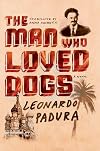
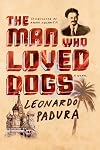
The Man Who Loved Dogs
by Leonardo Padura
On This Page
Description
"A gripping novel about the assassination of Leon Trotsky in Mexico City in 1940"--Tags
Recommendations












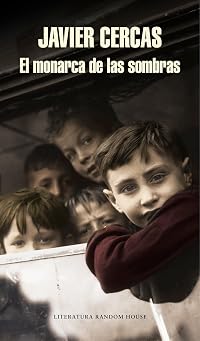
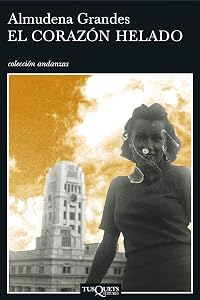
Member Recommendations

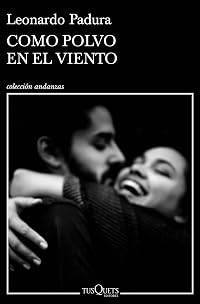
alvaropg Leonardo hace referencia a la vida de Leon Trotsky justo después de la conclusión de la narración en la autobiografía del protagonista, o segundo protagonista, de la obra. Ofrece una visión completa del pensamiento de este personaje y da un mayor sentido a la obra de Leonardo.
Member Reviews
First thing: When I read the synopsis of this book. my eyes read “Trotsky,” but my mind interpreted it as “Tolstoy,” and I remember thinking, “I never knew Tolstoy was assassinated!” But no, of course, this book’s about the convoluted machinations leading up to the murder of Leon Trotsky, a historical figure about whom I knew a name. And other than that, almost nothing. Well, that was about to change, wasn’t it?
Narrated by a troubled, down on his luck Cuban medical writer, Iván Cardenas Maturell, who just buried his wife Ana, and who was now working in a veterinary clinic in a curiously English-sounding Havana neighbourhood called Lawton, this story recounts the downfall, exile and ultimate murder of Lev Davidovitch, show more more famously known as Leon Trotsky.
Only twenty pages into this book, and having just uncovered the telling of Trotsky’s banishment to the cold steppes of Kyrgyzstan’s Alma-Ata and the subsequent exile orders that saw him travel under the unbearable cold, snow and ice of a Russian winter, I was already able to attest to this book’s brilliant writing and its wonderful visualizations. So yeah, twenty pages in and I was hooked.
There are three running narratives in this book. Two are historical biographies; one of Trotsky and the other of his murderer, Ramón Mercader. They both read a little like textbooks and some might describe certain passages as being dry but, even if that description were apt, those pages are still eminently readable and full of insightful detail. The third story is the narrator’s point of view. It recounts Iván’s backstory—his hard and difficult personal and professional life in Cuba; including his having to deal with his wife, Ana’s, death. Spinning in and around Iván’s personal woes, one finds a vivid description of Iván’s accidental but intriguing encounter, on a beach near Havana, with a Spaniard named Jaime López. The man, López, owns two Russian Borzoi wolfhounds, a rare and special breed, especially in Cuba. The man’s something of an enigma too, and, as Iván becomes increasingly curious about him, he has begun to dub López, The Man Who Loves Dogs. López, who has a chauffeur/bodyguard (which obviously means he’s got some sort of political clout) slowly reveals a few things about his life—he lived in Moscow (which is where he got the dogs), he works as a government advisor and he’s suffering from some unknown ailment which he’s convinced is killing him. These three narratives are the priniciple subsets in this expansive novel and they’re each interwoven throughout the book as the stories jump forward and backward through time.
What I also loved about the book is the eventual mystery revolving around the man who loved dogs. Who is he really? Is it the mysterious López that Iván meets just outside Havana? That enigmatic figure letting his two Borzoi wolfhounds off leash on that quiet and lonely beach? Or, is the man who loved dogs none other than Leon Trotsky himself? He, the reviled and troubled exile who, years later, still mourns the death of his own Borzoi named Maya? Perhaps the man who loved dogs is the assassin Ramón Mercader, who himself kept dogs in his younger years when he had a more stable life and when he wasn’t a fugitive travelling from country to country? Finally, might it be the narrator himself—the narrator Iván—who met his second wife, Ana, when she took her sick dog to the veterinary office where Iván worked? Which of these is the man who loved dogs? Maybe it’s all of them. Maybe a love of dogs is the curious instrument the narrator uses to demonstrate how a shared affinity somehow unites divergent individuals with violently contrasting philosophies. And maybe it’s also the instrument that sees these protagonists meld and converge (in at least one example, in a very curious fashion) to only, finally, find themselves unable to bridge all of the raw emotions. Emotions that began with different world-views and culminated in overpowering hatred and intolerance and, ultimately, murder.
This is an emotional novel. In it we also learn of the emotions that caused a revolution in Russia, that overthrew a feudal society, that supplanted it with a supposed fairer way of life, that because of other emotions (fear and paranoia) ended up creating a dystopian society where no one was above suspicion. Where no one was immune to a jail cell, or worse, a firing squad. Not the participants who helped launch the revolution, not the spy-and-dagger women and men who lived in the shadows, who assumed aliases and personas, all in the hopes of wiping out all the proletariat’s enemies, of whom even Trotsky found himself. And that is how the narrator describes Trotsky. Trotsky, one of the revolution’s key architects, now exiled, now eager to regain power, but still always afraid for his life. No one, no one in this book escapes undamaged. No one, no one is left unmarked by the deadly and unimaginable horrors that were sparked by an idea, a notion of equality and fairness. And, ultimately, a dark, dreadful and horrific reality that was so, so far removed for that utopian notion. No, nothing could save the troubled characters in this novel, and certainly not a shared love of dogs. show less
Narrated by a troubled, down on his luck Cuban medical writer, Iván Cardenas Maturell, who just buried his wife Ana, and who was now working in a veterinary clinic in a curiously English-sounding Havana neighbourhood called Lawton, this story recounts the downfall, exile and ultimate murder of Lev Davidovitch, show more more famously known as Leon Trotsky.
Only twenty pages into this book, and having just uncovered the telling of Trotsky’s banishment to the cold steppes of Kyrgyzstan’s Alma-Ata and the subsequent exile orders that saw him travel under the unbearable cold, snow and ice of a Russian winter, I was already able to attest to this book’s brilliant writing and its wonderful visualizations. So yeah, twenty pages in and I was hooked.
There are three running narratives in this book. Two are historical biographies; one of Trotsky and the other of his murderer, Ramón Mercader. They both read a little like textbooks and some might describe certain passages as being dry but, even if that description were apt, those pages are still eminently readable and full of insightful detail. The third story is the narrator’s point of view. It recounts Iván’s backstory—his hard and difficult personal and professional life in Cuba; including his having to deal with his wife, Ana’s, death. Spinning in and around Iván’s personal woes, one finds a vivid description of Iván’s accidental but intriguing encounter, on a beach near Havana, with a Spaniard named Jaime López. The man, López, owns two Russian Borzoi wolfhounds, a rare and special breed, especially in Cuba. The man’s something of an enigma too, and, as Iván becomes increasingly curious about him, he has begun to dub López, The Man Who Loves Dogs. López, who has a chauffeur/bodyguard (which obviously means he’s got some sort of political clout) slowly reveals a few things about his life—he lived in Moscow (which is where he got the dogs), he works as a government advisor and he’s suffering from some unknown ailment which he’s convinced is killing him. These three narratives are the priniciple subsets in this expansive novel and they’re each interwoven throughout the book as the stories jump forward and backward through time.
What I also loved about the book is the eventual mystery revolving around the man who loved dogs. Who is he really? Is it the mysterious López that Iván meets just outside Havana? That enigmatic figure letting his two Borzoi wolfhounds off leash on that quiet and lonely beach? Or, is the man who loved dogs none other than Leon Trotsky himself? He, the reviled and troubled exile who, years later, still mourns the death of his own Borzoi named Maya? Perhaps the man who loved dogs is the assassin Ramón Mercader, who himself kept dogs in his younger years when he had a more stable life and when he wasn’t a fugitive travelling from country to country? Finally, might it be the narrator himself—the narrator Iván—who met his second wife, Ana, when she took her sick dog to the veterinary office where Iván worked? Which of these is the man who loved dogs? Maybe it’s all of them. Maybe a love of dogs is the curious instrument the narrator uses to demonstrate how a shared affinity somehow unites divergent individuals with violently contrasting philosophies. And maybe it’s also the instrument that sees these protagonists meld and converge (in at least one example, in a very curious fashion) to only, finally, find themselves unable to bridge all of the raw emotions. Emotions that began with different world-views and culminated in overpowering hatred and intolerance and, ultimately, murder.
This is an emotional novel. In it we also learn of the emotions that caused a revolution in Russia, that overthrew a feudal society, that supplanted it with a supposed fairer way of life, that because of other emotions (fear and paranoia) ended up creating a dystopian society where no one was above suspicion. Where no one was immune to a jail cell, or worse, a firing squad. Not the participants who helped launch the revolution, not the spy-and-dagger women and men who lived in the shadows, who assumed aliases and personas, all in the hopes of wiping out all the proletariat’s enemies, of whom even Trotsky found himself. And that is how the narrator describes Trotsky. Trotsky, one of the revolution’s key architects, now exiled, now eager to regain power, but still always afraid for his life. No one, no one in this book escapes undamaged. No one, no one is left unmarked by the deadly and unimaginable horrors that were sparked by an idea, a notion of equality and fairness. And, ultimately, a dark, dreadful and horrific reality that was so, so far removed for that utopian notion. No, nothing could save the troubled characters in this novel, and certainly not a shared love of dogs. show less
Esta premiadíssima e audaciosa obra do cubano Leonardo Padura, traduzida para vários países (como Espanha, Cuba, Argentina, Portugal, França, Inglaterra e Alemanha), é e não é uma ficção. A história é narrada, no ano de 2004, pelo personagem Iván, um aspirante a escritor que atua como veterinário em Havana e, a partir de um encontro enigmático com um homem que passeava com seus cães, retoma os últimos anos da vida do revolucionário russo Leon Trotski, seu assassinato e a história de seu algoz, o catalão Ramón Mercader, voluntário das Brigadas Internacionais da Guerra Civil Espanhola e encarregado de executá-lo.Esse ser obscuro, que Iván passa a denominar 'o homem que amava os cachorros', confia a ele histórias show more sobre Mercader, um amigo bastante próximo, de quem conhece detalhes íntimos. Diante das descobertas, o narrador reconstrói a trajetória de Liev Davidovitch Bronstein, mais conhecido como Trotski, teórico russo e comandante do Exército Vermelho durante a Revolução de Outubro, exilado por Joseph Stalin após este assumir o controle do Partido Comunista e da URSS, e a de Ramón Mercader, o homem que empunhou a picareta que o matou, um personagem sem voz na história e que recebeu, como militante comunista, uma única tarefa: eliminar Trotski. São descritas sua adesão ao Partido Comunista espanhol, o treinamento em Moscou, a mudança de identidade e os artifícios para ser aceito na intimidade do líder soviético, numa série de revelações que preenchem uma história pouco conhecida e coberta, ao longo dos anos, por inúmeras mistificações.As duas trajetórias ganham sentido pleno quando Iván projeta sobre elas sua própria experiência na Cuba moderna, seu desenvolvimento intelectual e seu relacionamento com 'o homem que amava os cachorros'. A narrativa das histórias entrelaçadas dá o ritmo a uma leitura tensa, influenciada pela experiência de Padura na literatura policial, sob a sombra do final trágico que se aproxima a cada página. 'Mesmo para quem não se interessa pelos fatos históricos subjacentes à narrativa de Padura, seu romance impele o leitor a uma tensão permanente em torno dos preparativos para a realização de um crime de repercussões mundiais', afirma Frei Betto na orelha do livro.Ao narrar um dos crimes mais reveladores do século, Padura realiza uma ambiciosa e fascinante investigação sobre as contradições das utopias libertárias que moveram o século XX. Três processos mitológicos - a Revolução Espanhola, a Revolução Russa e a Revolução Cubana - são vistos com lupa neste romance, que combina perfeitamente o rigor histórico com o talento ficcional. O autor retrata os conflitos no stalinismo e a luta entre o socialismo e o fascismo, apresentando ainda uma perspectiva honesta da vida cubana nas últimas três décadas. 'Este romance é como um espelho retrovisor que permite ao leitor mirar, com olhos críticos, as contradições do socialismo e por que a morte de Trotski, decidida por Joseph Stalin, contribuiu para favorecer a queda do Muro de Berlim e o desaparecimento da União Soviética', conclui Frei Betto. show less
I'm not much of an expert of Cuban literature, so I can't offer much contextual insight on where this fits into the island's broader literary traditions other than it's not very surprising to me that a Cuban author would find some interest in the theme of the downsides of socialism. While there are the expected resonances with other works like Orwell's 1984 or Koestler's Darkness at Noon, Padura's novel deliberately aims for broader, more literary heights: it's longer, it has more characters, and it takes place not only in Cuba but much of the rest of the world as well. Additionally, and this is where for me this book really hits its mark, is that it's based on a true story: the murder of Leon Trotsky in Frida Kahlo and Diego Rivera's show more Mexico, by Ramón Mercader, an assassin who was born in Spain, trained in the Soviet Union, posed as a Belgian, and who retired to Cuba. So this will be of interest not only to fans of history, but also of anti-totalitarian literature generally and the life of Trotsky particularly. Also dog lovers, as the title amply delivers what it promises.
Trotsky was and is an interesting guy. The Soviet Union had a "complicated" relationship with its resident Jews, at the same time allowing many to rise to positions of power by relaxing many of the harsh medieval restrictions of the czarist era, and also subjecting them to ethnic suspicions and harsh purges that could be nearly as bad. Trotsky played a prominent role in the success of the Bolsheviks over other Communist factions through fairly ruthless methods, only to find himself outmaneuvered in party politics by the much more ruthless Stalin, who subjected his former colleague to an impressively subtle and malicious regime of life-ruining until he finally had Trotsky put out of his misery with an ice pick to the skull. Trotsky is primarily of interest today to most people because after he got exiled from the USSR he wrote a bunch of essays claiming that communism in his former home would have turned out much better if he and not Stalin had been in charge.
This is to say the least a somewhat questionable thesis - essentially every Communist revolution in history has had a strange tendency to devolve into awful totalitarianism, almost as if people who claim that society can be reformed only by violence have difficulty turning that urge to kill off once they're in charge. Though Stalin was unquestionably the crueler and more brutal of the two, it's exceedingly unlikely that Trotsky, who didn't show much of a soft side when he held the whip during the Revolution, the Civil War, or the war with Poland, would have become the avatar of kindness if Stalin hadn't been in the big chair. John Maynard Keynes wrote a pretty brilliant takedown of one of Trotsky's attempts to attack the British Labour Party for being mushy wimps, and despite the persistence of some Trotskyite/Trotskyist/Trotskytarian True Believers into the modern day, there's no reason to think that the depressing bureaucratic viciousness of the real USSR would have been greatly different with him at the helm.
So it's initially somewhat surprising to see Trotsky treated sympathetically, although the context makes sense as a way of highlighting how what starts as a beautiful dream to some can go so terribly wrong for so many. The narrative is split into three parallel lines. One follows Trotsky's desperate hops from country to country as Stalin's noose tightens around his neck. Another follows Ramón Mercader, a Spaniard whose revolutionary convictions were forged during his country's Civil War and who is trained by the USSR to engage in a somewhat mystifyingly complicated assassination plot. And bridging those two is the frame story of Ivan Cardenas Maturell, a writer whose dreams have been mostly abandoned in the socialist wreckage of early 90s Cuba, until he meets a man who knows a surprising amount about both the plan to assassinate Trotsky and the life of the man sent to do it.
At first what stood out to me was the pacing, which was so slow as to seem maddening. The book spends a long, long time describing Trotsky and Mercader's every movement around the globe, while Maturell's frame narrative gets much less page time. And to be fair, I would rather read about Trotsky, or his assassin, than a failed novelist slowly starving to death in modern-day Cuba. But Maturell's narrative is the one that holds the book together. His viewpoint is the one of history, trying to find out the true story of what really happened, and why he lives in the decaying ruins of the world Trotsky had worked so hard to bring forth.
Padura's book does an excellent job of showing how damaging revolution can be. There's a number of good themes to ponder. One is the destructive factionalism that seems endemic to most radicals; Spanish anarchists battle communists just as fiercely as the fascists, while Russian Bolsheviks struggle to purge heretical co-ideologues with even more vigor than they do their capitalist enemies. Another theme is the destruction of the self, as committed revolutionaries like Mercador struggle to eliminate everything normal in their lives, even their spouses and children, to dedicate themselves more fully to a movement that doesn't care about them and will happily erase them from history should the need arise.
One issue I have is that the translation can be a bit overwrought, and I have no idea if that's in the original or in Anna Kushner's rendition:
"He thought that having believed and fought for the greatest utopia ever conceived of required a necessary dose of sacrifice. He, Ramon Mercader, had been one of those dragged along by the subterranean rivers of that battle, and it wasn't worth evading responsibility or trying to blame his faults on deception and manipulation; he was one of the rotten fruits cultivated in even the best of harvests, and while it was true that others had opened the doors, he had gladly crossed the threshold of hell, convinced that a life in the shadows was necessary for a world of light."
Right: once you open the door for fruit, they float the river down to another door in front of a shadowy hellscape, especially if it's rotten. Makes sense to me!
On a fairer note, the novel overall is a good if slightly long look at how individual people dealt with Communism. I prefer Francis Spufford's Red Plenty overall for more on how it worked in practice, but this would be worth it for the Trotsky sections alone, whose thoughts were best summed up by Keynes:
"Trotsky's book must confirm us in our conviction of the uselessness, the empty-headedness of Force at the present stage of human affairs. Force would settle nothing – no more in the Class War than in the Wars of Nations or in the Wars of Religion. An understanding of the historical process, to which Trotsky is so fond of appealing, declares not for, but against, Force at this juncture of things. We lack more than usual a coherent scheme of progress, a tangible ideal. All the political parties alike have their origins in past ideas and not in new ideas – and none more conspicuously so than the Marxists. It is not necessary to debate the subtleties of what justifies a man in promoting his gospel by force; for no one has a gospel. The next move is with the head, and fists must wait." show less
Trotsky was and is an interesting guy. The Soviet Union had a "complicated" relationship with its resident Jews, at the same time allowing many to rise to positions of power by relaxing many of the harsh medieval restrictions of the czarist era, and also subjecting them to ethnic suspicions and harsh purges that could be nearly as bad. Trotsky played a prominent role in the success of the Bolsheviks over other Communist factions through fairly ruthless methods, only to find himself outmaneuvered in party politics by the much more ruthless Stalin, who subjected his former colleague to an impressively subtle and malicious regime of life-ruining until he finally had Trotsky put out of his misery with an ice pick to the skull. Trotsky is primarily of interest today to most people because after he got exiled from the USSR he wrote a bunch of essays claiming that communism in his former home would have turned out much better if he and not Stalin had been in charge.
This is to say the least a somewhat questionable thesis - essentially every Communist revolution in history has had a strange tendency to devolve into awful totalitarianism, almost as if people who claim that society can be reformed only by violence have difficulty turning that urge to kill off once they're in charge. Though Stalin was unquestionably the crueler and more brutal of the two, it's exceedingly unlikely that Trotsky, who didn't show much of a soft side when he held the whip during the Revolution, the Civil War, or the war with Poland, would have become the avatar of kindness if Stalin hadn't been in the big chair. John Maynard Keynes wrote a pretty brilliant takedown of one of Trotsky's attempts to attack the British Labour Party for being mushy wimps, and despite the persistence of some Trotskyite/Trotskyist/Trotskytarian True Believers into the modern day, there's no reason to think that the depressing bureaucratic viciousness of the real USSR would have been greatly different with him at the helm.
So it's initially somewhat surprising to see Trotsky treated sympathetically, although the context makes sense as a way of highlighting how what starts as a beautiful dream to some can go so terribly wrong for so many. The narrative is split into three parallel lines. One follows Trotsky's desperate hops from country to country as Stalin's noose tightens around his neck. Another follows Ramón Mercader, a Spaniard whose revolutionary convictions were forged during his country's Civil War and who is trained by the USSR to engage in a somewhat mystifyingly complicated assassination plot. And bridging those two is the frame story of Ivan Cardenas Maturell, a writer whose dreams have been mostly abandoned in the socialist wreckage of early 90s Cuba, until he meets a man who knows a surprising amount about both the plan to assassinate Trotsky and the life of the man sent to do it.
At first what stood out to me was the pacing, which was so slow as to seem maddening. The book spends a long, long time describing Trotsky and Mercader's every movement around the globe, while Maturell's frame narrative gets much less page time. And to be fair, I would rather read about Trotsky, or his assassin, than a failed novelist slowly starving to death in modern-day Cuba. But Maturell's narrative is the one that holds the book together. His viewpoint is the one of history, trying to find out the true story of what really happened, and why he lives in the decaying ruins of the world Trotsky had worked so hard to bring forth.
Padura's book does an excellent job of showing how damaging revolution can be. There's a number of good themes to ponder. One is the destructive factionalism that seems endemic to most radicals; Spanish anarchists battle communists just as fiercely as the fascists, while Russian Bolsheviks struggle to purge heretical co-ideologues with even more vigor than they do their capitalist enemies. Another theme is the destruction of the self, as committed revolutionaries like Mercador struggle to eliminate everything normal in their lives, even their spouses and children, to dedicate themselves more fully to a movement that doesn't care about them and will happily erase them from history should the need arise.
One issue I have is that the translation can be a bit overwrought, and I have no idea if that's in the original or in Anna Kushner's rendition:
"He thought that having believed and fought for the greatest utopia ever conceived of required a necessary dose of sacrifice. He, Ramon Mercader, had been one of those dragged along by the subterranean rivers of that battle, and it wasn't worth evading responsibility or trying to blame his faults on deception and manipulation; he was one of the rotten fruits cultivated in even the best of harvests, and while it was true that others had opened the doors, he had gladly crossed the threshold of hell, convinced that a life in the shadows was necessary for a world of light."
Right: once you open the door for fruit, they float the river down to another door in front of a shadowy hellscape, especially if it's rotten. Makes sense to me!
On a fairer note, the novel overall is a good if slightly long look at how individual people dealt with Communism. I prefer Francis Spufford's Red Plenty overall for more on how it worked in practice, but this would be worth it for the Trotsky sections alone, whose thoughts were best summed up by Keynes:
"Trotsky's book must confirm us in our conviction of the uselessness, the empty-headedness of Force at the present stage of human affairs. Force would settle nothing – no more in the Class War than in the Wars of Nations or in the Wars of Religion. An understanding of the historical process, to which Trotsky is so fond of appealing, declares not for, but against, Force at this juncture of things. We lack more than usual a coherent scheme of progress, a tangible ideal. All the political parties alike have their origins in past ideas and not in new ideas – and none more conspicuously so than the Marxists. It is not necessary to debate the subtleties of what justifies a man in promoting his gospel by force; for no one has a gospel. The next move is with the head, and fists must wait." show less
This fictionalized account of the last years of Leon Trotsky as an exile from the Soviet Union he helped to catalyze and of his historical assassin is a fascinating read. The characters are convincingly portrayed, and it is possible to empathize with them all — to a degree. The manner in which Padura presents each of the main characters as a fluidity of multiple identities does justice to literature, history, and psychology. He depicts events with graphic clarity. While whatever degree of truth (it is tempting to put quotation marks around the word) the author attains in his attributions of feelings, thoughts, or motivations to the historical figures is unknowable, the book is deeply and broadly thought-provoking.
A very dense book, full of history, obsession and intrigue. I would classify it as a book that is a cross between a spy thriller and historical fiction. Mostly, though, it is about the corruption of utopia, and the resounding effect it has had on millions of lives.
A fictional account of Stalin’s marginalization and eventual assassination of Leon Trotsky by Ramon Mercader del Rio, a Catalan revolutionary. The story moves from Spain to Paris, Moscow, Mexico and Cuba and covers a lot of history. Padura, best known as a novelist, says the story “falls somewhere between verifiable history and fiction.”
He also manages to paint a picture – as in most of his novels – of the ugliness of a repressive society. As a Cuban still residing on the island it’s pretty impressive.
He also manages to paint a picture – as in most of his novels – of the ugliness of a repressive society. As a Cuban still residing on the island it’s pretty impressive.
Simply brilliant. Padura's best work yet - a veritable chef d'oeuvre. History, politics, true events all intertwined in such a fashion as to make this book unputdownable. So much to think about - this book turns so many ideas on their heads. Recommend it to anyone who is interested in Soviet history (Lenin, Stalin, Trotsky - of course - Communism), Cuba, the Spanish Civil War, Mexico, Frida Kahlo and Diego Rivera. And the translation by Anna Kushner is phenomenal - reading this book you would never know it was translated. She is seamless and her translation feel so natural!
Members
- Recently Added By
Published Reviews
ThingScore 100
Long but without excess; philosophically charged but swiftly moving. A superb intellectual mystery.
added by Richardrobert
Padura’s novel encompasses nothing less than a history of international communism after the 1917 Revolution. The story goes from the scorched earth of Spain in the 1930s, to the political hotbed that was Mexico in the 1940s, to Moscow during the Prague Summer of 1968, to Havana from the ’70s to the near present, where we learn of Ivan’s ultimate ironic fate, leaving the reader with the show more exhilarating feeling of having just experienced three entire lives. show less
added by Richardrobert
Lists

Top Five Books of 2014
1,064 works; 398 members
Author Information

55+ Works 3,634 Members
Awards and Honors
Awards
Series
Belongs to Publisher Series
Andanzas (700)
Common Knowledge
- Canonical title
- The Man Who Loved Dogs
- Original title
- El hombre que amaba a los perros
- Original publication date
- 2009
- People/Characters*
- Iván; Liev Davidovich (Trotsky); Ramón Mercader; Caridad; Natalia Sedova
- Important places*
- La Habana, Cuba; Moscú, URSS; México; Estambul, Turquía; Noruega; Barcelona, Cataluña, España
- Important events
- Dictadura stalinista; Assassination of Leon Trotsky
- Epigraph*
- "Esto sucedió cuando sólo los muertos sonreían alegres por haber hallado al fin su reposo ..." Anna Ajmátova. Requiem
"La vida .... es más ancha que la historia" Gregorio Marañon. Historia de un resentimiento - Dedication*
- Treinta años después, todavía, para Lucía
- First words*
- Londres, 22 de agosto, 1940 (TASS).- La radio londinense comunicado hoy: "En un hospital de la Ciudad de México, murió León Trotsky de resultas de una fractura de cráneo producida en un atentado perpetrado el día anterio... (show all)r por una persona de su entorno más inmediato".
*Some information comes from Common Knowledge in other languages. Click "Edit" for more information.
Classifications
- Genres
- Fiction and Literature, General Fiction, Historical Fiction
- DDC/MDS
- 863.64 — Literature & rhetoric Spanish Literature Spanish fiction 20th Century 1945-2000
- LCC
- PQ7390 .P32 .H66 — Language and Literature French, Italian, Spanish and Portuguese literatures Spanish literature Provincial, local, colonial, etc. Spanish America
- BISAC
Statistics
- Members
- 749
- Popularity
- 37,657
- Reviews
- 27
- Rating
- (4.28)
- Languages
- 9 — Danish, English, Finnish, French, German, Greek, Italian, Portuguese (Portugal), Spanish
- Media
- Paper, Audiobook, Ebook
- ISBNs
- 38
- ASINs
- 9