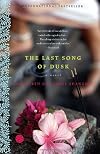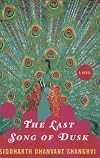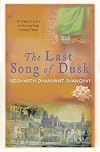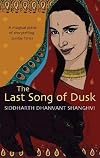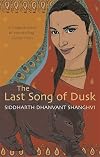
The Last Song of Dusk
by Siddharth Dhanvant Shanghvi
On This Page
Description
Set in colonial India, THE LAST SONG OF DUSK follows the fortunes of Anuradha, whose fabled beauty is such that the peacocks of Udaipur gather to bid her farewell as she journeys to meet her groom, Vardhmaan, in Bombay. Anuradha's bittersweet story intertwines with that of her cousin Nandini - a seductive orphan with a dark heart, a penchant for panthers and an extraordinary gift for painting - and with the secret history and slow-burning revenge of a house. Written in Technicolour, show more Bollywood prose, this is a magical piece of storytelling, a novel that pirouettes between laughter and heartbreak, which will appeal to all fans of Joanne Harris, Isabel Allende and Arundhati Roy. show lessTags
Recommendations
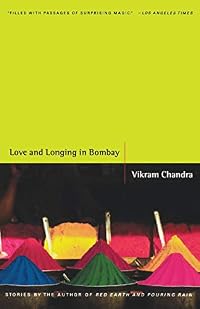
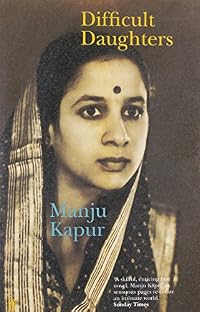
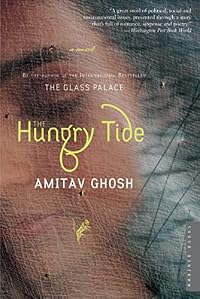
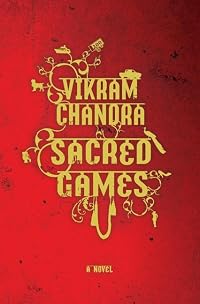


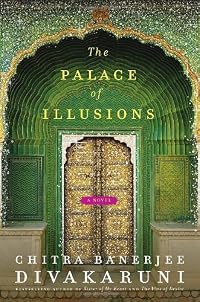
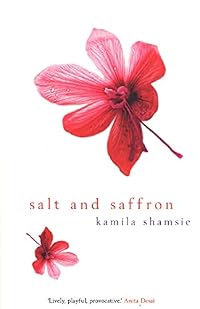
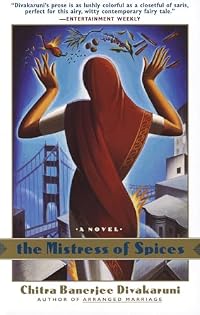
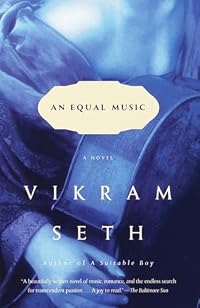

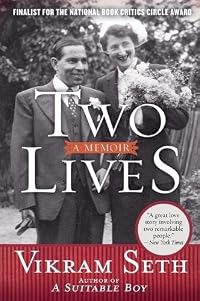
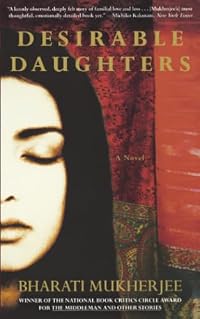

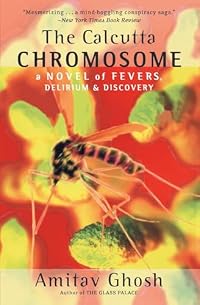
Member Recommendations

Member Reviews
"For some things there are no songs".
I confess I don't know how to rate this book - a decadent, soulful, magical realist text by a debut author who sometimes loses control of himself. Perhaps primarily I'm concerned about cultural differences. On the one hand, did I enjoy the tone in part because it was foreign to me (rather than actually being good)? On the other, were some of the elements I disliked a result of having a different literary history to the author?
Other reviewers have said everything I want to say. Simply put, this book is a lot of fun. Chronicling the marriage of two beautiful young people in 1920s India, the novel follows them through first love, tragedy, rediscovery, and many a miracle along the way. Shanghvi doesn't show more always feel the need to explain his magical elements (how can Nandini walk on water, for example?) and he's not always concerned about the gulf between fable and literature, as in some odd appearances by Gandhi and Virginia Woolf, the former a stickler for rules, the latter a bare-faced colonialist. The characters are closer to fable too, with a sense that even the worst of them is more virtuous than complicated.
The novel resonates and pulsates with the vibrancy of an era wrought in vivid colour, with some neat stabs at colonialism and the artistic world along the way. I think Shanghvi's prose may be a little ripe at times, and I found it rather exuberant for my taste, but I enjoyed the experience nevertheless. Would read another of his. show less
I confess I don't know how to rate this book - a decadent, soulful, magical realist text by a debut author who sometimes loses control of himself. Perhaps primarily I'm concerned about cultural differences. On the one hand, did I enjoy the tone in part because it was foreign to me (rather than actually being good)? On the other, were some of the elements I disliked a result of having a different literary history to the author?
Other reviewers have said everything I want to say. Simply put, this book is a lot of fun. Chronicling the marriage of two beautiful young people in 1920s India, the novel follows them through first love, tragedy, rediscovery, and many a miracle along the way. Shanghvi doesn't show more always feel the need to explain his magical elements (how can Nandini walk on water, for example?) and he's not always concerned about the gulf between fable and literature, as in some odd appearances by Gandhi and Virginia Woolf, the former a stickler for rules, the latter a bare-faced colonialist. The characters are closer to fable too, with a sense that even the worst of them is more virtuous than complicated.
The novel resonates and pulsates with the vibrancy of an era wrought in vivid colour, with some neat stabs at colonialism and the artistic world along the way. I think Shanghvi's prose may be a little ripe at times, and I found it rather exuberant for my taste, but I enjoyed the experience nevertheless. Would read another of his. show less
I picked this book up because I liked the cover and took it home because the description on the back cover suggested that it would have a magical realist feel to it. When the dazzlingly beautiful Anuradha boards a train for Bombay to marry a man she has never met, peacocks appear to serenade her.
I wasn't disappointed, since a thread of magical realism ran through a story tinged with sadness, and there was the occasional sentence that made me laugh out loud.
I wasn't disappointed, since a thread of magical realism ran through a story tinged with sadness, and there was the occasional sentence that made me laugh out loud.
A story of sadness and the beauty of sadness. Despite playful eroticism and outrageous comedy this melancholy theme is never lifted. However later we see that it is also, or mainly actually a story of the true nature of love.
I'm not rating this as I put it down for good on page 36. This was the line that did it: "Was it on the bed that she sat on him, her weasel-like loins clutching and unclutching his lovely, long, louche manhood, as though squeezing an orange for its juice?" Seriously? I could take that kind of writing if it were a joke, but, sadly, I don't think that's the case here.
I really enjoyed this book. It is the first magical realism that I have encountered outside of Isabel Allende and Gabriel Garcia Marquez that truly captured me.
Its a really a great masterpiece of Siddharth Dhanvant Shanghvi. This book is having all the iridescent color of life the grief, happiness, love. I really enjoyed this book till the last page I turned.
I'm afraid I don't really care for books about malevolent houses.
Members
- Recently Added By
Author Information

6+ Works 410 Members
Awards and Honors
Common Knowledge
- Canonical title
- The Last Song of Dusk
Classifications
Statistics
- Members
- 290
- Popularity
- 110,528
- Reviews
- 9
- Rating
- (3.59)
- Languages
- 5 — English, French, Italian, Portuguese, Spanish
- Media
- Paper, Ebook
- ISBNs
- 17
- ASINs
- 2