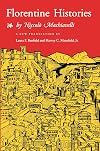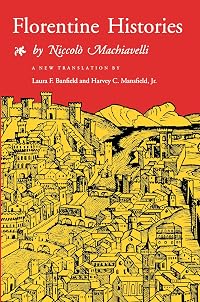
History of Florence and the Affairs of Italy from the Earliest Times to The Death of Lorenzo the Magnificent
by Niccolò Machiavelli
On This Page
Description
The description for this book, Florentine Histories, will be forthcoming.Tags
Recommendations

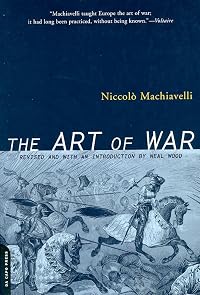
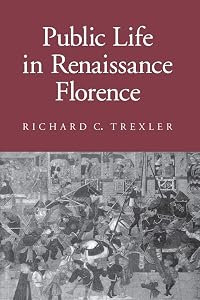

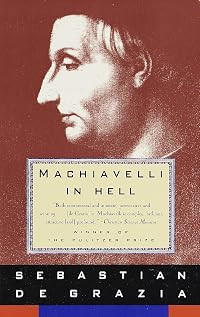













Member Reviews
För den som vill läsa om annat än konflikter mellan olika grupperingar inom Florens och Florens konflikter med andra stadsstater under renässansen finns mycket lite att hämta från denna bok. Tyvärr finns det för de flesta som är intresserade av konflikter lite och läsa också, om en inte är väl insatt om vilka de olika ledarna var under denna tid. Påve-institutionen känner så klart de flesta till och både Medici och Sforza är namn som får klockor att ringa hos de allmänbildade. Men namnen är långt fler än så och de för mycket sällan någon längre introduktion och försvinner sedan ofta lika snabbt som de kommit. När Machiavelli skrev boken kan dessa namn ha varit välkända namn för alla hos hans tilltänkta show more läsarkrets, men det är de inte längre idag. Det gör att boken känns extremt repetitiv där en konflikt avhandlas på några få sidor för att sedan följas av en annan på ytan exakt likadan konflikt och så vidare.
Visst ägnar Machiavelli lite tid till annat, bland annat några sidor där han ger personporträtt av av Cosimo de Medici och Lorenzo de Medici och några sidor av generell analys kring konspirationer mot de ledande i olika stadsstater. Men det är runt 10% om ens det av boken.
Det jag fann intressantast i boken är att Machiavelli verkar göra en implicit uppdelning mellan folket och pöbeln. Folket verkar han anse ha en politisk legitimitet som har rätt att göra uppror mot ett orättvist styre och, till skillnad vår idag bredare förståelse av begreppet, tycks han förknippa detta med borgarklassen/de rika köpmännen. Detta folk är ofta i konflikt med "stormännen" (troligen en form av adel) och Machiavelli ställer sig i de flesta fall på folkets sida mot stormännens illegitima maktanspråk.
Detta kan ställas i skarp kontrast mot Machiavellis syn på pöbeln som han enbart har invektiv för och som helt saknar all politisk legitimitet i hans framställning.
Machiavelli framstår, för moderna ögon, genom denna framställning som hycklande. Men det är talande för ett samhälle i förändring och även vilken position i samhället Machiavelli själv har. Det är den framväxande borgarklassens rop efter politiskt inflytande som här kommer till uttryck och som skulle få sitt fullständiga uttryck genom den franska revolutionen 300 år senare.
En bok att skippa för som vill ha en övergripande historia om Florens eller Italien under renässansen och även en bok att skippa för den som är ute efter mer politiska strategier och analyser a la Fursten. Däremot kan det vara en bok värd att läsa för den som är väl insatt i de konfliktfyllda, italienska renässansen som vill få en nästan samtida skildring av dessa konflikter. show less
Visst ägnar Machiavelli lite tid till annat, bland annat några sidor där han ger personporträtt av av Cosimo de Medici och Lorenzo de Medici och några sidor av generell analys kring konspirationer mot de ledande i olika stadsstater. Men det är runt 10% om ens det av boken.
Det jag fann intressantast i boken är att Machiavelli verkar göra en implicit uppdelning mellan folket och pöbeln. Folket verkar han anse ha en politisk legitimitet som har rätt att göra uppror mot ett orättvist styre och, till skillnad vår idag bredare förståelse av begreppet, tycks han förknippa detta med borgarklassen/de rika köpmännen. Detta folk är ofta i konflikt med "stormännen" (troligen en form av adel) och Machiavelli ställer sig i de flesta fall på folkets sida mot stormännens illegitima maktanspråk.
Detta kan ställas i skarp kontrast mot Machiavellis syn på pöbeln som han enbart har invektiv för och som helt saknar all politisk legitimitet i hans framställning.
Machiavelli framstår, för moderna ögon, genom denna framställning som hycklande. Men det är talande för ett samhälle i förändring och även vilken position i samhället Machiavelli själv har. Det är den framväxande borgarklassens rop efter politiskt inflytande som här kommer till uttryck och som skulle få sitt fullständiga uttryck genom den franska revolutionen 300 år senare.
En bok att skippa för som vill ha en övergripande historia om Florens eller Italien under renässansen och även en bok att skippa för den som är ute efter mer politiska strategier och analyser a la Fursten. Däremot kan det vara en bok värd att läsa för den som är väl insatt i de konfliktfyllda, italienska renässansen som vill få en nästan samtida skildring av dessa konflikter. show less
The wisdom that dominates The Prince and The Discourses on Livy merely adorns this text. It is received history, reworked from earlier chronicles, with dense narrative and only brief discussions. We find here not Machiavelli the political philosopher but Machiavelli the literary stylist.
In the first half, there are several episodes of high drama: the birth of the Guelphs and Ghibellines in petty family squabbles, the defeat of the tyranny of the Duke of Athens, the Revolt of the Ciompi and the radical reforms of Michele di Lando, the rise of the Medici.
When Cosimo de' Medici begins his domination of Florentine politics, Machiavelli broadens his focus to the shifting alliances of northern Italy. A numbing series of marches and battles show more are described, at times humorously. There is a barely disguised frustration with the ineptitude of the various Italian armies, where battles were often bloodless demonstrations of horsemanship and posing.
Concerning therule of the Medici, Machiavelli treads lightly. He wrote it at the behest of Cardinal Giulio de' Medici (later made Pope Clement VII, whose lack of resolve lead to the infamous sack of Rome in 1527), and his circumspection on the political careers of Cosimo and Lorenzo was dictated by his hope of regaining the favor the family.
In short, this at times gripping and at times tedious work is redeemed by the peerless insights of one of the greatest political thinkers of all time. show less
In the first half, there are several episodes of high drama: the birth of the Guelphs and Ghibellines in petty family squabbles, the defeat of the tyranny of the Duke of Athens, the Revolt of the Ciompi and the radical reforms of Michele di Lando, the rise of the Medici.
When Cosimo de' Medici begins his domination of Florentine politics, Machiavelli broadens his focus to the shifting alliances of northern Italy. A numbing series of marches and battles show more are described, at times humorously. There is a barely disguised frustration with the ineptitude of the various Italian armies, where battles were often bloodless demonstrations of horsemanship and posing.
Concerning therule of the Medici, Machiavelli treads lightly. He wrote it at the behest of Cardinal Giulio de' Medici (later made Pope Clement VII, whose lack of resolve lead to the infamous sack of Rome in 1527), and his circumspection on the political careers of Cosimo and Lorenzo was dictated by his hope of regaining the favor the family.
In short, this at times gripping and at times tedious work is redeemed by the peerless insights of one of the greatest political thinkers of all time. show less
Probably not the greatest choice if you are looking for historical accuracy, but nonetheless interesting as another statement of Machiavelli's political thought. I read the "Istorie fiorentine" the same way I believe many others read it as well, to understand Machiavelli, not to know about the history of Florence, and taken in this way, it is a great book. The major theme of the work is the endless internal strife in Florence, but Machiavelli's analysis extends to the whole Italian peninsula and to the inability of any political power to unite it under a single government.
For someone only interested in Machiavelli's "theory", it might make sense only to read the first chapter of each of the 8 books of the work. In these chapters show more Machiavelli does not write about historical events but what he takes to be more universal features of politics and history. Machiavelli's invented speeches ascribed to historical people are fruitful as well.
What I personally found most interesting was the ending of Book II with its description of both the establishment of tyranny and its overthrow in a revolution. show less
For someone only interested in Machiavelli's "theory", it might make sense only to read the first chapter of each of the 8 books of the work. In these chapters show more Machiavelli does not write about historical events but what he takes to be more universal features of politics and history. Machiavelli's invented speeches ascribed to historical people are fruitful as well.
What I personally found most interesting was the ending of Book II with its description of both the establishment of tyranny and its overthrow in a revolution. show less
A wonderful book by a man who really knew his subject. While everyone knows of "the Prince", "the history of Florence and the affairs of Italy" is up there with Thomas More's life of Henry VII as a sign that the Renaissance had arrived, and the world who be interpreted anew. Machiavelli looks for causes, makes some small predictions, and applies an even-handed mind to the study of his own city. If you are fresh from Froissart, and gearing up for Gibbon, this a useful step for the historiographer.
1525 is the publication date.
1525 is the publication date.
M10 History and Philosophy
Note: What I have is actually the Project Gutenberg edition, NOT the one by Nabu Press (see below).
Members
- Recently Added By
Lists

Books set in Firenze (Florence, Italy)
35 works; 1 member

In Our Time books
4,934 works; 2 members

Take Four Books
130 works; 1 member
Author Information

Niccolo Machiavelli was born on May 3, 1469 in Florence, Italy. He was a political philosopher, statesman, and court advisor. Starting out as a clerk, he quickly rose in the ranks because he understood balance of power issues involved in many of his diplomatic missions. His political pursuits quickly ended after he was imprisoned by the Medici show more family. He is best known for The Prince, his guide to power attainment and cutthroat leadership. He also wrote poetry and plays, including a comedy named Mandragola. He died on June 21, 1527 at the age of 58. (Bowker Author Biography) show less
Some Editions
Series
Belongs to Publisher Series
Work Relationships
Is contained in
Has the adaptation
Common Knowledge
- Canonical title
- History of Florence and the Affairs of Italy from the Earliest Times to The Death of Lorenzo the Magnificent
- Original publication date
- 1674; 1525
- People/Characters
- Savonarola; Cosimo the Magnificent
- Important places
- Florence, Tuscany, Italy
- Important events
- the Assassination attempts on the de Medicis.; The Capture of the City by the French in 1497
- Dedication
- Dedcated to Pope Clement VII
Classifications
Statistics
- Members
- 544
- Popularity
- 54,787
- Reviews
- 9
- Rating
- (4.07)
- Languages
- 9 — Chinese, Czech, English, German, Italian, Polish, Portuguese, Spanish, Swedish
- Media
- Paper, Ebook
- ISBNs
- 58
- ASINs
- 23