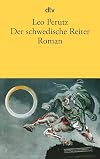
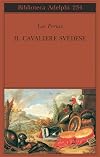
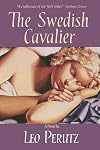
The Swedish Cavalier
by Leo Perutz
On This Page
Description
A thief and a nobleman, both down on their luck, cross paths on a bitter winter's day in 1701. One, known locally as "The Fowl-Filcher," is fleeing the gallows; the other, the callow Christian von Tornefeld, has escaped execution to fight for his Swedish king. Neither will reach his destination. Sent with a message to secure aid for von Tornefeld, the thief falls in love with his companion's secret fiancée. He resolves to win her love for himself, and through a clever stratagem, exchanges show more his fate for the other man's. Risking everything to attain the woman and station of his dreams, he becomes the Swedish cavalier, staying one step ahead of exposure. Later, he sacrifices everything so that is daughter won't learn of his secret past. In this book he considered is masterpiece, Leo Perutz has created a picaresque world of barons and brigands, swashbuckling dragoons and spurned lovers, gentleman farmers and masked robbers, and lucky parchments, magic spells, and mystical visions. Part adventure, part historical novel of war-ravaged Europe, The Sweddish Cavalier is also a moral tale of deceit, betrayal, and redemption. Skyhorse Publishing, as well as our Arcade, Yucca, and Good Books imprints, are proud to publish a broad range of books for readers interested in fiction--novels, novellas, political and medical thrillers, comedy, satire, historical fiction, romance, erotic and love stories, mystery, classic literature, folklore and mythology, literary classics including Shakespeare, Dumas, Wilde, Cather, and much more. While not every title we publish becomes a New York Times bestseller or a national bestseller, we are committed to books on subjects that are sometimes overlooked and to authors whose work might not otherwise find a home. show lessTags
Recommendations
































Member Reviews
This is a seemingly straightforward tale of switched identities. A world-weary thief and a spoiled nobleman are on the run together – they exchange places. The thief is in love with nobleman’s cousin and takes his identity in order to marry her, but his past catches up with him. The prose is simple and effective and the plot clips rapidly along, nicely dwelling on some episodes, then moving forward some months or years. Though it’s a historical novel, there’s no wallowing in sumptuous detail (not knocking wallowing) - not some thousand page thing. But the atmosphere is very memorable.
The novel is historical fiction – the forward presents it as a true story, describing an odd episode of the Swedish cavalier who seemed to be in show more two places at once. The denouement is given in this first section and it certainly becomes obvious how it was accomplished soon on, but all the details, the years, the emotions that go into the finale only become clear on reading the whole book.
The other oddness is of a metaphysical sort. It’s never as explicit, as, say, the supernatural in By Night Under the Stone Bridge, but good and evil perhaps personified by the hellish miller, who recruits people to work in the bishop’s mines, and the angels of the thief’s dream or delusion. Even this is not clear cut - the dreams seem self-justifying and the miller’s deal can be a refuge or one of those turn your life around experiences. Of course the thief is caught between these two poles – between his former identify and his new one, between lawlessness and a lawful life. Which is the real Swedish cavalier – and who is the better one? Both good and bad in those who take on that role. Shifting identities clearly seen in the thief’s progression and repeated encounters - also he is never given a name. There’s also a question of whether the end was fated to happen. Several implications that it was preordained appear in the book. Also, while the actual events of the end are quite clear, the meaning is ambivalent. Is it satisfactory or cruel? Appropriate or ironic? There is certainly a symmetry and link to the beginning. A short and seemingly simple book, but quite interesting and well-done. show less
The novel is historical fiction – the forward presents it as a true story, describing an odd episode of the Swedish cavalier who seemed to be in show more two places at once. The denouement is given in this first section and it certainly becomes obvious how it was accomplished soon on, but all the details, the years, the emotions that go into the finale only become clear on reading the whole book.
The other oddness is of a metaphysical sort. It’s never as explicit, as, say, the supernatural in By Night Under the Stone Bridge, but good and evil perhaps personified by the hellish miller, who recruits people to work in the bishop’s mines, and the angels of the thief’s dream or delusion. Even this is not clear cut - the dreams seem self-justifying and the miller’s deal can be a refuge or one of those turn your life around experiences. Of course the thief is caught between these two poles – between his former identify and his new one, between lawlessness and a lawful life. Which is the real Swedish cavalier – and who is the better one? Both good and bad in those who take on that role. Shifting identities clearly seen in the thief’s progression and repeated encounters - also he is never given a name. There’s also a question of whether the end was fated to happen. Several implications that it was preordained appear in the book. Also, while the actual events of the end are quite clear, the meaning is ambivalent. Is it satisfactory or cruel? Appropriate or ironic? There is certainly a symmetry and link to the beginning. A short and seemingly simple book, but quite interesting and well-done. show less
C’est au cours de mes errements sur internet que j’ai découvert cet auteur autrichien qui m’était jusqu’alors parfaitement inconnu. Découvert sur les étagères d’une brocante peu avant Noël, j’en ai entamé la lecture presque aussitôt, curieuse de découvrir un roman qui m’avait alléchée.
Le Cavalier suédois ne correspond pas du tout à ce à quoi je m’attendais. La petite touche de fantastique, le côté cape et épée assumé, tout cela je ne m’y attendais pas. Je pensais trouver un livre sérieux, apprendre quelque chose ou bien être amenée à réfléchir à je ne sais quelle question profonde. Rien de tout cela. Le Cavalier suédois est un simple livre de divertissement. Mais quel divertissement ! Une show more histoire extrêmement bien menée, où le fantastique est si bien traité que l’on se demande si c’est réalité ou rêve, des rebondissements qui ne sont pas d’une grande originalité, mais justement qui s’insèrent bien dans le récit et lui donnent un bon rythme.
En définitive, une lecture de divertissement qui ne prend pas les lecteurs pour des imbéciles, et donc un très bon moment de lecture-détente. C’est une belle découverte que ce roman et un auteur dont il faudra que je continue à explorer l’œuvre, qui a l’air diverse et qui promet d’être de belle qualité. show less
Le Cavalier suédois ne correspond pas du tout à ce à quoi je m’attendais. La petite touche de fantastique, le côté cape et épée assumé, tout cela je ne m’y attendais pas. Je pensais trouver un livre sérieux, apprendre quelque chose ou bien être amenée à réfléchir à je ne sais quelle question profonde. Rien de tout cela. Le Cavalier suédois est un simple livre de divertissement. Mais quel divertissement ! Une show more histoire extrêmement bien menée, où le fantastique est si bien traité que l’on se demande si c’est réalité ou rêve, des rebondissements qui ne sont pas d’une grande originalité, mais justement qui s’insèrent bien dans le récit et lui donnent un bon rythme.
En définitive, une lecture de divertissement qui ne prend pas les lecteurs pour des imbéciles, et donc un très bon moment de lecture-détente. C’est une belle découverte que ce roman et un auteur dont il faudra que je continue à explorer l’œuvre, qui a l’air diverse et qui promet d’être de belle qualité. show less
May 5, 2015French
1
Le roman commence par l’introduction d’un personnage “Maria Christine, née von Tornfeld, veuve von Rantzau et épouse en secondes noces de Reinhold Michael von Blohme, conseiller d’État à la cour de Danemark et ambassadeur extraordinaire”. Cette femme qui vit le jour dans les années 1700, voyagea tout autour du monde et eu une vie bien remplie dans une période très troublée.
Pourtant une chose l’a poursuivie toute sa vie, un épisode concernant son père, Christian von Tornfeld. Quand elle était très jeune, son père est parti tout à coup faire la guerre au côté du roi de Suède. Pourtant, après son départ, il venait la voir très régulièrement en cachette le soir.
Un jour, on annonce à Marie Christine la mort show more de son père au combat, trois semaines auparavant. Elle n’a jamais compris comment ce père mort soi-disant pouvait être venu l’embrasser la veille au soir.
C’est ce qu’explique tout le roman. Leo Perutz utilise la thématique rebattue de l’usurpation d’identité mais la traite brillamment à l’aide d’une construction brillante – les éléments de l’histoire s’entremêlent de manière cohérente et surtout convaincante, de personnages haut-en-couleurs dignes des meilleurs romans picaresques, d’une écriture et d’une formulation des idées et des phrases qui permet de se situer très facilement dans la période décrite.
Si vous ne l’avez pas déjà lu, je vous le conseille (rien que pour admirer la manière dont la scène finale est amenée). Il a traîné pendant des années dans ma PAL et je le regrette. show less
Pourtant une chose l’a poursuivie toute sa vie, un épisode concernant son père, Christian von Tornfeld. Quand elle était très jeune, son père est parti tout à coup faire la guerre au côté du roi de Suède. Pourtant, après son départ, il venait la voir très régulièrement en cachette le soir.
Un jour, on annonce à Marie Christine la mort show more de son père au combat, trois semaines auparavant. Elle n’a jamais compris comment ce père mort soi-disant pouvait être venu l’embrasser la veille au soir.
C’est ce qu’explique tout le roman. Leo Perutz utilise la thématique rebattue de l’usurpation d’identité mais la traite brillamment à l’aide d’une construction brillante – les éléments de l’histoire s’entremêlent de manière cohérente et surtout convaincante, de personnages haut-en-couleurs dignes des meilleurs romans picaresques, d’une écriture et d’une formulation des idées et des phrases qui permet de se situer très facilement dans la période décrite.
Si vous ne l’avez pas déjà lu, je vous le conseille (rien que pour admirer la manière dont la scène finale est amenée). Il a traîné pendant des années dans ma PAL et je le regrette. show less
Mar 6, 2013French
1
Ein historischer Roman aus der Zeit des Großen Nordischen Krieges. Ein Dieb tauscht die Identität mit einem jungen schwedischen Edelmann, übernimmt die Führung einer Räuberbande, mit der er Kirchen plündert, um das Erbe einer jungen Waise zu retten und sie zu heiraten. Er hat ein paar glückliche Jahre mit ihr und bringt den Hof erfolgreich auf Vordermann, doch die Vergangenheit holt ihn ein.
Der Protagonist hat keinen Namen, er ist erst der Dieb, dann der schwedische Reiter, zuletzt der Namenlose; man könnte sagen, er steht für alle, die sich in bewegten Zeiten mit allen verfügbaren Mitteln ein Stückchen Glück erkämpfen möchten und es nur kurz erhaschen.
Das Buch ist vor allem wundervoll geschrieben. Perutz trifft die Manier show more der Zeit hervorragend, die sich einbürgernden französischen Verben, die fremdsprachigen Einsprengsel, die Art, einander anzusprechen, alles atmet Barock. show less
Der Protagonist hat keinen Namen, er ist erst der Dieb, dann der schwedische Reiter, zuletzt der Namenlose; man könnte sagen, er steht für alle, die sich in bewegten Zeiten mit allen verfügbaren Mitteln ein Stückchen Glück erkämpfen möchten und es nur kurz erhaschen.
Das Buch ist vor allem wundervoll geschrieben. Perutz trifft die Manier show more der Zeit hervorragend, die sich einbürgernden französischen Verben, die fremdsprachigen Einsprengsel, die Art, einander anzusprechen, alles atmet Barock. show less
Aug 17, 2015German
En la Europa oriental de principios del s. XVIII, en la frontera entre Prusia y Polonia, el joven rey Carlos XII de Suecia sueña con un imperio que abarque desde el Báltico al Mar Negro - y casi lo consigue. Un joven oficial de sus tropas, desertor perseguido, toma el lugar de un asaltante de caminos para escapar dela horca. El ladrón, a su vez, toma el lugar del oficial. Y la novela es la historia de este último: la endemoniada persecución de una felicidad que se escurre, hasta la caída final, anunciada y por ello tanto más patética, cuando la muerte hace valer irónicamente sus derechos. Con la perspectiva del tiempo este relato regido por el Ángel de lo Extraño, se nos presenta hoy como uno de los logros más singulares de show more la literatura alemana de este siglo. show less
Dec 22, 2010Spanish
En la Europa oriental de principios del s. XVIII, en la frontera entre Prusia y Polonia, el joven rey Carlos XII de Suecia sueña con un imperio que abarque desde el Báltico al Negro, y casi lo consigue. Un joven oficial de sus tropas, desertor perseguido, toma el lugar de un asaltante de caminos para escapar de la horca. El ladrón, a su vez, toma del lugar del oficial. Y la novela es la historia de este último: la endemoniada persecución de una felicidad que se escurre, hasta la caída final, anunciada y por ello tanto más patética, cuando la Muerte hace valer irónicamente sus derechos.
Mar 22, 2023Spanish
Quelle jolie écriture pour cette riche histoire d'identité volée! un auteur tchèque à découvrir.
Mar 2, 2007French
Members
- Recently Added By
Author Information

39+ Works 2,229 Members
Some Editions
Awards and Honors
Awards
Series
Belongs to Publisher Series
Work Relationships
Is contained in
Common Knowledge
- Canonical title
- The Swedish Cavalier
- Original title
- Der schwedische Reiter
- Original publication date
- 1936
- People/Characters*
- Maria Christine von Tornefeld
- First words
- Foreword
Maria Christine, nee von Tornefeld, formerly von Rantzau, subsequently married to the Danish privy councillor and envoy extraordinary Reinhold Michael von Blohme, was a much-admired beauty in her youth.
They had spent the day in hiding, but now that darkness had fallen they were making their way through a sparse pine forest. - Original language
- German
*Some information comes from Common Knowledge in other languages. Click "Edit" for more information.
Classifications
- Genres
- Fiction and Literature, General Fiction, Historical Fiction
- DDC/MDS
- 833.912 — Literature & rhetoric German & related literatures German fiction 1900- 1900-1990 1900-1945
- LCC
- PT2631 .E5 .S3513 — Language and Literature German, Dutch and Scandinavian literatures German literature Individual authors or works 1860/70-1960
- BISAC
Statistics
- Members
- 312
- Popularity
- 102,627
- Reviews
- 10
- Rating
- (3.93)
- Languages
- 13 — Catalan, Dutch, English, Estonian, Finnish, French, German, Italian, Japanese, Portuguese, Romanian, Spanish, Swedish
- Media
- Paper, Ebook
- ISBNs
- 31
- ASINs
- 6