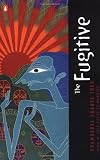
The Fugitive
by Pramoedya Ananta Toer
On This Page
Description
Indonesia under Japan's brutal occupation during WW II is the setting for this electifying novel, written in 1947 while Pramoedya was in a Dutch forced-labor camp. The hero, Raden Hardo, a young Indonesian platoon commander, leads a nationalist army revolt that is quashed when a co-conspirator leaks the plan. Disguised as an itinerant beggar, hunted by Japanese soldiers, Hardo returns to his hometown in Java. His mother is dead; his half-crazed father drowns his sorrow in compulsive show more gambling; his fiancee has moved away; and his father-in-law-to-be promptly reports his whereabouts to the Japanese. The plot, an explosive mix of love, betrayal, collaboration and revenge, is ironically heightened by the fact that the Japanese are only a day or two away from surrendering to the Allies. The prose is lyrical, musical, yet hard as shrapnel. show lessTags
Recommendations























Member Reviews
This is the first thing I’ve read by Toer. I liked it. The story is simple: a couple of nationalists who led a rebellion against the Japanese occupiers now live as hunted men, but they return to their home town disguised as beggars (though they really have reached pretty much the bottom of physical appearance and health); one is betrayed and the Japanese launch a search for him. A third man is still active with the Indonesian domestic police, working with the Japanese, and is considered a traitor by the nationalists because he failed to deliver his part of the revolt and that allowed the Japanese to more easily crush it. But, as with most things in life, events and actions are not always black and white and motivations and rationales show more depend on perspectives at all levels. Toer explores this through the action of the principal protagonist, Hardo, particularly in an extended, strange meeting with his father where Hardo gains insight into the complexity and nuance of individual motivations wrapped up in public actions, and in Hardo’s much greater degree of understanding for the actions of the man considered a traitor. A couple of characters are true to form: we just know that the local village chief will betray Hadro’s presence in the region (for which he pays a terrible price), and the Japanese that appear are brutal, but other characters, even in this short book, are more nuanced. Toer touches lightly on, but does not elaborate (the book ends with the surrender of the Japanese) the tensions within nationalist forces that will come to the fore with the defeat of the Japanese. A good tasting that encourages me to read more by Toer. show less
This is an early novel of Pramoedya’s written while he was imprisoned by the Dutch for his role in the Indonesian revolution that followed WWII. He has been compared to Camus and Steinbeck… an interesting combination.
The structure of the book follows a similar format of the Indonesian Wayang Kulit (shadow play). These stories are usually presented as mythical & morality tales. There is an educational moral to the plays that usually portray a battle between good and evil, with good always winning and evil running away only to return later.
Hardo is the fugitive disguised as a beggar with a strong desire to meet up with his fiancé. The Japanese military with the aid of their Indonesian counterparts are hunting him down. There seems to show more be no one he can trust. The environment created by the Japanese occupiers is one of political and social turmoil.
This is a story that takes place in the final 24 hours before the Japanese surrender. It is a story simply told but will linger for a long time in the reader’s conscience. Pramoedya’s descriptive writing and simple, sometimes repetitive handling of dialog is really effective in engaging the reader.
--------
Kartiman looked silently at his two superiors. "Japan is beaten! Japan has surrendered!"
A tense silence enveloped them. The three men bowed like wilted flowers, their lips not moving, their features expressionless save for their eyes, which shone brightly, like oil lamps burning beneath a full moon. The silence was pervasive; no movement interrupted the stillness. No sound was loud enough to invade their hearing. The earth at which they stared no longer existed. Emptiness was complete, a tense and silent void. No sound emanated from the passing feet overhead or from the plodding hooves of animals. A driver’s flailing whip froze in midair. Litter tossed off the bridge by passersby hung motionless in the air, unable to proceed in their realm.
Kartiman lifted his head, his chest rising and falling. He stretched his hands high into the air and released a long cry before wrapping his arms around this two friends. For a moment the three men pressed their bodies tightly together as if hoping they might join into one and their hearts become a single unit. Sound once more vanished as the three men huddled like kittens in the cold. show less
The structure of the book follows a similar format of the Indonesian Wayang Kulit (shadow play). These stories are usually presented as mythical & morality tales. There is an educational moral to the plays that usually portray a battle between good and evil, with good always winning and evil running away only to return later.
Hardo is the fugitive disguised as a beggar with a strong desire to meet up with his fiancé. The Japanese military with the aid of their Indonesian counterparts are hunting him down. There seems to show more be no one he can trust. The environment created by the Japanese occupiers is one of political and social turmoil.
This is a story that takes place in the final 24 hours before the Japanese surrender. It is a story simply told but will linger for a long time in the reader’s conscience. Pramoedya’s descriptive writing and simple, sometimes repetitive handling of dialog is really effective in engaging the reader.
--------
Kartiman looked silently at his two superiors. "Japan is beaten! Japan has surrendered!"
A tense silence enveloped them. The three men bowed like wilted flowers, their lips not moving, their features expressionless save for their eyes, which shone brightly, like oil lamps burning beneath a full moon. The silence was pervasive; no movement interrupted the stillness. No sound was loud enough to invade their hearing. The earth at which they stared no longer existed. Emptiness was complete, a tense and silent void. No sound emanated from the passing feet overhead or from the plodding hooves of animals. A driver’s flailing whip froze in midair. Litter tossed off the bridge by passersby hung motionless in the air, unable to proceed in their realm.
Kartiman lifted his head, his chest rising and falling. He stretched his hands high into the air and released a long cry before wrapping his arms around this two friends. For a moment the three men pressed their bodies tightly together as if hoping they might join into one and their hearts become a single unit. Sound once more vanished as the three men huddled like kittens in the cold. show less
This book is for a RL book group. It is set in east Java, Indonesia, at the end of WWII. The main character is an Indonesian who once worked with the Japanese, as an Indonesian soldier, but who tries to rebel against them. He and the other leaders are betrayed by one of their own, and he must go into hiding.
He returns to his home to see his family and friends, but he must keep his distance so they will not be arrested or killed by the Japanese. He lives as a beggar, and spends his time hiding. He visits his fiancee's family, though she is not there, he also visits his father. Two other rebel leaders are also there as beggars and they discuss the fate of the fourth who betrayed them.
The family members show what is important to them: show more love, family, safety, propriety. Various people act in heroic, or cowardly ways. Some lie to themselves and others. One of the betrayed also talks about justice leading to vengeance against the traitors and the collaborators. The main character takes the side of mercy with a view to human frailty and the future when they will need good military men to also free themselves from the Dutch.
The book took me about 40 pages to get into it, even though it is very short. It is translated and very simply written, but the writing flows. The setting and nature are very important and a strong part of the story. Perhaps trying to set the story as a shadow play. I became interested in the story and the characters.
The book was written in prison where the Dutch put the author, over the issue of Indonesian Independence.
Problems with the review date. Should be April 19, 2009 show less
He returns to his home to see his family and friends, but he must keep his distance so they will not be arrested or killed by the Japanese. He lives as a beggar, and spends his time hiding. He visits his fiancee's family, though she is not there, he also visits his father. Two other rebel leaders are also there as beggars and they discuss the fate of the fourth who betrayed them.
The family members show what is important to them: show more love, family, safety, propriety. Various people act in heroic, or cowardly ways. Some lie to themselves and others. One of the betrayed also talks about justice leading to vengeance against the traitors and the collaborators. The main character takes the side of mercy with a view to human frailty and the future when they will need good military men to also free themselves from the Dutch.
The book took me about 40 pages to get into it, even though it is very short. It is translated and very simply written, but the writing flows. The setting and nature are very important and a strong part of the story. Perhaps trying to set the story as a shadow play. I became interested in the story and the characters.
The book was written in prison where the Dutch put the author, over the issue of Indonesian Independence.
Problems with the review date. Should be April 19, 2009 show less
Indonesia.
Reportedly structured as a Balinese shadow play, though familiarity with that form is not necessary for enjoying the novel. It begins in medias res but the reader does not need the anxious and intrusive little introduction to orient to the plot. The narrative is simple and somewhat artificial, but engaging nonetheless. Read with Aw's [b:The Harmony Silk Factory|239897|The Harmony Silk Factory|Tash Aw|http://photo.goodreads.com/books/1173031489s/239897.jpg|232385] and Kim's [b:Lost Names Scenes from a Korean Boyhood|210469|Lost Names Scenes from a Korean Boyhood|Richard E. Kim|http://photo.goodreads.com/books/1172720297s/210469.jpg|203711] for a broader perspective on the Japanese occupation across countries.
Reportedly structured as a Balinese shadow play, though familiarity with that form is not necessary for enjoying the novel. It begins in medias res but the reader does not need the anxious and intrusive little introduction to orient to the plot. The narrative is simple and somewhat artificial, but engaging nonetheless. Read with Aw's [b:The Harmony Silk Factory|239897|The Harmony Silk Factory|Tash Aw|http://photo.goodreads.com/books/1173031489s/239897.jpg|232385] and Kim's [b:Lost Names Scenes from a Korean Boyhood|210469|Lost Names Scenes from a Korean Boyhood|Richard E. Kim|http://photo.goodreads.com/books/1172720297s/210469.jpg|203711] for a broader perspective on the Japanese occupation across countries.
His first novel written whilst imprisoned by the Dutch about the time the country was occupied by the Japanese in the Second World War. A very tight gripping tale that I read in one sitting.
Ratings
Members
- Recently Added By
Author Information

77+ Works 2,970 Members
One of Indonesia's most prominent authors, Toer spent most of his adult life in prison; his works have frequently been banned by the government. Toer's first novel, The Fugitive (1950), was written during his internment by the Dutch. Toer became a leading figure in the Marxist literary group Lekra and was again incarcerated after the 1965 show more overthrow of Sukarno, joining thousands of other left-wing artists on the prison island of Buru. The author of over 30 works of fiction and nonfiction, Toer is best known for his Buru tetralogy, which traces the birth of nationalism in Indonesia. Most of the work was composed as narration to fellow prisoners, then later recorded and published after Toer's release in 1979. Although the events of the tetralogy take place in the past, they must be understood in the context of his experiences at Buru. In 1988 Toer received the PEN Freedom-to-Write Award. (Bowker Author Biography) show less
Some Editions
Series
Belongs to Publisher Series
Geuzenpocket (89)
Common Knowledge
- Canonical title*
- De vluchteling
- Original title
- Perburuan
- Original publication date
- 1949 (Indonesisch) (Indonesisch); 1991 (Nederlands) (Nederlands)
- People/Characters*
- Radèn Hardo
- Important places*
- Indonesië; Nederlands-Indië
- Original language*
- Indonesisch
*Some information comes from Common Knowledge in other languages. Click "Edit" for more information.
Classifications
- Genres
- Fiction and Literature, General Fiction, Historical Fiction
- DDC/MDS
- 899.22132 — Literature & rhetoric Literatures of other languages Literatures of non-Austronesian languages of Oceania, of Austronesian languages, of miscellaneous languages Malay and Austronesian languages Indonesian languages Indonesian (Bahasa Indonesia) Indonesian fiction 1900–2000
- LCC
- PL5089 .T8 .P413 — Language and Literature Languages and literatures of Eastern Asia, Africa, Oceania Languages of Eastern Asia, Africa, Oceania Languages of Oceania Malayan (Indonesian) languages
- BISAC
Statistics
- Members
- 151
- Popularity
- 217,451
- Reviews
- 6
- Rating
- (3.94)
- Languages
- 6 — Dutch, English, German, Indonesian, Norwegian (Bokmål), Spanish
- Media
- Paper
- ISBNs
- 11
- ASINs
- 1