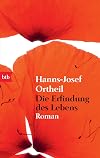
Die Erfindung des Lebens
by Hanns-Josef Ortheil
On This Page
Description
in diesem Roman geht es um die Konfliktbewältigung eines erwachsenen Sohnes nach einer Familientragödie. Was für ein arroganter Titel: Die Erfindung des Lebens! Und doch ist es natürlich genau das, was Schriftsteller tun, wenn sie nicht gerade Dokumentare sind: Sie erfinden Leben. Hanns- Josef Ortheil allerdings geht in seinem Roman noch einen Schritt weiter: Er erfindet sein Leben, er erfindet es neu. Schon Goethe wehrte mit dem Titel „Dichtung und Wahrheit“ jegliche Kritik daran show more ab, dass er die Korrektheit der Erinnerungen einer dichterischen Wirkung opfern könnte. Und so behält sich auch Ortheil selbstbewusst vor, mit der eigenen Vergangenheit genau so umzugehen wie mit jedem anderen Stoff: er macht daraus Literatur.Und diese Vergangenheit ist genau aus dem Stoff, aus dem Romane sind. Ein Kind wächst stumm neben seiner Mutter auf, der das Schicksal ebenfalls die Sprache verschlagen hat. Dem Vater gelingt es mit schier übermenschlicher Geduld, beide ins wirkliche Leben zurückzuholen. Aus dem Kind wird ein begnadeter Pianist, dem eine glänzende Zukunft winkt, bis eine schwere Krankheit die Musikerkarriere vernichtet. Ortheil verlegte sich wie der junge Mann im Roman aufs Schreiben. Doch dann gewinnt die fiktive Figur Johannes ihre volle Eigenständigkeit und erfüllt ihrem Schöpfer einen Traum. Das alles ist voll leiser Spannung und rührend, ohne rührselig zu sein. show lessTags
Recommendations








Member Reviews
http://www.mytwostotinki.com/?p=1563
Johannes, the narrator of the novel Die Erfindung des Lebens (The Invention of Life), grows up in a small family with his loving parents in Cologne in the 1950s. But Johannes' start in life is overshadowed by a history of traumata and terrible losses in the past - experiences that made his mother literary speechless and that also affect Johannes: he is mute, like his mother.
The first part of the book describes the life and daily routine of the three members of the family who lead an almost symbiotic life with very few contacts outside the family. Shopping or playing on the playground in the presence of his mother are a real torture for the child due to the lack of understanding and empathy of the show more biggest part of their surrounding. Only the walks with the father who takes him to places where Johannes is accepted without questions asked, are a temporary relief from the boy's loneliness.
But things are changing step by step, thanks to a benevolent uncle who presents his piano to Johannes' mother; she was once a talented pianist. Reluctantly, she takes up playing again and starts to teach her son too: for Johannes the beginning of a new life devoted to music - and also the proof that he will be more in life than 'a mute idiot', as his environment, including his school teacher, frequently tells him.
While music is one of the triggers for a long and painful process of becoming a 'normal' child (and also for his mother to regain her speech), it is finally the father who with his positive attitude to life and his understanding what is good for the development of his son, starts a program that could not have been better conceived by an experienced psychologist.
This program includes long walks in the country side, lessons in drawing, regular writing exercises in order to memorize new words, expressions and discoveries in nature, and also physical activities that strengthen Johannes also in this respect. That all this is done in the absence of his mother may be the key to break the extremely strong bond with her. From the father Johannes learns also why his mother is like that - Johannes had four brothers, but they all died before his birth. The circumstances how all this happened are revealed only much later by an uncle of Johannes.
When the recovery of this family is already a miracle, the way to breaking the spell of the past is just the first part of the novel. Johannes has to go through many difficult experiences in school and later life - he has always problems to develop close relations with other people and also his dream to become a professional pianist will not become true despite his great talent. Devastated he returns from the Conservatorio in Rome to live again with his parents - but again, life has a surprise for him...
This novel is written in the tradition of the Entwicklungs- and Künstlerroman; Johannes is writing this novel in Italy, where he spent the happiest part of his life - also this a reference to many literary works of the German tradition (there are of course a few Goethe references as well in the text). Johannes finds in Italy not only his true vocation, and the memories of his love story with Clara when he was a student; he rediscovers what life is about, grows close to a woman and her daughter, and in the end all is (possibly) well...
You know, I am not taking up easily books with almost 700 pages, like the edition I was reading. Such a chunky book requires a lot of time and we all can remember experiences when it turned out not to be worth it. Here this was not the case. I enjoyed Die Erfindung des Lebens (The Invention of Life) thoroughly.
I could immediately relate to Johannes and his fate and although the novel is full with descriptions of daily life, I never found it dull or boring. Ortheil is an experienced novelist, but it was a good decision to tell the story of his life (because this novel is almost an autobiography) when he was already in his fifties; otherwise he would have been too close to the young Johannes and this lack of distance would have spoiled this very touching book, I suppose. It is - beside other things - a declaration of love to Italy, and also to Ortheil's father; Johannes' father in this novel is one of the most endearing portraits of a father I know of in literature.
The book is not yet translated in English. Publishers, where are you? show less
Johannes, the narrator of the novel Die Erfindung des Lebens (The Invention of Life), grows up in a small family with his loving parents in Cologne in the 1950s. But Johannes' start in life is overshadowed by a history of traumata and terrible losses in the past - experiences that made his mother literary speechless and that also affect Johannes: he is mute, like his mother.
The first part of the book describes the life and daily routine of the three members of the family who lead an almost symbiotic life with very few contacts outside the family. Shopping or playing on the playground in the presence of his mother are a real torture for the child due to the lack of understanding and empathy of the show more biggest part of their surrounding. Only the walks with the father who takes him to places where Johannes is accepted without questions asked, are a temporary relief from the boy's loneliness.
But things are changing step by step, thanks to a benevolent uncle who presents his piano to Johannes' mother; she was once a talented pianist. Reluctantly, she takes up playing again and starts to teach her son too: for Johannes the beginning of a new life devoted to music - and also the proof that he will be more in life than 'a mute idiot', as his environment, including his school teacher, frequently tells him.
While music is one of the triggers for a long and painful process of becoming a 'normal' child (and also for his mother to regain her speech), it is finally the father who with his positive attitude to life and his understanding what is good for the development of his son, starts a program that could not have been better conceived by an experienced psychologist.
This program includes long walks in the country side, lessons in drawing, regular writing exercises in order to memorize new words, expressions and discoveries in nature, and also physical activities that strengthen Johannes also in this respect. That all this is done in the absence of his mother may be the key to break the extremely strong bond with her. From the father Johannes learns also why his mother is like that - Johannes had four brothers, but they all died before his birth. The circumstances how all this happened are revealed only much later by an uncle of Johannes.
When the recovery of this family is already a miracle, the way to breaking the spell of the past is just the first part of the novel. Johannes has to go through many difficult experiences in school and later life - he has always problems to develop close relations with other people and also his dream to become a professional pianist will not become true despite his great talent. Devastated he returns from the Conservatorio in Rome to live again with his parents - but again, life has a surprise for him...
This novel is written in the tradition of the Entwicklungs- and Künstlerroman; Johannes is writing this novel in Italy, where he spent the happiest part of his life - also this a reference to many literary works of the German tradition (there are of course a few Goethe references as well in the text). Johannes finds in Italy not only his true vocation, and the memories of his love story with Clara when he was a student; he rediscovers what life is about, grows close to a woman and her daughter, and in the end all is (possibly) well...
You know, I am not taking up easily books with almost 700 pages, like the edition I was reading. Such a chunky book requires a lot of time and we all can remember experiences when it turned out not to be worth it. Here this was not the case. I enjoyed Die Erfindung des Lebens (The Invention of Life) thoroughly.
I could immediately relate to Johannes and his fate and although the novel is full with descriptions of daily life, I never found it dull or boring. Ortheil is an experienced novelist, but it was a good decision to tell the story of his life (because this novel is almost an autobiography) when he was already in his fifties; otherwise he would have been too close to the young Johannes and this lack of distance would have spoiled this very touching book, I suppose. It is - beside other things - a declaration of love to Italy, and also to Ortheil's father; Johannes' father in this novel is one of the most endearing portraits of a father I know of in literature.
The book is not yet translated in English. Publishers, where are you? show less
http://www.mytwostotinki.com/?p=1563
Johannes, the narrator of the novel Die Erfindung des Lebens (The Invention of Life), grows up in a small family with his loving parents in Cologne in the 1950s. But Johannes' start in life is overshadowed by a history of traumata and terrible losses in the past - experiences that made his mother literary speechless and that also affect Johannes: he is mute, like his mother.
The first part of the book describes the life and daily routine of the three members of the family who lead an almost symbiotic life with very few contacts outside the family. Shopping or playing on the playground in the presence of his mother are a real torture for the child due to the lack of understanding and empathy of the show more biggest part of their surrounding. Only the walks with the father who takes him to places where Johannes is accepted without questions asked, are a temporary relief from the boy's loneliness.
But things are changing step by step, thanks to a benevolent uncle who presents his piano to Johannes' mother; she was once a talented pianist. Reluctantly, she takes up playing again and starts to teach her son too: for Johannes the beginning of a new life devoted to music - and also the proof that he will be more in life than 'a mute idiot', as his environment, including his school teacher, frequently tells him.
While music is one of the triggers for a long and painful process of becoming a 'normal' child (and also for his mother to regain her speech), it is finally the father who with his positive attitude to life and his understanding what is good for the development of his son, starts a program that could not have been better conceived by an experienced psychologist.
This program includes long walks in the country side, lessons in drawing, regular writing exercises in order to memorize new words, expressions and discoveries in nature, and also physical activities that strengthen Johannes also in this respect. That all this is done in the absence of his mother may be the key to break the extremely strong bond with her. From the father Johannes learns also why his mother is like that - Johannes had four brothers, but they all died before his birth. The circumstances how all this happened are revealed only much later by an uncle of Johannes.
When the recovery of this family is already a miracle, the way to breaking the spell of the past is just the first part of the novel. Johannes has to go through many difficult experiences in school and later life - he has always problems to develop close relations with other people and also his dream to become a professional pianist will not become true despite his great talent. Devastated he returns from the Conservatorio in Rome to live again with his parents - but again, life has a surprise for him...
This novel is written in the tradition of the Entwicklungs- and Künstlerroman; Johannes is writing this novel in Italy, where he spent the happiest part of his life - also this a reference to many literary works of the German tradition (there are of course a few Goethe references as well in the text). Johannes finds in Italy not only his true vocation, and the memories of his love story with Clara when he was a student; he rediscovers what life is about, grows close to a woman and her daughter, and in the end all is (possibly) well...
You know, I am not taking up easily books with almost 700 pages, like the edition I was reading. Such a chunky book requires a lot of time and we all can remember experiences when it turned out not to be worth it. Here this was not the case. I enjoyed Die Erfindung des Lebens (The Invention of Life) thoroughly.
I could immediately relate to Johannes and his fate and although the novel is full with descriptions of daily life, I never found it dull or boring. Ortheil is an experienced novelist, but it was a good decision to tell the story of his life (because this novel is almost an autobiography) when he was already in his fifties; otherwise he would have been too close to the young Johannes and this lack of distance would have spoiled this very touching book, I suppose. It is - beside other things - a declaration of love to Italy, and also to Ortheil's father; Johannes' father in this novel is one of the most endearing portraits of a father I know of in literature.
The book is not yet translated in English. Publishers, where are you? show less
Johannes, the narrator of the novel Die Erfindung des Lebens (The Invention of Life), grows up in a small family with his loving parents in Cologne in the 1950s. But Johannes' start in life is overshadowed by a history of traumata and terrible losses in the past - experiences that made his mother literary speechless and that also affect Johannes: he is mute, like his mother.
The first part of the book describes the life and daily routine of the three members of the family who lead an almost symbiotic life with very few contacts outside the family. Shopping or playing on the playground in the presence of his mother are a real torture for the child due to the lack of understanding and empathy of the show more biggest part of their surrounding. Only the walks with the father who takes him to places where Johannes is accepted without questions asked, are a temporary relief from the boy's loneliness.
But things are changing step by step, thanks to a benevolent uncle who presents his piano to Johannes' mother; she was once a talented pianist. Reluctantly, she takes up playing again and starts to teach her son too: for Johannes the beginning of a new life devoted to music - and also the proof that he will be more in life than 'a mute idiot', as his environment, including his school teacher, frequently tells him.
While music is one of the triggers for a long and painful process of becoming a 'normal' child (and also for his mother to regain her speech), it is finally the father who with his positive attitude to life and his understanding what is good for the development of his son, starts a program that could not have been better conceived by an experienced psychologist.
This program includes long walks in the country side, lessons in drawing, regular writing exercises in order to memorize new words, expressions and discoveries in nature, and also physical activities that strengthen Johannes also in this respect. That all this is done in the absence of his mother may be the key to break the extremely strong bond with her. From the father Johannes learns also why his mother is like that - Johannes had four brothers, but they all died before his birth. The circumstances how all this happened are revealed only much later by an uncle of Johannes.
When the recovery of this family is already a miracle, the way to breaking the spell of the past is just the first part of the novel. Johannes has to go through many difficult experiences in school and later life - he has always problems to develop close relations with other people and also his dream to become a professional pianist will not become true despite his great talent. Devastated he returns from the Conservatorio in Rome to live again with his parents - but again, life has a surprise for him...
This novel is written in the tradition of the Entwicklungs- and Künstlerroman; Johannes is writing this novel in Italy, where he spent the happiest part of his life - also this a reference to many literary works of the German tradition (there are of course a few Goethe references as well in the text). Johannes finds in Italy not only his true vocation, and the memories of his love story with Clara when he was a student; he rediscovers what life is about, grows close to a woman and her daughter, and in the end all is (possibly) well...
You know, I am not taking up easily books with almost 700 pages, like the edition I was reading. Such a chunky book requires a lot of time and we all can remember experiences when it turned out not to be worth it. Here this was not the case. I enjoyed Die Erfindung des Lebens (The Invention of Life) thoroughly.
I could immediately relate to Johannes and his fate and although the novel is full with descriptions of daily life, I never found it dull or boring. Ortheil is an experienced novelist, but it was a good decision to tell the story of his life (because this novel is almost an autobiography) when he was already in his fifties; otherwise he would have been too close to the young Johannes and this lack of distance would have spoiled this very touching book, I suppose. It is - beside other things - a declaration of love to Italy, and also to Ortheil's father; Johannes' father in this novel is one of the most endearing portraits of a father I know of in literature.
The book is not yet translated in English. Publishers, where are you? show less
»Die Erfindung des Lebens« ist die Geschichte eines jungen Mannes von seinen Kinderjahren bis zu seinen ersten Erfolgen als Schriftsteller. Als einziges Kind seiner Eltern, die im Zweiten Weltkrieg und in der Zeit danach vier Söhne verloren haben, wächst er in Köln auf. Die Mutter ist stumm geworden, und auch ihr letzter Sohn lebt stumm an ihrer Seite. Nach Jahren erst kann er sich aus der Umklammerung der Familie lösen, in Rom eine Karriere als Pianist beginnen und nach deren Scheitern versuchen, mit dem Schreiben sein Glück zu machen ...
autobiographisch, spannend
Der 6-jährige Johannes, der ich-Erzähler, stumm seit Jahren, wird von seinem Vater auf das Gehöft mit Gartenwirtschaft seiners Onkels, des Vaters Bruder genommen, ein Ausbruch aus dem Gefängnis der Köllner Wohnung, so nennt er es später. Aus seiner sprachlosen Einsamkeit mit der Mutter - Ereignisse, die dem Kind verschwiegen wurden, nahmen ihr die Sprache - wächst J. in die Gemeinschaft der Arbeiter, er sich an den täglichen Arbeiten beteiligend durch täglich mehrstündiges improvisieren am Klavier. Der Vater entdeckt J’s besondere Art und Fähigkeit schreiben und lesen zu lernen (Kp. 17) und regt ihn an, zeichnend die Umwelt zu sehen, sie dadurch zu erkennen. In Kölln mit der Mutter stumm und regungslos in Geschäften show more wartend, auch mit dem Vater beim Besuch der Kneipe stumm bei ihm stehend, dabei exact und genau beobachtend wie kaum ein anderer, ‘doch hatte ich mit all meinen Beobachtungen nichts anfangen können’ (S. 188), so erkennt er jetzt, und: ’Hatte ich die Welt zuvor auf, wie man sagen könnte, blöde und einfache Weise als ein passives Medium erfasst, das alles aufsaugt, was man ihm vorsetzt, so begriff ich sie jetzt als eine Summe von kleinen Details, die zueinander gehörten.’ (S. 192).
Es war ein sehr empfohlenes Geschenk. Die Dicke des Buches schreckte mich nicht ab, es liest sich schnell, zu schnell denke ich hin und wieder beim umblättern. Psychologisch interessant sind die sich entwickelnde Beziehungen der drei Menschen: Mutter, Vater und Sohn in der Klein-Familie, die endlich in der Großfamilie des Vaterbruders sich entkrampfen und dem Kinde zum Beginn der Heilung führen. In dieser Hinsicht fasziniert sein als Roman dargestellter autobiographischer Bericht. Dreiviertel durch das Buch unterbrach eine Reise mein Lesen. Danach versuchte ich vergeblich es wieder in die Hände zu nehmen. Warum gelang es nicht? Ich denke, daran ist die Weise des Erzählens, die Sprache schuld. Sie verführt zum schnellen, auf Inhalt gerichtetes Lesen, aber gerade nach dem Lesen von Flaubert erscheint sie mir zu mängelhaft, stößt mich sogar etwas ab. Hätte dieses vermieden werden können wenn die Handlung nicht als Roman sondern als Autobiographie dargestellt wäre? Mehrere autobiographische Schriften des Authors sollen erschienen sein, jetzt werde ich sie aber wohl kaum in die Hand nehmen. (VIII-23) show less
Es war ein sehr empfohlenes Geschenk. Die Dicke des Buches schreckte mich nicht ab, es liest sich schnell, zu schnell denke ich hin und wieder beim umblättern. Psychologisch interessant sind die sich entwickelnde Beziehungen der drei Menschen: Mutter, Vater und Sohn in der Klein-Familie, die endlich in der Großfamilie des Vaterbruders sich entkrampfen und dem Kinde zum Beginn der Heilung führen. In dieser Hinsicht fasziniert sein als Roman dargestellter autobiographischer Bericht. Dreiviertel durch das Buch unterbrach eine Reise mein Lesen. Danach versuchte ich vergeblich es wieder in die Hände zu nehmen. Warum gelang es nicht? Ich denke, daran ist die Weise des Erzählens, die Sprache schuld. Sie verführt zum schnellen, auf Inhalt gerichtetes Lesen, aber gerade nach dem Lesen von Flaubert erscheint sie mir zu mängelhaft, stößt mich sogar etwas ab. Hätte dieses vermieden werden können wenn die Handlung nicht als Roman sondern als Autobiographie dargestellt wäre? Mehrere autobiographische Schriften des Authors sollen erschienen sein, jetzt werde ich sie aber wohl kaum in die Hand nehmen. (VIII-23) show less
Sep 16, 2023German
Dieses Buch erzählt die Geschichte eines Mannes, der eine schwere und ungewöhnliche Kindheit, mit einer Abhängigkeit zu Mutter und Vater durchlebt. Seine Mutter ist stumm, genau wie er selbst in seinen Kinderjahren. Da er mit keinen anderen Menschen, außer seiner Familie so richtig in Kontakt kommt und die anderen Leute sich ihm und seiner Mutter gegenüber sehr distanziert oder auch abwertend verhalten, widmet er sich anderen Dingen, wie dem Beobachten, der Verhaltensweisen anderer Menschen und vorallem dem Klavierspielen voll und ganz. Wie wird sich sein Leben nach seiner, eher von der Außenwelt abgeschotteten Kindheit, entwickeln?
May 19, 2014German
So was von einem schonen klaren deutsch habe ich selten gelesen. Egal worum es geht, was ubrigens auch nicht schlecht oder langweilig ist, das buch ist vor allem fur die sprache lesenswert.
Jan 27, 2014German
Members
- Recently Added By
Author Information

54+ Works 831 Members
Series
Belongs to Publisher Series
btb (73978)
Common Knowledge
- Canonical title
- Die Erfindung des Lebens
Classifications
- Genres
- Fiction and Literature, General Fiction
- DDC/MDS
- 833.91422 — Literature & rhetoric German & related literatures German fiction 1900- 1900-1990 1945-1990
- LCC
- PT2675 .R748 .E74 — Language and Literature German, Dutch and Scandinavian literatures German literature Individual authors or works 1961-2000
Statistics
- Members
- 121
- Popularity
- 270,502
- Reviews
- 9
- Rating
- (4.37)
- Languages
- English, German
- Media
- Paper, Ebook
- ISBNs
- 5
- ASINs
- 2