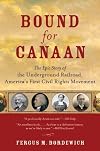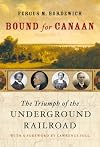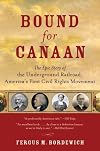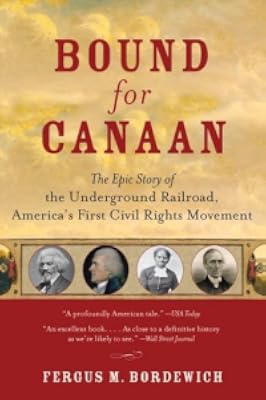
Bound for Canaan: The Underground Railroad and the War for the Soul of America
by Fergus M. Bordewich
On This Page
Description
An important book of epic scope on America's first racially integrated, religiously inspired movement for change The civil war brought to a climax the country's bitter division. But the beginnings of slavery's denouement can be traced to a courageous band of ordinary Americans, black and white, slave and free, who joined forces to create what would come to be known as the Underground Railroad, a movement that occupies as romantic a place in the nation's imagination as the Lewis and Clark show more expedition. The true story of the Underground Railroad is much more morally complex and politically divisive than even the myths suggest. Against a backdrop of the country's westward expansion arose a fierce clash of values that was nothing less than a war for the country's soul. Not since the American Revolution had the country engaged in an act of such vast and profound civil disobedience that not only challenged prevailing mores but also subverted federal law. Bound for Canaan tells the stories of men and women like David Ruggles, who invented the black underground in New York City; bold Quakers like Isaac Hopper and Levi Coffin, who risked their lives to build the Underground Railroad; and the inimitable Harriet Tubman. Interweaving thrilling personal stories with the politics of slavery and abolition, Bound for Canaan shows how the Underground Railroad gave birth to this country's first racially integrated, religiously inspired movement for social change. show lessTags
Recommendations



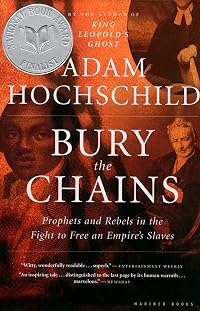
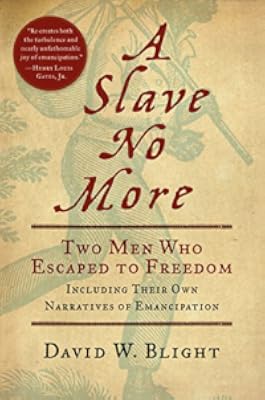
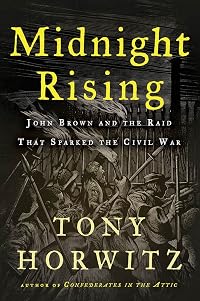
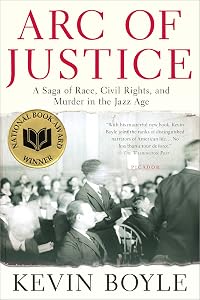
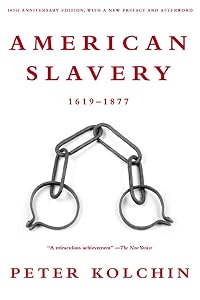
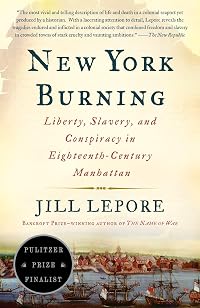
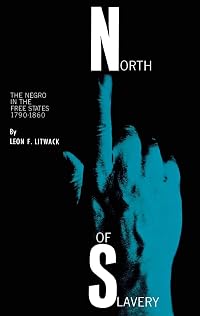
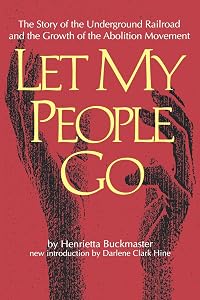
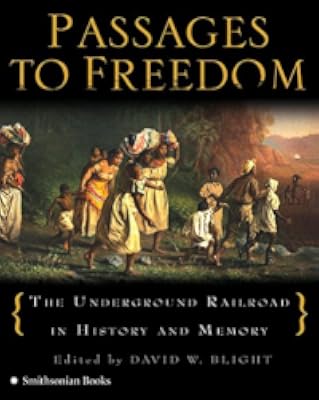

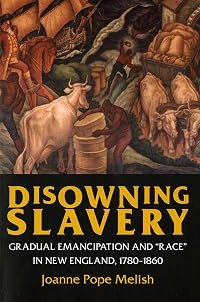
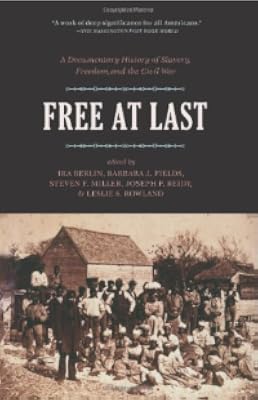
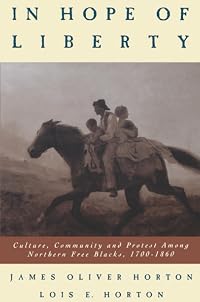

Member Recommendations
Front Line of Freedom: African Americans and the Forging of the Underground Railroad in the Ohio Valley by Keith P. Griffler
TLCrawford This well-written, well-researched book expands on the involvement of African Americans in the resistance movement known as the Underground Railroad. It also has the best bibliography I have seen on the subject.
Member Reviews
This is an outstanding recounting of the underground railroad. Because of the decentralized nature of the organization, Bordewich focuses on individual stories and then ties them together to show overall trends. He discusses important whites, mostly Quakers in the early days of the railroad. Bordewich does an excellent job of showing how the underground grew as the issue of slavery came to the forefront of American politics. The existence of the railroad (which only got its name around the1840s) helped spark the debate over slavery, while the intensification of that debate drove more people into sympathy and then support of the railroad.
He identifies a group of North Carolina Quakers who helped runaway slaves find a home in Quaker show more communities in Indiana. Most of these were eventually driven out by their slave owning neighbors, but helped establish communities for fugitive slaves and links between the north and south. He also discusses Isaac Hopper and John Rankin, who help hundreds, or perhaps thousands, of runaways as they passes through the Philadelphia Cincinnati areas, respectively.
He then shows the gradual improvement in the organization of the railroad, along with an increase in African-American participation. Some of those African-Americans were escaped slaves and others were legally free, but both faced dire consequences if caught. Of course, the star of the show is Harriet Tubman, but Bordewich makes a strong effort to show that she was only the most prominent of the conductors but far from the only one. He looks at David Ruggles, a free black in New York who helped hundreds of escaped slaves at great personal risk, including one attempt to kidnap him to enslave him in the south. The book also looks at Josiah Henson, who was the model for Uncle Tom. He was well-educated for a slave and tried to buy his own freedom before being cheated by his owner. He then escaped with his family to Canada where he set up a haven for escaped slaves and continued his career as a Methodist minister.
The book makes several important points. The first was the decentralization of the railroad. It wasn't an organization as much as a group of people with similar ideals whose cooperation grew over time. It also points out that religion was the driving force for most whites who were involved. Many of them thought slavery was a sin but still thought that blacks were inferior. Even those who did not demonstrated a strongly patronizing attitude towards blacks. The book also demonstrates that most people involved were taking personal risks, including long prison sentences or death, although some areas, such as Philadelphia, Detroit or Syracuse were relatively safe for railroad work.
The final section demonstrates that events like the Fugitive Slave Act of 1850, Bleeding Kansas of 1854-5 and John Brown's raid of 1859 helped galvanize abolitionism, which eventually made the railroad almost obsolete. In the 1830s, abolitionism was a fringe movement, even in the north. By the 1850s, the conflict had risen to such a height that northerners who were committed to abolition would still offer tacit support for the railroad because it represented northern freedom against southern encroachments. By the time of the Civil War, it was almost unnecessary for the railroad to be underground in large sections of the north, which further infuriated southerners.
His epilogue illustrates that process. He argues that the railroad was a driving force towards the civil war. Its early successes are inspired northerners and upset southerners. Southerners increased their enforcement of fugitive slave laws and hyperbole against abolitionism. Northerners saw these actions and read these statements are slowly moved towards the abolitionist position. It is a convincing point and very well made.
This is one of the best books I have read on resistance to slavery. It is geared towards a popular audience because it doesn't focus on obscure historical theses but provides fascinating stories that show how this movement fit together, grew and influenced a nation. And it showed how a small group of people fighting for the rights of others were eventually able to get the majority on their side and change the course of a nation. show less
He identifies a group of North Carolina Quakers who helped runaway slaves find a home in Quaker show more communities in Indiana. Most of these were eventually driven out by their slave owning neighbors, but helped establish communities for fugitive slaves and links between the north and south. He also discusses Isaac Hopper and John Rankin, who help hundreds, or perhaps thousands, of runaways as they passes through the Philadelphia Cincinnati areas, respectively.
He then shows the gradual improvement in the organization of the railroad, along with an increase in African-American participation. Some of those African-Americans were escaped slaves and others were legally free, but both faced dire consequences if caught. Of course, the star of the show is Harriet Tubman, but Bordewich makes a strong effort to show that she was only the most prominent of the conductors but far from the only one. He looks at David Ruggles, a free black in New York who helped hundreds of escaped slaves at great personal risk, including one attempt to kidnap him to enslave him in the south. The book also looks at Josiah Henson, who was the model for Uncle Tom. He was well-educated for a slave and tried to buy his own freedom before being cheated by his owner. He then escaped with his family to Canada where he set up a haven for escaped slaves and continued his career as a Methodist minister.
The book makes several important points. The first was the decentralization of the railroad. It wasn't an organization as much as a group of people with similar ideals whose cooperation grew over time. It also points out that religion was the driving force for most whites who were involved. Many of them thought slavery was a sin but still thought that blacks were inferior. Even those who did not demonstrated a strongly patronizing attitude towards blacks. The book also demonstrates that most people involved were taking personal risks, including long prison sentences or death, although some areas, such as Philadelphia, Detroit or Syracuse were relatively safe for railroad work.
The final section demonstrates that events like the Fugitive Slave Act of 1850, Bleeding Kansas of 1854-5 and John Brown's raid of 1859 helped galvanize abolitionism, which eventually made the railroad almost obsolete. In the 1830s, abolitionism was a fringe movement, even in the north. By the 1850s, the conflict had risen to such a height that northerners who were committed to abolition would still offer tacit support for the railroad because it represented northern freedom against southern encroachments. By the time of the Civil War, it was almost unnecessary for the railroad to be underground in large sections of the north, which further infuriated southerners.
His epilogue illustrates that process. He argues that the railroad was a driving force towards the civil war. Its early successes are inspired northerners and upset southerners. Southerners increased their enforcement of fugitive slave laws and hyperbole against abolitionism. Northerners saw these actions and read these statements are slowly moved towards the abolitionist position. It is a convincing point and very well made.
This is one of the best books I have read on resistance to slavery. It is geared towards a popular audience because it doesn't focus on obscure historical theses but provides fascinating stories that show how this movement fit together, grew and influenced a nation. And it showed how a small group of people fighting for the rights of others were eventually able to get the majority on their side and change the course of a nation. show less
Like most, all I really knew about the Underground Railroad came from very short lessons in grade school about Harriet Tubman and nameless Caucasians who helped to bring the slaves to the North.
Now I know much, much more. Bordewich's book is nothing short of fascinating. I learned about the North's own prejudices against Blacks, about the terrors of being found by slave catchers years after escaping to freedom, about the Quakers spearheading the movement for freedom, and the racism even of the abolitionists who spoke out against slavery. I learned the names Henson and Coffin, and those of so many people that have, sadly, been almost completely forgotten.
Therefore, Bordewich's book is more a salute to the unsung hero than anything else. show more That he is fascinated by his subject matter is obvious, and his enthusiasm is so catching! I enjoyed every page of this book, with so many stories that leap off the page. The courage and dedication of the people is so amazing, and the whole time, I was hit by the fact that so many of these stories have been forgotten, and that the Underground Railroad is now more myth than anything else. That in itself is unfair to those very real people who risked everything to gain freedom, and to help others to freedom. Bordewich attempts to bring the movement into more concrete ground, and he succeeds very, very well. show less
Now I know much, much more. Bordewich's book is nothing short of fascinating. I learned about the North's own prejudices against Blacks, about the terrors of being found by slave catchers years after escaping to freedom, about the Quakers spearheading the movement for freedom, and the racism even of the abolitionists who spoke out against slavery. I learned the names Henson and Coffin, and those of so many people that have, sadly, been almost completely forgotten.
Therefore, Bordewich's book is more a salute to the unsung hero than anything else. show more That he is fascinated by his subject matter is obvious, and his enthusiasm is so catching! I enjoyed every page of this book, with so many stories that leap off the page. The courage and dedication of the people is so amazing, and the whole time, I was hit by the fact that so many of these stories have been forgotten, and that the Underground Railroad is now more myth than anything else. That in itself is unfair to those very real people who risked everything to gain freedom, and to help others to freedom. Bordewich attempts to bring the movement into more concrete ground, and he succeeds very, very well. show less
Bordewich has written an excellent history of the movement to aid fugitive slaves from early individual actions to the growth of the ever more organized operations known as the Underground Railroad. The work is very comprehensive and analytical placing the story in the context of its time and the moral questions involved. When does religious belief justify defiance of the law? He also traces the ever growing participation of African Americans themselves and their sometimes difficult relations with white abolitionists over leadership and tactics. While dealing with these issues, he has also written an exciting narrative recounting stories of escape and failure, unexpected courage and even foolhardy actions. Some stories still have the show more power to astound, like Harriet Jacobs who hid in an attic crawlspace for seven years in the town where she had been enslaved waiting for a chance to escape north by ship. show less
Bound for Canaan: The Underground Railroad and the War for the Soul of America is Fergus Bordewich’s examination of America’s first civil-rights movement and its evolution from scattered individuals helping a few other individuals escape from slavery to a well organized, confrontational movement that efficiently removed people from the bonds of servitude. Somehow Bordewich manages to keep events involving dozens of people and covering sixty years (1800-1861) organized in a narrative that unfolds like a great novel. The scope of the subject prevented Bordewich from being as detailed, as I would have liked, however he has done as well as possible in one 576 page volume and his notes and the numerous titles he mentions in the text show more provide the possibility for as much detail as almost anyone could wish for.
Unlike other accounts of the Underground Railroad I have seen the author gives some credit to the African Americans. He looks beyond Fredrick Douglass and Harriett Tubman and examines the work of more fugitives from bondage who were vital to the success of the UGRR. In addition to many people working north of the Ohio River, he tells of two people who remained in servitude while they worked for the UGRR. First there is Saul, a man who in the early days of the 19th century helped the Quaker community identify persons needing assistance to return north and Arnold Gragston of Mason County in northern Kentucky who rowed escapees across the Ohio for four years prior to the Civil War while remaining in bondage himself.
I would have liked to know more about the African-Americans who served the UGRR from within ‘Egypt’, those that stayed behind, and helped others make the journey to the Promised Land. Bordewich does what he can with the sources available but there are very few documents recording that aspect of the resistance against slavery. Levi Coffin wrote about Saul and Gragston wrote a memoir after gaining his freedom. This weakness seems to be simply a lack of sources.
This book is should be read by anyone wanting to gain an understanding of Americans resistance to the “peculiar institution” of slavery. show less
Unlike other accounts of the Underground Railroad I have seen the author gives some credit to the African Americans. He looks beyond Fredrick Douglass and Harriett Tubman and examines the work of more fugitives from bondage who were vital to the success of the UGRR. In addition to many people working north of the Ohio River, he tells of two people who remained in servitude while they worked for the UGRR. First there is Saul, a man who in the early days of the 19th century helped the Quaker community identify persons needing assistance to return north and Arnold Gragston of Mason County in northern Kentucky who rowed escapees across the Ohio for four years prior to the Civil War while remaining in bondage himself.
I would have liked to know more about the African-Americans who served the UGRR from within ‘Egypt’, those that stayed behind, and helped others make the journey to the Promised Land. Bordewich does what he can with the sources available but there are very few documents recording that aspect of the resistance against slavery. Levi Coffin wrote about Saul and Gragston wrote a memoir after gaining his freedom. This weakness seems to be simply a lack of sources.
This book is should be read by anyone wanting to gain an understanding of Americans resistance to the “peculiar institution” of slavery. show less
I've always been fascinated by the underground railroad. Having had family members who were involved in the underground railroad in Illinois in the 1840s and 1950s, I found this book to be very interesting. It contained many new ideas and perspectives that I hadn't heard before.
Well written, surprisingly fast paced, intriguing (real life) characters - a terrific history of the Underground Railroad.
This book chronicles what may be the first large scale example of Christian resistance to injustice in America's history. I was surprised at how loose and (apparently) disorganized it was - a social movement based entirely on ordinary people doing the right thing when the opportunity presented itself - despite some very real threats and difficulties. It also made me understand some of the issues - with heartrending clarity - that affected very the real men, women children - families - of slavery.
This book chronicles what may be the first large scale example of Christian resistance to injustice in America's history. I was surprised at how loose and (apparently) disorganized it was - a social movement based entirely on ordinary people doing the right thing when the opportunity presented itself - despite some very real threats and difficulties. It also made me understand some of the issues - with heartrending clarity - that affected very the real men, women children - families - of slavery.
An amazing book, highly recommended. Mr Bordewich has written an in-depth history of the Underground Railroad, so aptly sub-titled as the story of "America's first civil rights movement." He takes you right there, you will truly find yourself living this fascinating and courageous story as you will in very few other narratives. Beginning as (often very) isolated acts of individual heroism and evolving over three-quarters of a century into a mass civil disobedience , Mr Bordewich has penned a striking account of a unique movement that will genuinely have you travelling back in time. Again, I cannot recommend this book to you enough.
Members
- Recently Added By
Lists

Blue Pyramid 1,276 Best Books of All Time
1,248 works; 32 members

Books Read in 2023
5,638 works; 147 members
Author Information

16 Works 1,934 Members
Fergus M. Bordewich is the author of several books, including America's Great Debate: Henry Clay, Stephen A. Douglas, and the Compromise That Preserved the Union, which won the Los Angeles Times Book Prize in history. He lives in San Francisco. Visit him at FergusBordewich.com.

Fergus Bordewich is a LibraryThing Author, an author who lists their personal library on LibraryThing.
Awards and Honors
Awards
Distinctions
Common Knowledge
- Canonical title
- Bound for Canaan: The Underground Railroad and the War for the Soul of America
- Important events
- Underground Railroad
- Epigraph
- We were at times remarkably buoyant, singing
hymns, and making joyous exclamations, almost as
triumphant in their tone as if we had reached a land
of freedom and safety. A keen observer might have
detected in our... (show all) repeated sining of
O Canaan, sweet Canaan
I am bound for the land of Canaan,
something more than a hope of reaching heaven. We
meant to reach the North, and the North was our
Canaan.
-- Frederick Douglass - Dedication
- This book is dedicated to the countless thousands of
men and women who fled the bonds of slavery but
were recaptured or died at the hands of their
pursuers before they reached the safe embrace of the
Underground ... (show all)Railroad. They are not forgotten.
Classifications
- Genres
- History, Nonfiction, General Nonfiction, Politics and Government
- DDC/MDS
- 973.7115 — History & geography History of North America United States Civil War Era (1857-1865) James Buchanan (1857-1861) Causes Fugitive slaves
- LCC
- E450 .B735 — History of the United States United States Revolution to the Civil War, 1775/1783-1861 Slavery in the United States. Antislavery
- BISAC
Statistics
- Members
- 652
- Popularity
- 44,583
- Reviews
- 13
- Rating
- (4.18)
- Languages
- English
- Media
- Paper, Audiobook, Ebook
- ISBNs
- 15
- ASINs
- 10