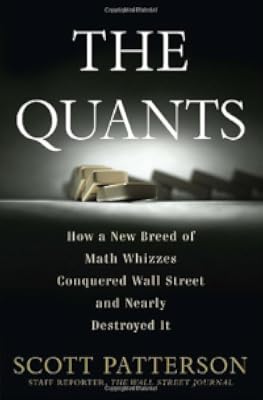
The Quants: How a New Breed of Math Whizzes Conquered Wall Street and Nearly Destroyed It
by Scott Patterson
On This Page
Description
A gripping narrative of brilliance and hubris, "The Quants" follows the rise of 1950s-era math geniuses let loose on Wall Street--who then set in motion ever widening market catastrophes.Tags
Recommendations
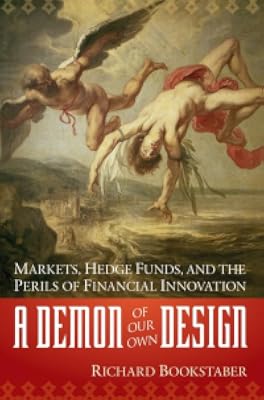
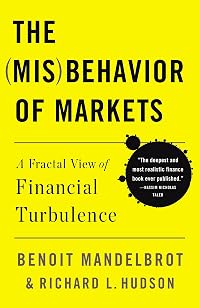
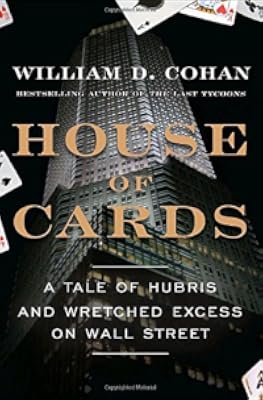
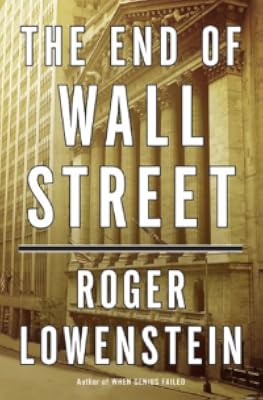

Member Reviews
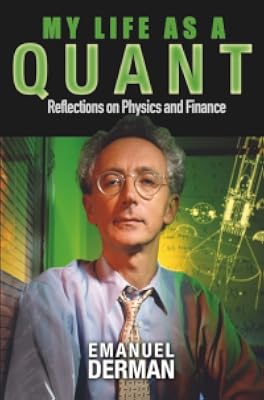
This book is mostly about a bunch of boneheads who happened to make a lot of money running hedge funds. I got really annoyed by the author calling these guys "geniuses". The only two guys with serious brains in this book are Ed Thorp and Jim Simons. Emanuel Derman, who is briefly discussed, is also very intelligent, with a classy personality. The rest are not worth discussing. I did like Ken Griffin's diversity. He was into everything. But his ego really makes me barf.
What I found worthwhile about this book was its description of how several quantitative hedge funds operate. My conclusion is that the quant hedge funds are, by and large, a herd of cows. All thinking the same, and acting the same. Benefiting together on the way up, and show more suffering together on the way down. The exception is Renaissance Technologies, and Ed Thorp, back when he was in the game.
My favorite quotes from this book:
Any good investment, sufficiently leveraged, can lead to ruin. (Ed Thorp, pg 300)
Time, and reality, had overtaken stupidity. (pg 173)
What is wrong with these people? They are so monumentally stupid. Their stupidity is killing me. (Cliff Asness, 1999, pg 170) show less
What I found worthwhile about this book was its description of how several quantitative hedge funds operate. My conclusion is that the quant hedge funds are, by and large, a herd of cows. All thinking the same, and acting the same. Benefiting together on the way up, and show more suffering together on the way down. The exception is Renaissance Technologies, and Ed Thorp, back when he was in the game.
My favorite quotes from this book:
Any good investment, sufficiently leveraged, can lead to ruin. (Ed Thorp, pg 300)
Time, and reality, had overtaken stupidity. (pg 173)
What is wrong with these people? They are so monumentally stupid. Their stupidity is killing me. (Cliff Asness, 1999, pg 170) show less
This was supposed to be a narrative of how algorithmic trading led to the crisis of 2008. But it's not even a narrative, let alone one supported by evidence. It's just a collage of factoids. It might have worked as entertainment if it were engaging and well-written, but it fails at that too. And it's just so incredibly cringey. Some of the passages could have been written by a 20-year old intern at BuzzFeed. Look at this:
"It wasn't the trio of cut-glass chandeliers hung from a gilt-laden ceiling that caught his attention, nor the pair of antique floor-to-ceiling mirrors to his left, nor the guests' svelt Armani suits and gem-studded dresses. Something else in the air made him smile: the smell of money. And the sweet perfume of something show more he loved even more: pure, unbridled testosterone-fueled competition."
Ten thousand years of human literature. I could have read some Flaubert or Nabokov or some good junk sci-fi. But instead I wasted my time on this garbage.
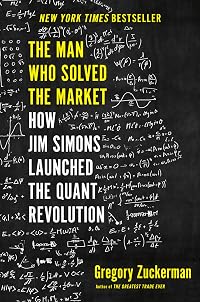
If you want to get a glimpse into algorithmic trading - its core ideas, its history, its protagonists - go with Gregory Zuckerman's "The Man Who Solved the Market" instead. show less
"It wasn't the trio of cut-glass chandeliers hung from a gilt-laden ceiling that caught his attention, nor the pair of antique floor-to-ceiling mirrors to his left, nor the guests' svelt Armani suits and gem-studded dresses. Something else in the air made him smile: the smell of money. And the sweet perfume of something show more he loved even more: pure, unbridled testosterone-fueled competition."
Ten thousand years of human literature. I could have read some Flaubert or Nabokov or some good junk sci-fi. But instead I wasted my time on this garbage.
If you want to get a glimpse into algorithmic trading - its core ideas, its history, its protagonists - go with Gregory Zuckerman's "The Man Who Solved the Market" instead. show less
Seemed very well researched and thorough. These were the major players who took the sophisticated world of financial trading and made it vastly more complicated. Products under trade and market models required teams of PhD's in math, physics, engineering, etc. After years of success they eventually grew too confident to recognize the massive risks they were buried in. When the market stumbled, the house of cards collapsed.
Not many of these characters were sympathetic. They enjoyed their absurd wealth and took great pleasure in macho competition and juvenile indulgence. They were a younger generation that took over the world of good old boys by following the lessons they learned in academia. The story follows early pioneers like Ed show more Thorpe in the 1960s, to the age of Quant hedge funds, all the way through the 2007-08 financial collapse.
My only complaints: There were a lot of players in the story and I didn't always remember who was who. And the explanations could get a bit technical, not being a financial person myself. But I understand this is a complicated marketplace and some things can't be boiled down beyond a certain point. show less
Not many of these characters were sympathetic. They enjoyed their absurd wealth and took great pleasure in macho competition and juvenile indulgence. They were a younger generation that took over the world of good old boys by following the lessons they learned in academia. The story follows early pioneers like Ed show more Thorpe in the 1960s, to the age of Quant hedge funds, all the way through the 2007-08 financial collapse.
My only complaints: There were a lot of players in the story and I didn't always remember who was who. And the explanations could get a bit technical, not being a financial person myself. But I understand this is a complicated marketplace and some things can't be boiled down beyond a certain point. show less
I got through about 140 pages of this 312 page book. It has an interesting premise: super-smart math geeks figure out how make a killing on Wall Street. Reporter Scott Patterson tells us how these computer math wizards came to Wall Street in the 1970s and with their math models out performed all the old school Wall Street experts. Unfortunately, there were so many of these guys I had a hard time keeping them all straight. He introduces a character; we follow him for awhile as he graduates with a Master's degree, gets a job with a financial company, and develops a computer program that allows him to bet with the odds in his favor. Just we get interested this character, Patterson introduces us to another character who is almost identical, show more and then another character, and another. After 140 pages, I didn't care any more, I have too many more books to read.
I think what Patterson had here was a very good magazine article that just didn't quite cut it in book form. I don't recommend this book. show less
I think what Patterson had here was a very good magazine article that just didn't quite cut it in book form. I don't recommend this book. show less
Este libro explica un montón de cosas sobre la crisis de 2008, entrando tras un montón de puertas que yo creía que siempre habían estado cerradas. Es una lectura muy interesanet y muy bien llevada sobre cómo afectó el crack a los hedge funds, fondos de inversión sin reglas escritas sobre cómo invertir el dinero. Fondos de inversión discrecionales, podríamos llamarlos. En ellos, los más afamados traders se llevan cada año el 2% de lo que gestionan y el 20% de lo que ganan, operando en mercados guiados por alta matemática que busca pequeñas discrepancias en los mercados o bien tendencias que nadie más ha visto para obtener beneficios.
El libro comienza narrando las vidas de los principales managers de hedge funds, cómo se show more conocieron y formaron, cómo lanzarosn sus fondos, y cómo todos se pegaron la gran galleta en 2007, 2008, 2009 y subsiguientes.
El libro destroza la hipótesis de Fama de los mercados eficientes y cuenta un montón de cosas interesantes. Tiene algunos fallos de bulto, como cuando describe el carry trade (estás largo de yenes, no corto, cenutrio) y alguna otra, pero en general se lee muy bien. show less
El libro comienza narrando las vidas de los principales managers de hedge funds, cómo se show more conocieron y formaron, cómo lanzarosn sus fondos, y cómo todos se pegaron la gran galleta en 2007, 2008, 2009 y subsiguientes.
El libro destroza la hipótesis de Fama de los mercados eficientes y cuenta un montón de cosas interesantes. Tiene algunos fallos de bulto, como cuando describe el carry trade (estás largo de yenes, no corto, cenutrio) y alguna otra, pero en general se lee muy bien. show less
A lot of profiles of various math types who thought that they could profit by detecting inefficiencies in the market and arbitraging them, and for a while largely did, but also were essential in generating the skewed risk-taking that brought the whole thing down. While the personal stories are interesting portraits of hubris, and I understand Nassim Taleb much better now (no wonder he’s such a jerk if this is what he was up against), the focus on personality also means that the story jumps back and forth in time and ultimately is not a coherent account of what happened, which is why I at least read these books.
Contains a lot of historical information with careful explanations of the complex securities that were so much a part of our recent (and continuing) economic mess, as well as the quantitative trading strategies that also contributed so much. Mr. Patterson organizes his narrative around the people--not a bad idea, but the lack of a clear, continuous narrative caused me to struggle placing events in their proper historical context. That's too bad, because this is a danged good book, otherwise.
Members
- Recently Added By
Author Information

3 Works 959 Members
Scott Patterson worked for several years as a financial reporter at the Wall Street Journal. He lives in New York.
Awards and Honors
Common Knowledge
- Original publication date
- 2009
- Original language
- English
- Canonical DDC/MDS
- 332.64092273
- Canonical LCC
- HG4928.5
Classifications
Statistics
- Members
- 632
- Popularity
- 46,300
- Reviews
- 9
- Rating
- (3.59)
- Languages
- English
- Media
- Paper, Audiobook, Ebook
- ISBNs
- 9
- ASINs
- 5