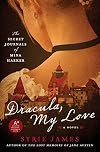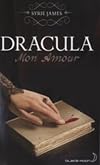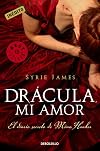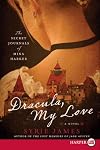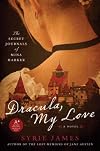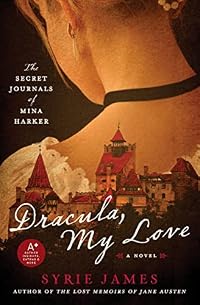
Dracula, My Love: The Secret Journals of Mina Harker
by Syrie James
On This Page
Description
"Bestselling author Syrie James has crafted her most powerful tale yet in this amazingly written retelling of Dracula from Mina Harker's perspective. Perfect for anyone who loves vampires--and there are millions of readers out there who do--this novel deftly unveils Mina's story, a woman falling into into a forbidden, dangerous love and whose powerful emotions are subdued by the restrictions of her time"--Provided by publisher.Tags
Recommendations
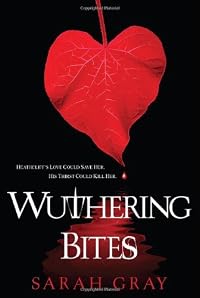
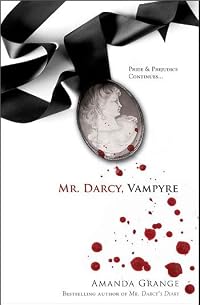
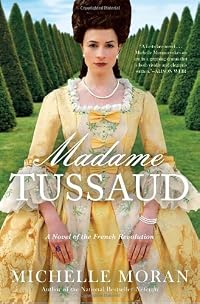
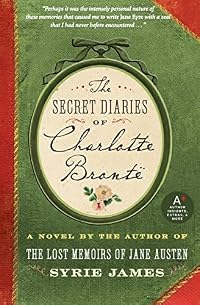


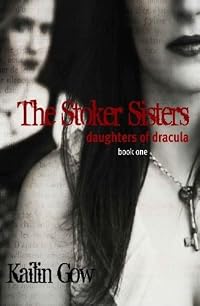
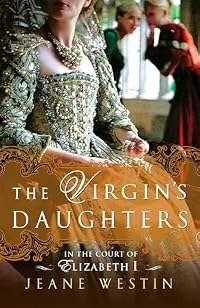
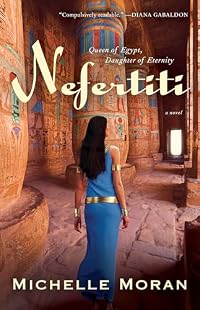

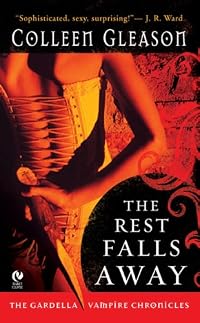

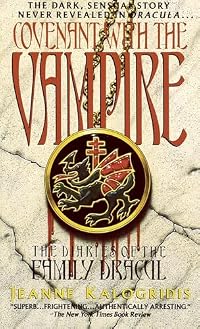
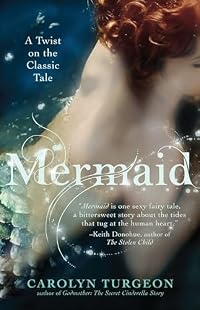
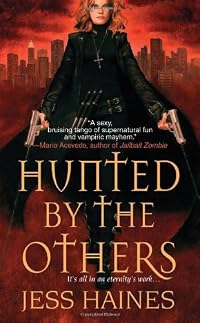
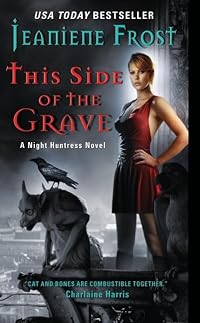
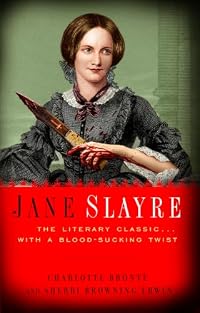
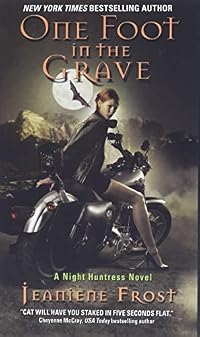
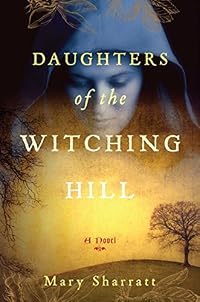
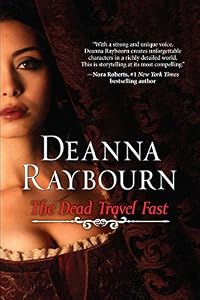

Member Recommendations
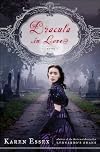
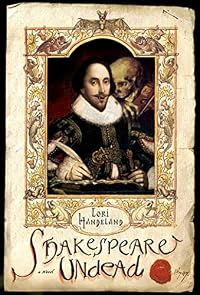
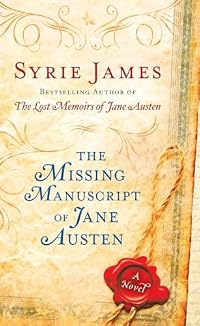
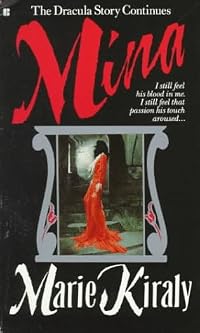
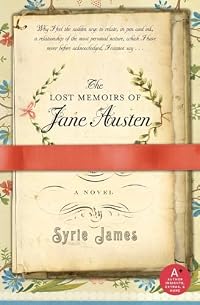
dizzyweasel These two novels embark on similar projects: retelling the Dracula story through the perspective of Mina Harker.
20
Member Reviews
When reading Bram Stoker's Dracula for the first time recently, I thought that Mina Harker and the eponymous vampire of the title were the two strongest characters in the novel, but I also recognise that there are many inconsistencies and Victorian eccentricties in the story which leave crucial questions unanswered. Syrie James' retelling of the original fills in many of the gaps, but at the expense of poor Mina, which I'm sure wasn't the author's aim. Instead of bowing to the will of her husband and the other men, Mina is now Dracula's puppet, forsaking the brave initiative she showed in Stoker's version to be manipulated by the Count's smooth words.
Written with tongue firmly in cheek, and a very modern smirk at Victorian show more misconceptions, Syrie James glibly pokes holes in the epistolary accounts of Van Helsing, Seward, Lucy Westenra and even Mina's own diaries, which I enjoyed. Although the first half of Dracula, My Love is basically a potted rehash of the orginal told entirely from Mina's perspective, advancing little on the events recounted in Stoker's novel except to introduce Mina's dalliance with 'Mr Wagner' at Whitby, Miss James questions why Dracula would shore up in Yorkshire when he has bought a house in Essex, and why does he seek out Lucy in Whitby and London? The second part of the novel, however, turns into the worst kind of cliched historical romance, and Dracula's insistence that he's just a lonely, misunderstood old romantic - and the fact that Mina believes him - is taking the joke too far. Mina's opinion of Dracula, once the penny drops and she realises who the charming old man in Whitby really is, veers back and forth between Dracula's opinion and Van Helsing's. He's charming and caring, no wait, he killed Lucy and now he's lying to cover his tracks! Good, evil; yes, no! Her dithering is tiresome, and the glib explanations that Dracula feeds her are patently ridiculous - Van Helsing killed Lucy with his blood transfusions (and Stoker would not have known about blood types when he wrote his novel in 1897); the three women in his Transylvanian castle who tried to seduce and kill Jonathan are Dracula's sisters, not his brides ('honest, love, she's my sister!'), and it was one of them that Jonathan saw scaling the outer walls of the castle like a lizard; Vlad the Impaler was Dracula's brother, and Dracula was an innocent victim. He has an answer for everything. The poor, slandered vampire has spent the last four hundred years reading, painting and pining for a girlfriend, not killing the townsfolk and drinking their blood. Van Helsing has it all wrong, Mina! Now, I will admit to thinking that Van Helsing and the other men were a set of stuffed shirts, but Syrie James' 'romantic' interpretation of Dracula puts a rather more disturbing spin on the character - basically, 'Nicolae' Dracula is an abusive partner, threatening, controlling and manipulating Mina to do his bidding, and trying to cut her off from family and friends, which is far more disturbing than the ancient creature and his boxes of dirt in Stoker's novel!
Mina also undergoes a 'romantic' transformation - she finds out who her real parents are, in pure Harlequin-by-numbers style. Her personal revelations served little purpose, except to make me gag. Syrie James seems to have been so determined to raise Mina above the dubious background of Englishwoman and Victorian wife that she inserted all manner of cliched conventions and plot devices, but took away the strength and practicality demonstrated by the same character in Stoker's version. I loved that Stoker's Mina has trained herself to be a helpful assistant to her husband by learning shorthand and typing, and that she supports Jonathan and the other men in their quest to destroy Dracula - to the point of sacrificing herself, if need be. James' twist on the character has Mina bemoaning her fate as a housewife, forbidden to help Jonathan with his work and frustrated in the bedroom. Dracula even tells her, 'I understand that your desires conflict with your curious Victorian sense of propriety and morality', which sounds like something a feminist critic would say about the original novel, not what Mina would think about herself.
Overall, Syrie James' modern, romantic reimagining of Dracula is creative and well researched (even if the author does like to signpost her research with simplistic footnotes and exposition), but lacks the atmosphere and thrill of Stoker's writing. Dracula himself is suitably enigmatic to the end, but Mina Harker is reduced to a pathetic woman who is torn between two men. Stoker might have written a 'sexless' heroine, but at least his Mina could think for herself. show less
Written with tongue firmly in cheek, and a very modern smirk at Victorian show more misconceptions, Syrie James glibly pokes holes in the epistolary accounts of Van Helsing, Seward, Lucy Westenra and even Mina's own diaries, which I enjoyed. Although the first half of Dracula, My Love is basically a potted rehash of the orginal told entirely from Mina's perspective, advancing little on the events recounted in Stoker's novel except to introduce Mina's dalliance with 'Mr Wagner' at Whitby, Miss James questions why Dracula would shore up in Yorkshire when he has bought a house in Essex, and why does he seek out Lucy in Whitby and London? The second part of the novel, however, turns into the worst kind of cliched historical romance, and Dracula's insistence that he's just a lonely, misunderstood old romantic - and the fact that Mina believes him - is taking the joke too far. Mina's opinion of Dracula, once the penny drops and she realises who the charming old man in Whitby really is, veers back and forth between Dracula's opinion and Van Helsing's. He's charming and caring, no wait, he killed Lucy and now he's lying to cover his tracks! Good, evil; yes, no! Her dithering is tiresome, and the glib explanations that Dracula feeds her are patently ridiculous - Van Helsing killed Lucy with his blood transfusions (and Stoker would not have known about blood types when he wrote his novel in 1897); the three women in his Transylvanian castle who tried to seduce and kill Jonathan are Dracula's sisters, not his brides ('honest, love, she's my sister!'), and it was one of them that Jonathan saw scaling the outer walls of the castle like a lizard; Vlad the Impaler was Dracula's brother, and Dracula was an innocent victim. He has an answer for everything. The poor, slandered vampire has spent the last four hundred years reading, painting and pining for a girlfriend, not killing the townsfolk and drinking their blood. Van Helsing has it all wrong, Mina! Now, I will admit to thinking that Van Helsing and the other men were a set of stuffed shirts, but Syrie James' 'romantic' interpretation of Dracula puts a rather more disturbing spin on the character - basically, 'Nicolae' Dracula is an abusive partner, threatening, controlling and manipulating Mina to do his bidding, and trying to cut her off from family and friends, which is far more disturbing than the ancient creature and his boxes of dirt in Stoker's novel!
Mina also undergoes a 'romantic' transformation - she finds out who her real parents are, in pure Harlequin-by-numbers style. Her personal revelations served little purpose, except to make me gag. Syrie James seems to have been so determined to raise Mina above the dubious background of Englishwoman and Victorian wife that she inserted all manner of cliched conventions and plot devices, but took away the strength and practicality demonstrated by the same character in Stoker's version. I loved that Stoker's Mina has trained herself to be a helpful assistant to her husband by learning shorthand and typing, and that she supports Jonathan and the other men in their quest to destroy Dracula - to the point of sacrificing herself, if need be. James' twist on the character has Mina bemoaning her fate as a housewife, forbidden to help Jonathan with his work and frustrated in the bedroom. Dracula even tells her, 'I understand that your desires conflict with your curious Victorian sense of propriety and morality', which sounds like something a feminist critic would say about the original novel, not what Mina would think about herself.
Overall, Syrie James' modern, romantic reimagining of Dracula is creative and well researched (even if the author does like to signpost her research with simplistic footnotes and exposition), but lacks the atmosphere and thrill of Stoker's writing. Dracula himself is suitably enigmatic to the end, but Mina Harker is reduced to a pathetic woman who is torn between two men. Stoker might have written a 'sexless' heroine, but at least his Mina could think for herself. show less
Events coalesced perfectly for me regarding this book. I had just read that Neil Gaiman wrote the introduction for The New Annotated Dracula, and since I love him and the story, I was craving the book. I resisted due to my book buying ban, but then I was offered Dracula, My Love for review, and I realized that Fate was knocking at my door. In my review of The New Annotated Dracula, I mention that Leslie S. Klinger, the editor, went about annotating with the perspective that the story was true, that the characters did in fact keep these journals, and Stoker merely collected them into a chronological narrative. I adored this, and I went in to Dracula, My Love with the same perspective.
When Bram Stoker compiled the journals necessary to show more tell the tale of Dracula, he didn't know that Mina Harker had heavily censored her journals in order to protect herself and both of the men she loved. Now, Mina recounts the events of that desperate time, revealing the truth about her love for both Jonathan and Dracula and about the true nature of a being far different from the vicious killer he was thought to be.
The Jonathan-Mina-Dracula love triangle was fantastic. Throughout the story, Mina's feelings for the two men in her life were consistent. She loved them both, differently but equally, and I really appreciated this set up. Many times in a story like this one, the woman is not choosing between two men she loves; instead, she is choosing between her true, passionate love and a man whom she doesn't love but who can provide stability. That set up annoys me to no end, and I thought that her deep feelings for each man added a greater weight to the events in the narrative.
I was most impressed by how authentic the story felt. James has managed to stay true to the original plot of Dracula while simultaneously correcting some of the inconsistencies, contradictions, and unanswered questions from the original text (of which there are many). I had no problem whatsoever integrating this narrative into my larger meta-narrative of Dracula.
If I have one complaint, it is the ending. Like in the original Dracula, the end is much too abrupt for me, what would be "The Big Fight Scene" in a modern story is merely a few paragraphs in both Dracula tales. Plus, the end-end with Dracula and Mina and Jonathan and the strange character turnabout and the.....okay, I'm just not even going to try as I don't want to spoil anything.
Overall, I am very happy that I spent the month of August immersed in the world of Dracula by reading the original, watching an adaptation, and reading this novel. show less
When Bram Stoker compiled the journals necessary to show more tell the tale of Dracula, he didn't know that Mina Harker had heavily censored her journals in order to protect herself and both of the men she loved. Now, Mina recounts the events of that desperate time, revealing the truth about her love for both Jonathan and Dracula and about the true nature of a being far different from the vicious killer he was thought to be.
The Jonathan-Mina-Dracula love triangle was fantastic. Throughout the story, Mina's feelings for the two men in her life were consistent. She loved them both, differently but equally, and I really appreciated this set up. Many times in a story like this one, the woman is not choosing between two men she loves; instead, she is choosing between her true, passionate love and a man whom she doesn't love but who can provide stability. That set up annoys me to no end, and I thought that her deep feelings for each man added a greater weight to the events in the narrative.
I was most impressed by how authentic the story felt. James has managed to stay true to the original plot of Dracula while simultaneously correcting some of the inconsistencies, contradictions, and unanswered questions from the original text (of which there are many). I had no problem whatsoever integrating this narrative into my larger meta-narrative of Dracula.
If I have one complaint, it is the ending. Like in the original Dracula, the end is much too abrupt for me, what would be "The Big Fight Scene" in a modern story is merely a few paragraphs in both Dracula tales. Plus, the end-end with Dracula and Mina and Jonathan and the strange character turnabout and the.....okay, I'm just not even going to try as I don't want to spoil anything.
Overall, I am very happy that I spent the month of August immersed in the world of Dracula by reading the original, watching an adaptation, and reading this novel. show less
If you have always sympathized with Dracula or wanted to see Mina and Dracula's romance, then this book is for you! My preference for characters leans toward the antagonistic and I am thrilled by forbidden romance. This book was right up my alley. I enjoyed it immensely--devoured it in but a few sittings, in fact. I was pleased with the characterization, dialogue, plot, pace, diction, basically everything. This includes the ending (which is really wonderful if you look at the signs, and does leave room for a sequel). I honestly can't think of a single complaint offhand.
This book also made me realize something. That is, you can be a paid author of fanfiction. Let's be a bit truthful here in admitting that this work is fanfiction. And show more that it is published and thus the author is getting paid for it. This is a beautiful, wonderful thing which gives me hope for my own future (and plenty of good things to read!). Of course I already knew this, but this book solidified the concept in my mind and very well too. show less
This book also made me realize something. That is, you can be a paid author of fanfiction. Let's be a bit truthful here in admitting that this work is fanfiction. And show more that it is published and thus the author is getting paid for it. This is a beautiful, wonderful thing which gives me hope for my own future (and plenty of good things to read!). Of course I already knew this, but this book solidified the concept in my mind and very well too. show less
This is the story of Mina Harker, a smart, capable and married 19th century woman who falls in love with Dracula. Told from her perspective, Mina explains how she came to love two men and the effects the experience has on her understanding of herself and the world.
My favorite aspect of this novel was learning Dracula's background and how he became a vampire. The world building crafted around the historical events provided an interesting and believable explanation for his existence. I liked how James portrayed Dracula as a sympathetic character without downplaying the crueler aspects of his vampirism. This is the most important piece of the story because it allows for the understanding of Mina's intense feelings for Dracula despite being show more very much in love with her husband. James does a good job of taking a well-known story and infusing it with enough new information to keep it interesting. The story moves at a good clip and never gets bogged down in the details. I also thought the resolution was well done. It leaves you satisfied with a feeling of possibility for Mina's future. Recommend. show less
My favorite aspect of this novel was learning Dracula's background and how he became a vampire. The world building crafted around the historical events provided an interesting and believable explanation for his existence. I liked how James portrayed Dracula as a sympathetic character without downplaying the crueler aspects of his vampirism. This is the most important piece of the story because it allows for the understanding of Mina's intense feelings for Dracula despite being show more very much in love with her husband. James does a good job of taking a well-known story and infusing it with enough new information to keep it interesting. The story moves at a good clip and never gets bogged down in the details. I also thought the resolution was well done. It leaves you satisfied with a feeling of possibility for Mina's future. Recommend. show less
 This review was written for LibraryThing Early Reviewers.
What would Dracula look like from Mina’s point of view? Syrie James takes this question and twists it, causing Mina to fall in love with Dracula before she knows he’s Dracula. Just as in the original book, she goes to visit her friend Lucy and her mother in Whitby, but what we don’t see are her secret meetings with a mysterious and attractive man, because she doesn’t mention them. And when she discovers that his true identity is Dracula, the story changes, to accommodate Mina’s new truth.
The original Dracula is one of my favorite books, and as a result I seem to have a lot of trouble with any book that modifies the story in any way. And so it happened here, for a variety of reasons. Some things made sense told James’s way show more – like how the four men actually killed Lucy because of the danger of blood transfusions – but some don’t.
First of all, I felt like there was too much explaining on Dracula’s part. Every single move in the original novel is carefully explained and turned around by Dracula himself when Mina starts to ask questions. It happens every time the men discover something and, though I know it’s a novel, I honestly had just had enough of his excuses. If I were Mina I’d have chucked him out immediately, simply because there comes a point when you get tired of hearing the same story. Plus, I found it crazy that she’d trust the word of a mysterious stranger over that of the husband she’d known and loved her entire life. Maybe passion makes people crazy, but I often wanted to smack her around. And even though she and Dracula have plenty of intelligent conversations, none of these are actually explicit in the text – we just learn about all the things they had in common. I didn’t feel the connection or the spark between them.
Other than that, the book mainly follows the original’s plot, with some diversions explaining more of Mina’s backstory. These did give the book an interesting angle, going into more detail about how she and Jonathan met and the origins of her parents, but overall weren’t really enough to justify the whole basis of the book as a love story between Mina and Dracula. It didn’t help that I felt Mina was a surprisingly weak character. Her intelligence, for me, was belied by the fact that she never really questioned Dracula. She just went along with his explanations and continued to fall in love with him – she never considers that he might be manipulating her, as she knows he can do. She starts to wake up in some respects by the end of the book, but for the most part I just didn’t like her, which is a disappointment given how fond I am of the original.
In all honesty, I do think my fondness for the original has stopped me enjoying more modern takes on it as much as I might had I never read it. As a result, I just didn’t really connect with this book.
Plenty of others have felt differently about Dracula, My Love. If one of them is you, please let me know in the comments and I’ll feature your review here. show less
The original Dracula is one of my favorite books, and as a result I seem to have a lot of trouble with any book that modifies the story in any way. And so it happened here, for a variety of reasons. Some things made sense told James’s way show more – like how the four men actually killed Lucy because of the danger of blood transfusions – but some don’t.
First of all, I felt like there was too much explaining on Dracula’s part. Every single move in the original novel is carefully explained and turned around by Dracula himself when Mina starts to ask questions. It happens every time the men discover something and, though I know it’s a novel, I honestly had just had enough of his excuses. If I were Mina I’d have chucked him out immediately, simply because there comes a point when you get tired of hearing the same story. Plus, I found it crazy that she’d trust the word of a mysterious stranger over that of the husband she’d known and loved her entire life. Maybe passion makes people crazy, but I often wanted to smack her around. And even though she and Dracula have plenty of intelligent conversations, none of these are actually explicit in the text – we just learn about all the things they had in common. I didn’t feel the connection or the spark between them.
Other than that, the book mainly follows the original’s plot, with some diversions explaining more of Mina’s backstory. These did give the book an interesting angle, going into more detail about how she and Jonathan met and the origins of her parents, but overall weren’t really enough to justify the whole basis of the book as a love story between Mina and Dracula. It didn’t help that I felt Mina was a surprisingly weak character. Her intelligence, for me, was belied by the fact that she never really questioned Dracula. She just went along with his explanations and continued to fall in love with him – she never considers that he might be manipulating her, as she knows he can do. She starts to wake up in some respects by the end of the book, but for the most part I just didn’t like her, which is a disappointment given how fond I am of the original.
In all honesty, I do think my fondness for the original has stopped me enjoying more modern takes on it as much as I might had I never read it. As a result, I just didn’t really connect with this book.
Plenty of others have felt differently about Dracula, My Love. If one of them is you, please let me know in the comments and I’ll feature your review here. show less
This review was written for LibraryThing Early Reviewers.Mina is drawn to a mysterious man but who is he? No matter how hard she fights it, he has gotten under her skin.
Mina feels betrayed by her feeling for this man; she struggles with a guilty conscience since is already engaged to Jonathan, her childhood sweetheart. When her betrothed vanishes while traveling abroad she fears for his safety but when he suddenly reappears in a hospital in ‘Buda-Pesth’, Mina goes to him at once. He seems changed by his experience abroad; what happened to him? She tries to forget about the stranger and marries Jonathan as planned but her past comes back to haunt her. Is there a connection between Jonathan’s disappearance and Mina’s mystery man?
I enjoyed the read but think some parts were a bit rushed; show more some plot details seemed to be accepted a bit too easily by the characters. Overall a fun, escape read! I enjoyed the story and would recommend it to fans of “romantic-historical-remakes”. show less
Mina feels betrayed by her feeling for this man; she struggles with a guilty conscience since is already engaged to Jonathan, her childhood sweetheart. When her betrothed vanishes while traveling abroad she fears for his safety but when he suddenly reappears in a hospital in ‘Buda-Pesth’, Mina goes to him at once. He seems changed by his experience abroad; what happened to him? She tries to forget about the stranger and marries Jonathan as planned but her past comes back to haunt her. Is there a connection between Jonathan’s disappearance and Mina’s mystery man?
I enjoyed the read but think some parts were a bit rushed; show more some plot details seemed to be accepted a bit too easily by the characters. Overall a fun, escape read! I enjoyed the story and would recommend it to fans of “romantic-historical-remakes”. show less
At first I was disappointed that so much of the text was lifted straight from the original novel [b:Dracula|17245|Dracula|Bram Stoker|http://photo.goodreads.com/books/1255650730s/17245.jpg|3165724]. However, as it went on, I was more and more impressed with Ms. James' alternate explanations for the events of the original. And it had a pretty good ending. So, to the author I say, well done.
The absolute best part of this, though, was the audiobook narrator's Van Helsing voice. Hilarious! He really is written like that in the original, too! He talks in pidgin English, uses ridiculous metaphors, and generally sounds like a quack emboldened by everyone around him taking him seriously.
The absolute best part of this, though, was the audiobook narrator's Van Helsing voice. Hilarious! He really is written like that in the original, too! He talks in pidgin English, uses ridiculous metaphors, and generally sounds like a quack emboldened by everyone around him taking him seriously.
Members
- Recently Added By
Author Information

21+ Works 2,501 Members
Common Knowledge
- Canonical title*
- Dracula, Mon Amour
- Original title
- Dracula, my love: The secret journals of Mina Harker
- Original publication date
- 2010-07-10
- People/Characters
- Wilhelmina 'Mina' Murray; Nicolae Dracula; Jonathan Harker
- Dedication
- For my son, Ryan Michael James, who piqued my interest in vampires, and who is a wizard in his own right.
And in memory of my brillant, beloved father, Morton Michael Astrahan, who used to thrill me with his bedtime storie... (show all)s, which always ended with a cliffhanger... and who encouraged me to follow my dreams. - First words
- It has been seven long years since the first night he came to my chamber, seven long years since the string of haunting, incredible, and perilous events occurred—events which I am certain no one else will believe, even thou... (show all)gh we took care to make a written record of it.
- Last words
- (Click to show. Warning: May contain spoilers.)My life is now my own, and I know that it is better this way.
- Original language*
- Anglais
*Some information comes from Common Knowledge in other languages. Click "Edit" for more information.
Classifications
Statistics
- Members
- 352
- Popularity
- 89,285
- Reviews
- 34
- Rating
- (3.75)
- Languages
- 6 — Czech, English, French, German, Italian, Spanish
- Media
- Paper, Audiobook, Ebook
- ISBNs
- 16
- ASINs
- 4