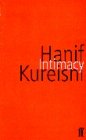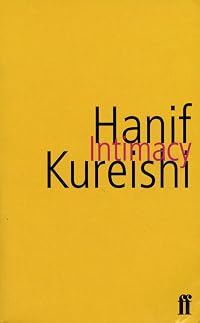
Intimacy
by Hanif Kureishi
On This Page
Description
'It is the saddest night, for I am leaving and not coming back.' Jay is leaving his partner and their two sons. As the long night before his departure unfolds he remembers the ups and downs of his relationship with Susan. In an unforgettable, and often pitiless, reflection of their time together he analyses the agonies and the joys of trying to make a life with another person.Tags
Recommendations



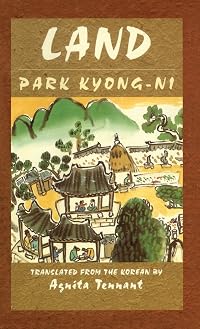

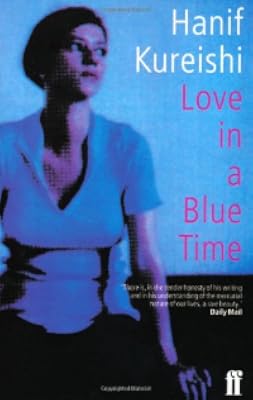

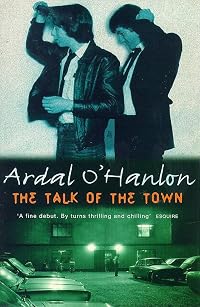
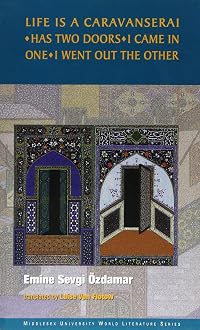









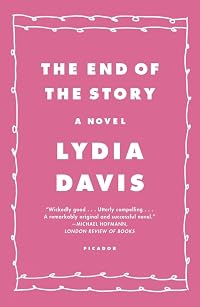
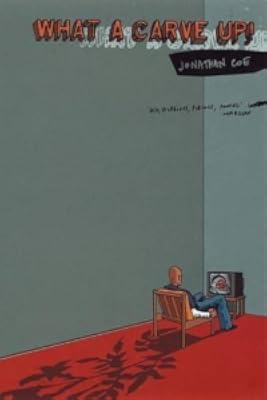
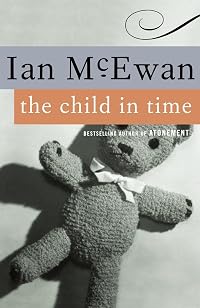
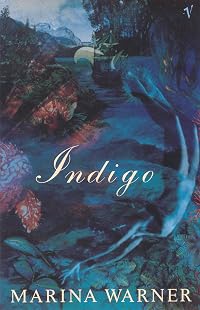
Member Recommendations

susanbooks Note the first lines of each -- Kureishi does such a cool job playing w/Ford
Member Reviews
"Without love, most of life remains concealed. Nothing is as fascinating as love"
'Intimacy' is about adult dissatisfaction and takes the form of the narrator's, Jay, extended meditation on the disintegration of his marriage. The book opens with the line ''It is the saddest night, for I am leaving and not coming back.'' and Jay goes on to explain why he is abandoning Susan, his wife, and their two young sons, aged 5 and 3 and goes on to expound his views on monogamy, parenthood, unhappiness and, of course, intimacy.
Jay is a screenwriter living in a comfortable house in London with his family but he has come dissatisfied with his life and in particular Susan who is the complete antithesis of his girlfriend, Nina, who wears ''cheap, light, show more hippie clothes'' and would ''go any distance for a rave.''
Jay seeks counsel from two friends who represent polarising philosophies. Victor, a divorcee, living in a shabby apartment, a hectic social life and a string of sexual conquests. Asif, a married man who adores his wife and children and despite marital differences wouldn't dream of abandoning it. It is a cot at Victor's place that Jay will move on to.
There is a certain humour in Jay's ruminations but sadly I found him shallow and charmless. For all his obsessive thinking, he understands very little. He is a misogynist who seems incapable of realising that it his own behaviour that has caused the rift in his marriage, making both himself and Susan unhappy in the process. In the end I felt whether or not Jay left Susan became irrelevant. ''I have been trying to convince myself that leaving someone isn't the worst thing you can do to them,'' he says. In Jay's case, it would probably be the best she would be far better off in the long run without him.
"Love cannot be measured by its duration."
So what did I make of the book? Frankly not much. Like Jay it felt shallow, self-indulgent and insubstantial. I felt that the author wanted to shock and titillate rather than be what the blurb seems to suggest, "the most astute and painful dissection of male sexual restlessness". On the plus side my copy was only 155 pages long which I was swiftly able to get through. I suspect that this is something of a marmite book, you will either love or hate it, but personally I cannot understand quite why this book is on the 1001 list because I am sure that there are far better books of a similar vein out there. show less
'Intimacy' is about adult dissatisfaction and takes the form of the narrator's, Jay, extended meditation on the disintegration of his marriage. The book opens with the line ''It is the saddest night, for I am leaving and not coming back.'' and Jay goes on to explain why he is abandoning Susan, his wife, and their two young sons, aged 5 and 3 and goes on to expound his views on monogamy, parenthood, unhappiness and, of course, intimacy.
Jay is a screenwriter living in a comfortable house in London with his family but he has come dissatisfied with his life and in particular Susan who is the complete antithesis of his girlfriend, Nina, who wears ''cheap, light, show more hippie clothes'' and would ''go any distance for a rave.''
Jay seeks counsel from two friends who represent polarising philosophies. Victor, a divorcee, living in a shabby apartment, a hectic social life and a string of sexual conquests. Asif, a married man who adores his wife and children and despite marital differences wouldn't dream of abandoning it. It is a cot at Victor's place that Jay will move on to.
There is a certain humour in Jay's ruminations but sadly I found him shallow and charmless. For all his obsessive thinking, he understands very little. He is a misogynist who seems incapable of realising that it his own behaviour that has caused the rift in his marriage, making both himself and Susan unhappy in the process. In the end I felt whether or not Jay left Susan became irrelevant. ''I have been trying to convince myself that leaving someone isn't the worst thing you can do to them,'' he says. In Jay's case, it would probably be the best she would be far better off in the long run without him.
"Love cannot be measured by its duration."
So what did I make of the book? Frankly not much. Like Jay it felt shallow, self-indulgent and insubstantial. I felt that the author wanted to shock and titillate rather than be what the blurb seems to suggest, "the most astute and painful dissection of male sexual restlessness". On the plus side my copy was only 155 pages long which I was swiftly able to get through. I suspect that this is something of a marmite book, you will either love or hate it, but personally I cannot understand quite why this book is on the 1001 list because I am sure that there are far better books of a similar vein out there. show less
Semi-autobiographical first hand account of a borderline sociopath who is completely self obsessed and not remotely self-aware.
Well okay, the main character is a piece of sh*t, but that's true of a lot of great novels.
It is written very simply -I thought at first maybe it was a bad translation from another language- but I liked the style once I got used to it.
It's a good length.
When I wasn't holding back the urge to fling it across the room or burn it it was pretty enjoyable. It's interesting to try and understand the thought process behind someone doing something like this. But I can't help but feel that the vast majority of humans have more emotional depth than this character, and that the motivations for leaving a family must be show more far more complex for a proper human being.
.
.
.
.
.
For example:
He says that he has to be the one to leave. As if his wife were incapable of running away. As if her staying with the children was the result of being trapped in some kind of cage, rather than a choice she made every day which he was eventually too weak to make.
He says that he did her a favor by cheating on her as it allowed him to stay with her longer. But he started cheating before their first son was born, so if he had been honest from the start she wouldn't have had children with someone more interested in his own convenience than anything else on earth.
His insights into his own culture and the time he grew up are shallow and empty. Everything is a game to him. Everything is about being accepted, admired. There is no sign at any point of a real connection with another human being. The son was of no interest until he was old enough to begin to worship the father.
He is a coward, because it suits him.
For example:
He is too intimidated to talk to her and explain why he's leaving. He knows he can make it easier for her but instead he makes it easier for himself.
Too selfish to sew the seeds of friendship with his wife which could allow the separation to be less stressful for his children, for all of them. show less
This was a strange book: all the reviews say how honest and uncompromising it is, and yet in the end I didn’t believe it. The basic plot is very simple. A man, Jay, is leaving his long-time partner, Susan, and their two young sons. The book is an extended inner monologue by Jay covering the last night before he leaves.
Why didn’t I believe it? For me, the character was too extreme. Plenty of people get bored with their partners and leave them. But things like leaving Susan in the hospital after she’s given birth to his first son, taking the champagne her father has left for her and drinking it with his girlfriend? Ending one section by thinking to himself ‘Cheerio, bitch’? Apparently feeling no guilt at all for abandoning his show more two young sons, even though he is aware of the horrible effects it will have on them from conversations with his friends Victor (who has also left his wife and kids, one of whom tried to kill himself) and Asif (who is a teacher of many kids who’ve been damaged by their parents)? All this is too much to believe, as are some of Jay’s reported sexual exploits with younger women, which sound more like a middle-aged male writer’s pornographic fantasies than the believable actions of the character Jay. It feels as if Kureishi is straining very hard to make Jay as reprehensible as possible. Clearly he is trying to convey a sense of the isolation and lack of moral compass that many people feel, as well as the sexual frustration and powerlessness that many men feel in a feminist age, particularly those old enough to have been brought up in a more male-dominated world. But I think in trying to do so he goes too far, and makes Jay more of a caricature than a character.
What I liked about the book, actually, were the parts that sounded less like fiction and more like an essay on the social development of Britain from the seventies to the nineties. For example he characterises his generation (those who came of age in the seventies) as ‘particularly priveleged and spoilt’, enjoying the freedom won by their elders in the sixties before the ‘cruelties of the eighties.’ He talks of the political convictions of his generation, ‘the last generation to defend communism’, but also of its inability to see the appeal of Thatcherism and therefore to fight it effectively. ‘We were left enervated and confused. Soon we didn’t know what we believed. Some remained on the left; others retreated into sexual politics; some became Thatcherites. We were the kind of people who held the Labour Party back. Still, I never understood the elevation of greed as a political credo. Whey would anyone want to base a political programme on bottomless dissatisfaction and the impossibility of happiness? Perhaps that was its appeal: the promise of luxury that in fact promoted endless work.’
I think he really has captured some important ideas here, and in other similar monologues. But between the islands of political and social truth there is a sea of very unbelievable fiction. While it was not a struggle to get through it, I wouldn’t say it was particularly rewarding either. show less
Why didn’t I believe it? For me, the character was too extreme. Plenty of people get bored with their partners and leave them. But things like leaving Susan in the hospital after she’s given birth to his first son, taking the champagne her father has left for her and drinking it with his girlfriend? Ending one section by thinking to himself ‘Cheerio, bitch’? Apparently feeling no guilt at all for abandoning his show more two young sons, even though he is aware of the horrible effects it will have on them from conversations with his friends Victor (who has also left his wife and kids, one of whom tried to kill himself) and Asif (who is a teacher of many kids who’ve been damaged by their parents)? All this is too much to believe, as are some of Jay’s reported sexual exploits with younger women, which sound more like a middle-aged male writer’s pornographic fantasies than the believable actions of the character Jay. It feels as if Kureishi is straining very hard to make Jay as reprehensible as possible. Clearly he is trying to convey a sense of the isolation and lack of moral compass that many people feel, as well as the sexual frustration and powerlessness that many men feel in a feminist age, particularly those old enough to have been brought up in a more male-dominated world. But I think in trying to do so he goes too far, and makes Jay more of a caricature than a character.
What I liked about the book, actually, were the parts that sounded less like fiction and more like an essay on the social development of Britain from the seventies to the nineties. For example he characterises his generation (those who came of age in the seventies) as ‘particularly priveleged and spoilt’, enjoying the freedom won by their elders in the sixties before the ‘cruelties of the eighties.’ He talks of the political convictions of his generation, ‘the last generation to defend communism’, but also of its inability to see the appeal of Thatcherism and therefore to fight it effectively. ‘We were left enervated and confused. Soon we didn’t know what we believed. Some remained on the left; others retreated into sexual politics; some became Thatcherites. We were the kind of people who held the Labour Party back. Still, I never understood the elevation of greed as a political credo. Whey would anyone want to base a political programme on bottomless dissatisfaction and the impossibility of happiness? Perhaps that was its appeal: the promise of luxury that in fact promoted endless work.’
I think he really has captured some important ideas here, and in other similar monologues. But between the islands of political and social truth there is a sea of very unbelievable fiction. While it was not a struggle to get through it, I wouldn’t say it was particularly rewarding either. show less
I read too many great novels - this is one of them, although it hurts to read it. Nevertheless, it is a book that should be read more than once, I guess, because it is packed with memorable quotes; Kureishi is a master of the English language. The book compares to Saturday by Ian McEwan in that it mirrors the "modern" man, it takes him seriously in all his (our) faults and gives him dignity.
This was a tough book for me to rate, due to its subject matter. The narrator was a repulsive character, and the topic is supposedly semi-autobiographical; however, the writing is quite good.
Jay, like the author, is a London playwright who has decided to leave his partner, who he has never married, and their two young sons, who he loves dearly. However, he is bored in this loveless relationship, and sees no hope that it can be salvaged. He is most happy when he is with his current girlfriend, a young woman who excites and challenges him sexually, though she is not his social or intellectual equal.
This short novel, set in London in the early 1990s, describes the mind set of one restless but decent urban professional approaching middle show more age, who is not ready to settle into a monogamous, steady relationship. I found Jay to be quite superficial, self-absorbed and immature; however, his desires and attitudes remind me of those of a cousin of mine, and couple of former acquaintances, and are spot on with their views. This book may not be for everyone, but it is a well-written, accurate work. show less
Jay, like the author, is a London playwright who has decided to leave his partner, who he has never married, and their two young sons, who he loves dearly. However, he is bored in this loveless relationship, and sees no hope that it can be salvaged. He is most happy when he is with his current girlfriend, a young woman who excites and challenges him sexually, though she is not his social or intellectual equal.
This short novel, set in London in the early 1990s, describes the mind set of one restless but decent urban professional approaching middle show more age, who is not ready to settle into a monogamous, steady relationship. I found Jay to be quite superficial, self-absorbed and immature; however, his desires and attitudes remind me of those of a cousin of mine, and couple of former acquaintances, and are spot on with their views. This book may not be for everyone, but it is a well-written, accurate work. show less
That INTIMACY observes the tragic unities of time and place is indicative of its ambition. Kureishi uses the end of a relationship not only to discuss the tension between sexual and domestic intimacy, but also to examine the intimacy shared by narrator and reader: ironically we are able to do for the taciturn Jay what no one can do for him in life - listen while "the inner storm of [his] intolerable thoughts blows itself out". Indeed, the novel's chief success is to force on us the complicity this intimacy brings with it. This is an exceptionally well written book. The restraint and elegance of Jay's voice is punctured only by his vulgar treatment of sex, which itself suggests that lust is his fatal flaw. The problem with INTIMACY, show more however, is that the protagonist is simply too cruel, too cowardly, and too vain for us to sympathize with his vacillation over whether or not he should abandon his children and their mother. This maybe because Kureishi intends us to focus on the internal 'tragedy' of Jay's existential isolation; but if this is the case, Jay's contemptible efforts to yoke his unhappiness to his generation's disillusionment ("If Marx had been our begetter...Freud was our new father, as we turned inwards") and to elevate his lust to the level of a philosophical tenet loom to large. The same is true of the supporting cast, given that it never develops beyond a projection of Jay's psyche. His lover Nina is a gently pornographic fantasy, his cohabitee Susan an emblem of uxorial "competence"; similarly, his freinds Asif and Victor merely exemplify his crudely polarized view of life as a choice between suburban incarceration and hedonistic abandon ("My kingdom for a come"). Because of this INTIMACY leaves you feeling numbed, rather than moved. show less
I wonder if I am having the following reaction because I am a woman, but I reall felt more sympathy towards his wife, Susan, than with Jay. I spent a lot of the time wanting to slap him out of his self-indulgence, though I did want to know if he'd finally have the balls to walk out - especially when he kept setting up little test for her, putting the blame really on her. I suppose it is more personal, especially as it reads as an internal monologue. Not his best, but worth a read.
Members
- Recently Added By
Published Reviews
ThingScore 75
Doch im Falle dieses Romans läuft die Kritik ins Leere: Was "Rastlose Nähe" rettet, ist das im Titel angekündigte Programm, das konsequent durchgeführt wird: Kureishi rückt seinem Protagonisten unbarmherzig auf den Leib - ohne Scheu vor Tabus, vor einer klischeehaften Sprache oder altmodischen Erzählstrategien; und damit erschwert Kureishi es auch dem Leser, sich von Jays show more Selbstbespiegelungs-Monolog zu distanzieren. show less
added by Indy133
Lists

1001 Books You Must Read Before You Die
1,448 works; 1,134 members

Most Disturbing Books
124 works; 27 members

Love Triangles in Literature
108 works; 15 members

A Novel Cure
742 works; 23 members

Novels set over the course of a single day (or less)
72 works; 8 members

One Day
27 works; 2 members
Author Information

90+ Works 8,988 Members
Hanif Kureishi won England's prestigious Whitbread Prize for his first novel, The Buddha of Suburbia. His screenplays include Sammy and Rosie Get Laid and My Beautiful Laundrette, which received an Oscar nomination for Best Screenplay. His other works include the novels The Black Album and Gabriel's Gift and the short story collection Love in a show more Blue Time. He lives in London. (Publisher Fact Sheets) show less
Some Editions
Awards and Honors
Awards
Notable Lists
Series
Belongs to Publisher Series
rororo (22900)
Work Relationships
Has the adaptation
Common Knowledge
- Canonical title*
- Nell'intimità
- Original title
- Intimacy
- Original publication date
- 1998
- Related movies
- Intimacy (2001 | IMDb)
- First words
- It is the saddest night, for I am leaving and not coming back. Tomorrow morning, when the woman I have lived with for six years has gone to work on her bicycle, and our children have been taken to the park with their ball, I ... (show all)will pack some things into a suitcase, slip out of my house hoping that no one will see me, and take the tube to Victor's place.
- Original language
- English
*Some information comes from Common Knowledge in other languages. Click "Edit" for more information.
Classifications
Statistics
- Members
- 928
- Popularity
- 28,742
- Reviews
- 19
- Rating
- (3.48)
- Languages
- 14 — Basque, Bulgarian, Catalan, Danish, Dutch, English, Estonian, French, German, Italian, Norwegian (Bokmål), Portuguese (Portugal), Spanish, Swedish
- Media
- Paper, Audiobook, Ebook
- ISBNs
- 41
- ASINs
- 10