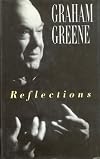
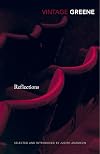
Reflections
by Graham Greene 
On This Page
Description
A varied and stimulating collection of essays from one of the twentieth century's greatest writers UPDATED AND EDITED WITH A NEW INTRODUCTION BY JUDITH ADAMSON Whether reporting from the London cinema, Cotswolds villages, second-hand bookshops, war zones or political trouble spots, Graham Greene's novelistic gifts for detail, drama and compassionate curiosity provide unique and resonant insights into his life and times. To know war on any continent, read 'A Memory of Indo-China'; to glimpse show more high political chicanery, read 'The Great Spectacular'; to feel the flush and aftermath of revolutionary change, take up his pieces about Cuba. Reflections provides an extraordinary mirror on the twentienth century from one of its greatest observers. show lessTags
Recommendations













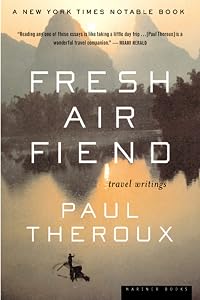


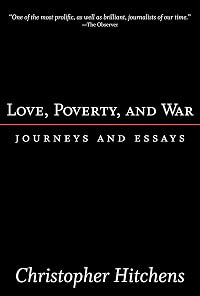


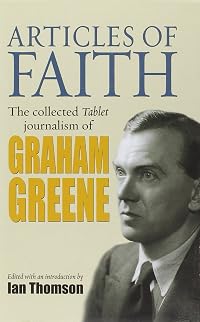

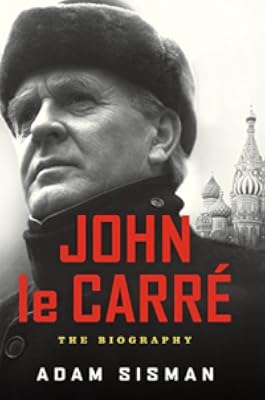


Member Reviews
various essays on then current events, book reviews, and other incidental writings
Ratings
Members
- Recently Added By
Published Reviews
Of course, none of this explains precisely why he neglected to tell us whether that mother in that train compartment ever came back to her child.(In the first story) That I leave to more audacious Freudians with a fresher recollection of Greene's own unhappy childhood. But the incident does serve to catch the reader's attention. And to provide an interesting subtext to what is otherwise a show more basically humdrum collection. show less
added by John_Vaughan
Author Information

356+ Works 87,436 Members
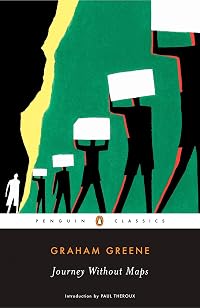
Born in 1904, Graham Greene was the son of a headmaster and the fourth of six children. Preferring to stay home and read rather than endure the teasing at school that was a by-product of his father's occupation, Greene attempted suicide several times and eventually dropped out of school at the age of 15. His parents sent him to an analyst in show more London who recommended he try writing as therapy. He completed his first novel by the time he graduated from college in 1925. Greene wrote both entertainments and serious novels. Catholicism was a recurring theme in his work, notable examples being The Power and the Glory (1940) and The End of the Affair (1951). Popular suspense novels include: The Heart of the Matter, Our Man in Havana and The Quiet American. Greene was also a world traveler and he used his experiences as the basis for many books. One popular example, Journey Without Maps (1936), was based on a trip through the jungles of Liberia. Greene also wrote and adapted screenplays, including that of the 1949 film, The Third Man, which starred Orson Welles. He died in Vevey, Switzerland in 1991. (Bowker Author Biography) show less
Graham Greene has a Legacy Library. Legacy libraries are the personal libraries of famous readers, entered by LibraryThing members from the Legacy Libraries group.
Classifications
- Genre
- Travel
- DDC/MDS
- 828.91209 — Literature & rhetoric English & Old English literatures English miscellaneous writings English miscellaneous writings 1900- English miscellaneous writings 1900-1999 English miscellaneous writings 1900-1945 Individual authors not limited to or chiefly identified with one specific form.
- LCC
- PR6013 .R44 .R37 — Language and Literature English English Literature 1900-1960
- BISAC
Statistics
- Members
- 112
- Popularity
- 289,995
- Reviews
- 1
- Rating
- (3.25)
- Languages
- English, Norwegian (Bokmål), Spanish
- Media
- Paper
- ISBNs
- 10
- ASINs
- 1