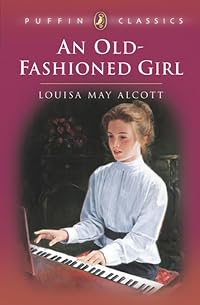
An Old-Fashioned Girl
by Louisa May Alcott
On This Page
Description
Polly's friendship with the wealthy Shaws of Boston helps them to build a new life and teaches her the truth about the relationship between happiness and riches.Tags
Recommendations
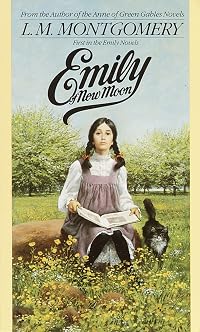
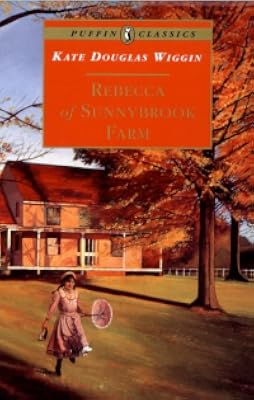
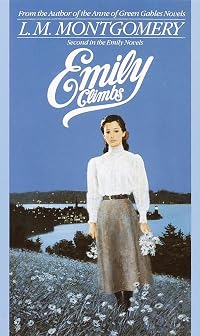
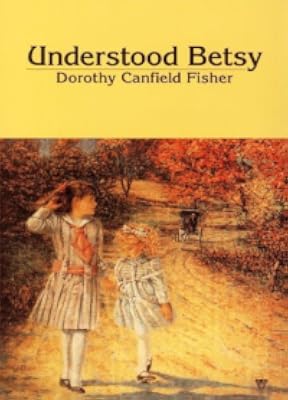

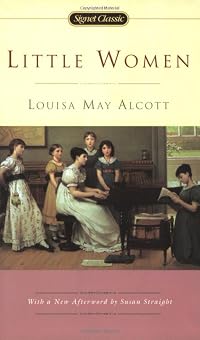
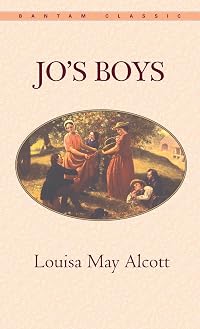

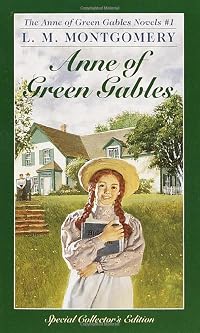
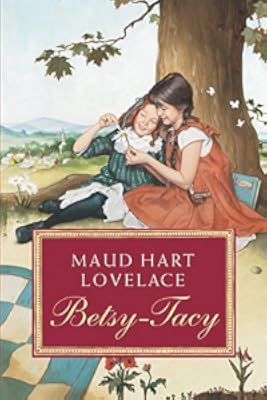


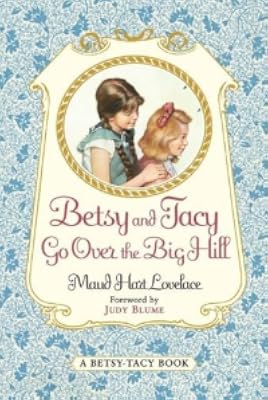

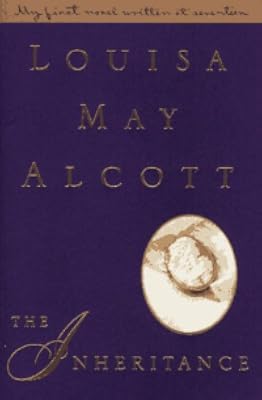
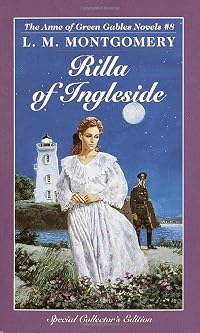
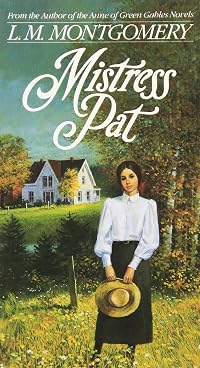
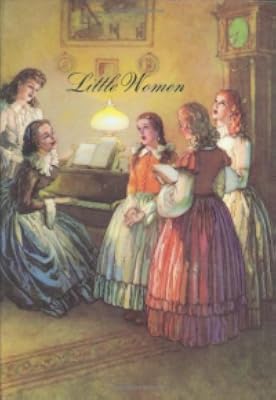
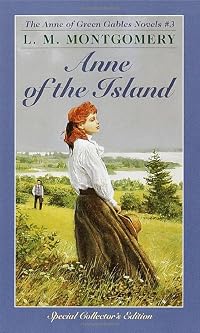
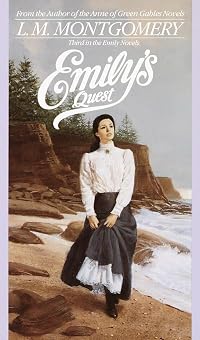

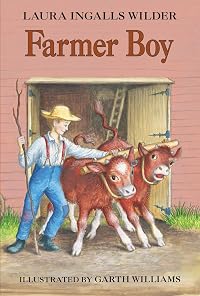



Member Recommendations
Member Reviews
I'm not someone who typically enjoys rereading books, but An Old-Fashioned Girl is one of the rare novels that I come back to again and again and again. The story is simple and charming and sweetly romantic, populated with people I would like to know and who I enjoy following from childhood to adulthood. They're not perfect, but they're goodhearted and while not unafraid to do so, they still face their flaws honestly. Although written more than a century ago, Louisa May Alcott's lessons on the acts and attitudes that "render home what it should be---a happy place where parents and children, brothers and sisters, learn to love and know and help one another" still ring true for me every time.
E’ il primo vero romanzo che ho letto, e gli sono affezionatissima! Questa è stata per me la terza o la quarta lettura, non ricordo, ma è la prima fatta “da adulta”, e volevo farla da tantissimo tempo! Da piccola ho amato davvero molto questo romanzo, molto più di Piccole Donne, e ricordo mi aveva commosso moltissimo. Però… non credevo proprio che avrebbe potuto commuovermi ancora così tanto anche adesso! Invece la lettura mi ha catturata come fece la prima volta a dieci anni! Non c’è niente da fare, Polly ti conquista! Da piccola volevo essere come lei, e già allora mi rendevo conto che la cosa che più mi mancava per esserlo era soprattutto la saggezza di sapere in ogni occasione cosa è giusto e opportuno fare. Una show more cosa di cui sento la mancanza ancora adesso! ;) A parte questo, il libro è davvero delizioso, la Alcott mescola buonismo e ironia al punto giusto, senza risultare quasi mai stucchevole. Certo, in alcune parti ci fa proprio la morale, entrando nella narrazione coi suoi giudizi personali e molto di parte, ma ci piace così! :) E poi rimedia mirabilmente con la freschezza con cui descrive i suoi personaggi! Un’immagine su tutte: le confidenze d’amore tra amiche, parlando “in codice” per iniziali e soprannomi! :)
http://www.naufragio.it/iltempodileggere/3135 show less
http://www.naufragio.it/iltempodileggere/3135 show less
When I began my reread of An Old-fashioned Girl, I looked at the 2 stars I'd rated it years ago and was baffled. But then I finished it and nodded. Yes, indeed, this is an interesting novel, not terrible, but not one I care to revisit.
Let me give some details, so if I ever think I need to read it again, I'll know why I shouldn't.
The first part of the book, when Polly is 14 and visiting the Shaws for the first time, is enjoyable enough. It has some realism to the characters and the country-mouse-in-the-city is rather fun. Polly is awfully good and wholesome, but we know that will be the case from the title, and she is an admirable main character for children of 1869 to read about.
The second part, however, is where I started to have less show more fun, and began to feel like I was reading a Sunday School story - albeit one with interesting characters and troubles. Alcott uses Polly and the Shaws to promote her ideas about home and family being of primary importance, and purposeful work in aid of others as paramount to a happy life. Several sections are flat and strawmannish, so Alcott can have the characters tell each other these things. I don't think Alcott is wrong in anything she promotes, it's just so preachy and stops the good story.
I did find it amusing in a looking at history way that she defends herself as not a "rampant women's rights reformer" even as she argues that women are just as capable as men, perhaps moreso because they can be mothers, too, and they ought to have the vote, as well as meaningful work.
Also amusing: at the beginning of the last chapter, she speaks directly to the reader about how rather than deal with the fuss of unhappy readers, she'll finish the story by letting the romantic pairs all marry off to a happy ever after (and then reneges and leaves one a lifelong spinster).
Somehow I feel fond of the book and glad I've refreshed my memory on the details, but really, it's not a pleasant reread! show less
Let me give some details, so if I ever think I need to read it again, I'll know why I shouldn't.
The first part of the book, when Polly is 14 and visiting the Shaws for the first time, is enjoyable enough. It has some realism to the characters and the country-mouse-in-the-city is rather fun. Polly is awfully good and wholesome, but we know that will be the case from the title, and she is an admirable main character for children of 1869 to read about.
The second part, however, is where I started to have less show more fun, and began to feel like I was reading a Sunday School story - albeit one with interesting characters and troubles. Alcott uses Polly and the Shaws to promote her ideas about home and family being of primary importance, and purposeful work in aid of others as paramount to a happy life. Several sections are flat and strawmannish, so Alcott can have the characters tell each other these things. I don't think Alcott is wrong in anything she promotes, it's just so preachy and stops the good story.
I did find it amusing in a looking at history way that she defends herself as not a "rampant women's rights reformer" even as she argues that women are just as capable as men, perhaps moreso because they can be mothers, too, and they ought to have the vote, as well as meaningful work.
Also amusing: at the beginning of the last chapter, she speaks directly to the reader about how rather than deal with the fuss of unhappy readers, she'll finish the story by letting the romantic pairs all marry off to a happy ever after (and then reneges and leaves one a lifelong spinster).
Somehow I feel fond of the book and glad I've refreshed my memory on the details, but really, it's not a pleasant reread! show less
What a sweet little book. It sort of eddies on in a wholesome way, showing us little Polly’s good influence on everything she touches. L.M.A didn’t make her an absolute angel, she has her own struggles, so at no point did I get fed up with her. It did make me wonder what Alcott’s opinion of me would be, as I sat on the couch in my pyjama’s, having a little snack while reading this book…
I cannot in good conscience give this more than two stars - it's still 'moral pap for the young' as Alcott once described some of her own writing - but it's a far work, less episodic, more ambiguous, better written, and less goody-two-shoes than Little Women. & I totally enjoyed the snarky asides referencing that first book - my favorite being - when "intimidated by the threats, denunciations, and complaints showered upon me in consequence of taking the liberty to end a certain story as I liked, I now yield to the amiable desire of giving satisfaction, and, at the risk of outraging all the unities, intend to pair off everybody I can lay my hands on."
My favorite would-be pairing is left unpaired, but that's a only little pain. Two stars, show more Ms. Alcott! Excellent work. show less
My favorite would-be pairing is left unpaired, but that's a only little pain. Two stars, show more Ms. Alcott! Excellent work. show less
It was a different time, but there is still much to appreciate about this "old-fashioned" novel. With today's fast-paced world and need to "get ahead" at any cost, we sometimes forget what virtues simplicity, honesty, and kindness are.
Polly arrives at the Shaw house when she, Tom, and Fan are young (and Maud quite young) and we watch them all grow and change over the years, particularly influenced by Polly's goodness.
Ignore the focus on marriage and a woman's place (which Polly proves wrong anyway by asserting her independence). This book is really about uncovering the decency in all of us and the truth that we all have room for improvement.
Some of my favorite lines from one of my (still) favorite writers (Louisa May Alcott was a show more master):
Then, as her butterfly acquaintances deserted her, she found her way into a hive of friendly bees...
"Give her a ballot-box," cried a new voice..."Thank you, Kate. I'll put that with the other symbols at her feet; for I'm going to...suggest the various talents she owns, and the ballot-box will show that she has earned the right to use them."
Never mind what happened for a little bit. Love scenes, if genuine, are indescribable. show less
Polly arrives at the Shaw house when she, Tom, and Fan are young (and Maud quite young) and we watch them all grow and change over the years, particularly influenced by Polly's goodness.
Ignore the focus on marriage and a woman's place (which Polly proves wrong anyway by asserting her independence). This book is really about uncovering the decency in all of us and the truth that we all have room for improvement.
Some of my favorite lines from one of my (still) favorite writers (Louisa May Alcott was a show more master):
Then, as her butterfly acquaintances deserted her, she found her way into a hive of friendly bees...
"Give her a ballot-box," cried a new voice..."Thank you, Kate. I'll put that with the other symbols at her feet; for I'm going to...suggest the various talents she owns, and the ballot-box will show that she has earned the right to use them."
Never mind what happened for a little bit. Love scenes, if genuine, are indescribable. show less
When fourteen-year-old Polly Milton goes to stay with her friend Fanny for the summer, she finds that the Shaw family's wealthy city life couldn't be more different from her country upbringing. With her plain clothes and more practical interests, Polly is out of place among a crowd focused on following the latest trends and presenting the right image. One of the few people who doesn't pressure her to fit in is Fanny's brother, Tom, but he's also one of the most annoying people Polly has ever met.
Over the next six years, Polly's annual visits challenge the Shaw family to question their values even as Polly feels pressured to conform to societal expectations, though she remains old-fashioned at heart. As Polly navigates the highs and lows show more of growing up, friendship, love, and fortune, her greatest challenge is being true to herself. show less
Over the next six years, Polly's annual visits challenge the Shaw family to question their values even as Polly feels pressured to conform to societal expectations, though she remains old-fashioned at heart. As Polly navigates the highs and lows show more of growing up, friendship, love, and fortune, her greatest challenge is being true to herself. show less
Members
- Recently Added By
Lists

Favorite Childhood Books
1,651 works; 519 members

Elevenses
316 works; 88 members

Favourite 19th century fiction
257 works; 60 members

Childhood Favorites
427 works; 24 members
Comfort Reads
221 works; 41 members

Books About Girls
219 works; 17 members

Books tagged favorites
390 works; 29 members
Books We Want To Read Again For The First Time
384 works; 160 members

Books Read in 2025
4,128 works; 98 members

Books We Love to Reread
688 works; 297 members

Works in the game of Authors
44 works; 2 members
Books available on Open Library
171 works; 4 members

Classical Conversations Challenge I Exposition
20 works; 1 member

Comedy of Manners
73 works; 1 member
Fiction (Mostly) in Selective Bibliography of American Literature 1775-1900
431 works; 3 members
Books mentioned in The Diary of a Provincial Lady
59 works; 4 members
Books I've Read More Than Once
602 works; 49 members
The Five Books That Represent Us
391 works; 149 members
Author Information

473+ Works 109,260 Members
Louisa May Alcott was born in Germantown, Pennsylvania, in 1832. Two years later, she moved with her family to Boston and in 1840 to Concord, which was to remain her family home for the rest of her life. Her father, Bronson Alcott, was a transcendentalist and friend of Ralph Waldo Emerson and Henry David Thoreau. Alcott early realized that her show more father could not be counted on as sole support of his family, and so she sacrificed much of her own pleasure to earn money by sewing, teaching, and churning out potboilers. Her reputation was established with Hospital Sketches (1863), which was an account of her work as a volunteer nurse in Washington, D.C. Alcott's first works were written for children, including her best-known Little Women (1868--69) and Little Men: Life at Plumfield with Jo's Boys (1871). Moods (1864), a "passionate conflict," was written for adults. Alcott's writing eventually became the family's main source of income. Throughout her life, Alcott continued to produce highly popular and idealistic literature for children. An Old-Fashioned Girl (1870), Eight Cousins (1875), Rose in Bloom (1876), Under the Lilacs (1878), and Jack and Jill (1881) enjoyed wide popularity. At the same time, her adult fiction, such as the autobiographical novel Work: A Story of Experience (1873) and A Modern Mephistopheles (1877), a story based on the Faust legend, shows her deeper concern with such social issues as education, prison reform, and women's suffrage. She realistically depicts the problems of adolescents and working women, the difficulties of relationships between men and women, and the values of the single woman's life. (Bowker Author Biography) show less
Some Editions
Series
Belongs to Publisher Series
Work Relationships
Common Knowledge
- Canonical title
- An Old-Fashioned Girl
- Original title
- An Old-Fashioned Girl
- Alternate titles*
- En präktig flicka
- Original publication date
- 1870
- People/Characters
- Polly Milton; Fanny Shaw; Tom Shaw [An Old Fashioned Girl]; Maud Shaw [An Old-Fashioned Girl]
- Important places
- Boston, Massachusetts, USA
- First words
- "It's time to go to the station, Tom."
- Last words
- (Click to show. Warning: May contain spoilers.)Farther into futurity even this rash pen dares not proceed, but pauses here, concluding in the words of the dear old fairy tales, "And so they were married, and all lived happily till they died."
- Publisher's editor
- Niles, Thomas
- Original language
- English US
*Some information comes from Common Knowledge in other languages. Click "Edit" for more information.
Classifications
- Genres
- Fiction and Literature, Children's Books
- DDC/MDS
- 813.4 — Literature & rhetoric American literature in English American fiction in English Later 19th Century 1861-1900
- LCC
- PZ7 .A335 .O — Language and Literature Fiction and juvenile belles lettres Fiction and juvenile belles lettres Juvenile belles lettres
- BISAC
Statistics
- Members
- 3,370
- Popularity
- 5,018
- Reviews
- 45
- Rating
- (4.00)
- Languages
- 11 — Danish, English, Finnish, German, Hungarian, Italian, Japanese, Norwegian (Bokmål), Portuguese, Spanish, Swedish
- Media
- Paper, Audiobook, Ebook
- ISBNs
- 227
- ASINs
- 95