Nations and Nationalism since 1780: Programme, Myth, Reality
by Eric Hobsbawm
On This Page
Description
Nations and Nationalism since 1780 is Eric Hobsbawm's widely acclaimed and highly readable enquiry into the question of nationalism. Events in the late twentieth century in Eastern Europe and the Soviet republics have since reinforced the central importance of nationalism in the history of the political evolution and upheaval. This second edition has been updated in light of those events, with a final chapter addressing the impact of the dramatic changes that have taken place. Also included show more are additional maps to illustrate nationalities, languages and political divisions across Europe in the nineteenth and twentieth centuries. show lessTags
Recommendations
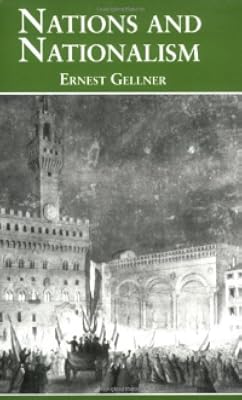

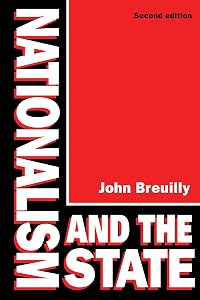
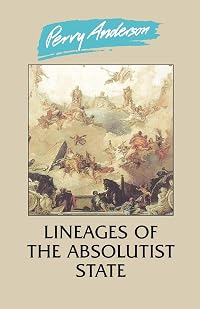
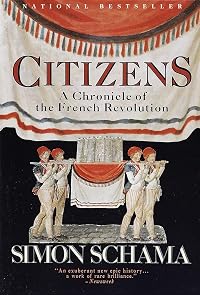








Member Recommendations

Member Reviews
Nagy tudású, szellemes, intelligens történészt olvasni egy engem igen-igen érdeklő témáról – nos, ez fűszere a létnek. Hobsbawm a nemzetfogalom és nacionalizmus történetét tekinti át, de már a címben is elhelyez egy fricskát azoknak, akik szerint a nemzettel kapcsolatos instrukciókat maga Csaba királyfi hozta le a csillagösvényen két turullapockába vésve valamikor az idők kezdetén. Ugyanis a mai értelemben vett nemzet elég ifjú dolog, alig kétszáz éves: a modernitás, meg az 1800-as években ugrásszerűen megnövekedett társadalmi mobilitás következménye – ekkor bomlottak fel ugyanis az addig bevett csoportidentitások, és a helyükön képződött mentális űrben jelent meg a gondolat, hogy show more az állam területén élő egyéneket valami mágikus, láthatatlan szál köti össze: hogy egyenlőek az adott nemzethez tartozásban. Ez az idea, ez az „elképzelt (imaginárius) közösség”, ahogy azt Benedict Anderson megfogalmazta, a XIX. században a liberalizmussal karöltve óriási történelemformáló szereppel bírt, mert átalakította egyén és állam viszonyát, ám mint a dolgok általában (úgymint: alkohol, csoki, rendszeres testmozgás), túladagolva negatív élettani hatásokhoz vezetett. És lőn első világháború, meg a második. A traumák hatására aztán a nacionalizmus veszített erejéből, és Hobsbawm amellett érvel, hogy ezt az erőt nem is nyeri vissza többé – ez abból is látszik, hogy amíg a nemzeti gondolat anno aktív, építő funkcióval bírt, segítette a közoktatás vagy a közegészségügy kibontakozását, addig mostanra defenzív jelenség lett belőle, különböző válságok kísérőjelensége, amit jobbára akkor tűznek zászlajukra a politikusok, ha valami képzelt vagy valós veszéllyel szemben kívánják mozgósítani választóikat. (Valós veszélyen értve azt, hogy esetleg a mondott politikust leváltják posztjáról. Mert ez, valljuk meg, a politikus szempontjából a legvalósabb veszély mind közül.)
A szerző szövevényes érvelési stílussal él – kiindulópontja ugyanis az, hogy a nacionalizmusról nem lehet olyan általános állítást tenni, amire ezeregy ellenpélda ne lenne hozható, ergo a történész akkor jár el tisztességesen, ha nem próbál meg művileg konstruálni egy átláthatónak tetsző definíciót, hanem magát a káoszt ábrázolja. Ez a gyakorlatban úgy néz ki, hogy Hobsbawm sorra beengedi a szövegbe a nemzettudat alapját képező állításokat (közös nyelv, kultúra, történelem, földrajzi hely és etnicitás), mindegyikkel megmérkőzik és cáfolja őket – az állítások pedig egymás után behúzott farokkal, szűkölve oldalognak el. Amiből követezik, hogy a nacionalizmus egy „ilyen nincs, és mégis van”-dolog, egy körvonalazhatatlan, logikailag ezer sebből vérző eszmerendszer – más kérdés, hogy épp ez a körvonalazatlanság az, ami sikerének kulcsa, hisz ez teszi lehetővé, hogy mindenki azt lássa bele, ami neki tetszik. Ugyanis a nacionalizmusok egyik igen keveset vizsgált, de talán leglényegibb eleme maga a „fogyasztó”, vagyis a személy, akire hatnak a nemzettel kapcsolatos hívószavak. Az igazi kérdés, hogy ő mit vár azon döntésétől, hogy hangosan kinyilvánítja nemzethez való tartozását. Hogy olcsóbb lesz a kenyér? Hogy nem sajnálják le az Ausztráliába emigrált nagybácsik? Hogy visszacsatolják Kárpátalját? Hogy egy közösség tagja lesz, és még tagdíjat se kell fizetnie? Vagy hogy legálisan kiélheti agresszióját a közösségen kívüliekkel szemben? Talán ez az igazán érdekes, az ő sokszínű, és minden bizonnyal respektálható igénye egy effajta érzületre. Az meg, hogy miképp írják körül a nemzetet azok, akik a nacionalizmusból fakadó energiákat lefölözik, és a maguk vízimalmát hajtják velük, lényegtelen. Az csak a duma.
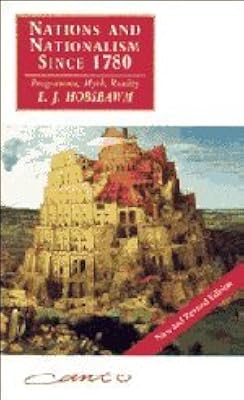
Utólagos megjegyzés: azért ez a könyvborító veretesen ronda. Egy (azt hiszem) lávafröcskölést ábrázoló fotóra rávasalva valami gát sematikus rajza… gondolom, azt akarja jelképezni, hogy a nacionalizmus a láva, és reméljük, jó erős a gát. De akkor is ronda. show less
A szerző szövevényes érvelési stílussal él – kiindulópontja ugyanis az, hogy a nacionalizmusról nem lehet olyan általános állítást tenni, amire ezeregy ellenpélda ne lenne hozható, ergo a történész akkor jár el tisztességesen, ha nem próbál meg művileg konstruálni egy átláthatónak tetsző definíciót, hanem magát a káoszt ábrázolja. Ez a gyakorlatban úgy néz ki, hogy Hobsbawm sorra beengedi a szövegbe a nemzettudat alapját képező állításokat (közös nyelv, kultúra, történelem, földrajzi hely és etnicitás), mindegyikkel megmérkőzik és cáfolja őket – az állítások pedig egymás után behúzott farokkal, szűkölve oldalognak el. Amiből követezik, hogy a nacionalizmus egy „ilyen nincs, és mégis van”-dolog, egy körvonalazhatatlan, logikailag ezer sebből vérző eszmerendszer – más kérdés, hogy épp ez a körvonalazatlanság az, ami sikerének kulcsa, hisz ez teszi lehetővé, hogy mindenki azt lássa bele, ami neki tetszik. Ugyanis a nacionalizmusok egyik igen keveset vizsgált, de talán leglényegibb eleme maga a „fogyasztó”, vagyis a személy, akire hatnak a nemzettel kapcsolatos hívószavak. Az igazi kérdés, hogy ő mit vár azon döntésétől, hogy hangosan kinyilvánítja nemzethez való tartozását. Hogy olcsóbb lesz a kenyér? Hogy nem sajnálják le az Ausztráliába emigrált nagybácsik? Hogy visszacsatolják Kárpátalját? Hogy egy közösség tagja lesz, és még tagdíjat se kell fizetnie? Vagy hogy legálisan kiélheti agresszióját a közösségen kívüliekkel szemben? Talán ez az igazán érdekes, az ő sokszínű, és minden bizonnyal respektálható igénye egy effajta érzületre. Az meg, hogy miképp írják körül a nemzetet azok, akik a nacionalizmusból fakadó energiákat lefölözik, és a maguk vízimalmát hajtják velük, lényegtelen. Az csak a duma.
Utólagos megjegyzés: azért ez a könyvborító veretesen ronda. Egy (azt hiszem) lávafröcskölést ábrázoló fotóra rávasalva valami gát sematikus rajza… gondolom, azt akarja jelképezni, hogy a nacionalizmus a láva, és reméljük, jó erős a gát. De akkor is ronda. show less
Like Hobsbawm's "Invention of Tradition," the ideas of this book will stay with me long after my frustration with their exposition has been forgotten. While Hobsbawm is often considered a good stylist and while his writing is free of jargon, I often find myself struggling to uncoil the meaning of his paragraphs from the turgidity of his prose.
But I love a paradigm challenging thesis and this one is exemplary. Hobsbawm decouples the state from the nation and shows that the latter is often a construct of political convenience rather than an inherent property of peoples. He has a great synthesizing mind which moves supplely from the Tamils of Sri Lanka to the Québécoises of Canada.
But I love a paradigm challenging thesis and this one is exemplary. Hobsbawm decouples the state from the nation and shows that the latter is often a construct of political convenience rather than an inherent property of peoples. He has a great synthesizing mind which moves supplely from the Tamils of Sri Lanka to the Québécoises of Canada.
This is a great study about the nature and history of the concepts of nation and nationalism since the French Revolution. The difficulty (or even the impossibility) of giving a definition encompassing all the meanings of these terms in their various historical situations and contexts is masterly exposed by Hobsbawm. This second edition of the book concludes with some reflections about the explosion of new nationalisms in the wake of Yougoslavia and Soviet Union disapearence: Hobsbawm sees this flurry of nationalism as the unfinished business of 1918, not as part of a new global political programme for the twentieth century, concluding that "the very fact that historians are at least beginning to make some progress in the study and show more analysis of nations and nationalism suggests that (...) the phenomenon is past its peak". He may as well be right... show less
This was a difficult read for me, but very enlightening. Lots of information but I felt the organization was a little lacking—he seemed to jump from point to point and I had trouble following it. Still, it was very interesting, and it seems to confirm what you suspect but don't really know: nations are a construct… EVERYTHING YOU KNOW IS WRONG! Seriously, though, Hobsbawm argues that the version of history taught in public schools—indeed, that public schools themselves—was/were invented to inspire nationalism in the minds of good little patriots. Pledge of Allegiance anyone? This partly explains why there is such a conflict between what historians do and what the general public believes—why there is such a thing as a show more "nationalistic" school of history. Ireland is a case in point. When scientists make a new discovery, it's accepted by the public with ease (except, perhaps, Pluto) but when historians do… people rebel and refuse to believe something they weren't taught in school because of the emotional/nationalistic tie-in. That's how so many national myths get perpetuated. You don't get where I am without realizing how dangerous nationalism can be. show less
Nice survey of nationalism and its causes. Rambles a lot, partly because Hobsbawm has one of the greatest breadths of knowledge I've ever heard of. It's based on a series of lectures and doesn't try to answer all questions. It does an excellent job of identifying areas in which there is a consensus and areas that are not at all clear. Some of his basic points include that mercantilism and capitalism contribute to the formation of modern nations, with the main impetus being the benefits of large, stable politic units on economic growth. Small nationalities (e.g. Welsh) saw benefits of maintaining relationship with larger nations (Brits) because it was to their benefit. Also discussed technological changes that allowed larger show more nationalities to develop. He deals largely with Europe, though, where he apparently believes nationalism begins. He doesn't deal with other regions as much. If you can follow the indirect writing style, this is a very useful book. show less
E.J. Hobsbawm's Nations and Nationalism since 1780 is a captivating look at the theory behind what really makes a nation. It strives to answer how we create our nations, what identity we find within them, and how it affects our everyday lives.
I first read this book during my college years at the University of Arizona. It was a "weed out" book meaning we were assigned to read it within the first week to see who could handle the complex topics and understand them without hesitation.
While it is very hard to read, it offers a vast well of knowledge about nations and nationalism. Although he does miss some very important topics, such as how does gender fit into the concept of nationalism and what really makes a citizen.
I highly recommend show more it to anyone wanting to learn more about why nations exist and what is the theory behind their creation. show less
I first read this book during my college years at the University of Arizona. It was a "weed out" book meaning we were assigned to read it within the first week to see who could handle the complex topics and understand them without hesitation.
While it is very hard to read, it offers a vast well of knowledge about nations and nationalism. Although he does miss some very important topics, such as how does gender fit into the concept of nationalism and what really makes a citizen.
I highly recommend show more it to anyone wanting to learn more about why nations exist and what is the theory behind their creation. show less
Considero relevante tener un conocimiento amplio de historia de los 2 siglos pasados para poder aprovechar lo que aparece en este. En mi caso no ha sido así, y es una lectura a la que volveré.
Members
- Recently Added By
Author Information

165+ Works 18,876 Members
Eric Hobsbawm is a neo-Marxist historian of the Industrial Revolution who pays particular attention to the inequities toward the lower classes, especially in law and politics. (Bowker Author Biography)
Series
Belongs to Publisher Series
Common Knowledge
- Canonical title
- Nations and Nationalism since 1780: Programme, Myth, Reality
- Original title
- Nations and nationalism since 1780. Programme, myth, reality
- Original publication date
- 1990 (1st edition) (1st edition); 1992 (2nd edition) (2nd edition)
- Important events
- French Revolution (1789)
- Original language*
- Anglais (Royaume-Uni) (Royaume-Uni)
*Some information comes from Common Knowledge in other languages. Click "Edit" for more information.
Classifications
- Genres
- History, Nonfiction, General Nonfiction, Politics and Government
- DDC/MDS
- 320.54 — Society, government, & culture Political science Types of Government Political ideologies Nationalism, regionalism, internationalism
- LCC
- JC311 .H577 — Political Science Political theory Political theory. The state. Theories of the state Nationalism. Nation state
- BISAC
Statistics
- Members
- 994
- Popularity
- 26,478
- Reviews
- 12
- Rating
- (3.81)
- Languages
- 13 — Dutch, English, Finnish, French, German, Greek, Hungarian, Italian, Polish, Portuguese, Spanish, Swedish, Turkish
- Media
- Paper, Ebook
- ISBNs
- 45
- ASINs
- 8