A History of My Times
by Xenophon
On This Page
Description
Xenophon's History recounts nearly fifty turbulent years of warfare in Greece between 411 and 362 BC. Continuing the story of the Peloponnesian War at the point where Thucydides finished his magisterial history, this is a fascinating chronicle of the conflicts that ultimately led to the decline of Greece, and the wars with both Thebes and the might of Persia. An Athenian by birth, Xenophon became a firm supporter of the Spartan cause, and fought against the Athenians in the battle of show more Coronea. Combining history and memoir, this is a brilliant account of the triumphs and failures of city-states, and a portrait of Greece at a time of crisis. show lessTags
Recommendations



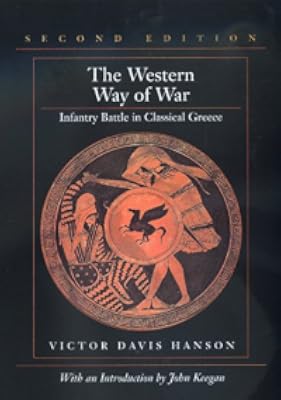

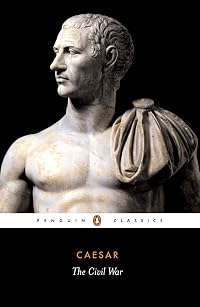
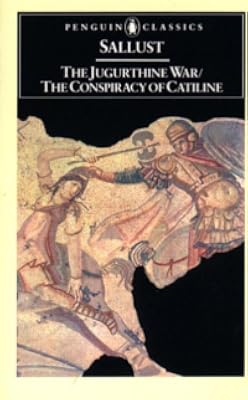
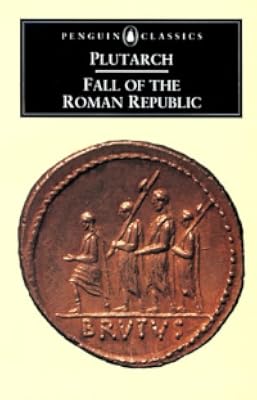










Member Recommendations

Member Reviews
Can you imagine if your life's work survived over 2000 years, only to be remembered as a second-rate imitation of some one else's? That, apparently, is Xenophon's fate, as even the translator's intro compares his work negatively to that of Thucydides, whose work Xenophon intends to add to with his "sequel".
The other criticism Xenophon receives is one of "pro-Sparta bias". It's true a lot of the work prioritises the Spartan point of view, but I find the criticism a little funny because aren't we almost always working from an Athenian bias when it comes to Ancient Greece? Also, it seems like Xenophon had fairly understandable reasons (from his own personal experience) to prefer Sparta over Athens.
Moving on to my own thoughts. It's true show more that I found it less engaging than Thucydides. Xenophon lacks those moments of emotion, the raw descriptions of the soldiers' experience in battle or the terror and misery of defeat. Whether a dry tone is more appropriate to a historical work is a good question, although some of the best history is that which really puts you into the shoes of those who experienced it. There's also the lack of structure, or arc, and again I suppose you could take exception to my complaint that a history book is simply a succession of things happening, since history itself is merely a bunch of things happening, but I find history works best when the author helps you to understand the big picture of what is going on. I found myself constantly wondering "What is the point? Where are we going?" as I proceeded through the endless succession of wars and treaties and wars again.
The ending, however, ties everything together, and if this was Xenophon's intent then honestly it was a stroke of genius. We end with an indecisive battle involving almost all of the powers of Greece - it had been expected that the outcome of the battle would decide the future balance of power for Greece, but instead it ends with nobody better off, and as Xenophon notes, perhaps even more confused than ever. This ending reframed the entire work for me. "What is the point?" is the point! By the end of the book Greece is no better off than where it started. We still have three major powers (Sparta, Athens, Thebes) constantly fighting for control, allying and re-allying in every possible configuration. We still have the Persians and the Macedonians waiting in the wings to take advantage of this strife (or adding fuel to the fire any time it looks like it will settle down).
Don't get me wrong, I don't think the message we're supposed to take away is some nihilistic "nothing matters" one, but rather that we should learn from the foolishness of the Greek nations who could not see beyond their petty grudges and power plays to actually better themselves. If they'd been able to rise above they could have spent that time building something stronger and more enduring, but if I have my vague idea of Greek history correct, they are all about to get conquered by the Macedonians, meaning that all of this was, indeed, absolutely pointless (in hindsight). show less
The other criticism Xenophon receives is one of "pro-Sparta bias". It's true a lot of the work prioritises the Spartan point of view, but I find the criticism a little funny because aren't we almost always working from an Athenian bias when it comes to Ancient Greece? Also, it seems like Xenophon had fairly understandable reasons (from his own personal experience) to prefer Sparta over Athens.
Moving on to my own thoughts. It's true show more that I found it less engaging than Thucydides. Xenophon lacks those moments of emotion, the raw descriptions of the soldiers' experience in battle or the terror and misery of defeat. Whether a dry tone is more appropriate to a historical work is a good question, although some of the best history is that which really puts you into the shoes of those who experienced it. There's also the lack of structure, or arc, and again I suppose you could take exception to my complaint that a history book is simply a succession of things happening, since history itself is merely a bunch of things happening, but I find history works best when the author helps you to understand the big picture of what is going on. I found myself constantly wondering "What is the point? Where are we going?" as I proceeded through the endless succession of wars and treaties and wars again.
The ending, however, ties everything together, and if this was Xenophon's intent then honestly it was a stroke of genius. We end with an indecisive battle involving almost all of the powers of Greece - it had been expected that the outcome of the battle would decide the future balance of power for Greece, but instead it ends with nobody better off, and as Xenophon notes, perhaps even more confused than ever. This ending reframed the entire work for me. "What is the point?" is the point! By the end of the book Greece is no better off than where it started. We still have three major powers (Sparta, Athens, Thebes) constantly fighting for control, allying and re-allying in every possible configuration. We still have the Persians and the Macedonians waiting in the wings to take advantage of this strife (or adding fuel to the fire any time it looks like it will settle down).
Don't get me wrong, I don't think the message we're supposed to take away is some nihilistic "nothing matters" one, but rather that we should learn from the foolishness of the Greek nations who could not see beyond their petty grudges and power plays to actually better themselves. If they'd been able to rise above they could have spent that time building something stronger and more enduring, but if I have my vague idea of Greek history correct, they are all about to get conquered by the Macedonians, meaning that all of this was, indeed, absolutely pointless (in hindsight). show less
Though it took me too long to get through the entire work, I thoroughly enjoy Xenophon. This is primarily because, for him history is personal. He is highly involved and this is his greatest strength as a writer though a weakness as a historian. The translator was relentless about pointing out Xenophon's omissions which, while sometimes annoying, seemed quite justified for Warner to emphasize. The title could easily have been called the decline of Sparta. It was sometimes sad to see Sparta fare so badly in battle when it was obvious that Xenophon was such a fan of Agesilaus and the Spartan state. It could also could have been called the decline of Greece as well. By the final Mantinean expedition all sides seem so thoroughly bled out show more that the shadow of Macedonia looms large to the modern reader. At the end there is no hegemon in Greece and this reader longed to know the perspective of the Thebans, Arcadians and Messenians now that neither Athens or Sparta are the dominant powers. I highly recommend Xenophon if you want to experience the period from the end of the Peloponnesian War to just before the rise of Macedonia, even when the source is unabashedly biased. show less
Thucydides’ The History of the Peloponnesian War ends suddenly with seven more years to go, one man decided to pick up the history and its aftermath which for centuries many readers were grateful for. A History of My Times by Xenophon sees the end of the Second Peloponnesian War and follows the aftermath of that devastating war which saw hegemony move from Sparta to Thebes.
Xenophon begins his history right where Thucydides’ left off and the first two books of the work cover the last seven years of the Peloponnesian War, which saw the return of Alcibiades to the Athenian military and the resultant Athenian naval victories before his second exile and the rise of the Spartan navy that led to the fall of Athens and the establishment of show more the 30 tyrants allied to Spartan hegemony. The internal politics of Athens took centerstage as the reign of the tyrants resulted in a civil war that saw the restitution of Athenian democracy. Book 3 looks at Spartan politics and the campaign of King Agesilaus to Asia Minor to fight the Persians. Book 4 sees the Persians bribe Sparta’s traditional allies and enemies to unite to attack Spartan hegemony as well as end Agesilaus’ campaign. The resulting Corinthian War continues through Book 5 when both sides accept terms by the Persian King in the so-called “King’s Peace”, however five years later a Spartan general captured the Theban acropolis resulting in Sparta controlling the politics of the city until a band of exiles retakes the city and begins reestablishing the Boeotian League with the resulting Boeotian War. Book 6 sees the end of the Boeotian War and Spartan hegemony with the Battle of Leuctra, which inaugurates the short-lived Theban hegemony. Book 7 sees Sparta and Athens ally to battle Theban hegemony even as the former is convulsed with internal rebellion and outside Peloponnesian resistance allowing Thebes to invade the Spartan homeland. The work ends with the second Battle of Mantinea which was a tactical Theban victory but strategic defeat that saw the end of Theban hegemony with all the major powers of Greece weakened from decades of fighting.
In his introduction of the book, George Cawkwell essentially said this history of Greece by Xenophon was a memoir that was circulated amongst his friends who knew all the details of the events Xenophon was writing about. Meaning that modern-day readers like myself are totally in the dark and basically Cawkwell would have to fill us in with his footnotes thanks to other sources from the era that essentially showed that Xenophon was an Athenian-born Spartan partisan and Agesilaus’ fanboy. Though Xenophon mentioned his adventure with the Ten-Thousand expedition against Artaxerxes II, he does not go into it given he had already written the Anabasis and given full details though it might be a better read then this book.
A History of My Times for centuries was thought to be “the” history of the end of the Peloponnesian War and the early 4th Century B.C., but after other sources came to light it turns out Xenophon left a lot of things out. This does not mean that the book is totally worthless, however it needs to be read critically. show less
Xenophon begins his history right where Thucydides’ left off and the first two books of the work cover the last seven years of the Peloponnesian War, which saw the return of Alcibiades to the Athenian military and the resultant Athenian naval victories before his second exile and the rise of the Spartan navy that led to the fall of Athens and the establishment of show more the 30 tyrants allied to Spartan hegemony. The internal politics of Athens took centerstage as the reign of the tyrants resulted in a civil war that saw the restitution of Athenian democracy. Book 3 looks at Spartan politics and the campaign of King Agesilaus to Asia Minor to fight the Persians. Book 4 sees the Persians bribe Sparta’s traditional allies and enemies to unite to attack Spartan hegemony as well as end Agesilaus’ campaign. The resulting Corinthian War continues through Book 5 when both sides accept terms by the Persian King in the so-called “King’s Peace”, however five years later a Spartan general captured the Theban acropolis resulting in Sparta controlling the politics of the city until a band of exiles retakes the city and begins reestablishing the Boeotian League with the resulting Boeotian War. Book 6 sees the end of the Boeotian War and Spartan hegemony with the Battle of Leuctra, which inaugurates the short-lived Theban hegemony. Book 7 sees Sparta and Athens ally to battle Theban hegemony even as the former is convulsed with internal rebellion and outside Peloponnesian resistance allowing Thebes to invade the Spartan homeland. The work ends with the second Battle of Mantinea which was a tactical Theban victory but strategic defeat that saw the end of Theban hegemony with all the major powers of Greece weakened from decades of fighting.
In his introduction of the book, George Cawkwell essentially said this history of Greece by Xenophon was a memoir that was circulated amongst his friends who knew all the details of the events Xenophon was writing about. Meaning that modern-day readers like myself are totally in the dark and basically Cawkwell would have to fill us in with his footnotes thanks to other sources from the era that essentially showed that Xenophon was an Athenian-born Spartan partisan and Agesilaus’ fanboy. Though Xenophon mentioned his adventure with the Ten-Thousand expedition against Artaxerxes II, he does not go into it given he had already written the Anabasis and given full details though it might be a better read then this book.
A History of My Times for centuries was thought to be “the” history of the end of the Peloponnesian War and the early 4th Century B.C., but after other sources came to light it turns out Xenophon left a lot of things out. This does not mean that the book is totally worthless, however it needs to be read critically. show less
"... the stodgiest of all Greek history books ..." In Eton and Kings, 140.
Xenophon's continuation of Thucydides.
Xenophon's continuation of Thucydides' history of his times.
Xenophon's history follows on from Thucydides.
Members
- Recently Added By
Lists

Books Referenced by Izetbegovic's Islam Between East and West
233 works; 2 members
Author Information

Xenophon's life and personality is better known to us, perhaps, than that of any other Greek who lived before Alexander the Great. Much of his considerable output of historical writing and essays is frankly or implicitly autobiographical. He reveals himself as one of those many Athenians and other Greeks who turned to autocratic political models, show more including admiration of Persia, after the excesses of the Athenian democracy led to disaster in the Peloponnesian War. He also reveals himself as much more than a literary man and a critic of his times. A gentleman adventurer and something of a professional soldier, he followed in turn the philosopher Socrates, the Persian prince Cyrus the Younger, and the Spartan king Agesilaus, all of whom he wrote about with an air of close personal knowledge. His works include the autobiographical Anabasis, an account of his service with a mercenary Greek army that marched from Mesopotamia to the Black Sea after the defeat and death of the younger Cyrus. It provides the most detailed single perspective on the military practices and military mentality of Xenophon's age. His Hellenica, by contrast, is an impersonal continuation to the end of the Peloponnesian War of the work of Thucydides and a patchy memoir that concentrates on Sparta's fortunes until the definitive end of its power in 362 b.c. Xenophon's other major works are the Cyropaedia and the rambling Socratic dialogues known as the Memorabilia. The Cyropaedia is a fictional idealization of the career of Cyrus the Great, the only great conqueror known to the Greeks before Alexander. Often regarded merely as a novel, it is a species of a priori historical reconstruction. A retrojection of the military science and political values of the day into a largely unknown Persia of the past, it is intended to explain Cyrus's success on rational principles. The Memorabilia and the Socratic Apology that comes down with them contain nothing of philosophical value but are thought by some scholars to offer a possible corrective to Plato's altogether too Platonic Socrates. Xenophon had a conventional and second-rate mind, but he is a valuable resource because of his mediocrity. He enables us to make contact with an ordinary intellect from a world that often seems dominated by geniuses. (Bowker Author Biography) show less
Some Editions
Series
Belongs to Publisher Series
Work Relationships
Is contained in
Is a (non-series) sequel to
Has as a reference guide/companion
Common Knowledge
- Canonical title
- A History of My Times
- Original publication date
- c. 355 BCE
- Important places
- Athens, Greece
- Original language
- Ancient Greek
Classifications
- Genres
- History, Nonfiction, General Nonfiction
- DDC/MDS
- 938.05 — History & geography History of ancient world (to ca. 499) Greece to 323 Greece to 323 Peloponnesian War (431-404 BC)
- LCC
- DF229 .X413 — History of Europe, Asia, Africa and Oceania Greece History of Greece History By period Peloponnesian War, 431-404 B.C.
- BISAC
Statistics
- Members
- 951
- Popularity
- 27,903
- Reviews
- 7
- Rating
- (3.73)
- Languages
- 11 — Chinese, Dutch, English, French, German, Greek (Ancient), Italian, Norwegian (Bokmål), Russian, Serbian, Spanish
- Media
- Paper, Audiobook, Ebook
- ISBNs
- 22
- ASINs
- 12