On This Page
Description
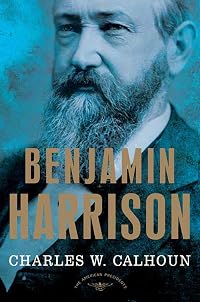
Politics was in Benjamin Harrison's blood. His great-grandfather signed the Declaration of Independence and his grandfather, William Henry Harrison, was the ninth president of the United States. Harrison, a leading Indiana lawyer, became a Republican Party champion, even taking a leave from the Civil War to campaign for Lincoln. After a scandal-free term in the Senate -- no small feat in the Gilded Age -- the Republicans chose Harrison as their presidential candidate in 1888. Despite losing show more the popular vote, he trounced the incumbent, Grover Cleveland, in the electoral college. In contrast to standard histories, which dismiss Harrison's presidency as corrupt and inactive, Charles W. Calhoun sweeps away the stereotypes of the age to reveal the accomplishments of our twenty-third president. With Congress under Republican control, he exemplified the activist president, working feverishly to put the Party's planks into law and approving the first billion-dollar peacetime budget. But the Democrats won Congress in 1890, stalling his legislative agenda, and with the First Lady ill, his race for reelection proceeded quietly (she died just before the election). In the end, Harrison could not beat Cleveland in their unprecedented rematch. show lessTags
Recommendations


Member Reviews
There are a lot of candidates for Worst Ever American President -- Richard Nixon, Warren G. Harding, Franklin Pierce, and of course the incomparably worthless James Buchanan. Benjamin Harrison surely does not belong in that company. But he may well deserve an award for "most bloodless."
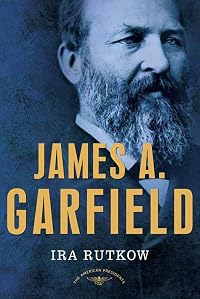
This book tries hard to make something of Harrison. It stresses all the work he was constantly doing, and the many roles he played in government and society. But Harrison never comes to life -- and it's by no means clear that it's the author's failing. I was struck, for instance, by just how much Harrison's presidency resembled that of James A. Garfield. They had similar backgrounds -- civilians who had joined the Union army as generals, been made show more colonels in the armies of their states, reached brigade command by seniority, then ended up as generals. Both were dark horse candidates at the Republican convention. They both won 48% of the vote (in Garfield's case, that gave him a bare plurality; in Harrison's, it left him just short, but the percentages were very close). They won almost the same states -- the only differences were that Garfield lost and Harrison won California and Nevada. They even picked two of the same senior cabinet officers, Secretary of State James G. Blaine and Treasury Secretary William Windom. Harrison got to serve out his term, of course, unlike Garfield who had been assassinated -- but it's as if nothing had changed. Harrison changed the emphasis of his administration, but there were no new ideas, just new people to disagree with.
In the end, I came away from this book utterly cold. That could be Harrison's personality; it could be author Calhoun's inability to describe that personality. But I strongly suspect it was Harrison. Harrison is unusual in that he was twice nominated for president, and lost the popular vote both times. Little surprise. His opponent Grover Cleveland may not have been quite as intellectually gifted as Harrison, but he was a warm and lively man. And warm candidates beat cold fish almost every time. show less
This book tries hard to make something of Harrison. It stresses all the work he was constantly doing, and the many roles he played in government and society. But Harrison never comes to life -- and it's by no means clear that it's the author's failing. I was struck, for instance, by just how much Harrison's presidency resembled that of James A. Garfield. They had similar backgrounds -- civilians who had joined the Union army as generals, been made show more colonels in the armies of their states, reached brigade command by seniority, then ended up as generals. Both were dark horse candidates at the Republican convention. They both won 48% of the vote (in Garfield's case, that gave him a bare plurality; in Harrison's, it left him just short, but the percentages were very close). They won almost the same states -- the only differences were that Garfield lost and Harrison won California and Nevada. They even picked two of the same senior cabinet officers, Secretary of State James G. Blaine and Treasury Secretary William Windom. Harrison got to serve out his term, of course, unlike Garfield who had been assassinated -- but it's as if nothing had changed. Harrison changed the emphasis of his administration, but there were no new ideas, just new people to disagree with.
In the end, I came away from this book utterly cold. That could be Harrison's personality; it could be author Calhoun's inability to describe that personality. But I strongly suspect it was Harrison. Harrison is unusual in that he was twice nominated for president, and lost the popular vote both times. Little surprise. His opponent Grover Cleveland may not have been quite as intellectually gifted as Harrison, but he was a warm and lively man. And warm candidates beat cold fish almost every time. show less
Sadly, this is a short biography of Benjamin Harrison....it seems no comprehensive ones have been written. This seems like a wasted opportunity, since although we often think of most of the Gilded Age presidents as stewards for the country who did little, Harrison accomplished quite a bit in four years. There were dramatic points in his presidency and in his personal life as well, which could be filled out and expounded upon. Still, this is a great, short introduction to a forgotten president who does not deserve to be forgotten.
I so wish this had been longer. Benjamin Harrison has the reputation as a forgettable president. His presidency may not have amounted to much, but his life is definitely worth a more in-depth look (not three volumes as an earlier work, but something more substantial than this).
As they are today, tariffs were the talk of Washington during Harrison's time in office. So, it was interesting to read about there use in an earlier presidency. Also of interest was Harrison's tumultuous relationship with his secretary of state, James Blaine. I wish there had been more writing of substance about Harrison's relationship with his first wife, Caroline. As it is, the primary relationship focus seems to be with his second, Mary Scott Dimmick, a niece show more of his first wife. I wish the family life had been further explored.
I understand that this was supposed to be a slim volume summarizing Harrison's life. It felt too brief. show less
As they are today, tariffs were the talk of Washington during Harrison's time in office. So, it was interesting to read about there use in an earlier presidency. Also of interest was Harrison's tumultuous relationship with his secretary of state, James Blaine. I wish there had been more writing of substance about Harrison's relationship with his first wife, Caroline. As it is, the primary relationship focus seems to be with his second, Mary Scott Dimmick, a niece show more of his first wife. I wish the family life had been further explored.
I understand that this was supposed to be a slim volume summarizing Harrison's life. It felt too brief. show less
This short work is a part of the American Presidents series of short biographies of our nation’s chief executives.
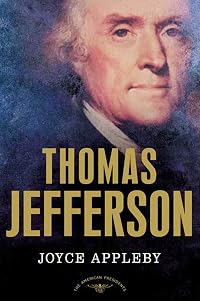
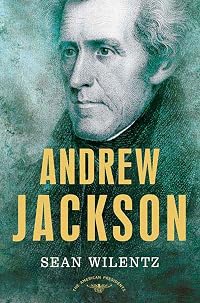
I wouldn’t recommend the American Presidents series for Presidents such as Washington, Jefferson, Jackson, Lincoln, Grant, either Roosevelt or most of the Presidents in the 20th century. However, for many of the 19th century Presidents, 200 pages of material will contain about all the material you need to know about Presidents such as Harrison, Tyler, Buchanan, Arthur, Garfield, Van Buren, Fillmore, Hayes, etc.
Benjamin Harrison was an Indiana attorney who became the Republican nominee for President, immediately following the first term of Grover Cleveland. Harrison was something of a pragmatist and a hard-working show more reformer who ensured his subsequent re-election defeat by refusing to satisfy the party regulars with sufficient patronage appointments.
Interestingly, there is much discussion throughout the book about his “relationship” with his wife’s niece, Mame Dimmitt, thirty years his junior. It was pretty obvious throughout the book that the relationship was not platonic, though the author never comments on it until Harrison’s wife dies and he marries Dimmitt a short time later.
Harrison is a perfect subject for the series, because 200 pages of material is about all you need to know about the man. show less
I wouldn’t recommend the American Presidents series for Presidents such as Washington, Jefferson, Jackson, Lincoln, Grant, either Roosevelt or most of the Presidents in the 20th century. However, for many of the 19th century Presidents, 200 pages of material will contain about all the material you need to know about Presidents such as Harrison, Tyler, Buchanan, Arthur, Garfield, Van Buren, Fillmore, Hayes, etc.
Benjamin Harrison was an Indiana attorney who became the Republican nominee for President, immediately following the first term of Grover Cleveland. Harrison was something of a pragmatist and a hard-working show more reformer who ensured his subsequent re-election defeat by refusing to satisfy the party regulars with sufficient patronage appointments.
Interestingly, there is much discussion throughout the book about his “relationship” with his wife’s niece, Mame Dimmitt, thirty years his junior. It was pretty obvious throughout the book that the relationship was not platonic, though the author never comments on it until Harrison’s wife dies and he marries Dimmitt a short time later.
Harrison is a perfect subject for the series, because 200 pages of material is about all you need to know about the man. show less
It's quite amazing that so often biographers of US presidents tend to make the subject of their biographies look better and to demean other presidents. This is my main gripe with this work. Groover Cleveland - although not without his own problems (who doesn't have them) - arguably had more positive influence on the course of US history than Benjamin Harrison. Yet, author practically ignores Cleveland as some hack and glosses over problems associated with Harrison's term.
Brief but excellent examination of the 23rd U.S. president and the second president named Harrison. This short biography covers the prominent portions of Harrison's life without the massive detail, but also without the turgid drudgery, of Harry Sievers's three-volume biography, the only substantial biography of Harrison thus far available.
A quick read with just enough info for my purposes. He obviously liked Harrison and didn't like Grover Cleveland all that much. He also wrote a book called The Gilded Age, another topic in which I am interested but I didn't add it to my to-read list cuz I didn't like this one enough to read another one by the same author.
Members
- Recently Added By
Lists

The Presidents
42 works; 2 members
Author Information
11+ Works 479 Members
Charles W. Calhoun is the Thomas Harriot College of Arts and Sciences Distinguished Professor of History at East Carolina University. He is the author of Minority Victory: Gilded Age Politics and the Front Porch Campaign of 1888 and Benjamin Harrison: The 23rd President, 1889-1893.
Series

Common Knowledge
- Canonical title
- Benjamin Harrison
- Original publication date
- 2005
- People/Characters
- Benjamin Harrison; James G. Blaine; Grover Cleveland; Mary Scott Dimmick; Walter Q. Gresham; Caroline Lavinia Harrison (show all 9); Mary Harrison McKee; William McKinley; Matthew S. Quay
- Important places
- USA
- Important events
- United States presidential election (1888, 1892); Sherman Silver Purchase Act
- Dedication
- To Ben Walker
- First words
- Introduction
In The Education, Henry Adams wrote that Benjamin Harrison "was an excellent President, a man of ability and force; perhaps the best President the Republican Party had put forward since Lincol... (show all)n's death."
Classifications
- Genres
- Nonfiction, History, Biography & Memoir
- DDC/MDS
- 973.8 — History & geography History of North America United States The Gilded Age, Reconstruction, Spanish American War (1865-1901)
- LCC
- E702 .C35 — History of the United States United States Late nineteenth century, 1865-1900 Benjamin Harrison's administration, 1889-1893
- BISAC
Statistics
- Members
- 256
- Popularity
- 126,646
- Reviews
- 8
- Rating
- (3.31)
- Languages
- English
- Media
- Paper, Ebook
- ISBNs
- 3
- ASINs
- 1