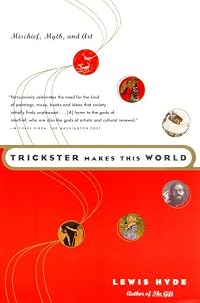
Trickster Makes This World: Mischief, Myth, and Art
by Lewis Hyde
On This Page
Description
In Trickster Makes This World, Lewis Hyde brings to life the playful and disruptive side of human imagination as it is embodied in trickster mythology. He first visits the old stories-Hermes in Greece, Eshu in West Africa, Krishna in India, Coyote in North America, among others-and then holds them up against the lives and work of more recent creators: Picasso, Duchamp, Ginsberg, John Cage, and Frederick Douglass. Twelve years after its first publication, Trickster Makes This show more World-authoritative in its scholarship, loose-limbed in its style-has taken its place among the great works of modern cultural criticism. This new edition includes an introduction by Michael Chabon. show lessTags
Recommendations


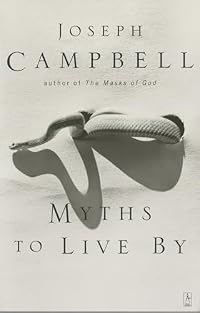
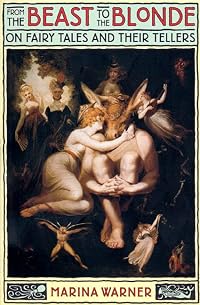
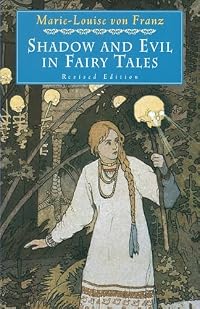


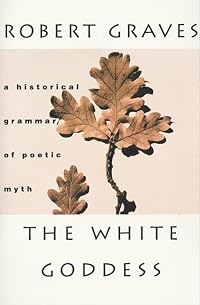






Member Recommendations
Member Reviews
Trickster Makes This World solidifies Lewis Hyde's reputation as, in Robert Bly's words, "the most subtle, thorough, and brilliant mythologist we now have." In it, Hyde now brings to life the playful and disruptive side of human imagination as it is embodied in trickster mythology. He first revisits the old stories--Hermes in Greece, Eshu in West Africa, Krishna in India, Coyote in North America, among others--and then holds them up against the life and work of more recent creators: Picasso, Duchamp, Ginsberg, John Cage, and Frederick Douglass. Authoritative in its scholarship, loose-limbed in its style, Trickster Makes This World ranks among the great works of modern cultural criticism.
Masterful non-fiction writing: A brilliantly written, funny and moving book--filled with substantial scholarship and honest about its own stakes. To tell you the truth, I was moved to write this review by the two reviews below, both of which fall pretty wide of the mark. First, this is an amazingly well-written book, and that goes for both Hyde's prose style and his winding structure. His reflections of his own project do not upstage the subject matter but rather deepen and situate it in "time-haunted history." I wonder why anyone would expect or want a book about tricksters to be linear and transparent. By this I don't mean to suggest that Hyde is exactly "performing" the trickster in his writing. He announces his approach perfectly show more well: Saturn dreams of Mercury.
I suspect that this book will frustrate all species of lazy reader because it asks for a sustained, continuous, and thorough reading. All the chapters are rewarding individually, but they are best read sequentially. If you want to be able to look at a table of contents and pick one or two chapters by topic, find a doctoral thesis, or a utilitarian academic monograph. show less
Objectively the book is an interesting look into the different trickster mythologies, how they interconnect, and the possible overarching themes of them all. However, I personally found the information to be presented in a jumbled form and it was hard to follow. At certain parts, I was left wondering what this part had to do with anything else, and sometimes found myself battling through to actually get to the end.
If you like reading about myths and legends or you're a anthropology lover this is a really good read. One might say the author stretches his Trickster analysis when examining actual artists, but I think it's a technique that's excellent for prompting one to really start looking at the myths and the functions they serve in both our cultures and other cultures. As you read the book you can feel the inquisitiveness of the author as well as a sense of play. He's not saying Fredrick Douglass is a trickster, but he does apply some lessons learned from looking at how people react to Tricksters and how the Trickster reacts to himself to shed some light on Douglass actions.
I read most of the book straight through and took a little longer show more reading the appendixes and re-reading parts of the book. A good read and I"m hoping to track down more of the author's work. show less
I read most of the book straight through and took a little longer show more reading the appendixes and re-reading parts of the book. A good read and I"m hoping to track down more of the author's work. show less
I think I wanted a book of trickster myths without interpretation. His editorials got on my nerves, but I suspect it was my mood, not his fault.
I think I wanted a book of trickster myths without interpretation. His editorials got on my nerves, but I suspect it was my mood, not his fault.
mythology
Members
- Recently Added By
Lists

To Read
37 works; 1 member

Mo's Reading List
218 works; 1 member

Story/Myth Reading List
25 works; 1 member

Top Five Books of 2024
795 works; 264 members
Author Information

12+ Works 3,163 Members
Some Editions
Common Knowledge
- Original title
- Trickster Makes This World: Mischief, Myth, and Art
- Original publication date
- 1997-12-31
- First words
- (Introduction): The first story I have to tell is not exactly true, but it isn't exactly false, either.
The trickster myth derives creative intelligence from appetite. - Last words
- (Click to show. Warning: May contain spoilers.)If Monkey/Wittman could only get the peaches and be himself at the party, he could love Taña and write an American play with Chinese roots, if the accidental could become part of the ideal, then America would "rise green again," A New World made anew.
- Blurbers
- Dirda, Michael; Bercovitch, Sacvan; Atwood, Margaret
- Original language
- English
Classifications
- Genres
- Anthropology, Nonfiction, General Nonfiction, Art & Design, Literature Studies and Criticism, Religion & Spirituality
- DDC/MDS
- 398.2 — Social sciences Customs, etiquette & folklore Folklore Folk literature
- LCC
- GR524 .H93 — Geography, Anthropology and Recreation Folklore Folklore By subject Supernatural beings, demonology, fairies, ghosts,
- BISAC
Statistics
- Members
- 1,043
- Popularity
- 24,591
- Reviews
- 8
- Rating
- (3.96)
- Languages
- English, Italian, Portuguese
- Media
- Paper, Audiobook, Ebook
- ISBNs
- 13
- ASINs
- 10