

I Never Promised You a Rose Garden
by Joanne Greenberg, Hannah Green
On This Page
Description
Chronicles the three-year battle of a mentally ill, but perceptive, teenage girl against a world of her own creation, emphasizing her relationship with the doctor who gave her the ammunition of self-understanding with which to destroy that world of fantasy.Tags
Recommendations














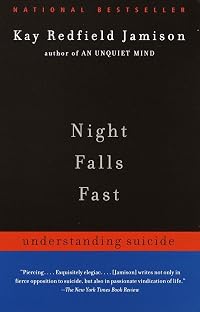
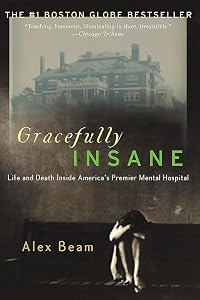

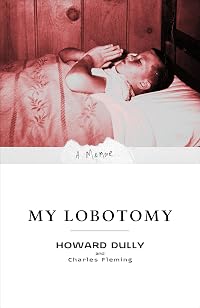


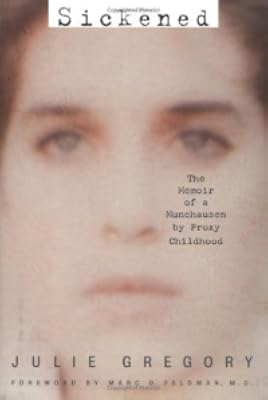



















Member Recommendations


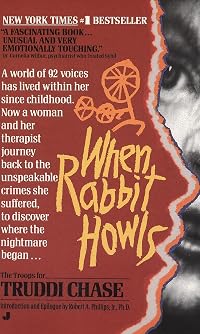
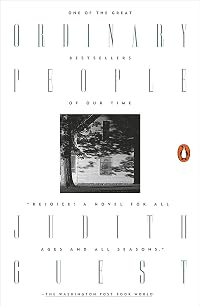
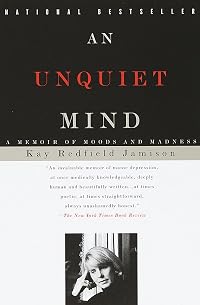
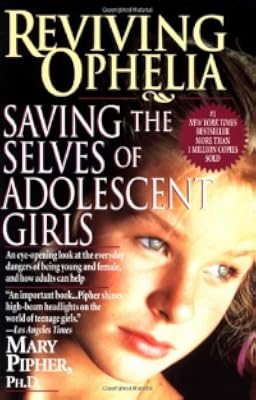
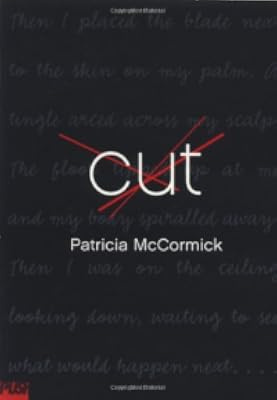
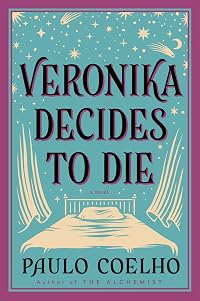
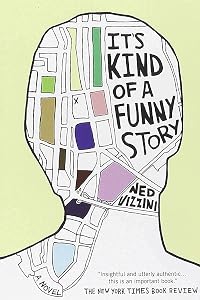
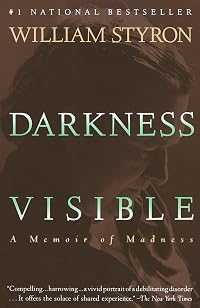
kerravonsen Both these books show a courageous struggle with mental illness, growing towards health, and the importance of friendship and love in that process.

Member Reviews
Deborah Blau is a 16-year-old Jewish girl living in a wealthy household with everything going for her, except for the fact that she’s schizophrenic and very, very ill indeed. So ill, in fact, that much as her parents want to deny the truth, they are eventually persuaded to send her to a private mental hospital for treatment. Once there, Deborah quickly escalates until she is sent to D Ward, where the most extreme crazies are locked up; and once *there*, she finally begins to heal, with the aid of a famous and deeply empathetic psychiatrist….This is a multiple-time re-read for me; I think with all the craziness going on in the real world these days, I just felt an urge to dive into an unreal crazy world for a respite. Although show more published in 1964 and set, I think, more in the late 1950s, the story holds up very well some 56 years later. The imagery, both in terms of how the D Ward is portrayed and the very poetic fantasy world of Yr that Deborah inhabits, still feels very credible and true, and the characters of inmates and staff also ring true. This is one of my all-time favourite books about madness, and well worth searching out if it’s still in print; recommended. show less
This book made me want to punch someone in the face. Preferably the therapist (if he's fictional, the author will do just as well). It manages to -- simultaneously -- glamorize and demonize mental illness -- and make the therapist into a god-like hero WHO HAS LIKELY SPRUNG FULLY-FORMED OFF THE FOREHEAD OF ZEUS.
I read it. And then I sat under a birch tree and cried. Such a fucking, godforsaken waste.
I read it. And then I sat under a birch tree and cried. Such a fucking, godforsaken waste.
One of the smartest and absorbing books I've ever read. Mental illness is described so accurately and intensely that it was at times difficult or even scary for me to read this, as if I could fall into that perspective. Its style blends elements of genius and schizophrenic thoughts in such a way that they are at times inseparable.
While I was buying this book my son's ex-girlfriend was committing suicide. I started reading it 5 hours later, as soon as I found out about Morgan’s death, and finished it the day of her funeral. The "happy" ending of the book gave me no cheer because I know that for people suffering from mental illness, as with Morgan, and to some extent with me, "happy" isn't always the outcome.
I think I bought this book in part because I was hoping to see some inkling of what I go through printed on the page, evidence in practiced prose. Like the Oprah show about menopause, a book to show me I’m not alone, or even that I’m not “that” crazy.
These are the words that spoke to me:
…It was if she had her head down from then on waiting for the show more blows…
Deborah's mind, already exhausted and dulled by another day in the world, grappled for Suzy's feeling. …
"She really loves you very much," Esther said. "The whole family is doing everything it can-all the roads have been smoothed over." All Deborah heard were the sounds of her own gasps of exhaustion as she climbed an Everest that was to everyone else an easy and level plain. As she reeled and pulled on the endless, vertical cliff, she felt that every favor, every easing, was an unpaid debt heaped upon her by loving tormenters and weighing like lumps of lead. Among equals gratitude is reciprocal; her gratitude to these Titans, who called themselves average and were unaware of their own tremendous strength in “being able to live”, only made her feel more lost, inept, and lonely than ever. show less
I think I bought this book in part because I was hoping to see some inkling of what I go through printed on the page, evidence in practiced prose. Like the Oprah show about menopause, a book to show me I’m not alone, or even that I’m not “that” crazy.
These are the words that spoke to me:
…It was if she had her head down from then on waiting for the show more blows…
Deborah's mind, already exhausted and dulled by another day in the world, grappled for Suzy's feeling. …
"She really loves you very much," Esther said. "The whole family is doing everything it can-all the roads have been smoothed over." All Deborah heard were the sounds of her own gasps of exhaustion as she climbed an Everest that was to everyone else an easy and level plain. As she reeled and pulled on the endless, vertical cliff, she felt that every favor, every easing, was an unpaid debt heaped upon her by loving tormenters and weighing like lumps of lead. Among equals gratitude is reciprocal; her gratitude to these Titans, who called themselves average and were unaware of their own tremendous strength in “being able to live”, only made her feel more lost, inept, and lonely than ever. show less
"I Never Promised You a Rose Garden" is a book about a late-teenage girl who is put in a mental hospital and diagnosed with paranoid schizophrenia. Torn between a vivid and alluring, albeit dangerous, world of her mind's own making and reality, the protagonist struggles to regain her sanity throughout the novel. Greenberg writes her characters into existence with sensitivity and attention to detail, allowing readers to form close bonds with the characters. I read this book when I was about 15 and it has stuck with me for the same reasons I think it will resonate with future students: the protagonist is alienated from her peers and family by her illness, she questions herself, her sanity, and the world around her, and it allows one to show more better understand the horrors of being trapped in a world that is unpredictable and sometimes dangerous. This is not a book with a happy ending; this is not a feel-good read. This is a thought provoking chronicle of a young, innocent, girl just trying to figure out which way is up, and which is down. Though not everybody has a mental illness such as this, the protagonist's struggle to find herself and calm her mind is theme that everybody can relate to, even long after adolescence. show less
I have had this book lying around A WHILE and figured it was now or never. I am glad I started reading this before seeing a blurb on the back that says something about "the seductive world of insanity" because ick. The words inside were much better than expected, offering a look into the mind of one woman suffering mental illness. I really did expect worse, and definitely more cliches, but there were some insightful gems here, especially for being written in 1964. I do not regret reading this one bit.
It's about a teenager suffering from schizophrenia... experiencing a complex, detailed inner world where other personae speak to her... This young woman- Deoborah- is sent by her family to a mental hospital where she receives therapy and lives on a ward with other patients. Use of medication is crude and rudimentary- it seems to be limited to sedatives. I have to make myself remember that the book is placed squarely in its time- it was written in the sixties, and the story takes place during the forties. So please note if you read it that people worked with the knowledge they had, at the time. In the book, a lot of emphasis is placed on the importance of therapy- Deobrah's therapist spends hours digging through her memories to sift out show more the cause of her withdrawl from the world, the reason the people in her head censor her actions and punish her, the traumas she may have suffered when very young that marred her psyche. I don't think it quite works like that? As far as I can understand, medication treats the condition and therapy helps, but the cause is not a childhood trauma as this story implies.
Regardless, it's very well-written and the characters are vivid- not just Deborah, but the other patients she interacts with, the staff at the hospital, her fierce and compassionate therapist. As a younger reader, I was fascinated with and baffled by the demanding, inscrutable 'gods' that peopled Deborah's inner world- now I found them more easy to see through. I still enjoy the wordplay, the often-beautiful way Deborah spoke in metaphors. I noticed this book delves into what the family went through at home- what to tell relatives, how to deal with their own guilt and worry. It even has a few chapters from the therapist's point of view. And I appreciated that the main character realizes at the end that while there is no permanent cure for her condition, there can be a great alleviation of suffering, and the capability of leading a productive life. Deobrah's story felt a bit rushed at the end- while it did address the very different struggles she had to integrate back into the regular world when her stay at the hospital was over, it went through that without much depth, compared to all the pages spent on therapy sessions and conversations with fellow patients.
Still, a good read, if you keep in mind how long ago it was written. At first, the frequency of the author telling stuff irritated me, but I got used to it as a style of the writing and was okay with it later on (something I often can't tolerate in more modern books). The voice overall does feel surprisingly relevant and current, in spite of its timeframe.
more at the Dogear Diary show less
Regardless, it's very well-written and the characters are vivid- not just Deborah, but the other patients she interacts with, the staff at the hospital, her fierce and compassionate therapist. As a younger reader, I was fascinated with and baffled by the demanding, inscrutable 'gods' that peopled Deborah's inner world- now I found them more easy to see through. I still enjoy the wordplay, the often-beautiful way Deborah spoke in metaphors. I noticed this book delves into what the family went through at home- what to tell relatives, how to deal with their own guilt and worry. It even has a few chapters from the therapist's point of view. And I appreciated that the main character realizes at the end that while there is no permanent cure for her condition, there can be a great alleviation of suffering, and the capability of leading a productive life. Deobrah's story felt a bit rushed at the end- while it did address the very different struggles she had to integrate back into the regular world when her stay at the hospital was over, it went through that without much depth, compared to all the pages spent on therapy sessions and conversations with fellow patients.
Still, a good read, if you keep in mind how long ago it was written. At first, the frequency of the author telling stuff irritated me, but I got used to it as a style of the writing and was okay with it later on (something I often can't tolerate in more modern books). The voice overall does feel surprisingly relevant and current, in spite of its timeframe.
more at the Dogear Diary show less
Members
- Recently Added By
Lists

Mental health fiction
55 works; 18 members

Recommend the 20 best books you've read in the last five years
2,168 works; 606 members

Read the book and saw the movie
1,170 works; 195 members

1960s, Best books published therein
254 works; 22 members

Books You Read During High School (For School)
301 works; 52 members
Page Turners
185 works; 11 members

Literature About Mental Illness
37 works; 4 members

Books With the Most Memorable Titles
478 works; 158 members

Gen X Library
245 works; 4 members
School Made Us Read It
380 works; 196 members

Reading LIst
648 works; 1 member
Author Information

30+ Works 3,963 Members

3 Works 3,121 Members
Some Editions
Series
Belongs to Publisher Series
rororo (4155)
Work Relationships
Has as a student's study guide
Common Knowledge
- Canonical title
- I Never Promised You a Rose Garden
- Original title
- I Never Promised You a Rose Garden
- Alternate titles*
- Ik heb je nooit een rozentuin beloofd : de vreemde en verleidelijke wereld van de waanzin : roman
- Original publication date
- 1964
- People/Characters
- Deborah Blau; Jacob Blau; Esther Blau; Anterrabae, The Falling God; Dr. Fried (Furii); Doris Rivera (show all 8); Helene; Miss Coral
- Important places
- State Hospital; Kingdom of Yr
- Related movies
- I Never Promised You a Rose Garden (1977 | IMDb)
- Dedication
- To my mothers
- First words
- They rode through the lush farm country in the middle of autumn, through quaint old towns whose streets showed the brilliant colors of turning trees.
- Quotations*
- Deborah lachte. "Ärzte! Verbringen Sie ein herrliches Jahr mit Reisen in fremde Länder! Besuchen Sie Ihr Irrenhaus als Patient!"
Carla lachte. "Reisen Sie ohne Ihr Prestige, Ihre bürgerlichen Rechte oder Ihre Selbstacht... (show all)ung! Erschauern Sie vor dem verlogenen Schön-Schön, wenn Sie auf der anderen Seite des Zauns stehen!"
(Kapitel 23) - Last words
- (Click to show. Warning: May contain spoilers.)"Full weight," Deborah said.
- Original language*
- Engels
*Some information comes from Common Knowledge in other languages. Click "Edit" for more information.
Classifications
Statistics
- Members
- 3,144
- Popularity
- 5,525
- Reviews
- 44
- Rating
- (3.68)
- Languages
- 11 — Czech, Danish, Dutch, English, Finnish, German, Norwegian (Bokmål), Norwegian, Portuguese, Swedish, Turkish
- Media
- Paper, Audiobook, Ebook
- ISBNs
- 69
- ASINs
- 37