Wordplay: The Philosophy, Art, and Science of Ambigrams
by John Langdon
On This Page
Description
"If the name Langdon sounds familiar, it s because Dan Brown named the intrepid protagonist of The Da Vinci Code and Angels & Demons after ambigram- and symbol-designer John Langdon. Widely recognized as a master of the art of the ambigram form, John Langdon does with words what M.C. Escher and Salvador Dali did with images. An ambigram is where language, science, philosophy and illusion come together in the design of a word which is manipulated to create a surprising illusion. In this book show more John Langdon shows us how we can expand our understanding of terms and concepts by looking at ambigrams - words designed to be read upside down, back to front, or in a mirror as well as left to right. He not only presents the reader with a number of strikingly beautiful and arresting ambigrams but also shows how the very shape of the letters can change our idea of the word itself and its meaning. He even disarmingly demonstrates how one goes about making an ambigram. But be warned- it s not as easy as it looks. WORDPLAY is the ultimate collection, featuring a foreword by Dan Brown-for all those who just can t get enough of the intriguing symbols in his bestselling novels.." show lessTags
Recommendations




















Member Reviews
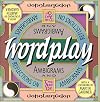
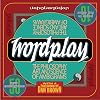
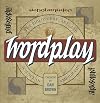
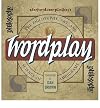
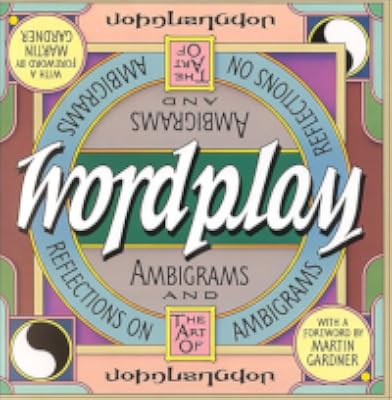
First things first: Ambigrams are really cool. For example, just take a look at the cover and you'll discover that the title itself has been designed in such a way as to be legible both upside-right and upside-down. John Langdon accompanies his philosophical ruminations and text with many more of his own ambigrams and personal artwork as well as a few examples from other artists. The first edition of this book, Wordplay: Ambigrams and the Reflections on the Art of Ambigrams, was published in 1992. After his work with the best-selling author Dan Brown on the book Angels & Demons, interest in ambigrams increased. He revised Wordplay and published a second edition including color plates of some of his pieces. The words he selected to show more create ambigrams with are very important in his personal philosophy and are accompanied by thought-provoking sections exploring this philosophy. He has also included a section on the process behind making ambigrams with hints and suggestions for those who might decide to give it a try on their own.
Experiments in Reading show less
Experiments in Reading show less
Ratings
Members
- Recently Added By
Author Information
1 Work 260 Members
Some Editions
Classifications
- Genres
- Art & Design, Nonfiction, General Nonfiction, Philosophy
- DDC/MDS
- 745.61 — Arts & recreation Drawing & decorative arts Decorations & Handicrafts / Calligraphy Calligraphy, illumination, heraldic design Calligraphy instruction
- LCC
- Z43 .L259 — Bibliography, Library Science and Information Resources Books (General). Writing. Paleography Writing Calligraphy. Penmanship
- BISAC
Statistics
- Members
- 261
- Popularity
- 124,667
- Reviews
- 1
- Rating
- (4.15)
- Languages
- English, French
- Media
- Paper
- ISBNs
- 6
- ASINs
- 2