On This Page
Description
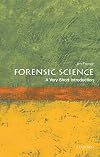
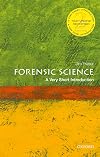
Fraser introduces the concept of forensic science and explains how it is used in the investigation of crime. He explores how forensic scientists work, from the reconstruction of events to laboratory examinations. He also considers the techniques they use, such as fingerprinting, and goes on to highlight the impact DNA profiling has had.Tags
Recommendations






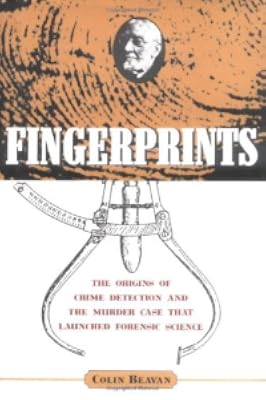
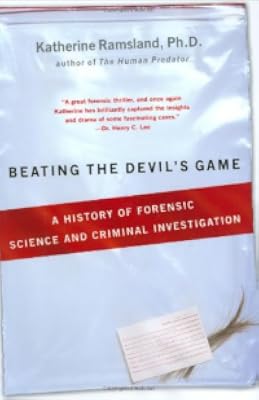
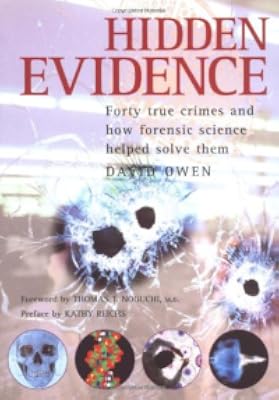
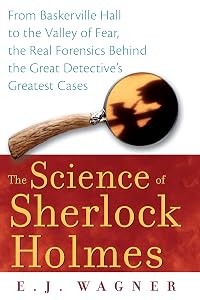
















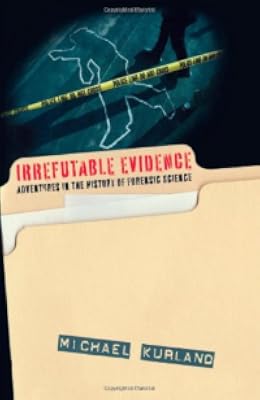
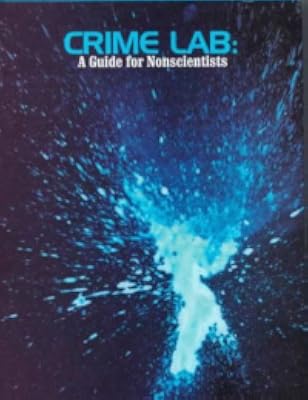





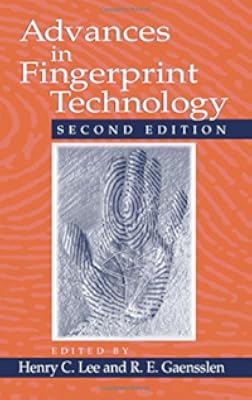

Member Reviews
Didn't learn much. Focuses on unimportant and inconsequential details.
Ratings
Members
- Recently Added By
Author Information
7 Works 131 Members
Series

Common Knowledge
- Canonical title
- Forensic Science: A Very Short Introduction
- First words
- The bloodstains looked like the scattered fragments of a mysterious pattern — a last message, a warning, the writing on the wall.
- Last words
- (Click to show. Warning: May contain spoilers.)Recognition of this interdependence of science, law, and policing, of the importance of shared knowledge and improved communication, is the key to a more effective contribution by forensic science to criminal justice.
Classifications
- Genres
- Nonfiction, Science & Nature, General Nonfiction, Politics and Government
- DDC/MDS
- 363.25 — Society, government, & culture Social problems and social services Public Safety - Police, Crime Investigation Police services Criminal investigation & forensics
- LCC
- HV8073 .F692 — Social sciences Social pathology. Social and public welfare. Criminology Social pathology. Social and public welfare. Criminal justice administration Police. Detectves. Constabulary Police duty. Methods of protection Investigation of crimes. Examination
- BISAC
Statistics
- Members
- 95
- Popularity
- 328,821
- Reviews
- 1
- Rating
- (3.42)
- Languages
- English
- Media
- Paper, Audiobook, Ebook
- ISBNs
- 9
- ASINs
- 3