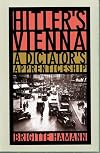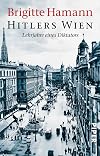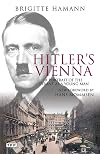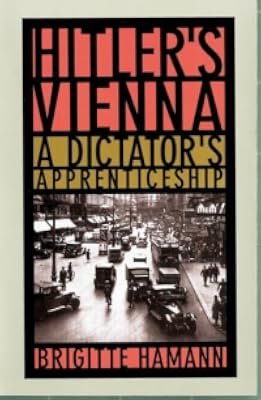
Hitler's Vienna: A Dictator's Apprenticeship
by Brigitte Hamann
On This Page
Description
Hitler's Vienna explores the critical years that the young Adolf Hitler spent in Vienna, the city that in so many ways furnished the future dictator's education. It is both a cultural and political portrait of the Austrian capital and a biography of Hitler during his years there, from 1906 until his departure for Munich in 1913 at the age of twenty-four. Hitler's was not the modern, artistic "fin-de-siecle Vienna" we associate with Freud, Mahler, Schnitzler, and Wittgenstein. Instead, it was show more a cauldron of fear and ethnic rivalry, a metropolis teeming with "little people" who rejected Viennese modernity as too international, too libertine, and too Jewish. It was a breeding ground for racist political theories, where one leading member of parliament said, to the cheers of his colleagues, "I would like to see all Jews ground to artificial fertilizer." Brigitte Hamann vividly depicts the undercurrent of disturbing ideologies that flowed beneath the glitter of the Hapsburg capital. Against this background, Hamann tells the story of the moody, curious, intense, painfully shy young man from the provinces, Adolf Hitler. Drawing on previously untapped sources that range from personal reminiscences to the records of homeless shelters where the unemployed Hitler spent his nights, Hamann gives us the fullest account ever rendered of this period of Hitler's life and shows us how profoundly his years in Vienna influenced his later career. Hitler's Vienna is a major addition to present Hitler scholarship. show lessTags
Recommendations








Member Reviews
Ha elképzelünk egy embert, aki tényleg semmilyen történelmi ismerettel nem rendelkezik (mert mondjuk hegyi kecskék nevelték fel egy lakatlan szigeten), és elképzeljük azt is (ha már úgyis képzelgünk), hogy a kezébe nyomjuk ezt a könyvet, akkor ez az ember bizonyosan csodálkozni fog. Nem érti majd, miért írnak ilyen vastag kötetet valakiről, aki ennyire tizenkettő egy tucat. Ott nyomorog Bécsben, közepesnél rosszabb akvarelleket fest régi épületekről, munkásszállásokon húzza meg magát, műveltsége felületes, és nyoma sincs benne a szuggesztivitásnak. Mi persze nem hegyi kecskék között cseperedtünk, úgyhogy tudjuk, ez a fiatalember, ez az alig húsz éves Adolf a XX. század egyik főgonosza, a show more második világháború kirobbantója, és a holokauszt kiötlője – szóval mi értjük, mi a pláne Hamann könyvében. De azért borzongató belegondolni, milyen köznapi alapokra épülhet fel egy szörnyeteg.
Hamann az 1900-as évek legelejére visz minket, azokba az évekbe, amikor Adolf Hiter pelyhedző bajszú ifjoncként megérkezett Linzből Bécsbe, hogy szerencsét próbáljon. Sorsa általános sors volt az alkonyát élő Monarchiában, hisz akkoriban gyakorlatilag minden második fiatalember a dinamikusan fejlődő, izgalmas Bécsben kívánta megcsinálni a szerencséjét. Az se unikális, hogy Hitlernek ez nem sikerült: a Képzőművészeti Akadémiára nem vették fel, úgyhogy innentől meg kellett húzni a gatyamadzagot – gyanítható, hősünk bizonyos időszakokban koldulásból volt kénytelen fenntartani magát. Ha pedig munkája volt, az is csak a tisztes szegénységre volt elég: fillérekért árulta akvarelljeit a nem túl igényes polgároknak.
(A császár és Karl Lueger polgármester 1910-ben, Bécsben. Valószínűleg akkor ők voltak ketten a legnépszerűbb figurák ott. Hitler még a kanyarban sincs.)
Hamann kötete azért nélkülözhetetlen adalék a második világháborúhoz, mert rámutat egy nagyon fontos kontinuitásra a szétesőfélben lévő, forrongó Monarchia és a második világháború között. Mert azok az eszmék, amelyekkel Hitler felgyújtotta a világot, nem voltak újak: tulajdonképpen a császárváros általános közhangulatát másolták le. Hogy mást ne mondjak, Bécsben ekkoriban Karl Lueger volt a polgármester*, aki véresszájú antiszemita szólamokkal nyerte meg a nép szívét – Hitler valószínűleg tőle leste el, hogyan kell néptribunként az ujja köré csavarni a tömegeket. A parlamentben is hemzsegtek az agresszív taplók, akik gyakorlatilag ellehetetlenítették a demokratikus ügymenetet**. Minden nemzetiségnek (a cseheknek éppúgy, mint az olaszoknak) megvoltak a maguk radikálisai, ahogy természetesen a németeknek is. Mert – bár gyakran megfeledkezünk róla – nem csak a nem-németek gravitáltak kifelé az Osztrák-Magyar Monarchiából, hanem bizony a germán szívűek számottevő része is. Ők voltak azok, akik a Habsburgokat elaggott, idejétmúlt csontvázaknak tartották, akiket kriptába kéne már tenni, és helyette legszívesebben a Nagy-Német Birodalomhoz kötötték volna a szekerüket. Ilyen értelemben szegény Ferenc Jóska alaposan meg volt lőve: népei egymással fenekedtek, mindegyik személyes sértésnek vette, ha a másik valamilyen jogot kapott, legfeljebb abban értettek egyet, hogy a zsidókat agyon kéne ütni. Egy nálánál bölcsebb uralkodónak is beletört volna a bicskája a helyzetbe***. Hitler pedig ott ült a forrongás, az izgatott zsemzsegés közepén, és figyelt, tanult, jegyzetelt. Mindent, amit látott, beépítette formálódó világnézetébe. Elvetette a magot, és locsolgatni kezdte. Rusnya egy paréj nőtt ki belőle.
Pazar, tárgyszerű, részletező kötet. Ajánlom.
* Karl Lueger máig vitatott személyiség. Tagadhatatlanul minden idők egyik legkompetensebb polgármestere, gyakorlatilag ő csinált élhető világvárost Bécsből, ami ekkoriban a világ tíz legnagyobb városának egyike volt. Sokan vitatják azt is, hogy valóban antiszemita lett volna - vannak arra utaló jelek, hogy csak szavakkal ostorozta a zsidóságot, valójában remekül megfért velük. Azonban amikor beemelte a politikai közbeszédbe a legalpáribb biboldózást, tulajdonképpen legitimálta az antiszemitizmust a tömeg szemében - ezért pedig viselnie kell a felelősséget.
** Hitler le is vonta a következtetést a bécsi parlamentben látottakról: a demokrácia döntés- és életképtelen. Az, hogy hol a nemzetiségek, hol a németek blokkolni tudták a döntéshozatalt, az valóban jelezte, hogy az osztrák demokrácia egész egyszerűen rosszul van megtervezve – kár, hogy Hitler nem az akkori londoni parlament munkáját figyelte testközelből, akkor talán több értéket látott volna a demokrácia eszméjében.
*** Ilyen körülmények között persze kérdés, hogy a Monarchiát megmentette-e volna, ha idejében és kellő határozottsággal egy föderális szerkezetet hoznak létre a duális elrendezés helyett. Hisz Ferenc József éppenséggel bőségesen tett gesztusokat a cseheknek, a lengyeleknek, csak épp azzal szembesült, hogy 1.) azok radikálisai keveslik az apanázst 2.) a német radikálisok pedig csak megerősödtek abban, hogy Németország az igazi hazájuk, saját császáruk csak kiszolgáltatja őket a szláv veszedelemnek, ami kultúrájuk felszámolására törekszik. Ez a jelenség amúgy – hogy két szemben álló fél radikálisai szinte egymást hergelve, együttes erővel megakadályozzák az észszerű, múlhatatlanul szükséges reformokat – minden időkben a történelmi tragédiák melegágya. show less
Hamann az 1900-as évek legelejére visz minket, azokba az évekbe, amikor Adolf Hiter pelyhedző bajszú ifjoncként megérkezett Linzből Bécsbe, hogy szerencsét próbáljon. Sorsa általános sors volt az alkonyát élő Monarchiában, hisz akkoriban gyakorlatilag minden második fiatalember a dinamikusan fejlődő, izgalmas Bécsben kívánta megcsinálni a szerencséjét. Az se unikális, hogy Hitlernek ez nem sikerült: a Képzőművészeti Akadémiára nem vették fel, úgyhogy innentől meg kellett húzni a gatyamadzagot – gyanítható, hősünk bizonyos időszakokban koldulásból volt kénytelen fenntartani magát. Ha pedig munkája volt, az is csak a tisztes szegénységre volt elég: fillérekért árulta akvarelljeit a nem túl igényes polgároknak.
(A császár és Karl Lueger polgármester 1910-ben, Bécsben. Valószínűleg akkor ők voltak ketten a legnépszerűbb figurák ott. Hitler még a kanyarban sincs.)
Hamann kötete azért nélkülözhetetlen adalék a második világháborúhoz, mert rámutat egy nagyon fontos kontinuitásra a szétesőfélben lévő, forrongó Monarchia és a második világháború között. Mert azok az eszmék, amelyekkel Hitler felgyújtotta a világot, nem voltak újak: tulajdonképpen a császárváros általános közhangulatát másolták le. Hogy mást ne mondjak, Bécsben ekkoriban Karl Lueger volt a polgármester*, aki véresszájú antiszemita szólamokkal nyerte meg a nép szívét – Hitler valószínűleg tőle leste el, hogyan kell néptribunként az ujja köré csavarni a tömegeket. A parlamentben is hemzsegtek az agresszív taplók, akik gyakorlatilag ellehetetlenítették a demokratikus ügymenetet**. Minden nemzetiségnek (a cseheknek éppúgy, mint az olaszoknak) megvoltak a maguk radikálisai, ahogy természetesen a németeknek is. Mert – bár gyakran megfeledkezünk róla – nem csak a nem-németek gravitáltak kifelé az Osztrák-Magyar Monarchiából, hanem bizony a germán szívűek számottevő része is. Ők voltak azok, akik a Habsburgokat elaggott, idejétmúlt csontvázaknak tartották, akiket kriptába kéne már tenni, és helyette legszívesebben a Nagy-Német Birodalomhoz kötötték volna a szekerüket. Ilyen értelemben szegény Ferenc Jóska alaposan meg volt lőve: népei egymással fenekedtek, mindegyik személyes sértésnek vette, ha a másik valamilyen jogot kapott, legfeljebb abban értettek egyet, hogy a zsidókat agyon kéne ütni. Egy nálánál bölcsebb uralkodónak is beletört volna a bicskája a helyzetbe***. Hitler pedig ott ült a forrongás, az izgatott zsemzsegés közepén, és figyelt, tanult, jegyzetelt. Mindent, amit látott, beépítette formálódó világnézetébe. Elvetette a magot, és locsolgatni kezdte. Rusnya egy paréj nőtt ki belőle.
Pazar, tárgyszerű, részletező kötet. Ajánlom.
* Karl Lueger máig vitatott személyiség. Tagadhatatlanul minden idők egyik legkompetensebb polgármestere, gyakorlatilag ő csinált élhető világvárost Bécsből, ami ekkoriban a világ tíz legnagyobb városának egyike volt. Sokan vitatják azt is, hogy valóban antiszemita lett volna - vannak arra utaló jelek, hogy csak szavakkal ostorozta a zsidóságot, valójában remekül megfért velük. Azonban amikor beemelte a politikai közbeszédbe a legalpáribb biboldózást, tulajdonképpen legitimálta az antiszemitizmust a tömeg szemében - ezért pedig viselnie kell a felelősséget.
** Hitler le is vonta a következtetést a bécsi parlamentben látottakról: a demokrácia döntés- és életképtelen. Az, hogy hol a nemzetiségek, hol a németek blokkolni tudták a döntéshozatalt, az valóban jelezte, hogy az osztrák demokrácia egész egyszerűen rosszul van megtervezve – kár, hogy Hitler nem az akkori londoni parlament munkáját figyelte testközelből, akkor talán több értéket látott volna a demokrácia eszméjében.
*** Ilyen körülmények között persze kérdés, hogy a Monarchiát megmentette-e volna, ha idejében és kellő határozottsággal egy föderális szerkezetet hoznak létre a duális elrendezés helyett. Hisz Ferenc József éppenséggel bőségesen tett gesztusokat a cseheknek, a lengyeleknek, csak épp azzal szembesült, hogy 1.) azok radikálisai keveslik az apanázst 2.) a német radikálisok pedig csak megerősödtek abban, hogy Németország az igazi hazájuk, saját császáruk csak kiszolgáltatja őket a szláv veszedelemnek, ami kultúrájuk felszámolására törekszik. Ez a jelenség amúgy – hogy két szemben álló fél radikálisai szinte egymást hergelve, együttes erővel megakadályozzák az észszerű, múlhatatlanul szükséges reformokat – minden időkben a történelmi tragédiák melegágya. show less
The book might have been more appropriately titled Hitler in Vienna, as its focuses more on the early life of Hitler than on Vienna. As a biography of Hitler's youth it succeeds splendidly, disposing of many myths (such as his supposedly Jewish ancestry), while exposing the creepy family history of the Schicklgruber, Hiedler and Pölzl. Without his father's name change to Hitler, a political career beyond the local milieu would have been out of order. Otherwise it was Hitler's mother who sacrificed much for her son. His mother's death prevented her from witnessing her son's social descent into the hell that is the life of the poor in early 20th century Vienna, then the world's sixth largest city with a population of 300,000 people show more without a permanent residence.
Hamann excels in presenting the different toxic ingredients that exploded the Habsburg Empire: The fight between different nationalities, between different religions, between different classes, between old and new, between insiders and outsiders. Hitler saw and learned how a minority could convince a passive majority of its position by demonizing a group of helpless outsiders as the other. Vienna's mayor Karl Lueger was a master of this toxic game. Hamann also highlights the toxic ideas of the newspapers Hitler consumed en masse, constituting a similar echo chamber as Fox News and talk radio today. Hitler learned from the failure of some Viennese precursors to temper some of his messages to gain wider acceptance. Hitler's antisemitism, even after the lecture of this book, remains a puzzle to me. The Jews he met and associated with in Vienna not only treated him kindly, he often sought their company and did not utter antisemitic rants. He might have held on to Karl Lueger's paradoxical saying "I determine who is Jewish." of liking or not dis-liking individual Jews but hating Jews as a group or concept of the other. I guess it was only the economic collapse after WWI which mushroomed Hitler's antisemitism. Given his German nationalistic and anti-clerical Catholic background he already brought to Vienna, I see few opportunities that could have lifted him out of his misery. Given his limited artistic talent, becoming a successful painter was hardly an option. He should really have tried his luck in advertising.
Highly recommended. show less
Hamann excels in presenting the different toxic ingredients that exploded the Habsburg Empire: The fight between different nationalities, between different religions, between different classes, between old and new, between insiders and outsiders. Hitler saw and learned how a minority could convince a passive majority of its position by demonizing a group of helpless outsiders as the other. Vienna's mayor Karl Lueger was a master of this toxic game. Hamann also highlights the toxic ideas of the newspapers Hitler consumed en masse, constituting a similar echo chamber as Fox News and talk radio today. Hitler learned from the failure of some Viennese precursors to temper some of his messages to gain wider acceptance. Hitler's antisemitism, even after the lecture of this book, remains a puzzle to me. The Jews he met and associated with in Vienna not only treated him kindly, he often sought their company and did not utter antisemitic rants. He might have held on to Karl Lueger's paradoxical saying "I determine who is Jewish." of liking or not dis-liking individual Jews but hating Jews as a group or concept of the other. I guess it was only the economic collapse after WWI which mushroomed Hitler's antisemitism. Given his German nationalistic and anti-clerical Catholic background he already brought to Vienna, I see few opportunities that could have lifted him out of his misery. Given his limited artistic talent, becoming a successful painter was hardly an option. He should really have tried his luck in advertising.
Highly recommended. show less
This fascinating book follows Hitler's life in pre WW1 Vienna until his move to Munich in 1913 and enlistment in the German army. Hamann builds a picture of the chaotic multiethnic capital of the collapsing Austro-Hungarian empire, the 6th largest city in the world with it's extremes of wealth and poverty, collapsed parliament and intransigent nationalist parties, artistic flowering, racism and social Darwinist ideas. She uses original documents to show Hitler's reactions to this zeitgeist and absorption of the ideas of Lueger (populist mayor of Vienna), Schönerer (Pan Germanism) and Wagnerian heroic opera among much else.
Book in German, excellent review of Hitler's political "apprentice years", his time in Vienna, where he stayed mostly in Asylums but where he acquired the foundations of his deeply-rooted hate against Jews and other so-called non-"aryan" people. The fascinating part is how deeply the differences in political discourse is and how much this poisoned not only Hitler's mind.
Interessant aber es fehlt das Tempo.
Excellent background for insight into HItler's eventual work
Hitlers Wien is een nauwgezette studie van het leven van de jonge Hitler en de stad waar hij tussen 1907 en 1913 woonde. Hamann veegt met de nodige flair enkele diepgewortelde mythes van tafel, waarvan Hitlers vermeende Joodse afkomst waarschijnlijk de bekendste is. Het Wenen dat Hamann beschrijft, is niet het sprankelende centrum van kosmopolitische intellectuelen en kunstenaars, maar dat van bittere armoede en schijnbaar onoplosbare sociale conflicten: tussen arbeiders en kleine zelfstandigen, tussen de talloze migranten en de oorspronkelijke bewoners en tussen Duitstaligen en zij die een andere taal spreken (vooral Tsjechisch). Het is in deze omgeving dat Hitler door het maken van ansichtkaarten en kleine schilderijen met moeite het show more hoofd boven water houdt en waar hij in aanraking komt met denkbeelden die een belangrijk deel van zijn levensbeschouwing zullen vormen: Duits-nationalisme, sociaaldarwinistisch geïnspireerde rassentheorieën en de leiderscultus. Het is ook in Wenen dat hij politieke voorbeelden vindt in de populistische burgemeester Karl Lueger -bekwaam bespeler van het sentiment van de massa- en de Deutschradikale partij en hun oppositie tegen de parlementaire democratie (of wat daarvoor moest doorgaan in de Habsburgse dubbelmonarchie).
Twee zaken blijven op eerste zicht onverklaard uit Hitlers Weense verleden. Ten eerste de leiderskwaliteiten van de man zelf. De jonge Hitler in Wenen is een zonderling, slecht in sociaal contact, onmogelijk in de omgang met vrouwen en zeker in het begin nauwelijks in staat voor zichzelf te zorgen. Zij die hem gekend hebben tijdens deze cruciale jaren zijn zonder uitzondering verbouwereerd over zijn latere loopbaan en het is inderdaad moeilijk in de vreemde eend die Hamann schetst de contouren te zien van een man die de hele wereld overhoop zou halen. Ten tweede en meer problematisch is Hitlers Jodenhaat. Hoewel virulent en openlijk antisemitisme in het Wenen van de eerste helft van de twintigste eeuw schering en inslag is -Karl Lueger is opnieuw het beste voorbeeld- is er geen enkele aanwijzing dat Hitler rond deze periode zelf antisemiet was. Integendeel zelfs. Hij valt eerder op door zijn goede contacten met enkele Joodse kennissen en opdrachtgevers en laat zich in positieve zin over Joden uit. De wortels van Hitlers antisemitisme, aldus Hamann, moeten waarschijnlijk gezocht worden in de Russische revolutie van 1917 -gezien door velen als een Joodse revolutie- en in de naoorlogse jaren in Duitsland. Maar omdat dit buiten het bestek van dit verder uitstekende boek valt, blijft de lezer hier wat op zijn honger zitten. Graag een vervolg, Frau Hamann! show less
Twee zaken blijven op eerste zicht onverklaard uit Hitlers Weense verleden. Ten eerste de leiderskwaliteiten van de man zelf. De jonge Hitler in Wenen is een zonderling, slecht in sociaal contact, onmogelijk in de omgang met vrouwen en zeker in het begin nauwelijks in staat voor zichzelf te zorgen. Zij die hem gekend hebben tijdens deze cruciale jaren zijn zonder uitzondering verbouwereerd over zijn latere loopbaan en het is inderdaad moeilijk in de vreemde eend die Hamann schetst de contouren te zien van een man die de hele wereld overhoop zou halen. Ten tweede en meer problematisch is Hitlers Jodenhaat. Hoewel virulent en openlijk antisemitisme in het Wenen van de eerste helft van de twintigste eeuw schering en inslag is -Karl Lueger is opnieuw het beste voorbeeld- is er geen enkele aanwijzing dat Hitler rond deze periode zelf antisemiet was. Integendeel zelfs. Hij valt eerder op door zijn goede contacten met enkele Joodse kennissen en opdrachtgevers en laat zich in positieve zin over Joden uit. De wortels van Hitlers antisemitisme, aldus Hamann, moeten waarschijnlijk gezocht worden in de Russische revolutie van 1917 -gezien door velen als een Joodse revolutie- en in de naoorlogse jaren in Duitsland. Maar omdat dit buiten het bestek van dit verder uitstekende boek valt, blijft de lezer hier wat op zijn honger zitten. Graag een vervolg, Frau Hamann! show less
1
Members
- Recently Added By
Author Information

33+ Works 1,024 Members
Brigitte Hamann is a Ph.D. and specialist in nineteenth and twentieth century history, specifically of Austrian history. She is the author of many books in German. (In English: The Reluctant Empress: A Biography of Empress Elisabeth of Austria, and Bertha von Suttner: A Life for Peace.) She lives in Vienna.
Awards and Honors
Series
Belongs to Publisher Series
Piper (2653)
Serie Piper (2653)
Common Knowledge
- Original title
- Hitlers Wien: Lehrjahre eines Diktators
- Alternate titles
- Hitler's Vienna: A Portrait of the Tyrant as a Young Man
- Original publication date
- 1996
- People/Characters
- Adolf Hitler; Rudolf Hausler
- Important places
- Vienna, Austria
Classifications
- Genres
- History, Nonfiction, Biography & Memoir, General Nonfiction
- DDC/MDS
- 943.6 — History & geography History of Europe Central Europe: Germany, Austria, Switzerland, Czech, Poland, Hungary Austria and Liechtenstein
- LCC
- DD247 .H5 .H281913 — History of Europe, Asia, Africa and Oceania Germany History of Germany History By period Modern, 1519- 19th-20th centuries Revolution and Republic, 1918-
- BISAC
Statistics
- Members
- 282
- Popularity
- 114,230
- Reviews
- 9
- Rating
- (4.34)
- Languages
- 8 — Dutch, English, French, German, Hungarian, Italian, Polish, Russian
- Media
- Paper, Ebook
- ISBNs
- 18