
By Nightfall: A Novel
by Michael Cunningham
On This Page
Description
Peter and Rebecca Harris--mid-forties denizens of Manhattan's SoHo, he a dealer, she an editor--are admirable, enviable contemporary urbanites with every reason, it seems, to be happy. Then Rebecca's much younger look-alike brother, Ethan (known in the family as Mizzy, "the mistake"), shows up for a visit.Tags
Recommendations

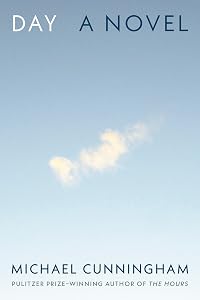
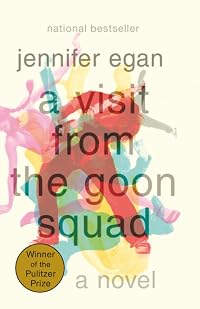
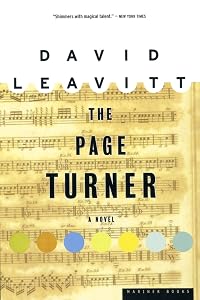
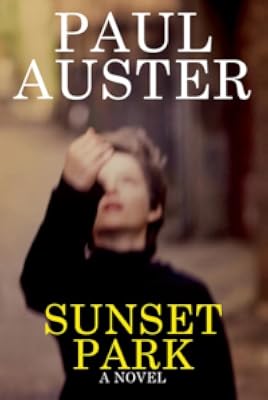

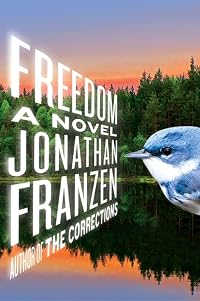
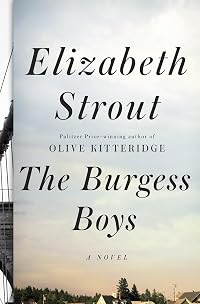
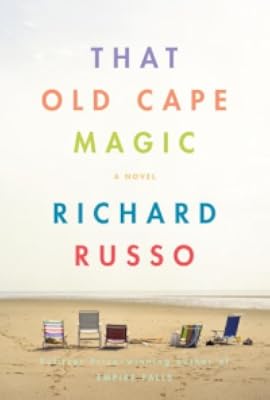
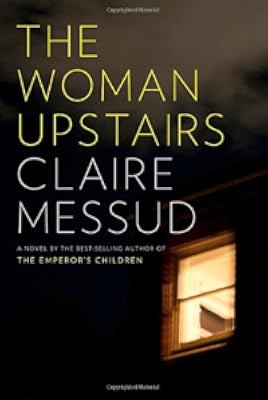


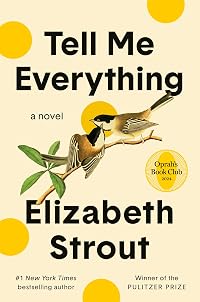
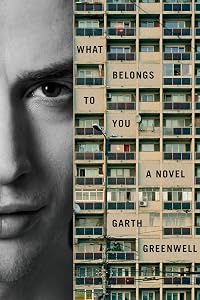
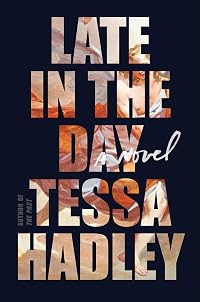
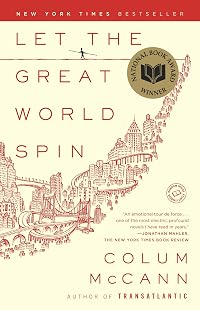


Member Recommendations
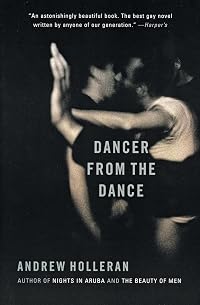
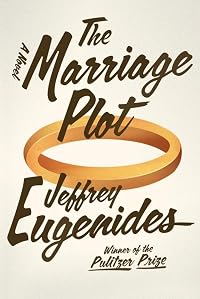
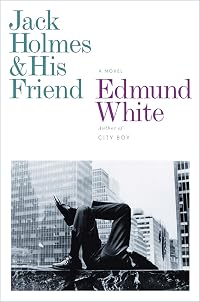
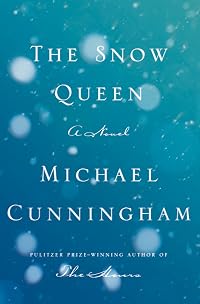
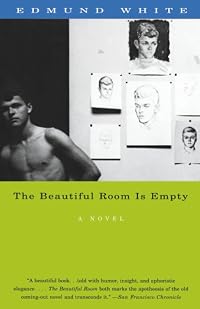
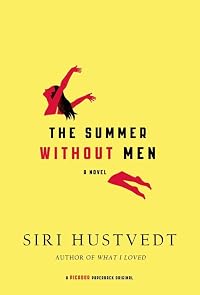
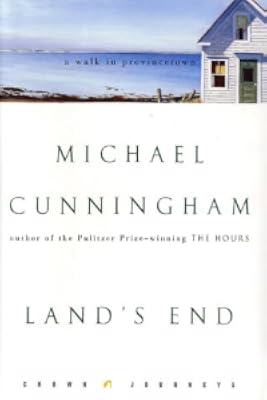
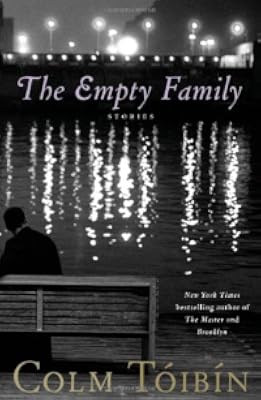
sturlington By Nightfall was inspired by Death in Venice and references it extensively.
20
Member Reviews
I would love to have been there at the genesis of the idea for this book.
I can picture Michael Cunningham having an after dinner aperitif with a bunch of his intellectual friends, perhaps at his summer home on the Cape, discussing, a bit condescendingly no doubt, the boom in gay romance novels written by [and, largely, for] women. I imagine them chortling over the various tropes – hurt/comfort, master/slave and of course the silliest and, arguably most offensive, “gay for you.” For the uninformed, it’s pretty self-explanatory – an otherwise straight (and presumably, “straight acting”) male character falls hard for another man. The caveat being, he still identifies as straight. He’s not someone who was heretofore latent show more or closeted. Nope. He only feels sexual desire for one man and naturally it’s a by-product of romantic feelings. Thus, “gay for you.”
I’m imagining maybe a wager was made…could Cunningham take that premise and turn it into art? By my estimation, the answer is yes. This isn’t a great book, but it’s a very good one.
The plot itself is pretty lean. Peter, a relatively successful, middle-aged art dealer is happily married to Rebecca, the editor of a respected art journal. They live an affluent life in New York’s Soho district. His only real heartbreak – a strained relationship with his twenty-two year old daughter who lives in Boston. Around the same time Peter finds out that a fellow gallery owner and friend is dying of breast cancer and in the midst of mounting yet another show of au courant yet disposable art, Rebecca’s beautiful 24 year old brother Ethan (or Mizzy, as he is known), a former drug addict, free-spirit and master manipulator, comes to stay with them.
Basically, Peter becomes obsessed with Mizzy. He mistakenly believes his infatuation is love, but it’s really because the young man reminds him of so many things he believes he’s lost. Mizzy uncannily resembles a young Rebecca. He’s close in age to Peter’s estranged daughter. His physique reminds Peter of the sort of timeless art that he truly esteems, forcing him examine his unrealized ambitions for his gallery. And the boy’s youth itself makes Peter yearn to be young and unburdened. It’s a mid-life crisis writ large through the lens of the exclusive NYC art community. I enjoyed the story, such as it is. I’m embarrassed to admit this is my first Cunningham novel and so I was surprised at how formal and mannered his writing style is. There’s definitely a rococo “more is more” aesthetic at play here and sometimes the narrative gets bogged down in the overwrought descriptions, similes and metaphors, no matter how clever or beautifully done.
Oh and yes, at different points in the story both Peter and Mizzy actually use the phrase, “gay for you.” So even though it hardly qualifies as a romance, it’s safe to say this is Mr. Cunningham’s official entry into the “gay for you” sweeps. Fancy that. show less
I can picture Michael Cunningham having an after dinner aperitif with a bunch of his intellectual friends, perhaps at his summer home on the Cape, discussing, a bit condescendingly no doubt, the boom in gay romance novels written by [and, largely, for] women. I imagine them chortling over the various tropes – hurt/comfort, master/slave and of course the silliest and, arguably most offensive, “gay for you.” For the uninformed, it’s pretty self-explanatory – an otherwise straight (and presumably, “straight acting”) male character falls hard for another man. The caveat being, he still identifies as straight. He’s not someone who was heretofore latent show more or closeted. Nope. He only feels sexual desire for one man and naturally it’s a by-product of romantic feelings. Thus, “gay for you.”
I’m imagining maybe a wager was made…could Cunningham take that premise and turn it into art? By my estimation, the answer is yes. This isn’t a great book, but it’s a very good one.
The plot itself is pretty lean. Peter, a relatively successful, middle-aged art dealer is happily married to Rebecca, the editor of a respected art journal. They live an affluent life in New York’s Soho district. His only real heartbreak – a strained relationship with his twenty-two year old daughter who lives in Boston. Around the same time Peter finds out that a fellow gallery owner and friend is dying of breast cancer and in the midst of mounting yet another show of au courant yet disposable art, Rebecca’s beautiful 24 year old brother Ethan (or Mizzy, as he is known), a former drug addict, free-spirit and master manipulator, comes to stay with them.
Basically, Peter becomes obsessed with Mizzy. He mistakenly believes his infatuation is love, but it’s really because the young man reminds him of so many things he believes he’s lost. Mizzy uncannily resembles a young Rebecca. He’s close in age to Peter’s estranged daughter. His physique reminds Peter of the sort of timeless art that he truly esteems, forcing him examine his unrealized ambitions for his gallery. And the boy’s youth itself makes Peter yearn to be young and unburdened. It’s a mid-life crisis writ large through the lens of the exclusive NYC art community. I enjoyed the story, such as it is. I’m embarrassed to admit this is my first Cunningham novel and so I was surprised at how formal and mannered his writing style is. There’s definitely a rococo “more is more” aesthetic at play here and sometimes the narrative gets bogged down in the overwrought descriptions, similes and metaphors, no matter how clever or beautifully done.
Oh and yes, at different points in the story both Peter and Mizzy actually use the phrase, “gay for you.” So even though it hardly qualifies as a romance, it’s safe to say this is Mr. Cunningham’s official entry into the “gay for you” sweeps. Fancy that. show less
I'm a Michael Cunningham fan girl. It's impossible for me to be unbiased about anything Michael Cunningham writes. I have a sneaking suspicion that I have some amount of cognitive dissonance about By Nightfall - a book that I've wanted for over a year; that I picked up and lingered over every time I was in a bookstore; that I scoured every used bookstore for; that I finally paid full price in a physical bookstore for a new copy because I wanted it that badly (paperback; I haven't lost my mind); that I derailed a vacation for in order to see Cunningham speak about at the national book fair. So, I'm a little obsessed. And I have a suspicion that I read the book that I wanted to read, rather than the book Cunningham wrote.
I loved the show more introspective pieces of this book. The interstitial portions where characters ordered coffee and went on train rides were Cunningham at his best - he describes the mundanity of the human condition in a way that is both honest and profound and is completely unparalleled.
I loved the concepts in this book - that we, as humans, are in love with beauty, in love with art, in love with the profound and constantly disappointed in the inability of reality to produce concrete things that live up to the expectations in our imaginations. That we cultivate the relationships that exist in our life for their symbolism, and for their reflection on ourselves and for the concepts that they engender moreso than for the actually people in them. That the people we are when we are honestly alone -- mentally, physically alone -- is not ever the person that we can be to others.
I did not love the actual plot of this book. I was bored, rather than enthralled by Mizzy. I felt that at times, the symbolism was too on the nose (seriously, a character named "The Mistake") and other times the mundanity was, well, mundane. Perhaps those feelings are apropos, given the context -- Cunningham is one of the artists he describes, striving to find beauty, to unsettle, to provoke and coming up just a little short. show less
I loved the show more introspective pieces of this book. The interstitial portions where characters ordered coffee and went on train rides were Cunningham at his best - he describes the mundanity of the human condition in a way that is both honest and profound and is completely unparalleled.
I loved the concepts in this book - that we, as humans, are in love with beauty, in love with art, in love with the profound and constantly disappointed in the inability of reality to produce concrete things that live up to the expectations in our imaginations. That we cultivate the relationships that exist in our life for their symbolism, and for their reflection on ourselves and for the concepts that they engender moreso than for the actually people in them. That the people we are when we are honestly alone -- mentally, physically alone -- is not ever the person that we can be to others.
I did not love the actual plot of this book. I was bored, rather than enthralled by Mizzy. I felt that at times, the symbolism was too on the nose (seriously, a character named "The Mistake") and other times the mundanity was, well, mundane. Perhaps those feelings are apropos, given the context -- Cunningham is one of the artists he describes, striving to find beauty, to unsettle, to provoke and coming up just a little short. show less
I like Michael Cunningham. He’s very clever and goes deep into his characters’ heads. This novel has the kind of The New Yorker-y plot that I usually don’t care for (rich straight couple lead brittle, unfulfilling lives and don’t communicate well) but I did like this book. The main character Peter is a somewhat depressed 44-year old man who is obsessed with beauty in all its forms, but doesn’t feel like he can create it. Instead, he buys and sells it, or tries to—-he’s an art dealer. He’s always hoping to discover an amazing genius, but it never seems to happen. This novel is proof positive that you don’t have to have a “sympathetic character” to make it an enjoyable read because Peter is somewhat selfish and at show more times comes off as an upper-class twit, but I still liked hearing everything he thought and felt. This writer is very compassionate to his characters.
As the blurb tells you, trouble begins to brew when Peter’s wife’s brother “Mizzy” comes to stay. Mizzy is short for “The Mistake,” so I thought Mizzy would be this sad sack character that everyone puts down. But actually he’s the spoiled and cosseted most-loved member of his family. It turns out the book is about Peter falling in love with Mizzy and seeing him as the beauty he’s been looking for. Given that Mizzy is his much younger brother-in-law whom he’s known since Mizzy was a tiny child and Mizzy is only a few years older than Peter’s daughter, this development made me say “ick.” (Because of the weird incest-y overtones.) However, it didn’t turn out to be very disturbing at all. Cunningham somehow kept it fairly classy.
This may lead you to conclude that my head is in the gutter, but one of the things that interested me most about this book was a really well-done straight sex scene, between Peter and his wife. I was totally sold on it. I just think it’s great that a gay man wrote this scene because A) people are so great; just because you identify as one thing doesn’t mean you’ve never done this other thing, and/or B) writers are so great that maybe they don’t have to even do something in order to describe it, as so many M/M writers who are ladies have claimed. It makes me think of Arnold Bennett describing an execution at the guillotine without ever having seen one, or a biography I read of Patrick O’Brian which gave no indication of O’Brian ever having gone on a sail in his life. Anyway, nicely done, Mr. Cunningham!
My favorite parts were the descriptions of being an art dealer. I kept expecting that the narration would change perspective at some point and we would get the POV of Peter’s wife Rebecca, but that never happened. I think that was good because not everything needs to be understood. There were a lot of small things that were never explained (why was Peter’s daughter so angry? what was the cause of Peter’s constant stomach pains?) and that’s very lifelike.
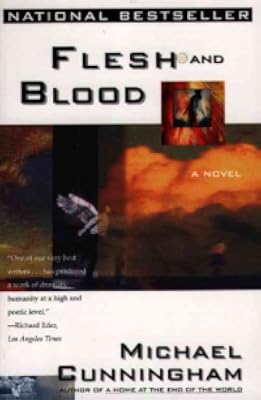
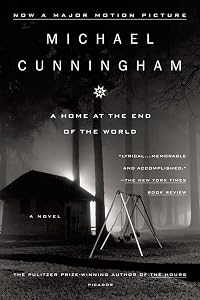
I read a bunch of the other Goodreads reviews of this book, and I was amused to see that no one is a fan of ALL of Michael Cunningham’s books, and each reviewer likes and dislikes different ones. I’ll just throw my hat in by saying that I really liked A Home At The End of the World and Flesh and Blood, but I didn’t enjoy The Hours.
Book design: Not to my taste. Boring. Ugly cover, thought it was a picture of a dust mop until I really examined it. Maybe I’m too shallow to appreciate it? But it just seems a bit restrained for a book about art and beauty.
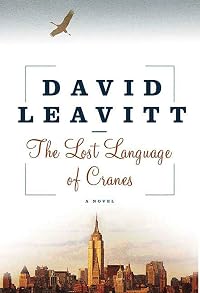
What other book does this one remind me of? The Page Turner by David Leavitt.
Theme song: Ode to a Boy by Yazoo. show less
As the blurb tells you, trouble begins to brew when Peter’s wife’s brother “Mizzy” comes to stay. Mizzy is short for “The Mistake,” so I thought Mizzy would be this sad sack character that everyone puts down. But actually he’s the spoiled and cosseted most-loved member of his family. It turns out the book is about Peter falling in love with Mizzy and seeing him as the beauty he’s been looking for. Given that Mizzy is his much younger brother-in-law whom he’s known since Mizzy was a tiny child and Mizzy is only a few years older than Peter’s daughter, this development made me say “ick.” (Because of the weird incest-y overtones.) However, it didn’t turn out to be very disturbing at all. Cunningham somehow kept it fairly classy.
This may lead you to conclude that my head is in the gutter, but one of the things that interested me most about this book was a really well-done straight sex scene, between Peter and his wife. I was totally sold on it. I just think it’s great that a gay man wrote this scene because A) people are so great; just because you identify as one thing doesn’t mean you’ve never done this other thing, and/or B) writers are so great that maybe they don’t have to even do something in order to describe it, as so many M/M writers who are ladies have claimed. It makes me think of Arnold Bennett describing an execution at the guillotine without ever having seen one, or a biography I read of Patrick O’Brian which gave no indication of O’Brian ever having gone on a sail in his life. Anyway, nicely done, Mr. Cunningham!
My favorite parts were the descriptions of being an art dealer. I kept expecting that the narration would change perspective at some point and we would get the POV of Peter’s wife Rebecca, but that never happened. I think that was good because not everything needs to be understood. There were a lot of small things that were never explained (why was Peter’s daughter so angry? what was the cause of Peter’s constant stomach pains?) and that’s very lifelike.
I read a bunch of the other Goodreads reviews of this book, and I was amused to see that no one is a fan of ALL of Michael Cunningham’s books, and each reviewer likes and dislikes different ones. I’ll just throw my hat in by saying that I really liked A Home At The End of the World and Flesh and Blood, but I didn’t enjoy The Hours.
Book design: Not to my taste. Boring. Ugly cover, thought it was a picture of a dust mop until I really examined it. Maybe I’m too shallow to appreciate it? But it just seems a bit restrained for a book about art and beauty.
What other book does this one remind me of? The Page Turner by David Leavitt.
Theme song: Ode to a Boy by Yazoo. show less
A New York City art dealer copes with a midlife crisis in this novel by the author of The Hours.
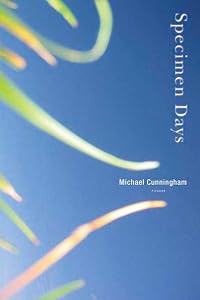
Michael Cunningham has a unique approach to writing novels. He selects a classic work of literature and constructs a contemporary homage to it. His Pulitzer Prize-winning novel The Hours mirrored the stream-of-consciousness technique used by Virginia Woolf in Mrs. Dalloway, while describing a day in the life of three different women, living at different times, who were affected by that novel. His follow-up, Specimen Days, examines the themes in Walt Whitman’s Leaves of Grass through three stories set in different times and written in the styles of three different genres.
Cunningham’s latest novel, By Nightfall, is also an homage, this time show more to the Thomas Mann novella, Death in Venice. However, it is much more straightforward in structure than either The Hours or Specimen Days, which makes it a less challenging--and perhaps less rewarding--book to read. But it is a fast and pleasurable read, primarily due to Cunningham’s ability to craft detailed scenes. Cunningham writes so well that it isn’t necessary to read the original works that his books reference; everything you need to know is contained within Cunningham’s prose.
By Nightfall describes a few days in the life of Peter Harris, the well-off owner of an art gallery in New York City who is going through a midlife crisis. Peter suspects that life holds no more surprises for him, a realization that depresses him. In the opening scene, Peter is riding in a cab to a party with his wife, and he already knows exactly how the party will go, how many drinks they will have, and who will hit on his wife before they leave. This telling scene illustrates what is vaguely bothering him. Peter’s marriage to Rebecca seems solidly but predictable. His work should be fulfilling but doesn’t quite satisfy him, for reasons he can’t define. His relationship with his daughter is strained, and again Peter can’t figure out why. He suffers from insomnia and prowls his quiet apartment late at night, drinking vodka and looking out the window.
Then Rebecca’s much younger brother arrives to stay for an undetermined period. Mizzy (short for “Mistake”) struggles with drug addiction and an inability to live up to the specialness his family attributes to him. Mizzy is beautiful, intelligent, and entirely without direction. Peter, comparing him to a Rodin bronze, finds himself attracted to Mizzy as he would be to an exquisite art piece. In fact, Mizzy may be the perfect work of art that Peter has always sought but never acquired. Mizzy becomes the unfortunate focus of Peter’s vague fantasies for a quick fix to whatever is wrong with is life. With Mizzy, certainly the unexpected would happen, and it would quite likely be disastrous. Peter seems willing to risk it. Fortunately, Cunningham doesn’t take the story in the direction that the reader expects.
The story is told from Peter’s point of view. The reader lives in Peter’s head and is privy to all of Peter’s thoughts, feelings, and misapprehensions. While this technique makes Peter seem very real, it doesn’t make him all that sympathetic, or even likable. We readers want Peter to stop being so vague and take some decisive action--although not the destructive actions he contemplates. The challenge is to stick with Peter through to the end. There is a twist, a good one, and a chance for Peter to redeem himself.
By Nightfall may disappoint those readers who have come to know Michael Cunningham through his stronger, more complex novels. But for readers who are unfamiliar with Cunningham’s work, By Nightfall serves as a good introduction.
[Note: Article first published as Book Review: By Nightfall by Michael Cunningham on Blogcritics. I am the author and retain all rights to reproduce this review.] show less
Michael Cunningham has a unique approach to writing novels. He selects a classic work of literature and constructs a contemporary homage to it. His Pulitzer Prize-winning novel The Hours mirrored the stream-of-consciousness technique used by Virginia Woolf in Mrs. Dalloway, while describing a day in the life of three different women, living at different times, who were affected by that novel. His follow-up, Specimen Days, examines the themes in Walt Whitman’s Leaves of Grass through three stories set in different times and written in the styles of three different genres.
Cunningham’s latest novel, By Nightfall, is also an homage, this time show more to the Thomas Mann novella, Death in Venice. However, it is much more straightforward in structure than either The Hours or Specimen Days, which makes it a less challenging--and perhaps less rewarding--book to read. But it is a fast and pleasurable read, primarily due to Cunningham’s ability to craft detailed scenes. Cunningham writes so well that it isn’t necessary to read the original works that his books reference; everything you need to know is contained within Cunningham’s prose.
By Nightfall describes a few days in the life of Peter Harris, the well-off owner of an art gallery in New York City who is going through a midlife crisis. Peter suspects that life holds no more surprises for him, a realization that depresses him. In the opening scene, Peter is riding in a cab to a party with his wife, and he already knows exactly how the party will go, how many drinks they will have, and who will hit on his wife before they leave. This telling scene illustrates what is vaguely bothering him. Peter’s marriage to Rebecca seems solidly but predictable. His work should be fulfilling but doesn’t quite satisfy him, for reasons he can’t define. His relationship with his daughter is strained, and again Peter can’t figure out why. He suffers from insomnia and prowls his quiet apartment late at night, drinking vodka and looking out the window.
Then Rebecca’s much younger brother arrives to stay for an undetermined period. Mizzy (short for “Mistake”) struggles with drug addiction and an inability to live up to the specialness his family attributes to him. Mizzy is beautiful, intelligent, and entirely without direction. Peter, comparing him to a Rodin bronze, finds himself attracted to Mizzy as he would be to an exquisite art piece. In fact, Mizzy may be the perfect work of art that Peter has always sought but never acquired. Mizzy becomes the unfortunate focus of Peter’s vague fantasies for a quick fix to whatever is wrong with is life. With Mizzy, certainly the unexpected would happen, and it would quite likely be disastrous. Peter seems willing to risk it. Fortunately, Cunningham doesn’t take the story in the direction that the reader expects.
The story is told from Peter’s point of view. The reader lives in Peter’s head and is privy to all of Peter’s thoughts, feelings, and misapprehensions. While this technique makes Peter seem very real, it doesn’t make him all that sympathetic, or even likable. We readers want Peter to stop being so vague and take some decisive action--although not the destructive actions he contemplates. The challenge is to stick with Peter through to the end. There is a twist, a good one, and a chance for Peter to redeem himself.
By Nightfall may disappoint those readers who have come to know Michael Cunningham through his stronger, more complex novels. But for readers who are unfamiliar with Cunningham’s work, By Nightfall serves as a good introduction.
[Note: Article first published as Book Review: By Nightfall by Michael Cunningham on Blogcritics. I am the author and retain all rights to reproduce this review.] show less
Wow! I just finished this book & had to write a review for any reader who, like me, may think of quitting before the end. Stick with this book! The plot and the protagonist may seem tired and even cliche at some points (another male mid-life crisis). Cunningham's prose is so lovely, though, that he makes even those lead weights float. Beyond the linguistic beauty, the novel's allusions to so many works of art, literature, music, surround the narrative with conceptual beauty. By the middle I started to realize that, more than a novel, this was a meditation on beauty itself, what it is, what it means, what we'd sacrifice to achieve it, or just be in its presence. In the last twenty pages the book becomes something powerful, something show more gorgeous and devastating and true. Just read this. show less
Michael Cunningham's newest book comes out about five years too late. By Nightfall concerns Peter Harris, a SoHo loft-dwelling art dealer married to Rebecca, an arts magazine editor. Their lives are just how they want them to be, allowing them to look on everyone richer, poorer or not living in the right parts of Manhattan with a sort of amused contempt. They do have problems; a moderately estranged child who didn't finish college, but dropped out to bartend, Peter's a little tired of the art scene and Rebecca's little brother has come to visit and may be doing drugs again.
The rich can have problems, there's no question of that, but wealth can smooth the edges and consequences in a way that does make it harder to sympathize. When show more Rebecca's brother, Mizzy, who has dropped out of Exeter and Yale several times, complains that his family doesn't have the money to put him into the comfortable kind of rehab that might tempt him to stay, it's hard to find much sympathy. And when Rebecca and Peter laugh mockingly about the possibility of any sort of art existing in Billings, Montana, they lost the small amount of sympathy they'd built up with me. Not because I have any particular fondness for Billings; I've never even been there. It's just hard to pity characters who are charmless snobs.
The story itself is slight. Mizzy comes to stay with Rebecca and Peter and Peter, tired of his job, becomes involved in Mizzy's life in an unwise way. The characters are, as mentioned above, unlikeable in the way that Anna Wintour is unlikeable; not through their own personal afflictions, but because they are so contemptuous of those they perceive as beneath them. But the writing is lovely. There's a passage where Peter explores Manhattan at night that is perfectly written and even the more ordinary chapters are beautiful.
They were in what the Taylors called the junk room, because it was the only room except Cyrus and Beverly's that had a double bed. It had once been a guest room but, the Taylors having more use for junk than they did for guests, had long been devoted to storage, with the understanding that the occasional guest could always be installed there, with apologies.
Some--many--would have found this room disheartening, would in fact have been unnerved by the Taylors' entire lives. Peter was enchanted. Here he was among people too busy (with students, with patients, with books) to keep it all in perfect running order; people who'd rather have lawn parties and game nights than clean the tile grout with a toothbrush (although the Taylors' grout could, undeniably, have used at least minor attention). show less
The rich can have problems, there's no question of that, but wealth can smooth the edges and consequences in a way that does make it harder to sympathize. When show more Rebecca's brother, Mizzy, who has dropped out of Exeter and Yale several times, complains that his family doesn't have the money to put him into the comfortable kind of rehab that might tempt him to stay, it's hard to find much sympathy. And when Rebecca and Peter laugh mockingly about the possibility of any sort of art existing in Billings, Montana, they lost the small amount of sympathy they'd built up with me. Not because I have any particular fondness for Billings; I've never even been there. It's just hard to pity characters who are charmless snobs.
The story itself is slight. Mizzy comes to stay with Rebecca and Peter and Peter, tired of his job, becomes involved in Mizzy's life in an unwise way. The characters are, as mentioned above, unlikeable in the way that Anna Wintour is unlikeable; not through their own personal afflictions, but because they are so contemptuous of those they perceive as beneath them. But the writing is lovely. There's a passage where Peter explores Manhattan at night that is perfectly written and even the more ordinary chapters are beautiful.
They were in what the Taylors called the junk room, because it was the only room except Cyrus and Beverly's that had a double bed. It had once been a guest room but, the Taylors having more use for junk than they did for guests, had long been devoted to storage, with the understanding that the occasional guest could always be installed there, with apologies.
Some--many--would have found this room disheartening, would in fact have been unnerved by the Taylors' entire lives. Peter was enchanted. Here he was among people too busy (with students, with patients, with books) to keep it all in perfect running order; people who'd rather have lawn parties and game nights than clean the tile grout with a toothbrush (although the Taylors' grout could, undeniably, have used at least minor attention). show less
This was a good story and a realistic depiction of middle age - a realistic middle-aged marriage, realistic middle-aged sex, realistic middle-aged insomnia. I loved that he woke up at 3 am every night and I love that he took pills for it. AND vodka.
Members
- Recently Added By
Published Reviews
ThingScore 63
added by gsc55
Peter gaat gebukt onder wat hij zelf 'de grote verwarring' noemt. De vierenveertigjarige kunsthandelaar voelt na twintig jaar ontwrichtende routine sluipen in werk en huwelijk, en dat privéonbehagen rijmt lamlendig met dat van zijn door de bankencrisis geteisterde land en stad. New York, haast een personage in deze roman, noemt hij 'één van de meest godvergeten warhopen die ooit op het show more verraderlijke aardoppervlak zijn verschenen'. Al die crises weerspiegelen en versterken elkaar, met dank aan de ragfijne taaltoets van Cunningham, zodat een zwartkanten voile als voor een begrafenis over de hele roman komt te hangen. Al die apocalyptische doodsangst is de donkere ommekant van Peters hang naar schoonheid, zo leert het motto van Rainer Maria Rilke : 'Schoonheid is niets anders dan het begin der verschrikking.' show less
added by PGCM
Binnen één alinea zie je het voor je, dat best wel gelukkige huwelijk met sleetse randjes. Zoals Cunningham wel meer moeiteloos oproept, in dat elegante, compacte proza van hem. Het van cocktailparty's aan elkaar hangende SoHomilieu waarin ze zich bewegen, bijvoorbeeld. Of de kloof tussen Peters hooggestemde idealen - strijden voor de hogere kunsten, zoeken naar schilderijen waar zijn hart show more sneller van gaat kloppen - en de nogal schipperige praktijk, vol gevlei van directeursvrouwen die nog een sculptuur zoeken voor hun tuin, en kolossale ego's van kunstenaars die op het púnt staan door te breken. show less
added by PGCM
Lists

Books Set in New York City
127 works; 21 members

Novels featuring siblings
133 works; 8 members

Llibres que he llegit el 2022
32 works; 1 member

Stories Inspired by Other Fiction
127 works; 24 members

Books Read in 2011
684 works; 20 members

Books Read in 2018
4,360 works; 110 members
Author Information

38+ Works 23,426 Members
Michael Cunningham was born November 6, 1952 in Cincinnati, Ohio and grew up in Pasadena, California. He received a B.A. in English literature from Stanford University and an M.F.A. in creative writing from the University of Iowa. Cunningham is the recipient of a Guggenheim Fellowship in 1993 and a Whiting Writers' Award in 1995. In 1999, he show more received the Pulitzer Prize for Fiction and the PEN/Faulkner Award for his novel, The Hours, which was later made into an Oscar-winning 2002 movie of the same name starring Nicole Kidman, Meryl Streep and Julianne Moore. Cunningham taught at the Fine Arts Work Center in Provincetown, Massachusetts and in the creative writing M.F.A. program at Brooklyn College. He is a senior lecturer of creative writing at Yale University. show less
Some Editions
Awards and Honors
Awards
Distinctions
Notable Lists
Series
Belongs to Publisher Series
btb (74293)
Work Relationships
Was inspired by
Common Knowledge
- Canonical title*
- In die Nacht hinein
- Original title
- By Nightfall
- Original publication date
- 2010
- People/Characters
- Peter Harris; Rebecca Harris; Ethan "Mizzy" Taylor
- Important places
- New York, New York, USA; Soho, New York, New York, USA
- Epigraph
- Beauty is nothing but the beginning of terror.
-Rainer Maria Rilke - Dedication
- This book is for Gail Hochman and Jonathan Galassi
- First words
- The Mistake is coming to stay for a while.
- Quotations
- The next couple of hours at the gallery are taken up with what Peter and Rebecca have come to call the Ten Thousand Things (as in, over the phone, "What are you doing?" "Oh, you know, the Ten Thousand Things"), their shortha... (show all)nd for the ongoing avalanche of e-mails and phone calls and meetings, their way of conveying to each other that they're busy but you don't want to know the particulars, they don't even interest me.
- Last words
- (Click to show. Warning: May contain spoilers.)He begins to tell her everything that has happened.
- Publisher's editor
- Galassi, Jonathan
- Original language*
- Amerikanisch
*Some information comes from Common Knowledge in other languages. Click "Edit" for more information.
Classifications
Statistics
- Members
- 1,254
- Popularity
- 19,619
- Reviews
- 71
- Rating
- (3.37)
- Languages
- 16 — Catalan, Czech, Danish, Dutch, English, Finnish, French, German, Italian, Norwegian (Bokmål), Polish, Portuguese, Russian, Spanish, Swedish, Turkish
- Media
- Paper, Audiobook, Ebook
- ISBNs
- 55
- ASINs
- 12