On This Page
Description
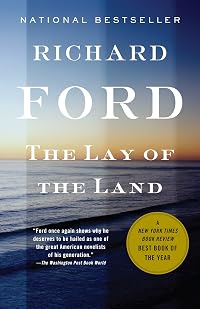
Fiction. Literature. HTML:With The Sportswriter, in 1985, Richard Ford began a cycle of novels that ten years later – after Independence Day won both the Pulitzer Prize and the PEN/Faulkner Award – was hailed by The Times of London as “an extraordinary epic [that] is nothing less than the story of the twentieth century itself.”Frank Bascombe’s story resumes, in the fall of 2000, with the presidential election still hanging in the balance and Thanksgiving looming before him with show more all the perils of a post-nuclear family get-together. He’s now plying his trade as a realtor on the Jersey shore and contending with health, marital and familial issues that have his full attention: “all the ways that life seems like life at age fifty-five strewn around me like poppies.”
Richard Ford’s first novel in over a decade: the funniest, most engaging (and explosive) book he’s written, and a major literary event. show less
Tags
Recommendations







Member Reviews
Ha sido un placer reencontrarse de nuevo con Frank Bascombe, el personaje creado por Richard Ford en la que parece ser la última novela en la que aparezca, tras 'El periodista deportivo' y 'El Día de la Independencia', su obra maestra. Como si de un viejo amigo se tratara, al que hace años que no ves (concretamente diez años, desde la publicación de 'El Día de la Independencia'), Frank nos cuenta qué tal le está yendo la vida, cuando faltan dos días para el Acción de Gracias del año 2000.
Frank sigue en el negocio inmobiliario, vendiendo casas en Nueva Jersey, junto a su empleado tibetano Mike. Su segunda mujer, Sally, le abandonó hace unos meses, al reaparecer su primer marido, al que se había dado por muerto. Pero lo más show more grave es que tiene cáncer de próstata, que está tratando con unas semillas de titanio. Es por ello que su hija Clarissa ha venido a vivir con él. Clarissa, de veinticinco años, ha dejado a su novia porque ha decidido probar de nuevo con los hombres. Con el extraño Paul, de veintisiete años, el otro hijo de Frank, mantiene una relación distante, pero aun así se le espera para Acción de Gracias. En cuanto a Ann, la ex mujer de Frank y madre de sus hijos, la relación bascula entre el amor y el odio, manteniéndose más bien en lo amistoso.
Y así transcurre la vida del bueno de Frank, intentando entender y pecando de demasiado comprensivo con la huida de Sally, además de pensar lo menos posible en el cáncer que padece, cuyo estado ha de volver a revisar en unos días en la Clínica Mayo. Y mientras tanto, Frank sigue viendo a clientes para venderles casas, algo que le gusta y que le ayuda en su día a día. Frank también pertenece a la organización Sponsor que, sin ánimo de lucro, intenta ayudar y dar consejo a las personas que lo requieran, como si de un grupo de amigos de alquiler se tratase.
Y todo ésto, bajo las elecciones del 2000, donde parece que va a ganar Bush (odiado por Frank) en contra de Gore. Bajo este incierto futuro transcurre la novela, con nuestro protagonista acudiendo a citas con clientes, asistiendo al entierro de un viejo amigo, preocupado por su enfermedad, pero no menos por la incertidumbre de su matrimonio, queriendo resarcirse de su penoso papel como padre, pero preocupado también por el gran día, Acción de Gracias, a dos días vista.
Esta novela es un gran fresco de lo que fue el final del año 2000, el inicio de un nuevo milenio, el inicio de una nueva etapa, en la que, visto en retrospectiva, ya se intuía el desastre económico que avecinaba; y quién mejor que un agente inmobiliario para darse cuenta. En el libro hay capítulos y fragmentos memorables, como toda la parte en la que Frank nos explica cómo le abandonó su mujer; o cómo fueron los primeros días con su hija Clarissa; o el entierro de su amigo, y muchos otros, todo ello aderezado por las reflexiones de Frank.
Al libro hay que darle tiempo para arrancar, son muchas páginas, que transcurren en su debido tempo, hasta que llega un momento en que te conviertes en la sombra de Bascombe, y disfrutas por todo lo que va pasando, de todo su periplo, sus conversaciones, sus viajes en coche...
Como bien dice Rodrigo Fresán, hay que darle las gracias a Richard Ford por haber escrito este libro. show less
Frank sigue en el negocio inmobiliario, vendiendo casas en Nueva Jersey, junto a su empleado tibetano Mike. Su segunda mujer, Sally, le abandonó hace unos meses, al reaparecer su primer marido, al que se había dado por muerto. Pero lo más show more grave es que tiene cáncer de próstata, que está tratando con unas semillas de titanio. Es por ello que su hija Clarissa ha venido a vivir con él. Clarissa, de veinticinco años, ha dejado a su novia porque ha decidido probar de nuevo con los hombres. Con el extraño Paul, de veintisiete años, el otro hijo de Frank, mantiene una relación distante, pero aun así se le espera para Acción de Gracias. En cuanto a Ann, la ex mujer de Frank y madre de sus hijos, la relación bascula entre el amor y el odio, manteniéndose más bien en lo amistoso.
Y así transcurre la vida del bueno de Frank, intentando entender y pecando de demasiado comprensivo con la huida de Sally, además de pensar lo menos posible en el cáncer que padece, cuyo estado ha de volver a revisar en unos días en la Clínica Mayo. Y mientras tanto, Frank sigue viendo a clientes para venderles casas, algo que le gusta y que le ayuda en su día a día. Frank también pertenece a la organización Sponsor que, sin ánimo de lucro, intenta ayudar y dar consejo a las personas que lo requieran, como si de un grupo de amigos de alquiler se tratase.
Y todo ésto, bajo las elecciones del 2000, donde parece que va a ganar Bush (odiado por Frank) en contra de Gore. Bajo este incierto futuro transcurre la novela, con nuestro protagonista acudiendo a citas con clientes, asistiendo al entierro de un viejo amigo, preocupado por su enfermedad, pero no menos por la incertidumbre de su matrimonio, queriendo resarcirse de su penoso papel como padre, pero preocupado también por el gran día, Acción de Gracias, a dos días vista.
Esta novela es un gran fresco de lo que fue el final del año 2000, el inicio de un nuevo milenio, el inicio de una nueva etapa, en la que, visto en retrospectiva, ya se intuía el desastre económico que avecinaba; y quién mejor que un agente inmobiliario para darse cuenta. En el libro hay capítulos y fragmentos memorables, como toda la parte en la que Frank nos explica cómo le abandonó su mujer; o cómo fueron los primeros días con su hija Clarissa; o el entierro de su amigo, y muchos otros, todo ello aderezado por las reflexiones de Frank.
Al libro hay que darle tiempo para arrancar, son muchas páginas, que transcurren en su debido tempo, hasta que llega un momento en que te conviertes en la sombra de Bascombe, y disfrutas por todo lo que va pasando, de todo su periplo, sus conversaciones, sus viajes en coche...
Como bien dice Rodrigo Fresán, hay que darle las gracias a Richard Ford por haber escrito este libro. show less
Anyone who followed Frank Bascombe through Richard Ford’s previous novels in this trilogy (The Sportswriter and Independence Day) will be forgiven for some trepidation on picking up the final instalment, which is situated during the Thanksgiving Day weekend of 2000. American holidays haven’t been good to Frank. They tend to induce introspection, disruption from the usual routine, and interactions with one’s family, all of which are somewhat risky activities. And for Frank, who is now settled in what he calls his ‘Permanent Period’, such moments of personal and national soul searching usual trigger transformation. A change is certain for the country, mired though it is in the aftermath of the disputed Bush-Gore presidential show more election. But what kind of change can come for someone in his Permanent Period? What’s next, other than the ‘Next Level’, and what can that be other than death itself?
Frank is estranged from his first wife. His second wife, Sally, has been gone for nearly a year, having followed her former husband (who had been presumed dead) to the Scottish island of Mull. He cannot survive even a brief conversation with his son, Paul, without nearly coming to blows. His daughter, Clarissa, is pursuing her own transformations. His Tibetan colleague in Realty-Wise is itching to climb another rung on the great ladder of being. And Frank is undergoing treatment for prostate cancer. Anxious might be too modest a word to describe Frank’s state of mind.
Once again, Richard Ford paints a masterly picture of the modern condition in this gripping conclusion to his Frank Bascombe trilogy. The prose is dense with hesitant metaphor and promiscuous symbolism as Frank asserts, contradicts, and reasserts himself, more acted upon than acting, and incapable, seemingly, of transacting the smallest bit of business without disaster—physical, emotional, spiritual—rearing up and biting him. It’s hard to imagine a character more in need of our sympathy, or less able or likely to accept it.
Of course, endings are very much the theme of The Lay of the Land. One way or another, it’s the end for Frank. Eschatology breeds an intemperate clamouring for teleology. But whether Frank can piece together his life as a whole is an open question. And the end, when it comes, is always a surprise, however much we prepare ourselves.
Recommended without reservation. show less
Frank is estranged from his first wife. His second wife, Sally, has been gone for nearly a year, having followed her former husband (who had been presumed dead) to the Scottish island of Mull. He cannot survive even a brief conversation with his son, Paul, without nearly coming to blows. His daughter, Clarissa, is pursuing her own transformations. His Tibetan colleague in Realty-Wise is itching to climb another rung on the great ladder of being. And Frank is undergoing treatment for prostate cancer. Anxious might be too modest a word to describe Frank’s state of mind.
Once again, Richard Ford paints a masterly picture of the modern condition in this gripping conclusion to his Frank Bascombe trilogy. The prose is dense with hesitant metaphor and promiscuous symbolism as Frank asserts, contradicts, and reasserts himself, more acted upon than acting, and incapable, seemingly, of transacting the smallest bit of business without disaster—physical, emotional, spiritual—rearing up and biting him. It’s hard to imagine a character more in need of our sympathy, or less able or likely to accept it.
Of course, endings are very much the theme of The Lay of the Land. One way or another, it’s the end for Frank. Eschatology breeds an intemperate clamouring for teleology. But whether Frank can piece together his life as a whole is an open question. And the end, when it comes, is always a surprise, however much we prepare ourselves.
Recommended without reservation. show less
(8.5)This is the third in the Frank Bascombe series and despite not really liking the man I wanted to see what occurred next in his life.
Another decade has passed and once again Frank is on his own. His second wife Sally has left him after finding that her first husband is very much alive (he had been presumed dead) and she feels she has unfinished business with him.
Frank is living comfortably in their seaside modern home and still enjoying his realty business. However, it is a couple of days before Thanksgiving and his daughter and son and partners are descending upon him. He has survived the treatment and diagnois of prostate cancer which has left him feeling vulnerable when his first wife, Ann, now widowed declares that she still show more loves him. Frank is taken aback as he has finally accepted that their marriage was not right for them both. In the three days this 700 page book covers, Frank is confronted with a bomb scare, a death, an assault, a storm and murder. All this is recounted in his dry internal monologue on philisophical and societal topics. It is a social commentary on small town America at the millennium. I have a feeling that a fourth book in the series has been published and I guess I will be back for more ... show less
Another decade has passed and once again Frank is on his own. His second wife Sally has left him after finding that her first husband is very much alive (he had been presumed dead) and she feels she has unfinished business with him.
Frank is living comfortably in their seaside modern home and still enjoying his realty business. However, it is a couple of days before Thanksgiving and his daughter and son and partners are descending upon him. He has survived the treatment and diagnois of prostate cancer which has left him feeling vulnerable when his first wife, Ann, now widowed declares that she still show more loves him. Frank is taken aback as he has finally accepted that their marriage was not right for them both. In the three days this 700 page book covers, Frank is confronted with a bomb scare, a death, an assault, a storm and murder. All this is recounted in his dry internal monologue on philisophical and societal topics. It is a social commentary on small town America at the millennium. I have a feeling that a fourth book in the series has been published and I guess I will be back for more ... show less
Ford's third book about the ordinary white American man, Frank Bascombe, as ever offers a richly patterned and intricate meditation on the average and quotidian - and how extraordinary that is. The passage through life of a family man, navigating the new and unexpected, watching change and conscious of being one step behind or out of step, just holding things together or seeing them fall apart, takes us through a matter of days and miles in nearly 500 pages of intersections, hits and near misses.
Read this in preparation for reading the recently-released last novel in the Frank Bascombe series (at least, for now), [b:Be Mine|62668811|Be Mine|Richard Ford|https://i.gr-assets.com/images/S/compressed.photo.goodreads.com/books/1675643272l/62668811._SY75_.jpg|98409720]. As with the other books in the series, there are moments when I become so disconnected from/frustrated with Frank's rigorous rambling that I want to throw the book across the room, and other moments when I am completely captivated by the thoroughly-inhabited voice of the character. Like Cheever, Updike, Yates, the characters are less than likable, and yet these authors sometimes rise to capture pieces of life with heartbreaking precision.
I was motivated by the opening event - as I believe I was intended to be - to want to know how, by the end of the book, Frank Bascombe would answer the question, "Are you ready to meet your Maker?" That was the whole premise upon which the novel was stated. (I sensed that that opening was so important to the rest of the book, that I re-read it before going on.) But we were never really given a conclusion, not Frank's nor anyone else's.
That premise - that promise - was what was going to, I thought, make this a memorable and enlarging experience. What we learned was that you might get cancer, or even get shot, that a certain frictionless quality of personality can ease you through a lot of situations, and that your relationships with show more your exes and your offspring might be fraught with all kinds of unresolved consequences flowing from what has gone before in some distant past when, to be generous, you might not have known any better and you were doing the best you could.
Frank has become a guy who works so hard, with such design, to avoid (or to escape from) unguarded, unchoreographed encounters with any person or situation, that he is essentially an "accidental tourist" in his own life. That's not to say he's not paying attention - he is in fact hypervigilant, as a million recounted details attest. Perhaps that's the book that was intended, but it wasn't the one I expected. show less
That premise - that promise - was what was going to, I thought, make this a memorable and enlarging experience. What we learned was that you might get cancer, or even get shot, that a certain frictionless quality of personality can ease you through a lot of situations, and that your relationships with show more your exes and your offspring might be fraught with all kinds of unresolved consequences flowing from what has gone before in some distant past when, to be generous, you might not have known any better and you were doing the best you could.
Frank has become a guy who works so hard, with such design, to avoid (or to escape from) unguarded, unchoreographed encounters with any person or situation, that he is essentially an "accidental tourist" in his own life. That's not to say he's not paying attention - he is in fact hypervigilant, as a million recounted details attest. Perhaps that's the book that was intended, but it wasn't the one I expected. show less
Not as good as the first two, I still really enjoyed this third Frank Bascombe book. It starts slowly, but soon takes off. The narrator has a ton of personality and humor, and is always interjecting Deep Thoughts on life, aging, community, and New Jersey real estate.
Members
- Recently Added By
Lists

Novels from The Guardian's Great American Novelist Tournament
148 works; 24 members

Books Read in 2017
4,249 works; 129 members
Author Information

64+ Works 17,860 Members
He was born in Jackson, Mississippi, in 1944 & grew up there & in Little Rock, Arkansas. He graduated from Michigan State University & received an M. F. A. in 1970 from the University of California at Irvine. He has received a Guggenheim Fellowship and grants from the National Endowment for the Arts & American Academy of Arts & Letters Award for show more Literature. He was also given the 1994 Rea Award. In 2001 he was awarded the PEN/Malamud prize. He made The New York Times Best Seller List for his title's Canada and Let Me Be Frank with You. He was also a finalist for the Pulitzer Prize for Fiction with his title, Let Me Be Frank With You. (Publisher Provided) show less
Some Editions
Awards and Honors
Awards
Distinctions
Series

Belongs to Publisher Series
Keltainen kirjasto (392)
Work Relationships
Is contained in
Common Knowledge
- Canonical title*
- Maan laulu
- Original publication date
- 2006 (UK) (UK)
- People/Characters
- Frank Bascombe; Paul Bascombe; Clarissa Bascombe; Sally Caldwell
- Important places
- New Jersey, USA
- Important events
- Bush v. Gore, 531 U.S. 98; Millennium; Thanksgiving
- Dedication
- Kristina
- First words
- Last week, I read in the Asbury Press a story that has come to sting me like a nettle.
- Last words
- (Click to show. Warning: May contain spoilers.)A bump, a roar, a heavy thrust forward into life again, and we resume our human scale upon the land.
*Some information comes from Common Knowledge in other languages. Click "Edit" for more information.
Classifications
Statistics
- Members
- 1,791
- Popularity
- 12,291
- Reviews
- 35
- Rating
- (3.86)
- Languages
- 11 — Catalan, Danish, Dutch, English, Finnish, French, German, Italian, Portuguese, Spanish, Swedish
- Media
- Paper, Audiobook, Ebook
- ISBNs
- 43
- ASINs
- 15