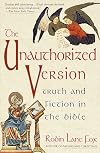
The Unauthorized Version: Truth and Fiction in the Bible
by Robin Lane Fox
On This Page
Description
Robin Lane Fox's book explores the historical context and truths behind the Bible, distinguishing between fact and fiction within its texts. Written from a historian's perspective, Fox examines the origins, authorship, and historical facts of both the Old and New Testaments. His approach is objective, aiming to provide clarity on questions the Bible does not explicitly answer. The book addresses both Christian and Jewish interpretations, though it predominantly considers the Bible as a show more creation of Christianity. Fox's work is informed by historical scholarship and acknowledges contributions from various historians and theologians. This book is intended for readers interested in the historical analysis of biblical texts rather than theological or faith-based perspectives. show lessTags
Recommendations






Member Reviews
I was first introduced to Oxford historian Robin Lane Fox when I read his book, Pagans and Christians. In addition to authoring many scholarly works, Lane Fox has written on a variety of topics for the general public. What I enjoy most about his writing style is that he occasionally breaks the fourth wall and writes directly to you, the reader. He shares his intentions so that you can follow his train of thought throughout the work. This puts the reader on the lookout and because you understand what he is trying to achieve, you have the luxury of deciding if you agree with his approach while you read rather than react to it after the fact.
I’ve read other reviews of Lane Fox’s book and several of them refer to his dry style and the show more sloggish nature of the book. I wholeheartedly disagree. I found The Oxford History of the Biblical World to be more dry because of its more formal style. No breaking of the fourth wall there. Lane Fox not only speaks directly to his dear reader, he throws in little bits of dry English humor that bring you up from the slog to laugh a bit. My favorite is this: “There were ancient prophesies of a future king, the ‘stem of Jesse’, chosen by the Lord: many of the most explicit texts about him had been invented under foreign domination during the years of exile in Babylon. Ideas of this future super-star had multiplied freely…”
In writing The Unauthorized Version, Lane Fox, an atheist, set out to explain for himself and others what he meant when he once told a friend, “I believe in the Bible but not in God.” He starts by considering a question. “In John’s Gospel, Jesus tells Pilate, ‘To this end was I born, and for this cause came I into the world, that I should bear witness unto the truth. Every one that is of the truth hearest my voice.’ ‘What is truth?’ asks Pilate and does not receive a reply.” (pp 13)
Lane Fox then explains what he intends to achieve with his book: “I intend to take Pilate’s question and turn it back on the Bible itself. First, I will explore the view that the Bible’s very nature and origin give it a coherence which answers Pilate’s question. Then I will explore its narrative to see if there is a level at which it corresponds to fact.” (pp 14)
I won’t give away Lane Fox’s plot. You’ll have to read the book if you want to learn what he concludes. I will say, however, that there’s a fascinating plot twist in his final conclusion that is moving whether you’re a believer or not. show less
I’ve read other reviews of Lane Fox’s book and several of them refer to his dry style and the show more sloggish nature of the book. I wholeheartedly disagree. I found The Oxford History of the Biblical World to be more dry because of its more formal style. No breaking of the fourth wall there. Lane Fox not only speaks directly to his dear reader, he throws in little bits of dry English humor that bring you up from the slog to laugh a bit. My favorite is this: “There were ancient prophesies of a future king, the ‘stem of Jesse’, chosen by the Lord: many of the most explicit texts about him had been invented under foreign domination during the years of exile in Babylon. Ideas of this future super-star had multiplied freely…”
In writing The Unauthorized Version, Lane Fox, an atheist, set out to explain for himself and others what he meant when he once told a friend, “I believe in the Bible but not in God.” He starts by considering a question. “In John’s Gospel, Jesus tells Pilate, ‘To this end was I born, and for this cause came I into the world, that I should bear witness unto the truth. Every one that is of the truth hearest my voice.’ ‘What is truth?’ asks Pilate and does not receive a reply.” (pp 13)
Lane Fox then explains what he intends to achieve with his book: “I intend to take Pilate’s question and turn it back on the Bible itself. First, I will explore the view that the Bible’s very nature and origin give it a coherence which answers Pilate’s question. Then I will explore its narrative to see if there is a level at which it corresponds to fact.” (pp 14)
I won’t give away Lane Fox’s plot. You’ll have to read the book if you want to learn what he concludes. I will say, however, that there’s a fascinating plot twist in his final conclusion that is moving whether you’re a believer or not. show less
I have had this book sitting on my bookshelf for some time (it was published in 1991); a note from my friend Aldo who had been reading in this area inspired me to pick it up, and I'm very glad that I did. Lane Fox is a noted historian (Aldo knew of his work on Alexander), and he brings that discipline to this exhaustive analysis of the Bible.
From a strictly historical point of view, the Bible does not fare particularly well: the nativity scene was a complete fabrication, Jesus was not born in Bethlehem, and the wise men were added later; there is scant historical evidence for many persons/events described in the Bible; the Gospels were written 300 years after the events they describe, and with one exception (John), were not based on show more primary sources, but represent more the work of compilers, editors, and justifiers; the production of the first English version of the King James Bible was based on a Greek text which has since been shown to be incorrect, and it was not the only text in existence; the history of the Bible is one of selections by writers/compilers that interpret/channel history in certain directions that could just as easily have gone off in other ones ("Even within individual books, what we now read in the Bible is the result of padding and reinterpretation."). In his search for an answer to the question, "What is truth" (the question Pilate put to Jesus), Lane Fox examines the Bible in terms of correspondence to the facts (known from other sources), and truth in coherence with a general system of beliefs. He examines the Bible in and of itself (and finds it almost hopelessly contradictory), and assess Biblical references against other sources whether written, historical, or archeological.
"So far we have followed the slow, incoherent growth of the scriptures and their tests; we have cut down to size the claims for the ‘text as we have it' or the biblical canon as keys to their meaning; we marked out the likeliest areas of primary information (the last half of 2 Samuel; the books of Kings; bits of Nehemiah; the fourth Gospel and the acts) and we have set samples from these parts and others against evidence outside them, in Gentile texts, below and above ground in the known course of the future. The results refute anyone who might wish to argue that long stretches of biblical narrative are true because they correspond in detail to the facts. Beyond a minimal framework, even the primary sources interpret and elaborate events in a fascinating range of ways. Elsewhere, biblical authors can be shown to have failed to describe what happened; they disagree between themselves; they address the future, but even with the help of friends and editors, their details are no more accurate than those of weather-forecaster who is not speaking the ‘word of the Lord'".
Fox Lane does, however, recognize the power and appeal of the Bible and its many stories..."...scripture also puts words to feeling; it offered hope and comfort; it seemed to make sense of life...". And he argues that the power of the Bible lies within its humanity rather than its divinity, humanity in the broadest sense, bad as well as good: "So far from being the word of God, the scriptures confront us as a mirror of fallen man". This, for Lane Fox, is the answer to the Pilate's question of what is truth. Fundamentalists would, of course, reject such a humanistic approach or interpretation of the Bible and scriptures, but to my mind this comes closer to an understanding of the wide-spread appeal that the Bible has, and the comfort that it does Bible provides to a lot of people. But to base all of one's actions and beliefs on scripture (written almost 2,000 years ago in completely different historical, social, and political circumstances and motivations) is nonsense. Fox Lane:
2 Timothy contains the text which fundamentalists have often idealized: ‘All scripture is given by inspiration of God, and is profitable for doctrine, for reproof, for corrections' (2 Timothy 3:16). The translation is arguable, as is the text's authority. It is a pleasant measure of the complexities in the Bible's truth: the text which has been misused to support a literal view of the entire Bible's inspiration is itself the work of an author who had lied about his identity.
(Jan/03) show less
From a strictly historical point of view, the Bible does not fare particularly well: the nativity scene was a complete fabrication, Jesus was not born in Bethlehem, and the wise men were added later; there is scant historical evidence for many persons/events described in the Bible; the Gospels were written 300 years after the events they describe, and with one exception (John), were not based on show more primary sources, but represent more the work of compilers, editors, and justifiers; the production of the first English version of the King James Bible was based on a Greek text which has since been shown to be incorrect, and it was not the only text in existence; the history of the Bible is one of selections by writers/compilers that interpret/channel history in certain directions that could just as easily have gone off in other ones ("Even within individual books, what we now read in the Bible is the result of padding and reinterpretation."). In his search for an answer to the question, "What is truth" (the question Pilate put to Jesus), Lane Fox examines the Bible in terms of correspondence to the facts (known from other sources), and truth in coherence with a general system of beliefs. He examines the Bible in and of itself (and finds it almost hopelessly contradictory), and assess Biblical references against other sources whether written, historical, or archeological.
"So far we have followed the slow, incoherent growth of the scriptures and their tests; we have cut down to size the claims for the ‘text as we have it' or the biblical canon as keys to their meaning; we marked out the likeliest areas of primary information (the last half of 2 Samuel; the books of Kings; bits of Nehemiah; the fourth Gospel and the acts) and we have set samples from these parts and others against evidence outside them, in Gentile texts, below and above ground in the known course of the future. The results refute anyone who might wish to argue that long stretches of biblical narrative are true because they correspond in detail to the facts. Beyond a minimal framework, even the primary sources interpret and elaborate events in a fascinating range of ways. Elsewhere, biblical authors can be shown to have failed to describe what happened; they disagree between themselves; they address the future, but even with the help of friends and editors, their details are no more accurate than those of weather-forecaster who is not speaking the ‘word of the Lord'".
Fox Lane does, however, recognize the power and appeal of the Bible and its many stories..."...scripture also puts words to feeling; it offered hope and comfort; it seemed to make sense of life...". And he argues that the power of the Bible lies within its humanity rather than its divinity, humanity in the broadest sense, bad as well as good: "So far from being the word of God, the scriptures confront us as a mirror of fallen man". This, for Lane Fox, is the answer to the Pilate's question of what is truth. Fundamentalists would, of course, reject such a humanistic approach or interpretation of the Bible and scriptures, but to my mind this comes closer to an understanding of the wide-spread appeal that the Bible has, and the comfort that it does Bible provides to a lot of people. But to base all of one's actions and beliefs on scripture (written almost 2,000 years ago in completely different historical, social, and political circumstances and motivations) is nonsense. Fox Lane:
2 Timothy contains the text which fundamentalists have often idealized: ‘All scripture is given by inspiration of God, and is profitable for doctrine, for reproof, for corrections' (2 Timothy 3:16). The translation is arguable, as is the text's authority. It is a pleasant measure of the complexities in the Bible's truth: the text which has been misused to support a literal view of the entire Bible's inspiration is itself the work of an author who had lied about his identity.
(Jan/03) show less
Lots of good scholarship here, but marred by Fox's obtuse writing style. His book on Alexander the Great is far more readable, as are Bart Ehrman's books on the veracity (or lack thereof) of the Bible. Still worth picking up, however.
Robin Lane Fox writes in his preface, "It is unauthorized because it addresses question which the Bible itself obscures: Its authors, historical growth and historical truth."
This scholarly work delves into both Hebrew and Christian scriptures and pieces together the times, places, authors and ways in which the Bible was written. Well-researched and developed, Fox takes the reader through the dense forest of biblical research and explains how he has reached the conclusion that some books were not written by who readers often believe the author to be and why they were not written in a contemporary (to the event) time frame. It's fascinating, but be warned, Fox's writing is frequently dense and can, at times feel like a slog. Definitely show more worth the effort. show less
This scholarly work delves into both Hebrew and Christian scriptures and pieces together the times, places, authors and ways in which the Bible was written. Well-researched and developed, Fox takes the reader through the dense forest of biblical research and explains how he has reached the conclusion that some books were not written by who readers often believe the author to be and why they were not written in a contemporary (to the event) time frame. It's fascinating, but be warned, Fox's writing is frequently dense and can, at times feel like a slog. Definitely show more worth the effort. show less
Fox doesn't believe in God, but he does believe in the Bible. Aw, let him try to explain it. I love books like these. I have several and they all are different. Fox's conclusions about which Gospel got things right is totally different from Bart Ehrman's, but they both agree that you might be able to glean some historical facts from the conflicting information provided.
I'm interested in this subject, and there were lots of tidbits of information, but the author's presentation of it was almost unbearably dry and slow.
When he disagrees with some other author, he just claims superiority. No reason given. Some good points of the relationship between archeology and bible history.
Members
- Recently Added By
Lists

Used books to buy next
565 works; 1 member

Atheism, humanism, freethought, &c. — Best nonfiction books in favour of
167 works; 14 members
Author Information

29+ Works 7,355 Members
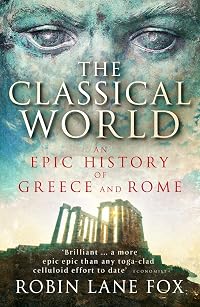
Robin Lane Fox is a university reader in ancient history and an emeritus fellow of New College, Oxford. The author of The Classical World and Alexander the Great, Fox lives in Oxford, England.
Work Relationships
Is a study of
Common Knowledge
- Canonical title
- The Unauthorized Version: Truth and Fiction in the Bible
- Original publication date
- 1991
- People/Characters
- Jerome, 331-420
- First words
- Questa è la Bibbia vista da uno storico. È un libro sulle prove e sulla verità storica, non sulla fede. Qui si trattano questioni su cui la Bibbia stessa stende un velo: gli autori, lo sviluppo storico e la verità storica... (show all). Anche coloro per i quali la Bibbia è un libro di fede desiderano scoprire la verità. Io scrivo da ateo, ma ci sono studiosi ebrei e cristiani le cui versioni sarebbero considerate molto più radicali della mia.Troveranno conservatrice, addirittura antiquata la mia visione di storico, ma a volte gli atei sono amici sinceri della verità.
PREFAZIONE
Nel Vangelo di Giovanni Gesù dice a Pilato: "Per questo io sono nato e per questo sono venuto nel mondo:per rendere testimonianza alla verità. Chiunque è dalla verità, ascolta la mia voce" (18:27).
"Che cos'è la... (show all) verità?" domanda Pilato, ma non riceve risposta. - Quotations
- Nel mondo antico esisteva un nesso importante tra l'esilio e lo scrivere del passato. I primi storici greci erano esuli, uomini che avevano il tempo per scrivere e il distacco sufficiente per spiegare; anche molti loro succes... (show all)sori vissero lontano dalla propria città. Tra gli ebrei, l'Esilio accadde come catastrofe collettiva, ma produsse un effetto analogo. Molti si domandavanoperché era successo, se sarebbe successo altro e, in caso affermativo, che cosa. Altri desideravano conservare la tradizione, tenere vivi il passato e le sue usanze, addirittura idealizzarli per colmare quella grande lacuna nella loro esistenza. Perciò durante l'Esilio scrivevano; i canti e gli scritti ebraici di quel periodo costituiscono le grandi opere letterarie della meta e della fine del VI sec. a.C., periodo di relativa mediocrità per gli scrittori nelle altre parti del mondo.
Non sono mancate, attraverso i secoli, le risposte alla domanda finale di Pilato a Gesù, ma la questione è ben lontana dall'essere chiarita. I filosofi l'hanno analizzata con sottigliezza sempre maggiore, ma alla base delle... (show all) loro argomentazioni ci sono due tipi di risposta. Da un lato c'è verità quando le parole coincidono coi fatti (la teoria della corrispondenza); dall'altro, la verità consiste nella coerenza con un sistema generale di credenze (la teoria della coerenza). È mia intenzione prendere la domanda di Pilato e riproporla alla Bibbia stessa. In primo luogo indagherò l'ipotesi secondo cui la natura e l'origine della Bibbia danno alla domanda una coerenza che risponde a Pilato. Poi esplorerò la narrativa biblica per vedere se esiste un livello in cui essa corrisponde ai fatti.
La Bibbia è un libro insolito con due storie contrastanti e una narrazione falsa nel tempo e nel luogo. Per secoli questo libro è stato letto come la fonte della verità, la norma della fede, la "Sacra Scrittura", non sempl... (show all)icemente come un testo. Il mio libro si propone di esplorare il labirinto che il concetto di verità biblica tuttora dischiude davanti ai lettori.
La lettura canonica giustifica la propria visione unificata dando particolare autorità alla Bibbia nel suo insieme: quanto è significativa questa autorità? Qui dobbiamo tenere presente un semplice fatto.Ai tempi bib... (show all)lici, la Bibbia o Antico Testamento non era affatto un libro. I suoi testi erano copiati su rotoli di papiro, di pergamena o addirittura di pelle, ciascuno dei quali conteneva soltanto un testo oun gruppo di testi brevi. Questi rotoli erano spesso ingombranti. Un testo di Isaia copiato su papiro, ritrovato solo di recente in una grotta vicino al Mar Morto, una volta srotolato raggiunge la lunghezza di sei metri. Ai tempi di Gesù, quello che i cristiani oggi chiamano l'Antico Testamento avrebbe dovuto essere raccolto in forma di rotoli voluminosi, abbastanza simili ai rolli di tappezzeria che oggi troviamo ammucchiati in una stanza in attesa del decoratore. È più difficile controllare e contenere una pila di rotoli che conservare un libro rilegato in una copertina. Furono i cristiani che per primi rilegarono i libri o codici- la forma ordinaria dei testi biblici - ma ciononostante non risulta che avessero copiato le nostre Bibbie in un unico primo esemplare. La storia dei testi biblici scorre dal rotolo al mucchio, dal mucchio ai libri-codici, e questo iter occupa circa mille anni. Dobbiamo guardare oltrela rilegatura del nostro libro e cercare di vedere quando e perché, approssimativamente, quei testi furono scritti, e in tal caso quale autorità hanno come insieme.
Una risposta realistica alla caduta di Gerusalemme sarebbe stata l'accettazione del fatto che il Dio degli ebrei era in realtà meno forte dei suoi vicini, e che le truppe babilonesi erano state troppo potenti nel confronto c... (show all)on i re minori che si erano ribellati. Quegli ebrei i cui scritti sono giunti fino a noi non adottarono questa via: essi interpretarono gli avvenimenti a dispetto dei fatti. [...] Nell'Esilio le persone che condividevano questo modo di vedere cominciarono a imporlo ai testi recuperati che li avevano seguiti nella prigionia. Li imposero alle note storie di Geremia e ai detti annotati dal suo fedele scrivano, Baruc. C'erano anche cronache reali, storie di profeti, tradizioni su persone lontane nel tempo quanto Giosuè. Nacque così un'impresa considerevole: fu nell'Esilio che un valido autore prese questa documentazione e la trasformò in un lungo racconto, guidato dal modo in cui il Libro della Legge intrpretava gli eventi. Questa realizzazione sbalorditiva è tuttora la spina dorsale dei sei libri della nostra narrativa biblica (da Giosuè al secondo Libro dei Re). Esso spiega il passato in termini di un'alleanza stipulata dal Signore con il suo popolo eletto, che pero l'aveva infranta secondo le predizioni. [...] questa narrativa nacque da una minoranza che desiderava spiegare il disastro e credeva che l'anno 587 a.C. avesse confermato tuttociò che essi credevano da anni. [...] In esilio c'erano anche i tradizionalisti di tutt'altro tipo: molti ex sacerdoti e servi del Tempio con le loro famiglie. L'Alleanza e la legge etica dei Deuteronomisti andavano benissimo, ma non erano le sole cose che contavano nella storia. Esistevano anche le altre tradizioni: tutti i particolari dei rituali dei sacerdoti e dell'osservanza del culto. Se non venivano messi per iscritto, avrebbero potuto essere dimenticati, ma se venivano scritti potevano essere idealizzati tenendo vivo il passato e gettando il ponte sulla fossa dell'Esilio. Un testo con questa prospettiva sacerdotale sta alla base di quelli che sono i primi cinque libri della nostra Bibbia, e inevitabilmente le date del suo contenuto sono tuttora discusse.
[nell'Esilio] Ebrei particolarmente devoti aggiungevano nuove Scritture a quelle antiche portate dalla patria, ma gli altri ebrei non erano tenuti a impararle e nemmeno a osservarne la lettera, soprattutto per il fatto che es... (show all)se non prevedevano tutte le eventualità e non concordavano nemmeno, punto per punto, l'una con l'altra. I fanatici potevano così essere lasciati alle proprie ossessioni. - Last words
- (Click to show. Warning: May contain spoilers.)Quando avevo quasi finito l'opera, un amico mi ha rammentato di avermi sentito dire, una volta, che credo nella Bibbia, ma non in Dio. Avevo dimenticato da un pezzo questa affermazione, che tuttavia dev'essere rimasta dentro di me. Questo libro nasce venticinque anni dopo come spiegazione di ciò che intendevo dire allora.
PREFAZIONE
(Click to show. Warning: May contain spoilers.)Nel momento terribile dell'arresto di Gesù, la ragnatela di errore e preveggenza, di coscienza, debolezza umana e lacrime assolutamente non cerimoniali, si richiude su uno di loro, proprio come il Signore ha predetto. "In verità ti dico: proprio tu oggi, in questa stessa notte, prima che il gallo canti due volte, mi rinnegherai tre volte." Mentre gli altri si disperdono, Pietro segue Gesù, ma da lontano. Mentre si scalda vicino al fuoco, lo rinnega tre volte; il gallo canta e, in tutti e tre i Vangeli sinottici, Pietro "piange amaramente". Le azioni di servi e pescatori sono molto al di sotto degli orizzonti dei dignitosi storiografi classici, ma in tutti e quattro i Vangeli questa scena tra una serva e un pescatore è radicata nella narrativa della Passione. Forse deriva da una fonte primaria, dallo stesso Pietro, o forse dal discepolo prediletto che era anche lui nella casa del sommo sacerdote. I suoi particolari sono coerenti in tutti i Vangeli, e la scena può corrispondere a un fatto primario e testimoniato. Al canto del gallo, Pietro è messo di fronte al proprio errore, come gli era stato predetto da colui che "sapeva quello che c'è in ogni uomo". Qui la verità coincide con quella chepuò essere una prova storica; pertanto Pietro risponde alla domanda di Pilato con cui si è aperto questo studio.
Classifications
Statistics
- Members
- 841
- Popularity
- 32,623
- Reviews
- 7
- Rating
- (3.66)
- Languages
- 6 — Dutch, English, German, Italian, Portuguese, Spanish
- Media
- Paper, Ebook
- ISBNs
- 18
- ASINs
- 3