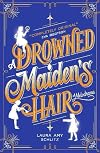
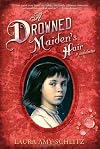
A Drowned Maiden's Hair: A Melodrama
by Laura Amy Schlitz
On This Page
Description
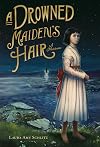
At the Barbary Asylum for Female Orphans, eleven-year-old Maud is adopted by three spinster sisters moonlighting as mediums who take her home and reveal to her the role she will play in their seances.Tags
Recommendations
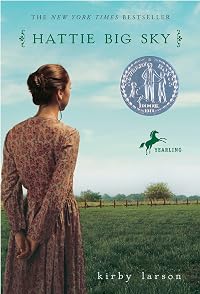
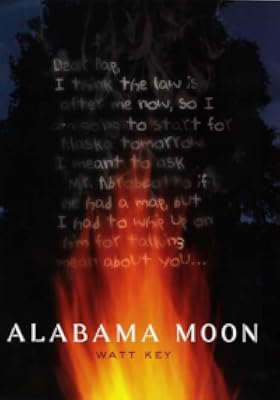
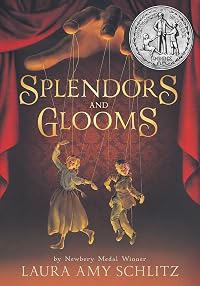
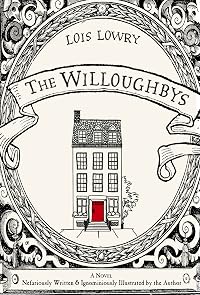
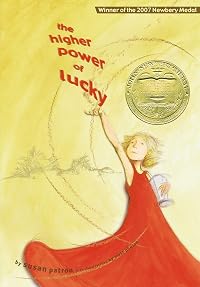


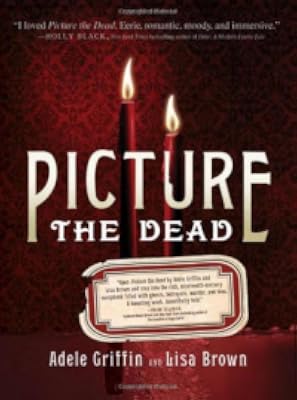
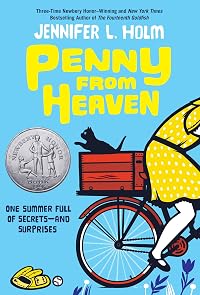
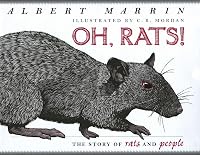
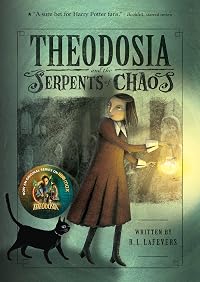
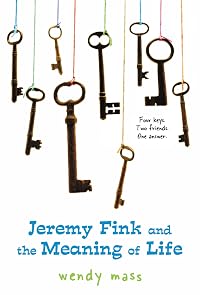
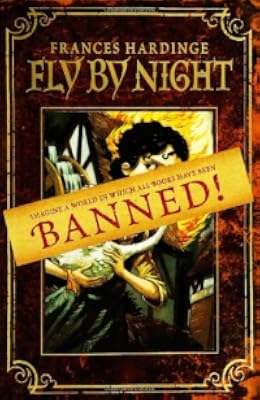
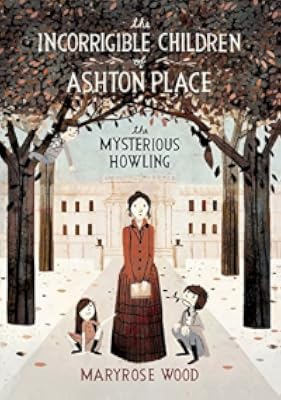







Member Recommendations

reading-machine It's an eerie little story with a funny twist at the end
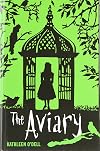
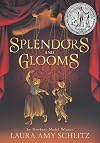
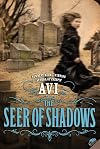
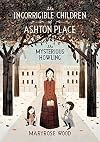
by HollyMS
Member Reviews
A Drowned Maiden's Hair is a delightful find, an original story with an irresistible set of characters: a love-starved orphan, a trio of sisters who operate a seance business (much like the Fox Sisters), a deaf-mute servant, and a rich woman grieving for her lost child. Maud is astonished to be adopted from the orphanage over other, more "good" children and is anxious to please the Hawthorne Sisters, her new guardians, even if that means participating in their seance deceptions and impersonating the spirit of a dead child. She views the adult cast of the book through young and naive eyes: Hyacinth is loving and charming; Judith is proper; Victoria is fussy; Muffet the servant is stupid and ugly; and Mrs. Lambert is rich, silly, and show more spoiled. As the plot progresses, however, Maud gradually comes to realize that these people are not what they seem at first to be, and each adult's character is more fully revealed over the course of the story.
Is it right to lie, even in a good cause? Can you actually console a grieving person by deceiving them? Do you have to be a perfectly good person in order to be worthy of love? While the reader ponders these questions, she/he will also be entertained by the seance tricks revealed in the book and eager to learn the true details behind the death of Caroline Lambert.
This is an engaging read. I plan to use it as a read aloud with my fifth grade class in the fall. They will love it. show less
Is it right to lie, even in a good cause? Can you actually console a grieving person by deceiving them? Do you have to be a perfectly good person in order to be worthy of love? While the reader ponders these questions, she/he will also be entertained by the seance tricks revealed in the book and eager to learn the true details behind the death of Caroline Lambert.
This is an engaging read. I plan to use it as a read aloud with my fifth grade class in the fall. They will love it. show less
Narrated by Alma Cuervo. I put this on expecting an undersea fantasy saga (the audiobook illustration looks nothing like the book) and instead got an orphan saga that was a far better story than I expected! Maud Flynn has lived in a miserable New England orphanage when her singing attracts the attention of an old, sweet lady named Hyacinth who has come with her stern sister Judith to adopt a girl. They end up bringing Maud home with them to their other sister Victoria. Maud loves Hyacinth; she is the one sister who treats her warmly. But Maud doesn't realize she wasn't adopted out of love but out of necessity: Hyacinth heads the sisters' seance business, scamming grieving parents out of their money by "contacting" their dead children, show more and Maud is needed to help pull off a lucrative scam on the rich Mrs. Lambert. The characters are all intriguing and distinctive including the unpredictable Hyacinth and the deaf Muffet who is the only woman in the house who cares about Maud. We learn along with Maud the different tricks to pulling off a seance, and soon we begin to realize what Maud hasn't detected: a slow-building tension that indicates all is not as it seems with her living situation. Alma Cuervo does a fantastic job as a reader, vividly bringing all the characters to life and feeding us the story with just the right emotional pitch depending on what is going on. Just terrific! show less
A Drowned Maiden’s Hair by Laura Amy Schlitz is a YA melodrama that tells the story of eleven year old Maud Flynn, an orphan who enjoys misbehaving and causing disruptions. She is as surprised as anyone when she is chosen by Hyacinth Hawthorne to be taken home to live with her and her sisters. She soon finds out that these three elderly ladies are not looking for a child to love, but for an assistant to help them with their phony seances.
As an orphan, Maud craves love and attention, she lavishes her affection on Hyacinth who accepts this as her due. Maud is trained to add special touches to the seances the women perform, in particular, she is expected to perform as “Caroline” the deceased daughter of a very rich client. At first show more Maud enjoys playing her part but she meets the rich client, Mrs. Lambert, and sees that she is actually a very lovely woman.
When tragedy strikes, Maud learns how little Hyacinth and her sisters really care about her and she makes a decision that will change the course of her life. She has gone through some serious heartbreak but also through a lot of growth, especially when it comes to developing not only her own sense of right and wrong but also of self-worth.
With well developed characters and a great story, A Drowned Maiden’s Hair was a very good read. The author could well have presented a bleak, dismal story but Maud’s zest for life and unbroken spirit makes this book a delight to read. show less
As an orphan, Maud craves love and attention, she lavishes her affection on Hyacinth who accepts this as her due. Maud is trained to add special touches to the seances the women perform, in particular, she is expected to perform as “Caroline” the deceased daughter of a very rich client. At first show more Maud enjoys playing her part but she meets the rich client, Mrs. Lambert, and sees that she is actually a very lovely woman.
When tragedy strikes, Maud learns how little Hyacinth and her sisters really care about her and she makes a decision that will change the course of her life. She has gone through some serious heartbreak but also through a lot of growth, especially when it comes to developing not only her own sense of right and wrong but also of self-worth.
With well developed characters and a great story, A Drowned Maiden’s Hair was a very good read. The author could well have presented a bleak, dismal story but Maud’s zest for life and unbroken spirit makes this book a delight to read. show less
In general, it’s a part of being human to go to great lengths to be loved and accepted. How far would you go? For Maud Flynn, the question of how much to compromise herself in order to be loved becomes extremely pertinent after she is adopted by the Hawthorne sisters.
It’s 1909, and high-spirited Maud has lived at the overcrowded, prison-like Barbary Asylum for Female Orphans for many years. It’s little wonder that she jumps at the opportunity to be adopted. She is sure her adoption will mean freedom from the persecution and isolation imposed on her by the superintendent of the Barbary Asylum. Unexpectedly, Maud enters a new and different sort of prison–a sort of spiritual and mental entrapment–from which she will have to use show more all of her character and willpower to escape without forgetting who she is.
Even as Maud trades in her daily gruel for toast and bacon, her grubby asylum uniform for multiple beautiful dresses, and the smelly outhouse for the wonders of indoor plumbing, she begins to suspect that there is more to her new life than its surface perfection. After all, it is a bit suspicious that her new caretakers don’t want anyone to know of her existence and, thus, make her remain upstairs for many hours each day (on the positive side, she does get a large portion of reading done, including reading Little Lord Fauntleroy multiple times).
Maud’s caretakers, the three Hawthorne sisters (aka spinsters), have chosen a somewhat unconventional (and somewhat unethical and illegal) means of sustaining themselves in the manner to which they’ve become accustomed. They are false spiritualists who hold séances to trick the relatives of the dead out of money. Maud is faced with the realization that they did not adopt her out of the goodness of their hearts; instead, they adopted her because they needed her to take part in the séances.
Out of Hyacinth, Victoria, and Judith Hawthorne, Maud particularly longs for the love of Hyacinth. Hyacinth, capable only of self-love, uses Maud’s hunger for love and drags Maud further into the treachery and trickery of the seances.
To enter into Schlitz’s tale is to enter into a story of secrets and séances, of humans passed on and humans left behind, of self-love and selfless love. Multiple séances are held throughout the story, a necessity given the plot, but worth mentioning as a source of potential objection to the tale. Really, though, the paranormal elements provide the foundation for the novel’s probing questions that each of us must come to terms with–life, death, life after death, life after loss.
Given Hyacinth’s hold over Maud, it seems impossible that a happy ending will prevail for anyone in this Gothic paranormal tale. Yet, even as Maud begins to play out her role in the séances, she becomes increasingly unsettled about the repercussions of her actions on others, particularly as she begins developing relationships outside the Hawthorne sisters. In particular, Maud’s relationship with the deaf servant Muffet is poignant and plausibe. Maud desperately needs Muffet’s steadfast love–a love without performance conditions–in order to break free of Hyacinth’s conditional love. Hyacinth tries to convince Maud that they are doing relatives a service through their false spiritualism and seances, but Maud comes to see the false hopes that it sets up for the living relatives and the devastating effects the trickery has on those relatives.
Hyacinth soon learns that she picked the wrong orphan to pick on. Maud’s fighting spirit is present from the beginning (as the novel opens, Maud has been incarcerated in the outhouse (again), and she is singing the Battle Hymn of the Republic). Despite Maud’s being cowed into submission for a time by the fear of Hyacinth’s withdrawal of approval, her resilient spirit and sense of right and wrong come to the fore in the novel’s climax.
Schlitz’ fast-paced novel has depth, raising questions without providing answers about personal responsibility, morality, and eternity. A Drowned Maiden’s Hair: A Melodrama, Schlitz’ first novel, won the Cybil Award for Middle Grade Fiction in 2006.
Read alike: How it Happened on Peach Hill by Marthe Jocelyn show less
It’s 1909, and high-spirited Maud has lived at the overcrowded, prison-like Barbary Asylum for Female Orphans for many years. It’s little wonder that she jumps at the opportunity to be adopted. She is sure her adoption will mean freedom from the persecution and isolation imposed on her by the superintendent of the Barbary Asylum. Unexpectedly, Maud enters a new and different sort of prison–a sort of spiritual and mental entrapment–from which she will have to use show more all of her character and willpower to escape without forgetting who she is.
Even as Maud trades in her daily gruel for toast and bacon, her grubby asylum uniform for multiple beautiful dresses, and the smelly outhouse for the wonders of indoor plumbing, she begins to suspect that there is more to her new life than its surface perfection. After all, it is a bit suspicious that her new caretakers don’t want anyone to know of her existence and, thus, make her remain upstairs for many hours each day (on the positive side, she does get a large portion of reading done, including reading Little Lord Fauntleroy multiple times).
Maud’s caretakers, the three Hawthorne sisters (aka spinsters), have chosen a somewhat unconventional (and somewhat unethical and illegal) means of sustaining themselves in the manner to which they’ve become accustomed. They are false spiritualists who hold séances to trick the relatives of the dead out of money. Maud is faced with the realization that they did not adopt her out of the goodness of their hearts; instead, they adopted her because they needed her to take part in the séances.
Out of Hyacinth, Victoria, and Judith Hawthorne, Maud particularly longs for the love of Hyacinth. Hyacinth, capable only of self-love, uses Maud’s hunger for love and drags Maud further into the treachery and trickery of the seances.
To enter into Schlitz’s tale is to enter into a story of secrets and séances, of humans passed on and humans left behind, of self-love and selfless love. Multiple séances are held throughout the story, a necessity given the plot, but worth mentioning as a source of potential objection to the tale. Really, though, the paranormal elements provide the foundation for the novel’s probing questions that each of us must come to terms with–life, death, life after death, life after loss.
Given Hyacinth’s hold over Maud, it seems impossible that a happy ending will prevail for anyone in this Gothic paranormal tale. Yet, even as Maud begins to play out her role in the séances, she becomes increasingly unsettled about the repercussions of her actions on others, particularly as she begins developing relationships outside the Hawthorne sisters. In particular, Maud’s relationship with the deaf servant Muffet is poignant and plausibe. Maud desperately needs Muffet’s steadfast love–a love without performance conditions–in order to break free of Hyacinth’s conditional love. Hyacinth tries to convince Maud that they are doing relatives a service through their false spiritualism and seances, but Maud comes to see the false hopes that it sets up for the living relatives and the devastating effects the trickery has on those relatives.
Hyacinth soon learns that she picked the wrong orphan to pick on. Maud’s fighting spirit is present from the beginning (as the novel opens, Maud has been incarcerated in the outhouse (again), and she is singing the Battle Hymn of the Republic). Despite Maud’s being cowed into submission for a time by the fear of Hyacinth’s withdrawal of approval, her resilient spirit and sense of right and wrong come to the fore in the novel’s climax.
Schlitz’ fast-paced novel has depth, raising questions without providing answers about personal responsibility, morality, and eternity. A Drowned Maiden’s Hair: A Melodrama, Schlitz’ first novel, won the Cybil Award for Middle Grade Fiction in 2006.
Read alike: How it Happened on Peach Hill by Marthe Jocelyn show less
I picked this up at the recommendation of a co-worker when we were shelving returns a couple of weeks ago. Probably wouldn't have looked twice at it otherwise, but I really loved it. Maud was a very interesting, spunky main character. Everything around her came to life thanks to her unique perspective. She was both critical of her surroundings, while also desperate for love, which helped make her conflicted feelings and behaviors make more sense. I honestly didn't know what I was in for when I began the book, knowing nothing about it. As I continued reading though, I really loved getting to know the characters through Maud, and then changing my perspective as hers did. It was a very heartfelt, human story, and I really enjoyed it.
I don't like ghost stories and I don't like stories where clever people get away with stealing and lying. This book was neither. And it was wonderful.
Not at all what I'd been expecting, and frankly dreading, but rather a charming tale. The main evil character is a bit of a cardboard mock-up, but doesn't spoil the story by being so. Touches on some pretty powerful topics with an evenhandedness that assures one of the fundamental rightness of things.
Members
- Recently Added By
Lists

thinking of reading in 2016
99 works; 1 member
Author Information

16 Works 6,078 Members
Laura Amy Schlitz is the writer of the 2008 Newbery Medal-winning Good Masters! Sweet Ladies!: Voices from the Medieval Village and the 2013 Newbery Medal-winning Spendors and Glooms. (Bowker Author Biography)
Some Editions
Awards and Honors
Awards
Notable Lists
Common Knowledge
- Original publication date
- 2006-09-12
- People/Characters
- Maud; Hyacinth Hawthorne; Judith Hawthorne; Victoria Hawthorne; Muffet; Mrs. Lambert
Classifications
- Genres
- Tween, Kids, Fiction and Literature, Children's Books
- DDC/MDS
- 813.6 — Literature & rhetoric American literature in English American fiction in English 2000-
- LCC
- PZ7 .S347145 .D — Language and Literature Fiction and juvenile belles lettres Fiction and juvenile belles lettres Juvenile belles lettres
- BISAC
Statistics
- Members
- 832
- Popularity
- 33,023
- Reviews
- 54
- Rating
- (4.02)
- Languages
- English, French
- Media
- Paper, Audiobook, Ebook
- ISBNs
- 18
- ASINs
- 8