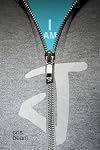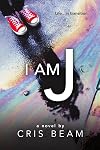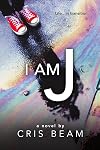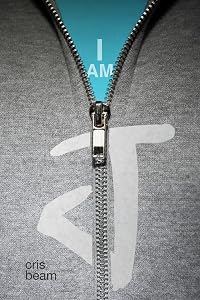
I Am J
by Cris Beam
On This Page
Description
J, who feels like a boy mistakenly born as a girl, runs away from his best friend who has rejected him and the parents he thinks do not understand him when he finally decides that it is time to be who he really is.Tags
Recommendations






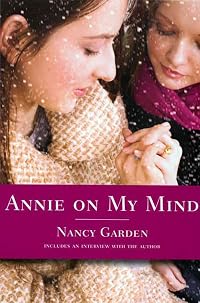
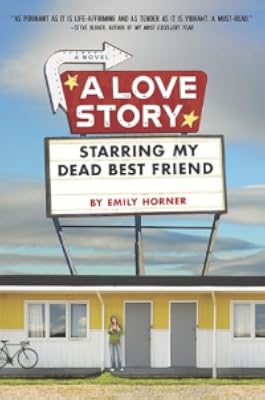
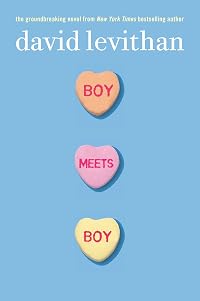
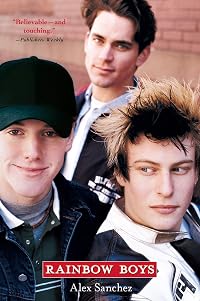







Member Recommendations
Member Reviews
I was a little scared of this book. I knew that Beam had it in her to realistically portray the transgender experience, so my expectations were super high. I also knew that a book like this has the potential to be filled with well-meaning stereotypes in order to present the most inclusive picture: of trans folk, of Puerto Rican New Yorkers, of the dream of being a "real boy," and more. But my fears were unfounded; I loved this book. J really rang true to me as a character and as a transguy, and his experiences, though not universal (thankfully not everyone has to move out or change schools in order to transition, though some undoubtedly do), were realistic. I Am J was everything I hoped it would be.
But I did have a couple of problems. I show more found it hard to believe that J, who has been looking around on the internet for information and support since he was eleven, hadn't heard about T (testosterone injections) or a (chest) binder until he was seventeen. I'm willing to let that go as it allows the reader to learn about these things at the same time that J does. I don't think it would have been such a problem if the book wasn't so obviously written by someone who, like J's support group leader, "talk[s] about the 'gender binary' and 'those of trans-masculine identification' as easily as reciting the alphabet" (243).* Beam is a very very knowledgeable woman, as evidenced by her previous work of non-fiction, Transparent: Love, Family, and Living the T with Transgender Teenagers. She seemed to have a difficult time balancing her wealth of knowledge with the naiveté of her narrator.
This may look like more criticisms than praise, but it's really not! I loved I Am J, and I applaud Beam for taking on the issue of transitioning in the context of cultural and familial expectations, and the fallout from not meeting those expectations, in an accessible and authentic way. Not to mention that she wrote a pretty great story of a teen trying to find his direction and place in the world, regardless of all the issues that J has to deal with. I think this is a must buy for libraries serving youth; it's Luna for the guys.
Book source: ARC provided by the publisher.
*Quotes and page numbers are from an uncorrected proof and may not match the published copy. show less
But I did have a couple of problems. I show more found it hard to believe that J, who has been looking around on the internet for information and support since he was eleven, hadn't heard about T (testosterone injections) or a (chest) binder until he was seventeen. I'm willing to let that go as it allows the reader to learn about these things at the same time that J does. I don't think it would have been such a problem if the book wasn't so obviously written by someone who, like J's support group leader, "talk[s] about the 'gender binary' and 'those of trans-masculine identification' as easily as reciting the alphabet" (243).* Beam is a very very knowledgeable woman, as evidenced by her previous work of non-fiction, Transparent: Love, Family, and Living the T with Transgender Teenagers. She seemed to have a difficult time balancing her wealth of knowledge with the naiveté of her narrator.
This may look like more criticisms than praise, but it's really not! I loved I Am J, and I applaud Beam for taking on the issue of transitioning in the context of cultural and familial expectations, and the fallout from not meeting those expectations, in an accessible and authentic way. Not to mention that she wrote a pretty great story of a teen trying to find his direction and place in the world, regardless of all the issues that J has to deal with. I think this is a must buy for libraries serving youth; it's Luna for the guys.
Book source: ARC provided by the publisher.
*Quotes and page numbers are from an uncorrected proof and may not match the published copy. show less
"Finally, a book about a transgender teen that gives its central character a life in which gender and transition matter but do not define his existence! J lives with his Puerto Rican mother and Jewish father in Manhattan's working-class Washington Heights neighborhood but plans to go to college to study photography. He tries not to think about gender and covers his body in thick layers of clothing, but he still tenses up when his mother calls him “m'ija” or classmates call him “dyke.” After a heated argument with his best friend, Melissa, and a nearly physical fight at school, J starts cutting class. A Google search leads him to the idea of taking testosterone, and J leaves home, certain that his parents will not accept his show more choices. In his new haunts, including a seedy hotel, a downtown Starbucks, a trans support group and a high school for LGBT students, J encounters a vibrant and diverse cast of characters. Responses to J's transition vary from affirming (his trans poet classmate Chanelle's support) to heartbreaking (his parents' resistance) to maddening (Melissa's attempt to make art with J as her “muse”). Readers will likely come away agreeing with J: “Being trans wasn't special, and yet it was. It was just good and bad and interesting and fucked-up and very human, like anything else.” (Fiction. 14 & up) A Kirkus Starred Review, www.kirkusreviews.com show less
This feels harsh to write, but hey. Whenever I see I am J recommended, I'm always surprised that it's considered some kind of must-read in LGBT YA. Granted, there isn't anywhere near as much trans rep in teen books -- or any books, really -- as there should be. But really? This book?
My big hang-up is the amount of homophobia and misogyny that J displays. Like, okay, being trans doesn't inherently prevent him from being homophobic or misogynistic -- but neither does it excuse him. And I felt like that wasn't addressed, or J's character didn't develop, or something.
Plus, this is the second popular trans book that has a narrator flipping out over the thought of being gay. Could we just... not do that, please.
My big hang-up is the amount of homophobia and misogyny that J displays. Like, okay, being trans doesn't inherently prevent him from being homophobic or misogynistic -- but neither does it excuse him. And I felt like that wasn't addressed, or J's character didn't develop, or something.
Plus, this is the second popular trans book that has a narrator flipping out over the thought of being gay. Could we just... not do that, please.
"Hola, Jeni."
J spun. His stomach clenched hard, as though he'd been hit. It was just the neighbor lady, Mercedes. J couldn't muster a hello back, not now; he didn't care that she'd tell his mom he'd been rude. She should know better. Nobody calls me Jeni anymore.
J always felt different. He was certain that eventually everyone would understand who he really was: a boy mistakenly born as a girl. Yet as he grew up, his body began to betray him; eventually J stopped praying to wake up a "real boy" and started covering up his body, keeping himself invisible - from his family, from his friends...from the world. But after being deserted by the best friend he thought would always be by his side, J decides that he's done hiding - it's time to be show more who he really is. And this time he is determined not to give up, no matter the cost. show less
J spun. His stomach clenched hard, as though he'd been hit. It was just the neighbor lady, Mercedes. J couldn't muster a hello back, not now; he didn't care that she'd tell his mom he'd been rude. She should know better. Nobody calls me Jeni anymore.
J always felt different. He was certain that eventually everyone would understand who he really was: a boy mistakenly born as a girl. Yet as he grew up, his body began to betray him; eventually J stopped praying to wake up a "real boy" and started covering up his body, keeping himself invisible - from his family, from his friends...from the world. But after being deserted by the best friend he thought would always be by his side, J decides that he's done hiding - it's time to be show more who he really is. And this time he is determined not to give up, no matter the cost. show less
I Am J. By Cris Beam. Little, Brown and Company / Hachette Book Group. 2011. 339 pages. $16.99 hbk. 978-0316053617. Grades 8-12.
J is struggling to articulate and come to terms with his gender identity, amidst the turmoil of a rocky friendship, a strained relationship with his unaccepting parents, and the looming threat of what to do with his life. His story is moving and well-written, offering a clear arc of growth in the face of many setbacks: J’s transition and journey of personal discovery are the focus, but they are gracefully expressed in the context of his relationships, his sense of self, and his aspirations for the future. Beam’s novel is a breath of fresh air in the sparse existing literature featuring transgender youth: show more the perspective of a transgender protagonist, especially one who is multiracial (of Puerto Rican and Jewish descent) and lives in a low-income urban environment, is an important one to feature for young adult readers whose experiences resemble J’s. Written in the third person, the story uses masculine pronouns to refer to J from the very beginning, showcasing the fact that J has always been a boy – even before (unnecessary) outside validation of that fact. Beam also provides a list of resources at the back, both for transgender teens and their families, an important addition for questioning or transitioning readers. I Am J marks an important step in YA literature with its creation of an authentic and relatable transgender protagonist: but it is the all-too-human story Beam skillfully weaves, rather than the issues the novel portrays, that makes the work a must-read for teens struggling to make their way in the world. Highly recommended. show less
J is struggling to articulate and come to terms with his gender identity, amidst the turmoil of a rocky friendship, a strained relationship with his unaccepting parents, and the looming threat of what to do with his life. His story is moving and well-written, offering a clear arc of growth in the face of many setbacks: J’s transition and journey of personal discovery are the focus, but they are gracefully expressed in the context of his relationships, his sense of self, and his aspirations for the future. Beam’s novel is a breath of fresh air in the sparse existing literature featuring transgender youth: show more the perspective of a transgender protagonist, especially one who is multiracial (of Puerto Rican and Jewish descent) and lives in a low-income urban environment, is an important one to feature for young adult readers whose experiences resemble J’s. Written in the third person, the story uses masculine pronouns to refer to J from the very beginning, showcasing the fact that J has always been a boy – even before (unnecessary) outside validation of that fact. Beam also provides a list of resources at the back, both for transgender teens and their families, an important addition for questioning or transitioning readers. I Am J marks an important step in YA literature with its creation of an authentic and relatable transgender protagonist: but it is the all-too-human story Beam skillfully weaves, rather than the issues the novel portrays, that makes the work a must-read for teens struggling to make their way in the world. Highly recommended. show less
I make it a point to be familiar with the LGBTQ teen literature in our collection. It started when I did a Pride Month book display a few years ago and had the books just fly off of it. I had to expand my knowledge of these books in order to keep it stocked with books about all types of sexuality and gender issues. So it's always nice to see a new book of this kind.
I Am J is about a biracial female-to-male (FTM) transgender teen. J, born "Jenifer," has always know he was really male. He's stuck in a girl's body that makes him feel sick and wrong, so he covers it up with sports bras, layers and layers of t-shirts, and tries to hide it from the world. He learns more about being transgender from an internet search, rigs himself up a chest show more binder, and learns about testosterone. He's so preoccupied with his feelings about his body that he starts skipping school and seeing if he can pass for male in other parts of town. He runs away from home for a time, stays at a shelter for LGBTQ teens, and enrolls at a special school affiliated with the shelter.
When his parents find him, they're not sure what to think. They might learn to be OK with him being a lesbian, but they are disgusted to learn that their little girl identifies as male. He finds some allies in his friends, neighbors, schoolmates, and strangers, and decides to go ahead with his transition by getting testosterone shots.
This was really well-written and realistic. All the characters seemed like actual, flawed humans. There were no Mary Sues or pat answers. For instance, instead of all J's problems being solved when he started hanging out with other gay people, most of the gay and gender-variant kids at his new school were pretty obnoxious. But he found a surprising ally in his nosy neighbor Mercedes, who tried to convince J's mom that being transgender wasn't anything to get upset about or even that uncommon, giving her nephew (now niece) and some trans soap opera characters as examples.
I learned a lot about what it means to be transgender from this book. For instance J was even a little homophobic. He hated being called a lesbian. He didn't want to be lumped in with gay people. It opened my eyes to the worries that trans teens have: J wants to apply for college, but what about his old name on his transcripts, single-sex dorms, shared showers? J even tries to think about what it would have been like to be trans in past eras, when children were like little adults with jobs and responsibilites.
I'm really glad we have this book in our collection because I think everyone can learn a lot from it. show less
I Am J is about a biracial female-to-male (FTM) transgender teen. J, born "Jenifer," has always know he was really male. He's stuck in a girl's body that makes him feel sick and wrong, so he covers it up with sports bras, layers and layers of t-shirts, and tries to hide it from the world. He learns more about being transgender from an internet search, rigs himself up a chest show more binder, and learns about testosterone. He's so preoccupied with his feelings about his body that he starts skipping school and seeing if he can pass for male in other parts of town. He runs away from home for a time, stays at a shelter for LGBTQ teens, and enrolls at a special school affiliated with the shelter.
When his parents find him, they're not sure what to think. They might learn to be OK with him being a lesbian, but they are disgusted to learn that their little girl identifies as male. He finds some allies in his friends, neighbors, schoolmates, and strangers, and decides to go ahead with his transition by getting testosterone shots.
This was really well-written and realistic. All the characters seemed like actual, flawed humans. There were no Mary Sues or pat answers. For instance, instead of all J's problems being solved when he started hanging out with other gay people, most of the gay and gender-variant kids at his new school were pretty obnoxious. But he found a surprising ally in his nosy neighbor Mercedes, who tried to convince J's mom that being transgender wasn't anything to get upset about or even that uncommon, giving her nephew (now niece) and some trans soap opera characters as examples.
I learned a lot about what it means to be transgender from this book. For instance J was even a little homophobic. He hated being called a lesbian. He didn't want to be lumped in with gay people. It opened my eyes to the worries that trans teens have: J wants to apply for college, but what about his old name on his transcripts, single-sex dorms, shared showers? J even tries to think about what it would have been like to be trans in past eras, when children were like little adults with jobs and responsibilites.
I'm really glad we have this book in our collection because I think everyone can learn a lot from it. show less
What would life be like if you were born one gender but identified with the other? This is the internal struggle transgender teen Jennifer “J” Silver faces each day in the realistic fiction story I am J. The 17-year-old is tired of the stares, the insults, and living a life that is a lie. While the biracial J dresses the part of a boy, his parents still treat him like the daughter they bore.
J struggles to be understood because he has felt like a boy as long as he can remember but his body has betrayed him. He binds his chest to hide his developed breasts and learns that testosterone could be instrumental in changing his life forever. He has a complicated relationship with his best friend Melissa, a cutter. On one hand, she is the show more one who seems to best understand J, but he also has feelings for her that go beyond friendship.
When J runs away from home, the journey is as much an emotional one as it is physical. On his own, he is fortunate to find people and places that aid in his quest for self-discovery. One such place is a special high school for gay and transgender teens where J finally begins to feel a sense of acceptance and makes a true friend in Chanelle. The language author Cris Beam uses is easy to follow, but the subject matter is likely to be new for most teens and Beam does an impressive job of accurately portraying what life might be like for a transgender teen.
Often times, literature is a way to explore possibilities and help students find themselves, imagine others, value difference, and search for social justice.
Aside from transgender, themes that Beam explores in this book are acceptance, coming of age, independence, strength, love, self-discovery, friendship, tolerance and identity.
I would recommend this book to 14-18-year-olds, especially those experiencing any kind of identity crisis. In fact, I personally know a teenager who thought she was a lesbian, then read this book and said, "this is how I feel. I'm not gay. I was just born the wrong gender." That teen is now living as an extremely well-adjusted and confident transgender boy. Talk about the power of literature! show less
J struggles to be understood because he has felt like a boy as long as he can remember but his body has betrayed him. He binds his chest to hide his developed breasts and learns that testosterone could be instrumental in changing his life forever. He has a complicated relationship with his best friend Melissa, a cutter. On one hand, she is the show more one who seems to best understand J, but he also has feelings for her that go beyond friendship.
When J runs away from home, the journey is as much an emotional one as it is physical. On his own, he is fortunate to find people and places that aid in his quest for self-discovery. One such place is a special high school for gay and transgender teens where J finally begins to feel a sense of acceptance and makes a true friend in Chanelle. The language author Cris Beam uses is easy to follow, but the subject matter is likely to be new for most teens and Beam does an impressive job of accurately portraying what life might be like for a transgender teen.
Often times, literature is a way to explore possibilities and help students find themselves, imagine others, value difference, and search for social justice.
Aside from transgender, themes that Beam explores in this book are acceptance, coming of age, independence, strength, love, self-discovery, friendship, tolerance and identity.
I would recommend this book to 14-18-year-olds, especially those experiencing any kind of identity crisis. In fact, I personally know a teenager who thought she was a lesbian, then read this book and said, "this is how I feel. I'm not gay. I was just born the wrong gender." That teen is now living as an extremely well-adjusted and confident transgender boy. Talk about the power of literature! show less
Members
- Recently Added By
Lists

Transgender Characters
91 works; 5 members
Author Information

6+ Works 1,062 Members
Cris Beam is the author of Transparent: Love, Family, and Living the T with Transgender Teenagers, which won a Lambda Literary Award, and I am J, a novel for young adults. She teaches creative writing at columbia University and New York University.
Awards and Honors
Awards
Distinctions
Notable Lists
Classifications
Statistics
- Members
- 537
- Popularity
- 55,641
- Reviews
- 38
- Rating
- (3.68)
- Languages
- English
- Media
- Paper, Ebook
- ISBNs
- 6
- ASINs
- 4