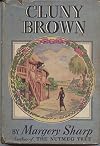
Cluny Brown
by Margery Sharp
On This Page
Description
An unconventional parlor maid upends the lives of an aristocratic family in New York Times-bestselling author Margery Sharp's delightful comedy of manners set in England before the onset of World War II Cluny Brown has committed an unforgivable sin: She refuses to know her place. Last week, she took herself to tea at the Ritz. Then she spent almost an entire day in bed eating oranges. To teach her discipline, her uncle, a plumber who has raised the orphaned Cluny since she was a baby, sends show more her into service to be a parlor maid at one of England's stately manor houses. At Friars Carmel in Devonshire, Cluny meets her employers: Sir Henry, the quintessential country squire, and Lady Carmel, who oversees the management of her home with unruffled calm. Their son, Andrew, newly returned from abroad with a Polish émigré writer friend, is certain that the world is once again on the brink of war. Then there's Andrew's beautiful fiancée and the priggish pharmacist. While everyone around her struggles to keep pace with a rapidly changing world, Cluny continues to be Cluny, transforming the lives of those around her with her infectious zest for life. show lessTags
Recommendations
























Member Reviews
In the late 1930s, the family of working-class Londoner Cluny Brown decide that she needs to learn to "know her place" and send her off to be trained as a domestic servant at the country pile of the Carmel baronets in Devon. Shenanigans ensue.
Much of Cluny Brown is the kind of light, witty comedy you find many women authors producing in interwar Britain, with our namesake character's naive honesty highlighting many of the absurdities and assumptions of the class system. Some of the characters act in ways that I didn't find entirely convincing—there's a bit of that Wodehousian tendency towards abrupt engagements and so on—but I could roll with it as part of the style of the period. Since Margery Sharp wrote this in the late 40s, show more however, there's a little bit of melancholy foreshadowing of the war to come which provides an acid that leavens some of the giddier elements.
Where the book worked less well for me was the ending.I can see why Cluny didn't end up with the chemist, because Sharp did her work to show how there was a fundamental incompatibility with their characters. But Cluny being paired off right at the end with Adam Belinski in what we're told is a true love match just didn't convince me at all, and felt dated in a way that many other parts of the book avoided. Yes, I can see that throughout, Sharp is positioning both of them as outsiders in many ways—but you need something beyond thematic similarity to make a couple convincing. Moreover, Belinski is shown throughout the novel to be a relentless womaniser who comes this close to sexually assaulting Betty. Despite what the epilogue says, I think that if Cluny Brown does have a happily-ever-after, it won't be with him. show less
Much of Cluny Brown is the kind of light, witty comedy you find many women authors producing in interwar Britain, with our namesake character's naive honesty highlighting many of the absurdities and assumptions of the class system. Some of the characters act in ways that I didn't find entirely convincing—there's a bit of that Wodehousian tendency towards abrupt engagements and so on—but I could roll with it as part of the style of the period. Since Margery Sharp wrote this in the late 40s, show more however, there's a little bit of melancholy foreshadowing of the war to come which provides an acid that leavens some of the giddier elements.
Where the book worked less well for me was the ending.
I have been utterly charmed by Cluny Brown.
She’s a girl who never does anything that’s exactly wrong; but she’s also a girl who never really does anything that is usual or expected.
She simply followed her heart; oblivious to the strictures that hold most people back.
One day she took herself out to tea at the Ritz; another day she stayed in bed, eating oranges, because she read in a magazine that it would give her vitality.
To many Cluny was a breath of fresh air; but to her Uncle Arn she was a worry. He was a plumber, he had brought up the orphaned Cluny and he was a very conventional man. He worried that his niece didn’t know her place.
The final straw came when, in her uncle’s absence, Cluny set out to unblock a gentleman’s show more sink.
"The correct costume for a young lady going to fix a gentleman’s sink on a Sunday afternoon has never been authoritatively dealt with: Cluny had naturally to carry her uncle’s tool-bag, but as an offset wore her best clothes."
She did an excellent job and the customer was charmed; Cluny was delighted to be offered a cocktail, and she regretfully declined the offer of the use of the loveliest bath she had ever seen. When Uncle Arn arrived and heard Cluny’s account of what had happened, he was aghast.
He consulted Cluny’s Aunt Addie, and between them they decided that the best thing would be to find Cluny a job in service.
"Nothing could be easier, in that year 1938, than for a girl to go into good service. The stately homes of England gaped for her. Cluny Brown, moreover, possessed special advantages: height, plainness (but combined with a clear skin) and a perfectly blank expression. This last attribute was not permanent, but the lady at the registry office did not know, and she saw in Cluny the very type of that prized, that fast-disappearing genus, the Tall Parlourmaid. Addie Trumper too knew what was what; she had been in good service herself, and with footmen practically extinct felt there was no table in the land too high for Cluny to aspire to."
Cluny was dispatched to Devon to work as a maid at Friars Carmel, the country home of Sir Henry and Lady Carmel. She took her new job in her stride; she loved taking the neighbours dog – who she had met on the train down from London – out on her day off; and she was captivated when the village pharmacist took an interest in her, tried to educate her, and maybe even to court her.
Adam Belinski had arrived at Friars Carmel not long before Cluny. He was a distinguished Polish intellectual, in exile after giving a contentious lecture in Bonn that offended his German hosts. Andrew, the only son of Sir Henry and Lady Carmel, was sure that the Nazis would be trying to track him down, he wanted to do something to help, and so he offered him sanctuary. Belinksi was not so worried, but he was delighted to be offered a home in a quiet country house where he can work, and nurture his growing fame, without distractions.
Upstairs and downstairs at Friars Carmel were separate spheres; but in each sphere was a person who was oblivious to their position, who reached out from their sphere, and those two people met.
Cluny and Belinski met when she was in the library, looking for a certain piece of poetry.
“‘Would you write it down for me?” she asked. “I want to learn it.”
Mr. Belinski obligingly went to a table and did so. Cluny followed…to watch over his shoulder and admire again as the neat lines ran out of his pen. For the first time he had really impressed her.
“I do think you’re clever!” she said sincerely.
“I am, very clever,” replied Mr. Belinski, without looking up. “Who is Mr. Wilson?”
“He’s the chemist.”
“If he is endeavoring to form your mind with this sort of stuff, he must be a great fool.…”
But Cluny, without paying much attention, took the finished copy and folded it very carefully and put it in her apron pocket."
Meanwhile, Andrew, who fashioned himself as a cosmopolitan young man but was really rather conventional, was courting the lovely Betty Cream. She fashioned herself as a modern girl, he wasn’t at all sure that he could win her heart, but he had to try.
Belinski was charmed by Betty; and Betty was intrigued by Cluny, who she decided ‘looked like somebody.’
And so there was a lovely tangle of characters.
The principals were are beautifully drawn; the other characters were not so finely drawn, but all were drawn well enough to play their part.
That was my one disappointment; there were so many characters I would have liked to known a little better than I did.
I loved the way Margery Sharp told Cluny’s story; I loved the way she set it so well against a time of social change; and I loved her wit and intelligence as much as I ever did.
The ending was beautifully set up, and I can understand why some people didn’t like it, but I thought that it was exactly right for Cluny.
She was the wrong girl for a conventional happy ending; she was the wrong girl for an ending at all or for a fixed future.
I just wish there was a sequel, because I would love to read the next chapters of her story. show less
She’s a girl who never does anything that’s exactly wrong; but she’s also a girl who never really does anything that is usual or expected.
She simply followed her heart; oblivious to the strictures that hold most people back.
One day she took herself out to tea at the Ritz; another day she stayed in bed, eating oranges, because she read in a magazine that it would give her vitality.
To many Cluny was a breath of fresh air; but to her Uncle Arn she was a worry. He was a plumber, he had brought up the orphaned Cluny and he was a very conventional man. He worried that his niece didn’t know her place.
The final straw came when, in her uncle’s absence, Cluny set out to unblock a gentleman’s show more sink.
"The correct costume for a young lady going to fix a gentleman’s sink on a Sunday afternoon has never been authoritatively dealt with: Cluny had naturally to carry her uncle’s tool-bag, but as an offset wore her best clothes."
She did an excellent job and the customer was charmed; Cluny was delighted to be offered a cocktail, and she regretfully declined the offer of the use of the loveliest bath she had ever seen. When Uncle Arn arrived and heard Cluny’s account of what had happened, he was aghast.
He consulted Cluny’s Aunt Addie, and between them they decided that the best thing would be to find Cluny a job in service.
"Nothing could be easier, in that year 1938, than for a girl to go into good service. The stately homes of England gaped for her. Cluny Brown, moreover, possessed special advantages: height, plainness (but combined with a clear skin) and a perfectly blank expression. This last attribute was not permanent, but the lady at the registry office did not know, and she saw in Cluny the very type of that prized, that fast-disappearing genus, the Tall Parlourmaid. Addie Trumper too knew what was what; she had been in good service herself, and with footmen practically extinct felt there was no table in the land too high for Cluny to aspire to."
Cluny was dispatched to Devon to work as a maid at Friars Carmel, the country home of Sir Henry and Lady Carmel. She took her new job in her stride; she loved taking the neighbours dog – who she had met on the train down from London – out on her day off; and she was captivated when the village pharmacist took an interest in her, tried to educate her, and maybe even to court her.
Adam Belinski had arrived at Friars Carmel not long before Cluny. He was a distinguished Polish intellectual, in exile after giving a contentious lecture in Bonn that offended his German hosts. Andrew, the only son of Sir Henry and Lady Carmel, was sure that the Nazis would be trying to track him down, he wanted to do something to help, and so he offered him sanctuary. Belinksi was not so worried, but he was delighted to be offered a home in a quiet country house where he can work, and nurture his growing fame, without distractions.
Upstairs and downstairs at Friars Carmel were separate spheres; but in each sphere was a person who was oblivious to their position, who reached out from their sphere, and those two people met.
Cluny and Belinski met when she was in the library, looking for a certain piece of poetry.
“‘Would you write it down for me?” she asked. “I want to learn it.”
Mr. Belinski obligingly went to a table and did so. Cluny followed…to watch over his shoulder and admire again as the neat lines ran out of his pen. For the first time he had really impressed her.
“I do think you’re clever!” she said sincerely.
“I am, very clever,” replied Mr. Belinski, without looking up. “Who is Mr. Wilson?”
“He’s the chemist.”
“If he is endeavoring to form your mind with this sort of stuff, he must be a great fool.…”
But Cluny, without paying much attention, took the finished copy and folded it very carefully and put it in her apron pocket."
Meanwhile, Andrew, who fashioned himself as a cosmopolitan young man but was really rather conventional, was courting the lovely Betty Cream. She fashioned herself as a modern girl, he wasn’t at all sure that he could win her heart, but he had to try.
Belinski was charmed by Betty; and Betty was intrigued by Cluny, who she decided ‘looked like somebody.’
And so there was a lovely tangle of characters.
The principals were are beautifully drawn; the other characters were not so finely drawn, but all were drawn well enough to play their part.
That was my one disappointment; there were so many characters I would have liked to known a little better than I did.
I loved the way Margery Sharp told Cluny’s story; I loved the way she set it so well against a time of social change; and I loved her wit and intelligence as much as I ever did.
The ending was beautifully set up, and I can understand why some people didn’t like it, but I thought that it was exactly right for Cluny.
She was the wrong girl for a conventional happy ending; she was the wrong girl for an ending at all or for a fixed future.
I just wish there was a sequel, because I would love to read the next chapters of her story. show less
Quite an unexpected ending but the author talked me around. What shines through this story is Sharp's deft, insightful prose and clear affection for her characters. They are far from perfect but she's very fond of them, and she makes you fond of them as well. The narrator was outstanding as well. I'll look out for more by Sharp.
Maybe it's just that I love the way women from the U.K., in the period 'between the wars,' constructed their sentences. In any case, Cluny Brown was delightful. Even the ending.
Full disclosure though, at first I hated the ending in a "wait - what?" kind of way. Within only a few pages I was totally sold on it and by the last page, I loved it.
Would recommend to almost anyone, except for those who prefer not to be charmed and amused by their fiction.
Full disclosure though, at first I hated the ending in a "wait - what?" kind of way. Within only a few pages I was totally sold on it and by the last page, I loved it.
Would recommend to almost anyone, except for those who prefer not to be charmed and amused by their fiction.
Cluny Brown by Margery Sharp is a charming and delightful tale about a free spirited young woman who is sent to the country to work as a parlour maid in order that she learn “her place”. Her plumber uncle was quite undone by his twenty year old niece who thought she was entitled to have tea at the Ritz.
Cluny is sent to Devon where she becomes a parlour maid at Friars Carmel, working for Lord Henry, his wife Lady Carmel and their son Andrew. These characters have their own entanglements and concerns that mostly revolve around Andrew’s bachelor status. Andrew is concerned about what is happening in Europe with Hitler and Mussolini and he brings to the country a Polish friend seeking refuge. Adam Belinski is trying to gather show more inspiration to write his next book, and he and Cluny have some interesting conversations. Both Adam and Cluny go on to have their heads turned by others, but by the end of the book, Cluny has finally figured out where she belongs.
I found Cluny Brown to be a charming and delightful read. The author has written a witty social comedy about class and manners and her main character is a joy to read about. This was the first book by Margery Sharp that I have read but I will certainly be picking up more by this author. show less
Cluny is sent to Devon where she becomes a parlour maid at Friars Carmel, working for Lord Henry, his wife Lady Carmel and their son Andrew. These characters have their own entanglements and concerns that mostly revolve around Andrew’s bachelor status. Andrew is concerned about what is happening in Europe with Hitler and Mussolini and he brings to the country a Polish friend seeking refuge. Adam Belinski is trying to gather show more inspiration to write his next book, and he and Cluny have some interesting conversations. Both Adam and Cluny go on to have their heads turned by others, but by the end of the book, Cluny has finally figured out where she belongs.
I found Cluny Brown to be a charming and delightful read. The author has written a witty social comedy about class and manners and her main character is a joy to read about. This was the first book by Margery Sharp that I have read but I will certainly be picking up more by this author. show less
A light, relatively cozy read. Sharp never disappoints me, and I enjoyed reading the adventures of orphaned Cluny Brown, who was placed in "good service" with Lady Carmel in Devon after growing up in London. Someone was always asking Cluny "who do you think you are?", and naturally, by the end of this story, she has figured out the answer to her own satisfaction, if not necessarily to that of everyone else.
I so wish I didn’t have to file this under ‘books you won’t read before you die’. Such a crying shame.
When my mother handed this back to me yesterday, she said it was mildly amusing here and there. Told me the sentence she thought was most important. A bit Jane Austeny she said, in that way that damns everything in a comparison I wish could be outlawed.
This, after I'd laughed out loud on most pages to the occasional envy of my reading companion who was stuck in his Persian grammar book, which is very light on laughs. I read bits out and wanted to torment him with more. I do wish people liked being read to - I need a willing audience, though I make do with a captive one.
rest here: show more target="_top">https://alittleteaalittlechat.wordpress.com/2019/04/03/cluny-brown-by-margery-sh... show less
When my mother handed this back to me yesterday, she said it was mildly amusing here and there. Told me the sentence she thought was most important. A bit Jane Austeny she said, in that way that damns everything in a comparison I wish could be outlawed.
This, after I'd laughed out loud on most pages to the occasional envy of my reading companion who was stuck in his Persian grammar book, which is very light on laughs. I read bits out and wanted to torment him with more. I do wish people liked being read to - I need a willing audience, though I make do with a captive one.
rest here: show more target="_top">https://alittleteaalittlechat.wordpress.com/2019/04/03/cluny-brown-by-margery-sh... show less
Members
- Recently Added By
Lists

wilfully eccentric little england (cosy read novels, england)
45 works; 15 members

Quirky Characters
24 works; 7 members

Fiction with Women's Names in the Title
378 works; 15 members

Books Read in 2020
4,379 works; 124 members

Netgalley Reads
468 works; 3 members

Books Read in 2021
5,361 works; 114 members

Favorite Romance Fiction
247 works; 115 members

A Rainbow of Books: Colors in the Title
570 works; 24 members

Books We Love to Reread
688 works; 296 members
Author Information

50+ Works 5,813 Members
Some Editions
Awards and Honors
Distinctions
Series
Belongs to Publisher Series
Work Relationships
Has the adaptation
Common Knowledge
- Canonical title
- Cluny Brown
- Original title
- Cluny Brown
- Alternate titles*
- Die Abenteuer der Cluny Brown
- Original publication date
- 1944-08
- People/Characters
- Cluny Brown; Mr. Arnold "Arn" Porritt (Cluny's uncle); Sir Henry Carmel; Alice "Allie", Lady Carmel; Andrew Carmel; Adam Belinski (show all 9); Titus Wilson; Elizabeth "Betty" Cream; John Frewen
- Important places
- Devon, England, UK
- Related movies
- Cluny Brown (1946 | IMDb)
- Dedication
- To Geoffrey Castle
- First words
- Thinking of Cluny Brown, Mr. Porritt, a successful plumber, allowed himself to be carried past his 'bus stop and in consequence missed the Sunday dinner awaiting him at his sister's.
- Last words
- (Click to show. Warning: May contain spoilers.)"Good-bye, Uncle Arn!" thought Cluny with a last flicker of regret; and sat down beside Miss Beebee, and opened her heart to the United States.
*Some information comes from Common Knowledge in other languages. Click "Edit" for more information.
Classifications
- Genres
- General Fiction, Fiction and Literature, Romance
- DDC/MDS
- 823.912 — Literature & rhetoric English & Old English literatures English fiction 1900- 1901-1999 1901-1945
- LCC
- PZ3 .S5316 — Language and Literature Fiction and juvenile belles lettres Fiction and juvenile belles lettres Fiction in English
- BISAC
Statistics
- Members
- 462
- Popularity
- 66,144
- Reviews
- 22
- Rating
- (3.84)
- Languages
- 8 — English, French, German, Hebrew, Italian, Japanese, Spanish, Swedish
- Media
- Paper, Audiobook, Ebook
- ISBNs
- 13
- ASINs
- 35