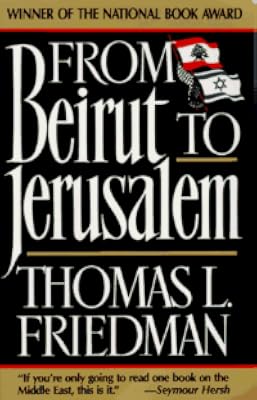
From Beirut to Jerusalem
by Thomas L. Friedman
On This Page
Description
This revised edition of the number-one bestseller and winner of the 1989 National Book Award includes the Pulitzer Prize-winning author's new, updated epilogue.One of the most thought-provoking books ever written about the Middle East, From Beirut to Jerusalem remains vital to our understanding of this complex and volatile region of the world. Three-time Pulitzer Prize winner Thomas L. Friedman drew upon his ten years of experience reporting from Lebanon and Israel to write this now-classic show more work of journalism. In a new afterword, he updates his journey with a fresh discussion of the Arab Awakenings and how they are transforming the area, and a new look at relations between Israelis and Palestinians, and Israelis and Israelis.
Rich with anecdote, history, analysis, and autobiography, From Beirut to Jerusalem will continue to shape how we see the Middle East for many years to come.
"If you're only going to read one book on the Middle East, this is it."—Seymour M. Hersh
. show less
Tags
Recommendations
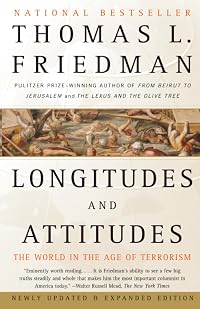
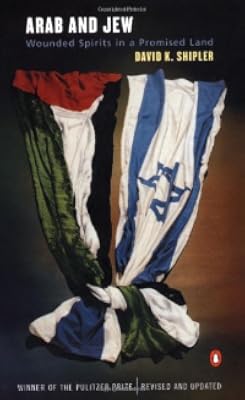
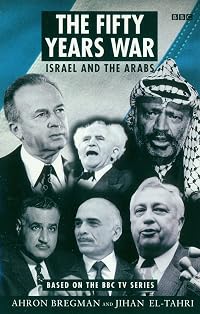
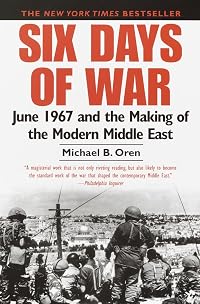
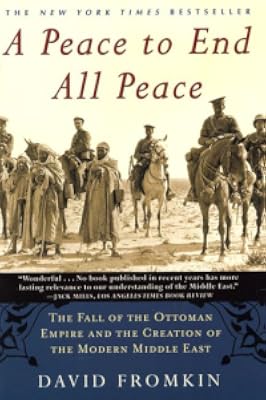
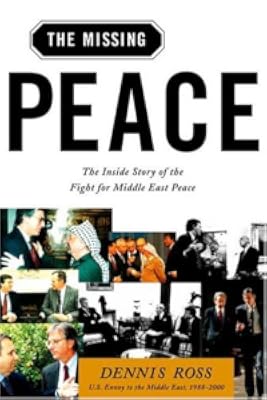


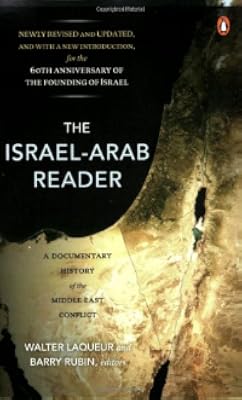


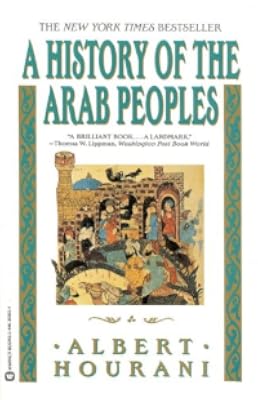
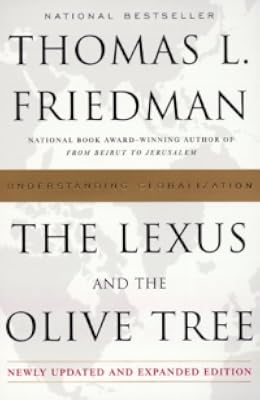
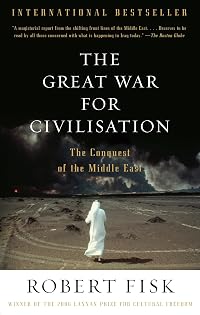

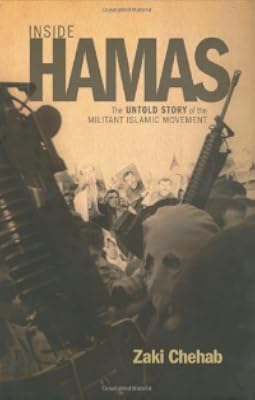














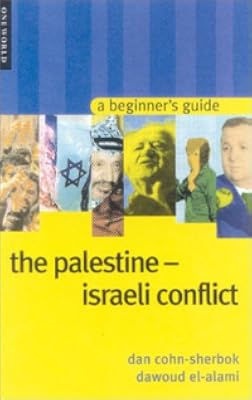
Member Recommendations
Member Reviews
This book follows a chronology of the Middle East that begins in 1882 and ends in 1988. It could be seen as a love story, a biography about a region Friedman knows intimately and loves dearly despite its many contradictions. In spite of the ever-roiling Arab-Israeli conflict Friedman is right in the thick of it and writes as if he is at home. While he has a reporters flair for the detail there is a cavalier nonchalance when it comes to the dangers. He has grown used to the gunfire, the bombings and the kidnappings. His ambivalence in the face of such violence could almost be comical if it was not so conflicted.
It was an Israeli friend who told me that if I wanted to understand today's Middle East, I should read this book. The author is well-qualified as a guide to the region’s complexities. Friedman, who is Jewish and studied Hebrew as a child, as a teen spent a vacation in an Israeli Kibbutz. He started studying Arabic as well, and fell in love with Egypt after a two-week visit on his way to a semester at Hebrew University. Less than two years later he was taking Arabic courses at the American University in Cairo. After college he earned a Masters at Oxford in Middle Eastern Studies: then, he became a reporter. In Beirut. In the midst of their civil war. He’d spend almost five years there, winning a Pulitzer Prize for his coverage of the show more massacre at Sabra and Shatilia camps. When American marines were slaughtered in their Beirut barracks, Friedman was on scene watching the bomb’s mushroom cloud rise overhead. He’d then spend almost four years as the Jerusalem Bureau Chief for the New York Times.
I’ve read criticisms of Friedman’s style as risible, with mixed metaphors and outlandish analogies. I didn’t really notice in the Beirut portion of the book, and I usually do. I think it’s that the story he had to tell was so riveting, I didn’t trip up on that--I just glided right through. When you’re reading about an Israeli officer being confronted in Beirut with three boxes, one filled with heads, another with torsos and another with limbs or read of how the parrot at the bar of the Commodore Hotel rendered a “perfect imitation of the whistle of an incoming shell,” it’s not style that draws your attention. I certainly found this book very readable and well-paced in that first half of the book. I admit I did start noticing the plethora of analogies in the Jerusalem portion. Maybe because a Hobbesian hell like Beirut rivets your attention more than the stories of a functioning democracy. Maybe it’s that the Beirut portions seemed more built on personal experience and observations, while the Jerusalem portions more based on interviews with others. Maybe it’s that his stylistic tics, as some reviewers suggest, increased over time and the Beirut portions were based on material written earlier. For whatever reason, I did find the second half of the book less compelling, and the style much more irksome.
Friedman seemed to me very even-handed. He certainly took to task not just Arabs, but the Israelis and the Americans for a generous share of the blame. Some reviewers pegged him as a Neo-Con, but given his insistence there will be no peace until Israeli settlers are withdrawn from the West Bank, his account of the Israeli occupation there, and his criticism of the Reagan and first Bush administrations, he hardly came across to me that way, and the Goodreads bio taken from the Wiki described him as "left-leaning." I don't think he's so easily labeled, at least not in this book. He identifies three forces that drive much of the madness of the Middle East, and interestingly it isn’t religion, or at least religion per se, which he blames. Even when it comes to Islamic Fundamentalism, he believes it “is at root a secular socioeconomic problem.” He points to three conflicting and competing forces: tribalism, authoritarianism, and nationalism--particularly in the context of how the colonial powers drew very artificial lines when in the aftermath of World War I the Middle Eastern states were established.
I may not always agree with Friedman's analysis or his solutions, but certainly his account of his time in the Middle East makes for a good primer on the nations of the Middle East and their conflicts, even though almost a quarter of a century has passed since the original publication. And the 2012 edition I read had an interesting Afterword on the events that have passed since, particularly Friedman’s thoughts on the Arab Spring and its opportunities and dangers. This may not be the last word on the subject of the contemporary Middle East, but it’s not a bad place to start. show less
I’ve read criticisms of Friedman’s style as risible, with mixed metaphors and outlandish analogies. I didn’t really notice in the Beirut portion of the book, and I usually do. I think it’s that the story he had to tell was so riveting, I didn’t trip up on that--I just glided right through. When you’re reading about an Israeli officer being confronted in Beirut with three boxes, one filled with heads, another with torsos and another with limbs or read of how the parrot at the bar of the Commodore Hotel rendered a “perfect imitation of the whistle of an incoming shell,” it’s not style that draws your attention. I certainly found this book very readable and well-paced in that first half of the book. I admit I did start noticing the plethora of analogies in the Jerusalem portion. Maybe because a Hobbesian hell like Beirut rivets your attention more than the stories of a functioning democracy. Maybe it’s that the Beirut portions seemed more built on personal experience and observations, while the Jerusalem portions more based on interviews with others. Maybe it’s that his stylistic tics, as some reviewers suggest, increased over time and the Beirut portions were based on material written earlier. For whatever reason, I did find the second half of the book less compelling, and the style much more irksome.
Friedman seemed to me very even-handed. He certainly took to task not just Arabs, but the Israelis and the Americans for a generous share of the blame. Some reviewers pegged him as a Neo-Con, but given his insistence there will be no peace until Israeli settlers are withdrawn from the West Bank, his account of the Israeli occupation there, and his criticism of the Reagan and first Bush administrations, he hardly came across to me that way, and the Goodreads bio taken from the Wiki described him as "left-leaning." I don't think he's so easily labeled, at least not in this book. He identifies three forces that drive much of the madness of the Middle East, and interestingly it isn’t religion, or at least religion per se, which he blames. Even when it comes to Islamic Fundamentalism, he believes it “is at root a secular socioeconomic problem.” He points to three conflicting and competing forces: tribalism, authoritarianism, and nationalism--particularly in the context of how the colonial powers drew very artificial lines when in the aftermath of World War I the Middle Eastern states were established.
I may not always agree with Friedman's analysis or his solutions, but certainly his account of his time in the Middle East makes for a good primer on the nations of the Middle East and their conflicts, even though almost a quarter of a century has passed since the original publication. And the 2012 edition I read had an interesting Afterword on the events that have passed since, particularly Friedman’s thoughts on the Arab Spring and its opportunities and dangers. This may not be the last word on the subject of the contemporary Middle East, but it’s not a bad place to start. show less
My rereading was made enjoyable for the expert, wide ranging, amazingly clear, considering the complexity, and history, and moving guide to the Middle East in the late 70s and to the late 80s. Friedman's being an American Jew does not interfere with his insight, ,empathy and uncompromising judgment whether talking about Jews and Israel and America, Arabs and Muslims, Palestinians, or Christian Lebanese. The people's quotes are well used to make strong the many points of his tale. The reader is not allowed to forget the “tribes” and their varied individuals from high to low in the transpiring issues and events. To see this region today still in upheaval and chaos is not a surprise after reading this book.
Quotes: (page 252-253) show more “Whereas in Lebanon the government became paralyzed because the various Lebanese political factions insisted on facing up to their differences, and literally fighting them out in the street, in Israel the government became paralyzed because the different political parties agreed not to face up to their differences, but rather to fudge them and find ways to reach pragmatic compromises that would maintain the status quo. Whereas in Lebanon the Cabinet was ineffectual because it represented no one, in Israel the Cabinet was ineffectual because it represented everyone. In Lebanon they called the paralysis 'anarchy' and in Israel they called it 'national unity.' but the net effect was the same: political gridlock.”
(page 520) “The second traditional obstacle the Sadat initiative over came was the deep-rooted Israeli obsession with stated Arab intentions, as apposed to actual Arab capabilities. The Israelis, like all Jews, are a text-oriented people and they read the Arabic press and speeches with great scrutiny. Because an Arab country like Egypt is made up of many political streams...there was and always will be, some politician making a speech or some poet writing a verse calling for the elimination of the Jewish state.
In order to overcome the Israeli obsession with Arab intentions, Sadat agreed to demilitarize the Sinai Desert...Only after the Israelis were able to limit the capabilities of Egypt's soldiers were they able to ignore the intentions of her poets.” show less
Quotes: (page 252-253) show more “Whereas in Lebanon the government became paralyzed because the various Lebanese political factions insisted on facing up to their differences, and literally fighting them out in the street, in Israel the government became paralyzed because the different political parties agreed not to face up to their differences, but rather to fudge them and find ways to reach pragmatic compromises that would maintain the status quo. Whereas in Lebanon the Cabinet was ineffectual because it represented no one, in Israel the Cabinet was ineffectual because it represented everyone. In Lebanon they called the paralysis 'anarchy' and in Israel they called it 'national unity.' but the net effect was the same: political gridlock.”
(page 520) “The second traditional obstacle the Sadat initiative over came was the deep-rooted Israeli obsession with stated Arab intentions, as apposed to actual Arab capabilities. The Israelis, like all Jews, are a text-oriented people and they read the Arabic press and speeches with great scrutiny. Because an Arab country like Egypt is made up of many political streams...there was and always will be, some politician making a speech or some poet writing a verse calling for the elimination of the Jewish state.
In order to overcome the Israeli obsession with Arab intentions, Sadat agreed to demilitarize the Sinai Desert...Only after the Israelis were able to limit the capabilities of Egypt's soldiers were they able to ignore the intentions of her poets.” show less
Quite insightful. Best part that Friedman offers practically implementable options for initiating a process that in the long run ensures never-ending peace in the Middle East. I wish such a solution makes way into Indo-Pakistan dispute as well.
Good overall book on not only the authors experiences as a journalist in wartime Beirut and Jerusalem, but also a political, religious, and ethnic examination of the two countries and their place in the world. At the end though it tends to really bog down in his philosophy. While very well thought out bit of dry reading for me there at the end.
3496. From Beirut to Jerusalem, by Thomas L. Friedman (read Nov. 2, 2001) This won the National Book Award for non-fiction in 1989, which suggests it might be less than current. (I've heard there is a new edition out, but I read the one that won the award.) It is a superlative book and I should have read it in 1989. Friedman was a reporter for the NY Times in the cities named in the title from 1979 to 1988, but the book has none of the defects of the usual journalistic book: Friedman tries to tell what happened rather than just reciting what he did on his assignment. He writes with clarity and makes much sense, and even puts forth a balanced plan for peace in the area. This was an excellent book, worth reading even a dozen years after show more it was written: in fact, it is very timely, in view of what is going on today in the world. show less
In Thomas Friedman's award winning book, we learn why the Middle East is so messed up. Friedman takes us from Minnesota to Beirut, where he is stationed as the Middle East correspondent for the New York Times. He lands in the middle of a complex civil war between Maronites, Sunni, Druse, and Shia motivated by a fight for political control of the minority Maronite over the majority Shia. We witness a naive American attempt to safeguard a peaceful end to the war only to see them get caught in the crossfire and leave in disgrace. We also see Israelis invade to defeat Yassir Arafat who has taken refuge there, but which leads to a mini- holocaust of Palestinians overseen by the Israelis in Southern Lebanon. After nearly being killed several show more times, Friedman escapes to Jerusalem.
The second half of this story is more an essay than a story about the Israeli Palestinian conflict. Friedman does a good job detailing the complicated and tenuous position of the Israeli state to establish democracy, Israeli rule, and security. It seems these features cannot all be had at once. Can a religious state be democratic? Can the majority Palestinians live peacefully in a state ruled by minority Israelis?
This book is well written and easy to follow. It makes the complex middle east situation accessible. show less
The second half of this story is more an essay than a story about the Israeli Palestinian conflict. Friedman does a good job detailing the complicated and tenuous position of the Israeli state to establish democracy, Israeli rule, and security. It seems these features cannot all be had at once. Can a religious state be democratic? Can the majority Palestinians live peacefully in a state ruled by minority Israelis?
This book is well written and easy to follow. It makes the complex middle east situation accessible. show less
Members
- Recently Added By
Lists

Top Five Books of 2014
1,064 works; 398 members

The Emergence of the Modern Middle East
289 works; 13 members

Recommended histories of Israel/Palestine.
10 works; 1 member

LtGen James Mattis' Reading List
58 works; 2 members

Summer Reads 2014
207 works; 70 members

Favourite Books
1,817 works; 316 members

Non-Fiction Worth Reading
1,015 works; 255 members

Middle East
15 works; 1 member
Author Information

19+ Works 28,891 Members
Journalist Thomas L. Friedman was born in 1953 in Minneapolis, Minnesota. Friedman graduated from Brandeis University with a degree in Mediterranean Studies and earned a graduate degree from Oxford in Modern Middle East Studies. His reporting on the war in Lebanon won the George Polk Award, the Pulitzer Prize, and the Livingston Award for Young show more Journalists. He won a second Pulitzer for his work in Israel. Friedman began his career as a correspondent for United Press International and later served as bureau chief for the New York Times in Beirut and Jerusalem. He moved to the op-ed page of The New York Times as a foreign affairs columnist. In 2002, Friedman won his third Pulitzer Prize, this time for Commentary. Friedman wrote about his experiences as a Jewish-American reporter in the Middle East in From Beirut to Jerusalem, which won the National Book Award in 1989. The bestselling Lexus and the Olive Tree won the 2000 Overseas Press Club Award for best nonfiction book on foreign policy. He wrote Longitudes and Attitudes: Exploring the World After September 11 and The World Is Flat, which received the first Financial Times and Goldman Sachs Business Book of the Year Award. His other works include Hot, Flat, and Crowded, Hot, Flat, and Crowded 2.0, and That Used to Be Us which made The New York Times Best Seller List for 2012. His title, Thank You for Being Late, made the New York Times Best Seller List in 2016. (Bowker Author Biography) show less
Awards and Honors
Awards
Common Knowledge
- Original publication date
- 1989
- Important places
- Lebanon; Beirut, Lebanon; Jerusalem; Israel
- Dedication
- For my parents, Harold and Margaret Friedman
- First words
- In June 1979, my wife, Ann, and I boarded a red-and-white Middle East Airlines 707 in Geneva for the four-hour flight to Beirut.
- Last words
- (Click to show. Warning: May contain spoilers.)I don't know if they have the staying power for the long journey back from the abyss. But I do know one thing: that Israelis, Palestinians, and Jordanians have at least bought a ticket,
- Publisher's editor
- Galassi, Jonathan
- Blurbers
- Hersh, Seymour; Rosenblatt, Roger
- Original language
- English
- Canonical DDC/MDS
- 956.04
- Canonical LCC
- DS119.7
Classifications
- Genres
- General Nonfiction, History, Nonfiction, Religion & Spirituality, Biography & Memoir
- DDC/MDS
- 956.04 — History & geography History of Asia Middle East Asia: Turkey, Iraq, Syria, Lebanon, Israel, Jordan Middle East 1945-1980; 20th Century
- LCC
- DS119.7 — History of Europe, Asia, Africa and Oceania Asia History of Asia Israel (Palestine). The Jews
- BISAC
Statistics
- Members
- 3,822
- Popularity
- 4,133
- Reviews
- 32
- Rating
- (3.96)
- Languages
- 5 — Dutch, English, German, Italian, Portuguese (Portugal)
- Media
- Paper, Audiobook, Ebook
- ISBNs
- 27
- ASINs
- 29