On This Page
Description
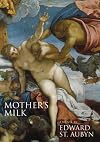
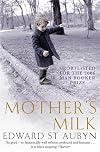
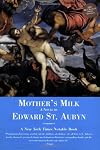
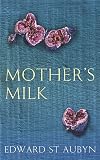
"[An] elegant and witty satire on the dissatisfactions of family life... told in a fresh, acerbic way." - Publishers Weekly, starred review Now a five-part Showtime series Starring Benedict Cumberbatch and Blythe Danner Man Booker-shortlisted Mother's Milk, the fourth installment in Edward St. Aubyn's wonderful, wry, and profound Patrick Melrose Cycle, sees Patrick as a lawyer, married, with a five-year-old child and another on the way. The novel shifts points of view from Patrick-furious show more over his mother's decision to sell their mansion in the South of France to a ridiculous New Age hippie-to Patrick's wife, overburdened by motherhood, to Patrick's mother, growing senile and despondent, and even to Patrick's young son Robert, who reflects with hilarious and disturbing clarity on the moments of his birth. "Vividly captures how the family members' roles shift with the birth of the second son and the deterioration of Patrick's mother." - The New Yorker Praise for the Patrick Melrose series "A masterwork for the twenty-first century." -Alice Sebold, author of The Lovely Bones "Gorgeous, golden prose." -Lev Grossman, #1 New York Times -bestselling author of The Magician "On every page of St. Aubyn's work is a sentence or a paragraph that prompts a laugh, or a moment of enriched comprehension." -James Wood, The New Yorker "A portrait of a man that feels more alive and true than nearly any I can think of in literature." -Ann Patchett, The Guardian "Brilliant." -Bret Easton Ellis "Intoxicatingly witty." - The New York Review of Books show lessTags
Recommendations







Member Recommendations
anonymous user Another book with family dysfunction at the core. Like St. Aubyn's book playful, sharp, observant, and beautifully written.
Member Reviews
While it can stand alone in a way that I don't think the first three of the Patrick Melrose novels could, Mother's Milk is built on those novels' horrible legacy of incest, drug abuse, and neglect, much as Patrick's own problems can never be separated from those of his parents. Unlike the previous three novels, which all take place over a day or two in the life of the protagonist, this one unfolds over three consecutive summers as the paradise of the French summer house is slowly lost. Though it's hard to like any of the characters, I couldn't stop reading.
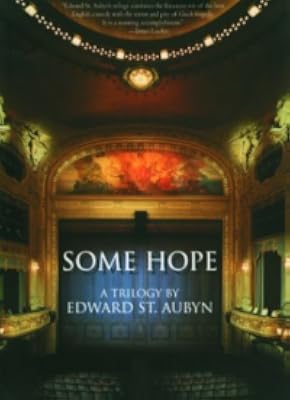
Mother's Milk by Edward St. Aubyn picks up characters from his earlier trilogy collectively titled Some Hope, something I didn't realise until after I'd finished it and began reading some of the reviews.
Mother's Milk stands alone perfectly well, but there did seem to be too heavy a burden of backstory (all that history of the loss of family fortunes!) for such a slim volume. Ahah, now I know why.
The pleasure of the book lies in its sharp depictions of family life as seen through the eyes of the members of the Melrose family, Patrick, his wife Mary and young sons Robert over four successive August holidays.
The first three holidays are spent in Provence, in the house where Patrick, grew up. But the house is soon to be transfered to a show more flaky new age charity and a charlatan of a shaman called Seamus Dourke, while Patrick is effectively disinherited. His mother, Eleanor, meanwhile, is on her last legs and in a nursing home. But inheritance is about more than property - it's also about venemous anger and sense of betrayal passed on from one generation to the next, and both parents realise that they must break the chain with their own children.
I wasn't interested so much in the midlife angst of London lawyer Patrick, which has him seeking solace in the bottle and in an affair with an old girlfriend. But I had more sympathy for Mary, so absorbed into motherhood and its demands that she has nothing of herself to give anyone else.
I loved the parts of the book narrated from the viewpoint of the boys. St. Aubyn writes childhood wonderfully, and the opening pages, where the precocious and terrifying observant Robert describes his birth is for me one of the best parts of the novel. (And you can read it here.)
The writing is wonderfully witty and sharply observed. There are some wonderfully grotesque small part characters from an utterly incomptent Nanny to rich cousin Henry who turns out to have more extreme views on foreign policy than Rumsfeld and Bush.
Another joy is the many memorably acerbic one-liners. (The blurb on the back has a quote from the Sunday Telegraph describing St. Aubyn's "mocking aphoristic style", which says it nicely.) He writes, for example, about obese passengers on the flight, who had:
... the apprehensive fat of people who had decided to become their own airbag systems in a dangerous world. show less
Mother's Milk stands alone perfectly well, but there did seem to be too heavy a burden of backstory (all that history of the loss of family fortunes!) for such a slim volume. Ahah, now I know why.
The pleasure of the book lies in its sharp depictions of family life as seen through the eyes of the members of the Melrose family, Patrick, his wife Mary and young sons Robert over four successive August holidays.
The first three holidays are spent in Provence, in the house where Patrick, grew up. But the house is soon to be transfered to a show more flaky new age charity and a charlatan of a shaman called Seamus Dourke, while Patrick is effectively disinherited. His mother, Eleanor, meanwhile, is on her last legs and in a nursing home. But inheritance is about more than property - it's also about venemous anger and sense of betrayal passed on from one generation to the next, and both parents realise that they must break the chain with their own children.
I wasn't interested so much in the midlife angst of London lawyer Patrick, which has him seeking solace in the bottle and in an affair with an old girlfriend. But I had more sympathy for Mary, so absorbed into motherhood and its demands that she has nothing of herself to give anyone else.
I loved the parts of the book narrated from the viewpoint of the boys. St. Aubyn writes childhood wonderfully, and the opening pages, where the precocious and terrifying observant Robert describes his birth is for me one of the best parts of the novel. (And you can read it here.)
The writing is wonderfully witty and sharply observed. There are some wonderfully grotesque small part characters from an utterly incomptent Nanny to rich cousin Henry who turns out to have more extreme views on foreign policy than Rumsfeld and Bush.
Another joy is the many memorably acerbic one-liners. (The blurb on the back has a quote from the Sunday Telegraph describing St. Aubyn's "mocking aphoristic style", which says it nicely.) He writes, for example, about obese passengers on the flight, who had:
... the apprehensive fat of people who had decided to become their own airbag systems in a dangerous world. show less
Part way through this book I found myself no longer caring that the characters were so unremittingly dreadful and instead realizing that I was probably reading some of the best writing that I had ever encountered. And this writing in turn drew me back to the characters. The writing rendered them fascinating if no less repellant and no more likable. Usually I am trying to connect with character and story, to have them resonate in some transparent way with my own life or my understanding of life, and in finding this resonance, I apply the modern day "liked this, thumbs up" and move on. St. Aubyn asks more and gets more from the reader. I have no idea why he focuses on the tortuous and claustrophobic workings of these mostly irredeemable show more lives, but he succeeds marvelously in making me want to understand their stories. show less
In a way all you need to know is this: Zone Three of parenting:
"Whenever he {Patrick} tried to define Zone Three, he could only think of it as generosity that was not based on compensation or duty. Even though he could not quite describe it, he clung to this fragile intuition of what it might mean to be well." Of course Zone One is to treat your kid(s) exactly as you were treated, Zone Two is to take scrupulous care NOT to treat them as your parents treated you. Zones one and two having nothing to do with the actual child before you, both disastrous.
To recap: In Book One Patrick was a boy and we get a good look at his childhood. In Book Two his father has died and he has come to NYC to collect his ashes. Along with the farcical is the show more darkest and most vivid description of drug addiction I've ever encountered (not that I seek it out). In Book Three we see him in transition, at a truly typical but awful 'country house' weekend in England. He's pretty much clean though he relies heavily on antidepressants, alcohol and sleeping pills, but the important thing is that he tells his friend Johnny Hall (a truly sane and good man) what his father did to him. He must be through his law internship etc. because he is a barrister. Not married yet.
Here, in Book Four, which covers several years, it is his son Robert who opens the novel with his birth and early impressions. Then we move to the house in the south of France and through Robert revisit Patrick's childhood in some ways but not in others as Patrick is really really working hard to be a 'good' father. He is mired in Zone Two and knows it, knows he could do better. He is starting to drink heavily. The family are in the house in Saint Nazaire and his mother is failing epically. (In every possible way.) His mother has suffered several strokes and has decided to leave this house and all her money to found a new age retreat, Patrick will get nothing. His wife has child #2 Thomas, who is a luminous child. The book travels over several years. Both children are insanely verbal at a young age, terrifying really, and his wife has become utterly besotted with Thomas to such a degree that the other two men of the family, himself and Robert take the back seat, or are, literally put in a different motel room in one instance. By the end the house is gone and his mother has demanded to return to England to a care home there. She has given away everything but still expects Patrick to take care of her. She has never taken care of him being the point. She can barely do anything and has decided she wants to die. Patrick is drinking heavily, no longer having the house to go to in Southern France they go on a disastrous trip to America. (One irony here is that they only know terribly rich people in America, all related to his mother or else they are somewhat haplessly wandering about, stopping at horrible motels or restaurants, with no idea how to find an America that might be worth being in.) There is some meditating on what money does to the very rich as Patrick struggles along as a parent and with his alternating pity for and fury with his mother. He knows there is more. Zone Three beckons but he cannot get there. The book ends with his mother not quite dead yet, but close and he has, finally, a sense of being finished with this part of his life. *****
One more book to go -- I find myself thinking of Knausgaard's epic, St. Aubyn sticks closer to the psychological development of a person who is truly making an effort and Knausgaard's reaches out beyond (into Hitler's insanity) but there are parallels. Or maybe better to say, similarities. show less
"Whenever he {Patrick} tried to define Zone Three, he could only think of it as generosity that was not based on compensation or duty. Even though he could not quite describe it, he clung to this fragile intuition of what it might mean to be well." Of course Zone One is to treat your kid(s) exactly as you were treated, Zone Two is to take scrupulous care NOT to treat them as your parents treated you. Zones one and two having nothing to do with the actual child before you, both disastrous.
To recap: In Book One Patrick was a boy and we get a good look at his childhood. In Book Two his father has died and he has come to NYC to collect his ashes. Along with the farcical is the show more darkest and most vivid description of drug addiction I've ever encountered (not that I seek it out). In Book Three we see him in transition, at a truly typical but awful 'country house' weekend in England. He's pretty much clean though he relies heavily on antidepressants, alcohol and sleeping pills, but the important thing is that he tells his friend Johnny Hall (a truly sane and good man) what his father did to him. He must be through his law internship etc. because he is a barrister. Not married yet.
Here, in Book Four, which covers several years, it is his son Robert who opens the novel with his birth and early impressions. Then we move to the house in the south of France and through Robert revisit Patrick's childhood in some ways but not in others as Patrick is really really working hard to be a 'good' father. He is mired in Zone Two and knows it, knows he could do better. He is starting to drink heavily. The family are in the house in Saint Nazaire and his mother is failing epically. (In every possible way.) His mother has suffered several strokes and has decided to leave this house and all her money to found a new age retreat, Patrick will get nothing. His wife has child #2 Thomas, who is a luminous child. The book travels over several years. Both children are insanely verbal at a young age, terrifying really, and his wife has become utterly besotted with Thomas to such a degree that the other two men of the family, himself and Robert take the back seat, or are, literally put in a different motel room in one instance. By the end the house is gone and his mother has demanded to return to England to a care home there. She has given away everything but still expects Patrick to take care of her. She has never taken care of him being the point. She can barely do anything and has decided she wants to die. Patrick is drinking heavily, no longer having the house to go to in Southern France they go on a disastrous trip to America. (One irony here is that they only know terribly rich people in America, all related to his mother or else they are somewhat haplessly wandering about, stopping at horrible motels or restaurants, with no idea how to find an America that might be worth being in.) There is some meditating on what money does to the very rich as Patrick struggles along as a parent and with his alternating pity for and fury with his mother. He knows there is more. Zone Three beckons but he cannot get there. The book ends with his mother not quite dead yet, but close and he has, finally, a sense of being finished with this part of his life. *****
One more book to go -- I find myself thinking of Knausgaard's epic, St. Aubyn sticks closer to the psychological development of a person who is truly making an effort and Knausgaard's reaches out beyond (into Hitler's insanity) but there are parallels. Or maybe better to say, similarities. show less
The Patrick Melrose novels have reached the Next Generation: Patrick is married with two sons and has replaced his illegal drug problem with a prescription drug and alcohol problem. He seems much more functional than twenty years before in [b:Bad News|1077554|Bad News (The Patrick Melrose Novels, #2)|Edward St. Aubyn|https://images.gr-assets.com/books/1180794768s/1077554.jpg|2241620], but less so than in [b:Some Hope|15795418|Some Hope (The Patrick Melrose Novels, #3)|Edward St. Aubyn|https://images.gr-assets.com/books/1345685942s/15795418.jpg|42240544] due to family pressures. The point of view frequently shifts to his son Robert, a precocious and unsettling child who seems like exactly the sort of boy Patrick would father. Covering a show more longer period than previous instalments, ‘Mother’s Milk’ concerns family tensions which, as ever, are freighted by class issues. The notion of inheritance comes up again and again. Patrick’s resentment of his mother is not lessened by his awareness that she’s playing out her own resentment of her mother. St Aubyn continues to have a pitiless eye for pomposity and fragility in the wealthier classes. It’s all relative: Patrick and his wife consider themselves badly off, despite his job as a barrister, because they can’t afford a larger house in London. Their peer group have holiday homes scattered across the world, creating awkward resentment when the Melroses are invited to visit. Each generation of the family loses out on a level of wealth that the previous one took for granted, poisoning relationships. It’s ugly and painful but fascinating and, crucially, very convincing.
Patrick Melrose is a compelling and often sympathetic character, but I would not want to be related to him. Yet I found myself wondering about his similarities to my own relatives and even myself. Wealth disparities within families can certainly breed exactly these kinds of conflict, in my experience. I did feel for Mary, Patrick’s wife, even as I appreciated the high quality of Patrick’s comebacks:
Patrick’s relentless rudeness, while often justified, is exactly the sort of privileged-resentment behaviour that is absolutely horrible to deal with in real life. For example:
On the other hand, the situation with his mother (who, lest we forget, ignored her husband’s childhood abuse of Patrick) would be enough to drive anyone to substances and bitter bon mots. It’s fitting that his son Robert shares his self-awareness and from a young age sees through Patrick’s attempts to bamboozle. I particularly liked his very meta query to his father, “Why are we a subplot?”
Another highlight was this description of existential anxiety:
In conclusion, St Aubyn’s writing continues to be outstanding and this would be one of the absolute least appropriate novels to take on a family holiday, especially to America. show less
Patrick Melrose is a compelling and often sympathetic character, but I would not want to be related to him. Yet I found myself wondering about his similarities to my own relatives and even myself. Wealth disparities within families can certainly breed exactly these kinds of conflict, in my experience. I did feel for Mary, Patrick’s wife, even as I appreciated the high quality of Patrick’s comebacks:
”It’s fairly obvious where all this is heading,” said Mary. “Let’s take some time to cool off. I don’t see any point in more acrimony.”
“But, darling,” said Patrick, “acrimony is all we’ve got left.”
It was certainly all he had left. She knew that it would fall to her to rescue a holiday from the wreckage left by Patrick’s disdain. The expectation that she would be tirelessly resourceful and at the same time completely sympathetic to Patrick was not one she could either put up with or disappoint.
Patrick’s relentless rudeness, while often justified, is exactly the sort of privileged-resentment behaviour that is absolutely horrible to deal with in real life. For example:
”Oh,” said Robert’s mother, “so that’s why we waited an extra half-hour.”
“Well, you know, when people hate officialdom, they either become craven or facetious.”
“Try craven next time, it’s quicker.”
On the other hand, the situation with his mother (who, lest we forget, ignored her husband’s childhood abuse of Patrick) would be enough to drive anyone to substances and bitter bon mots. It’s fitting that his son Robert shares his self-awareness and from a young age sees through Patrick’s attempts to bamboozle. I particularly liked his very meta query to his father, “Why are we a subplot?”
Another highlight was this description of existential anxiety:
”It’s safer to assume you’re always in danger.” Some verbal tic made him want to say, “It’s safer to assume you’re safe unless you’re in danger,” but he was quickly won over by the plausibility of paranoia. In any case, he now felt in danger all the time. Danger of liver collapse, marital breakdown, terminal fear. Nobody ever died of a feeling, he would say to himself, not believing a word of it, as he sweated his way through the feeling that he was dying of fear. People died of feelings all the time, once they had gone through the formality of materialising them into bullets and bottles and tumours. Someone who was organised like him, with utterly chaotic foundations, a quite strongly developed intellect and almost nothing in between desperately needed to develop the middle ground. Without it, he split into a vigilant day mind, a bird of prey hovering over a landscape, and a helpless night mind, a jellyfish splattered on the deck of a ship.
In conclusion, St Aubyn’s writing continues to be outstanding and this would be one of the absolute least appropriate novels to take on a family holiday, especially to America. show less
Because I'll be hearing St. Aubyn speak at the Hay Festival next weekend, I thought I should read this book which has been languishing on my TBR pile for months. And now I'm not even sure if I want to hear the man speak. I suppose he is a sort of "character" and will be interesting to hear, but this book turned me right off.
I understand what St. Aubyn is trying to do here. It's the story of Patrick, a 40-ish man who has been abandoned sexually by his wife Mary to their two infant sons. Patrick's own mother, Eleanor, is leaving her estate to a bogus New Age foundation, and later winds up helpless in a nursing home bed. Patrick starts drinking, has a brief and unfulfilling affair ... the usual midlife crisis stuff. So it's this idea of a show more man being abandoned by two mothers which, I think, is at the heart of the story. But I can't imagine many readers having sympathy for Patrick who just comes off as a lazy, ungrateful, self-absorbed whiner.
Sometimes St. Aubyn's prose shines through, and it's really brilliant - the first chapter, written from Robert's point of view was, in particular, beautiful and moving. But most of the time, it's camouflaged by a thick sticky layer of psychobabble. The novel reads like one written by a clever, witty author whose gift has been diluted by far too many years in psychoanalysis.
Being a complete masochist, I may still take a stab at Some Hope, the first book about the characters who appear in Mother's Milk, but a nagging voice in my head is telling me not to bother and to read something more enjoyable instead. How in the world did this piece of self-indulgent bilge get shortlisted for the Booker? show less
I understand what St. Aubyn is trying to do here. It's the story of Patrick, a 40-ish man who has been abandoned sexually by his wife Mary to their two infant sons. Patrick's own mother, Eleanor, is leaving her estate to a bogus New Age foundation, and later winds up helpless in a nursing home bed. Patrick starts drinking, has a brief and unfulfilling affair ... the usual midlife crisis stuff. So it's this idea of a show more man being abandoned by two mothers which, I think, is at the heart of the story. But I can't imagine many readers having sympathy for Patrick who just comes off as a lazy, ungrateful, self-absorbed whiner.
Sometimes St. Aubyn's prose shines through, and it's really brilliant - the first chapter, written from Robert's point of view was, in particular, beautiful and moving. But most of the time, it's camouflaged by a thick sticky layer of psychobabble. The novel reads like one written by a clever, witty author whose gift has been diluted by far too many years in psychoanalysis.
Being a complete masochist, I may still take a stab at Some Hope, the first book about the characters who appear in Mother's Milk, but a nagging voice in my head is telling me not to bother and to read something more enjoyable instead. How in the world did this piece of self-indulgent bilge get shortlisted for the Booker? show less
Judging by the goodreads reviews (which are usually very reliable), this book seems to have been mis-marketed. Readers complain that the characters are unpleasant (which you should know going in, I admit) and that St. Aubyn is 'too much of a stylist,' which sounds to me like saying a composer is 'too musical' or a basketball player is 'too athletic.' From a straight description, you might think this is akin to, say Gerard Woodward's semi-autobiographical trilogy: addiction, family issues, well-written etc. From the blurbs, you might think it's a soap opera (Sam Lipsyte couldn't do better than 'harrowing entertainment'? I guess it's 'entertainment' if you assume that serious art is only produced in American MFA programs).
So, prospective show more reader, know that St. Aubyn's work is a salad, and that the ingredients are:
* Proust's essayistic novel form. As with Proust, you have to read carefully.
* Wilde's utterly unrealistic, yet brilliant, dialogue. As with Wilde, he's sometimes too clever for his own good.
* Waugh's ambivalent upper class satire.
* Richard Yates' beautifully styled misanthropy. As with Yates, it can all get a little tiring.
This is not to say he's the next Proust or Wilde, of course. But he's at least on a level with Yates.
This novel is beautifully and intelligently crafted. The opening section - told through the eyes of a 5 year old - should be ridiculously quirky, but is one of the best thirty or so pages published so far this century in English. St Aubyn clearly knows that the whole thing could be disastrous, and plays around with this fact. The shifting points of view throughout the novel are quite knowing, as well; St Aubyn refuses to insult his readers' intelligence by dumbing his work down and using old moves from the realism rulebook. At the same time, he holds on to what is valuable in the realistic tradition: a respect for the world outside of literature, the great potential of ironic narration, and the ability to put his readers into perspectives they ordinarily would not take up.
In short: an almost ideal blend of self-reflection, social thought and artistry.
The prose is so clear that it's often too easy to read: take your time, and try to understand exactly what's going on. It helps to have read the other books in the series, but it's probably not necessary. If you know this stuff going in, you'll hopefully get more out of the book than some reviewers seem to have done. show less
So, prospective show more reader, know that St. Aubyn's work is a salad, and that the ingredients are:
* Proust's essayistic novel form. As with Proust, you have to read carefully.
* Wilde's utterly unrealistic, yet brilliant, dialogue. As with Wilde, he's sometimes too clever for his own good.
* Waugh's ambivalent upper class satire.
* Richard Yates' beautifully styled misanthropy. As with Yates, it can all get a little tiring.
This is not to say he's the next Proust or Wilde, of course. But he's at least on a level with Yates.
This novel is beautifully and intelligently crafted. The opening section - told through the eyes of a 5 year old - should be ridiculously quirky, but is one of the best thirty or so pages published so far this century in English. St Aubyn clearly knows that the whole thing could be disastrous, and plays around with this fact. The shifting points of view throughout the novel are quite knowing, as well; St Aubyn refuses to insult his readers' intelligence by dumbing his work down and using old moves from the realism rulebook. At the same time, he holds on to what is valuable in the realistic tradition: a respect for the world outside of literature, the great potential of ironic narration, and the ability to put his readers into perspectives they ordinarily would not take up.
In short: an almost ideal blend of self-reflection, social thought and artistry.
The prose is so clear that it's often too easy to read: take your time, and try to understand exactly what's going on. It helps to have read the other books in the series, but it's probably not necessary. If you know this stuff going in, you'll hopefully get more out of the book than some reviewers seem to have done. show less
Members
- Recently Added By
Lists

1001 Books You Must Read Before You Die
1,448 works; 1,134 members

Booker Prize
491 works; 62 members

The Guardian's 100 best books of the 21st century
100 works; 21 members

Man Booker Prize Longlist 2006
19 works; 2 members

BBC Radio 4 Bookclub
340 works; 13 members

Booker Prize Shortlist: Titles Not Yet Read
161 works; 4 members

.
184 works; 1 member

Books With Family Relationships in the Title
44 works; 4 members
Author Information

26+ Works 5,889 Members
Some Editions
Awards and Honors
Series

Work Relationships
Common Knowledge
- Canonical title*
- Moedermelk
- Original title
- Mother's Milk
- Original publication date
- 2006
- People/Characters
- Patrick Melrose; Thomas Melrose; Kettle; Mary Melrose; Eleanor Melrose; Robert Melrose (show all 9); Seamus; Julia; Lucy
- Important places
- Saint-Nazaire, Pays de la Loire, France
- Dedication*
- Voor Lucian
- First words
- Why had they pretended to kill him when he was born?
- Quotations
- At his age he either had to join the resistance or become a collaborator with death. There was no room to play with self-destruction once the juvenile illusion of indestructability had evaporated.
- Last words
- (Click to show. Warning: May contain spoilers.)Kettle was transfixed by several kinds of indignation at once, but Thomas filled the silence by jumping off his father's knee and shouting, 'Do nothing! Do nothing!' as he circled the table laden with cakes and tea.
- Blurbers*
- Grappig, diep en verschrikkelijk eigenzinnig - Time Out New York
- Original language
- English
*Some information comes from Common Knowledge in other languages. Click "Edit" for more information.
Classifications
Statistics
- Members
- 929
- Popularity
- 28,750
- Reviews
- 41
- Rating
- (3.46)
- Languages
- 6 — Dutch, English, French, German, Italian, Spanish
- Media
- Paper, Audiobook, Ebook
- ISBNs
- 36
- ASINs
- 14