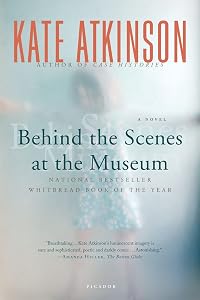
Behind the Scenes at the Museum
by Kate Atkinson
On This Page
Description
A deeply moving family story of happiness and heartbreak, Behind the Scenes at the Museum is bestselling author Kate Atkinson's award-winning literary debut. National Bestseller Winner of the Whitbread Book of the Year Ruby Lennox begins narrating her life at the moment of conception, and from there takes us on a whirlwind tour of the twentieth century as seen through the eyes of an English girl determined to learn about her family and its secrets. Kate Atkinson's first novel is "a show more multigenerational tale of a spectacularly dysfunctional Yorkshire family and one of the funniest works of fiction to come out of Britain in years" (The New York Times Book Review). show lessTags
Recommendations



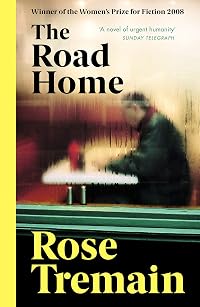

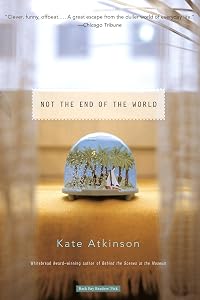
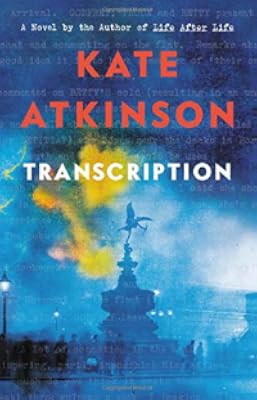
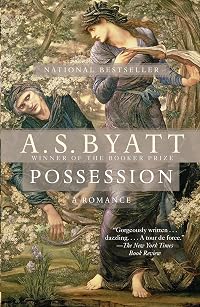
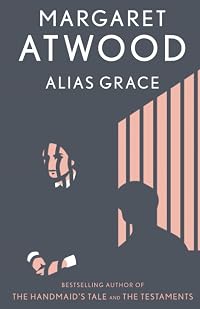
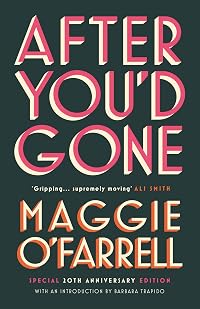

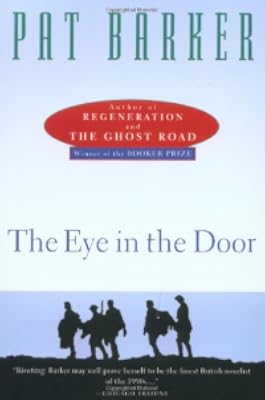
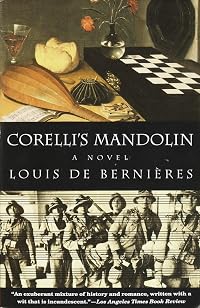







Member Recommendations

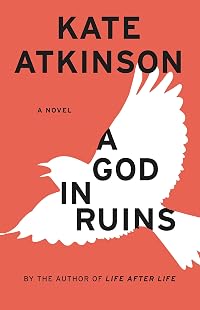
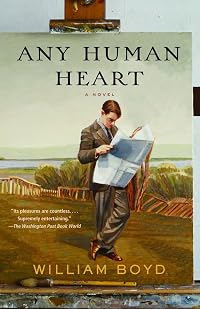
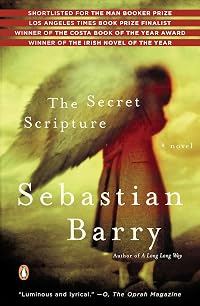
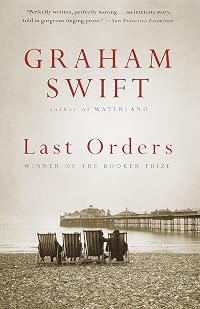
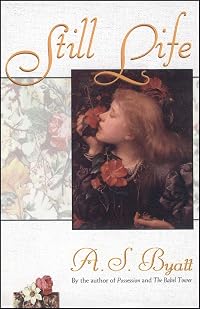
starfishian Atkinson has written books in a variety of genres, settings and topics. Human Croquet reminds me very much of Behind the Scenes; if you liked one, no doubt you will like the other.
souci A not-romanticized look at the period

Member Reviews
Kate Atkinson writing about family history, with a Yorkshire setting - the perfect novel! Reading on my Kindle, I didn't feel the heft of this epic undertaking until I finished, which says a lot about the skill of the author. Instead, Ruby's story, and the history of her family for three generations, complete with 'footnotes', swept me up and carried me along for a week of boring bus journeys.
The 'home' setting might have won me over but I really felt like I recognised these characters, from wry narrator Ruby, who is hiding one of the biggest 'twists in the tale', to battle-axe Bunty in the pet shop, and sisters Lilian and Nell during the First World War, growing up with a fearsome stepmother in place of the ethereal Alice, who vanished show more in the night after having her photograph taken by a Frenchman. I loved the storytelling too, with Ruby's sharp observations and appreciation of history undercutting tragedy after tragedy. Brothers and sons go to war and never return, children are lost in youth, generations fade into sepia photographs and are replaced by new lives, but 'history is what you take with you'. The humour, mostly dark but occasionally farcical, is also spot on. The flip-flopping through time kept me reading, whereas a straight 'aga saga' starting with Alice and ending with Ruby's own children would have been very dry. Instead I was treated to lots of satisfying 'aha!' moments in the footnotes chapters.
Wonderful escapism, full of history, humour and heartache. show less
The 'home' setting might have won me over but I really felt like I recognised these characters, from wry narrator Ruby, who is hiding one of the biggest 'twists in the tale', to battle-axe Bunty in the pet shop, and sisters Lilian and Nell during the First World War, growing up with a fearsome stepmother in place of the ethereal Alice, who vanished show more in the night after having her photograph taken by a Frenchman. I loved the storytelling too, with Ruby's sharp observations and appreciation of history undercutting tragedy after tragedy. Brothers and sons go to war and never return, children are lost in youth, generations fade into sepia photographs and are replaced by new lives, but 'history is what you take with you'. The humour, mostly dark but occasionally farcical, is also spot on. The flip-flopping through time kept me reading, whereas a straight 'aga saga' starting with Alice and ending with Ruby's own children would have been very dry. Instead I was treated to lots of satisfying 'aha!' moments in the footnotes chapters.
Wonderful escapism, full of history, humour and heartache. show less
Before she introduced readers to PI Jackson Brodie, Atkinson wrote this book, her first, and to say it's brilliant would be an understatement. I can understand why it won the Whitbread Book of the Year award. A novel that reads like a surreal memoir, the book is narrated by Ruby Lennox, who starts her tale at the moment of her conception. The family she's born into is dysfunctional at best, and Ruby relates her life and that, in alternating chapters, of key members of her family tree, filling in the family history in what she calls "footnotes." The passages covering relatives who fought in the World Wars, were especially well done.
But Ruby is, as many narrators are, unreliable, albeit unwittingly, and in her quest to make sense of her show more family, she finds herself.
Atkinson's prose is fluid and in turns humorous and moving, in a way that kept me reading (even if it took me a long time). The words sucked me in and I came to fully believe in these characters. They became real, especially Ruby. This is definitely going to make my list of all-time favorite books. show less
But Ruby is, as many narrators are, unreliable, albeit unwittingly, and in her quest to make sense of her show more family, she finds herself.
Atkinson's prose is fluid and in turns humorous and moving, in a way that kept me reading (even if it took me a long time). The words sucked me in and I came to fully believe in these characters. They became real, especially Ruby. This is definitely going to make my list of all-time favorite books. show less
My first Kate Atkinson, and I thoroughly enjoyed the experience. Behind the Scenes at the Museum is a complex, sweeping tale of four generations with many characters and does require a certain level of concentration to sort them all out and get the most from the story. Having said that, it is told simply and honestly and with great humour, poignancy and insight. Ruby Lennox is a wonderful narrator and her first person sections are aided by the "footnotes" chapters, giving the fascinating family backstory. Not all the characters are likeable and the events in the life of the family are often harsh and even tragic, but it is realistic and makes for a great tale told with much skill. An interesting plot, quirky three dimensional show more characters, vividly imagined episodes, and good dialogue; what more could one want!
An absolutely stunning debut novel. show less
An absolutely stunning debut novel. show less
"I am a jewel. I am a drop of blood. I am Ruby Lennox"
Taking a bit of inspiration from that meta-fictional classic Tristram Shandy, Atkinson's irrepressible creation/narrator, Ruby, begins her story with her own conception.
From there it's tales of familial woe and dysfunction; tragedy with an eccentric and uplifting undercurrent. Footnotes cleverly fill the gaps in the generational record; tiny mysteries abound, yet they aren't the point of the story--it's about 'British-ness' and the generational shift that really marked the end of the Empire; the 1960s...
Behind the Scenes at the Museum is energetic and surprising, witty and poignant--a book worthy of any literary adventurer's time...
Taking a bit of inspiration from that meta-fictional classic Tristram Shandy, Atkinson's irrepressible creation/narrator, Ruby, begins her story with her own conception.
From there it's tales of familial woe and dysfunction; tragedy with an eccentric and uplifting undercurrent. Footnotes cleverly fill the gaps in the generational record; tiny mysteries abound, yet they aren't the point of the story--it's about 'British-ness' and the generational shift that really marked the end of the Empire; the 1960s...
Behind the Scenes at the Museum is energetic and surprising, witty and poignant--a book worthy of any literary adventurer's time...
Having read and loved Atkinson's three mysteries, I'd put off reading any of her "literary fiction," mostly because the term "literary fiction" really bothers me because it basically just means "not genre." Anyway, everything I loved about Atkinson's mysteries was here as well: amazing characterization, interesting metaphors, perfect pacing and multiple narrators and storylines that all work together.
Ruby Lennox starts narrating her life at the moment of her conception, and each chapter in the book is a snapshot of one event that happened in each year of her life. Each chapter is followed by a footnote that relates to the chapter but examines the history of Ruby's family. As time passes, she (and you!) learn more about the secrets of show more the Lennox family. There eventually is a revelation that is a little bit unbelievable, but overall it didn't really distract from the excellence of this novel. show less
Ruby Lennox starts narrating her life at the moment of her conception, and each chapter in the book is a snapshot of one event that happened in each year of her life. Each chapter is followed by a footnote that relates to the chapter but examines the history of Ruby's family. As time passes, she (and you!) learn more about the secrets of show more the Lennox family. There eventually is a revelation that is a little bit unbelievable, but overall it didn't really distract from the excellence of this novel. show less
We live in a place called 'Above the Shop' which is not a strictly accurate description as both the kitchen and dining-room are on the same level as the Shop itself and the topography also includes the satellite area of the Back Yard. The Shop (a pet shop) is in one of the ancient streets that cower beneath the looming dominance of York Minster. In this street lived the first printers and the stained-glass craftsmen that filled the windows of the city with coloured light. The Ninth Legion Hispana that conquered the north marched up and down our street, the via praetoria of their great fort, before they disappeared into thin air. Guy Fawkes was born here, Dick Turpin was hung a few streets away and Robinson Crusoe, that other great hero, show more is also a native son of this city. Who is to say which of these is real and which a fiction?
Ruby Lennox narrates her life story beginning with her conception in 1951. Each chapter provides a window to another year in Ruby's life. Ruby defines herself in relationship to her mother, her older sisters, her father, and her extended family of aunts, uncles, and cousins. Each chapter concludes with a footnote that anchors Ruby to her family's past in the stories of her grandmother Nell's and her mother Bunty's youths.
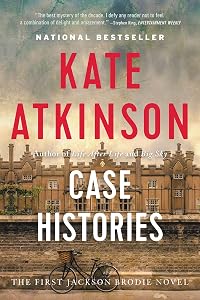
Up to now, my only experience with Kate Atkinson has been the Jackson Brodie novels. I liked Case Histories and loved the rest. I picked up her first novel with some trepidation. Would it live up to the Jackson Brodie novels? I'm happy to say that it exceeded my high expectations. Atkinson strikes a perfect balance between strong characters, vivid settings, and narrative pace in a distinctive voice. As she does in the Jackson Brodie novels, Atkinson follows chains of small events that propel characters toward major events that will change the course of her characters' lives. Atkinson is well on her way to becoming my favorite currently active author. show less
Ruby Lennox narrates her life story beginning with her conception in 1951. Each chapter provides a window to another year in Ruby's life. Ruby defines herself in relationship to her mother, her older sisters, her father, and her extended family of aunts, uncles, and cousins. Each chapter concludes with a footnote that anchors Ruby to her family's past in the stories of her grandmother Nell's and her mother Bunty's youths.
Up to now, my only experience with Kate Atkinson has been the Jackson Brodie novels. I liked Case Histories and loved the rest. I picked up her first novel with some trepidation. Would it live up to the Jackson Brodie novels? I'm happy to say that it exceeded my high expectations. Atkinson strikes a perfect balance between strong characters, vivid settings, and narrative pace in a distinctive voice. As she does in the Jackson Brodie novels, Atkinson follows chains of small events that propel characters toward major events that will change the course of her characters' lives. Atkinson is well on her way to becoming my favorite currently active author. show less
In the end, it is my belief, words are the only things that can construct a world that makes sense.
If this is what Kate Atkinson's first novel is like, I am incredibly excited to explore the rest of her works. Seriously, how can someone writing their first book be this good? No, the novel isn't perfect, but it's astonishingly well crafted for someone who is apparently a novice. Atkinson creates a fascinating main character in this book, a weird, wonderful protagonist, then nests her in the stories of the other women that led to her being her, that led to her being now. There are several wonderfully crafted women here, and I'm only somewhat disappointed that I didn't get to spend more time with some of them, particularly her early show more relatives. I'd rather not spend much time with her mum though. The story also contains a mystery of sorts, though it's reasonably easy to guess if you think about it for long enough.
I have maybe two minor nitpicks about the story. The first is the “twist”. Like many others have said, while I found the twist easy enough to guess, the whole situation is pretty implausible. While I can just about buy Ruby having blocked out her sister's existence due to PTSD or whatever, I can't really buy the whole attitude of the family where they just never speak about her again and manage never to reveal to Ruby until fairly late in the game that she ever had a sister.
My second problem was that the end of the story seemed a tad rushed. There's all sorts of stuff that happens in Ruby's life that I'd liked to have seen more of, and I think this is that rare novel that could actually do with a few more pages, rather than a few less.
Anyway, brilliant stuff. I own Life After Life and I'll definitely be giving it a read soon based on this. I give Behind the Scenes at the Museum nine out of ten. show less
If this is what Kate Atkinson's first novel is like, I am incredibly excited to explore the rest of her works. Seriously, how can someone writing their first book be this good? No, the novel isn't perfect, but it's astonishingly well crafted for someone who is apparently a novice. Atkinson creates a fascinating main character in this book, a weird, wonderful protagonist, then nests her in the stories of the other women that led to her being her, that led to her being now. There are several wonderfully crafted women here, and I'm only somewhat disappointed that I didn't get to spend more time with some of them, particularly her early show more relatives. I'd rather not spend much time with her mum though. The story also contains a mystery of sorts, though it's reasonably easy to guess if you think about it for long enough.
I have maybe two minor nitpicks about the story. The first is the “twist”.
My second problem was that the end of the story seemed a tad rushed. There's all sorts of stuff that happens in Ruby's life that I'd liked to have seen more of, and I think this is that rare novel that could actually do with a few more pages, rather than a few less.
Anyway, brilliant stuff. I own Life After Life and I'll definitely be giving it a read soon based on this. I give Behind the Scenes at the Museum nine out of ten. show less
Members
- Recently Added By
Lists

The Guardian's 1000 Novels Everyone Must Read
1,005 works; 552 members

Best Historical Fiction
620 works; 261 members

Female Author
1,234 works; 67 members

Best Family Stories
241 works; 22 members
...read all, pay nowt (Books set in Yorkshire)
86 works; 13 members

Unread books
1,063 works; 87 members

Women's Stories
88 works; 13 members

Magic Realism
371 works; 52 members

Books That Made Me Cry
199 works; 105 members

Family Drama
56 works; 14 members

Unreliable Narrators
170 works; 43 members

Best family sagas
244 works; 34 members

Top Five Books of 2014
1,064 works; 398 members

BBC Radio 4 Bookclub
341 works; 13 members
Top Five Books of 2016
795 works; 229 members

Recommend the 20 best books you've read in the last five years
2,168 works; 607 members

Books Read in 2023
5,638 works; 147 members
First Novels
373 works; 17 members

SantaThing 2014 Gifts
299 works; 17 members

Ryan's Books
34 works; 1 member

To Read (Abandoned)
2 works; 2 members

BBC Big Read
191 works; 46 members
Shannon's Read-Alikes List
71 works; 8 members

Books With the Most Memorable Titles
478 works; 158 members

living room bookshelf
150 works; 1 member

Top Five Books of 2025
954 works; 304 members
Favourite Books
1,820 works; 316 members
Author Information

36+ Works 52,739 Members
Kate Atkinson was born in York, and studied English Literature at the University of Dundee. She earned her Masters Degree from Dundee in 1974. She then went on to study for a doctorate in American Literature but she failed at the viva (oral examination) stage. After leaving the university, she took on a variety of jobs from home help to legal show more secretary and teacher. Her first novel, Behind the Scenes at the Museum, won the 1995 Whitbread Book of the Year ahead of Salman Rushdie's The Moor's Last Sigh and Roy Jenkins's biography of William Ewart Gladstone. It went on to be a Sunday Times bestseller. Since then, she has published another five novels, one play, and one collection of short stories. Her work is often celebrated for its wit, wisdom and subtle characterisation, and the surprising twists and plot turns. Her most recent work has featured the popular former detective Jackson Brodie. In 2009, she donated the short story Lucky We Live Now to Oxfam's 'Ox-Tales' project, four collections of UK stories written by 38 authors. Atkinson's story was published in the 'Earth' collection. In March 2010, Atkinson appeared at the York Literature Festival, giving a world-premier reading from an early chapter from her forthcoming novel Started Early, Took My Dog, which is set mainly in the English city of Leeds. Atkinson's bestselling novel, Life after Life, has won numerous awards, including the COSTA Novel Award for 2013. The follow-up to Life After Life is A God in Ruins and was published in 2015. This title won a Costa Book Award 2015 in the novel category. (Bowker Author Biography) show less
Some Editions
Awards and Honors
Awards
Series
Belongs to Publisher Series
Work Relationships
Has as a reference guide/companion
Common Knowledge
- Canonical title
- Behind the Scenes at the Museum
- Original title
- Behind the Scenes at the Museum
- Original publication date
- 1995
- People/Characters
- Ruby Lennox; Patricia her sister; Berenice "Bunty"
- Important places
- York, North Yorkshire, England, UK
- Important events
- Battle of the Somme (1916); World War I (1914 | 1918)
- Dedication
- For Eve and Helen
- First words
- I exist!
- Quotations
- The past's what you take with you.
- Last words
- (Click to show. Warning: May contain spoilers.)I'm in another country, the one called home. I am alive. I am a precious jewel. I am a drop of blood. I am Ruby Lennox.
- Blurbers*
- Forster, Margaret
- Original language*
- Engels
*Some information comes from Common Knowledge in other languages. Click "Edit" for more information.
Classifications
Statistics
- Members
- 5,238
- Popularity
- 2,616
- Reviews
- 145
- Rating
- (3.95)
- Languages
- 11 — Danish, Dutch, English, Finnish, French, German, Italian, Lithuanian, Romanian, Spanish, Swedish
- Media
- Paper, Audiobook, Ebook
- ISBNs
- 60
- ASINs
- 31