
Robert Siodmak (1900–1973)
Author of The Killers [1946 film]
About the Author
Image credit: wikimedia.org
Works by Robert Siodmak
The Killers [1946] [and] The Killers [1964] (Double Feature Video) — Director — 11 copies
Film Noir Collection: 9 Films — Director — 6 copies
Four Film Noir Classics [Blu-ray] 4 copies
Personal Column [1939 film] — Director — 2 copies
Classic Cuts Collection Film NoiR (4 movies) — Director — 1 copy
Time out of Mind 1 copy
Abschied. disc 1 copy
Associated Works
Tagged
Common Knowledge
- Canonical name
- Siodmak, Robert
- Birthdate
- 1900-08-08
- Date of death
- 1973-03-10
- Gender
- male
- Occupations
- film director
- Relationships
- Siodmak, Curt (brother)
- Nationality
- Germany
- Birthplace
- Dresden, Germany
- Place of death
- Ascona, Ticino, Switzerland
- Associated Place (for map)
- Germany
Members
Reviews
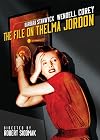
“Maybe I am just a dame and didn't know it. Maybe I like being picked up by a guy on a binge.” — Stanwyck to Corey
Coming somewhat late in the noir cycle, this long neglected film is much better and more deserving of the praise given many lesser films in the genre, which have been critically re-evaluated after finding a wider following and easier access to them via the internet and DVD. The File on Thelma Jordan has a beautiful score from Victor Young, of Stella by Starlight fame, lush show more photography from George Barnes, and good direction from Robert Siodmak, placing this one into the upper echelon of late 1940s film noir.
Robert Siodmak, like his brother Curt, began his career in silent films, but fled Germany before the war, landing first in Paris, then Hollywood. He found his niche in dark and atmospheric thrillers such as The Spiral Staircase, The Dark Mirror, and The Suspect. A noir specialist, The File on Thelma Jordan is as atmospheric and entertaining as any film the director ever made. It is a shame this excellent Barbara Stanwyck film was left collecting dust in the basement of a studio rather than receiving the wide release it deserved for so long.
A marvelous mood of noir and romance is immediately set through the lush lens of Barnes, who perfectly frames Barbara Stanwyck and Wendell Corey in a California of palm trees and ocean views, with long lanes and lookouts over the city at night. Beautifully lit and photographed, it is one of the finest examples of noir cinematography in a film from this period. Victor Young’s lovely score for this film complements it perfectly, and might be one of the best ones you’ve never heard. Johnny Mercer once stated that you always knew when Victor was in the studio just by the tone of the violin and strings. That romantic touch is in evidence with perhaps Yong’s finest score outside of The Uninvited, which produced the beautiful Stella by Starlight. The lush romance of the first half of the film gradually gives way to the darker aspects of love and crime in the second, only to return again in the final moments.
Wendell Corey is Cleve Marshall, an Assistant D.A. avoiding going home to his wife and kids because of his meddling father-in-law. His wife is nice, but too much Daddy's girl, emasculating her husband and leaving him vulnerable to the understanding Stanwyck. She walks into his office when he’s tight, to ask the police for extra protection at her aunt's house. Seeing he’s a decent guy, despite his current state, his charm convinces her to take him for a drink. Though nothing happens, the match has been lit, and soon the flame burns bright blue and orange. Secret meetings, beautifully photographed in noir style while Young’s score frames the forbidden romance. Stanwyck underplays her role here, giving her a softer shading than usual for this type of film, and it works well. Wendell Corey never achieved big star status, but does an excellent job here opposite one.
When Thelma’s aunt in murdered during a break-in, everything changes. A rushed attempt by Cleve and Thelma to alter the crime scene goes awry, and suspicion falls immediately on her. Her past with a gambler named Tony, a man seen running from the house, and a will leaving everything to Thelma force his office to charge her with murder. He wangles the case for himself and attempts to manipulate the jury. That’s when the film basically begins anew. For those who think they’ve seen this all before, there is a terrific twist at the end, with a return to the more romantic framing which disappears during the drama of the trial.
Ketty Frings’ screenplay, based on a Marty Holland story, has a realism which works nicely with the tone Siodmak sets. Paul Kelly as Corey’s pal, and Joan Tetzel as his young wife both acquit themselves nicely. Stanley Ridges as the wily lawyer for Stanwyck who knows exactly what's going on between Thelma and Cleve is excellent. Fine, underplayed performances, sympathetic characters, and a terrific mood set by director Siodmak make this one a real winner. Highly recommended. show less
Coming somewhat late in the noir cycle, this long neglected film is much better and more deserving of the praise given many lesser films in the genre, which have been critically re-evaluated after finding a wider following and easier access to them via the internet and DVD. The File on Thelma Jordan has a beautiful score from Victor Young, of Stella by Starlight fame, lush show more photography from George Barnes, and good direction from Robert Siodmak, placing this one into the upper echelon of late 1940s film noir.
Robert Siodmak, like his brother Curt, began his career in silent films, but fled Germany before the war, landing first in Paris, then Hollywood. He found his niche in dark and atmospheric thrillers such as The Spiral Staircase, The Dark Mirror, and The Suspect. A noir specialist, The File on Thelma Jordan is as atmospheric and entertaining as any film the director ever made. It is a shame this excellent Barbara Stanwyck film was left collecting dust in the basement of a studio rather than receiving the wide release it deserved for so long.
A marvelous mood of noir and romance is immediately set through the lush lens of Barnes, who perfectly frames Barbara Stanwyck and Wendell Corey in a California of palm trees and ocean views, with long lanes and lookouts over the city at night. Beautifully lit and photographed, it is one of the finest examples of noir cinematography in a film from this period. Victor Young’s lovely score for this film complements it perfectly, and might be one of the best ones you’ve never heard. Johnny Mercer once stated that you always knew when Victor was in the studio just by the tone of the violin and strings. That romantic touch is in evidence with perhaps Yong’s finest score outside of The Uninvited, which produced the beautiful Stella by Starlight. The lush romance of the first half of the film gradually gives way to the darker aspects of love and crime in the second, only to return again in the final moments.
Wendell Corey is Cleve Marshall, an Assistant D.A. avoiding going home to his wife and kids because of his meddling father-in-law. His wife is nice, but too much Daddy's girl, emasculating her husband and leaving him vulnerable to the understanding Stanwyck. She walks into his office when he’s tight, to ask the police for extra protection at her aunt's house. Seeing he’s a decent guy, despite his current state, his charm convinces her to take him for a drink. Though nothing happens, the match has been lit, and soon the flame burns bright blue and orange. Secret meetings, beautifully photographed in noir style while Young’s score frames the forbidden romance. Stanwyck underplays her role here, giving her a softer shading than usual for this type of film, and it works well. Wendell Corey never achieved big star status, but does an excellent job here opposite one.
When Thelma’s aunt in murdered during a break-in, everything changes. A rushed attempt by Cleve and Thelma to alter the crime scene goes awry, and suspicion falls immediately on her. Her past with a gambler named Tony, a man seen running from the house, and a will leaving everything to Thelma force his office to charge her with murder. He wangles the case for himself and attempts to manipulate the jury. That’s when the film basically begins anew. For those who think they’ve seen this all before, there is a terrific twist at the end, with a return to the more romantic framing which disappears during the drama of the trial.
Ketty Frings’ screenplay, based on a Marty Holland story, has a realism which works nicely with the tone Siodmak sets. Paul Kelly as Corey’s pal, and Joan Tetzel as his young wife both acquit themselves nicely. Stanley Ridges as the wily lawyer for Stanwyck who knows exactly what's going on between Thelma and Cleve is excellent. Fine, underplayed performances, sympathetic characters, and a terrific mood set by director Siodmak make this one a real winner. Highly recommended. show less
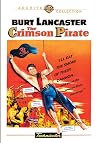
2024 movie #218. 1952. Burt Lancaster took full advantage of his early circus acrobat training and magnificent pecs in this successful spoof of 1930's swashbuckling pirate movies. Lots of daring do and Keystone Kops style chases. It was a lot of fun.
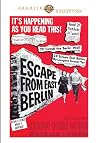
2024 movie #54. 1962. Based on a true story about 28 people escaping from East Berlin by digging a tunnel underneath the wall from a basement. Filmed in West Berlin within sight of the wall. Interesting slice of life from the front lines of the early Cold War.

Friends spend a day at the beach and get jealous of each other.
1.5/4 (Meh).
Yep, those are some people alright. On a Sunday, too. This should have been a photography gallery exhibition, not a movie.
(Aug. 2022)
1.5/4 (Meh).
Yep, those are some people alright. On a Sunday, too. This should have been a photography gallery exhibition, not a movie.
(Aug. 2022)
Lists
Awards


You May Also Like


Associated Authors
Statistics
- Works
- 43
- Also by
- 1
- Members
- 605
- Popularity
- #41,546
- Rating
- 3.5
- Reviews
- 25
- ISBNs
- 30
- Languages
- 1