
T.J. Marsh
Author of Somewhere in the Ocean
Works by T.J. Marsh
Way Out in the Desert 1 copy
Tagged
Common Knowledge
There is no Common Knowledge data for this author yet. You can help.
Members
Reviews
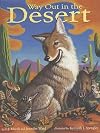
You don't need to sing; the rhythm is fun to chant. Even if a child asks for this book over & over, which I suspect many do. If you do want to know how the bouncy song goes, search youtube. I love this adaptation. The count is only 1-10, but it does introduce 10 real desert critters of the American Southwest, in their habitats, with appealing, accurate, lucid art. Includes back matter.

Lively illustrations, a zippy narrative poem, and hidden images give a lot of life to this picture book that serves two educational purposes - teaching about counting and sea animals. The poem uses a tight rhyme scheme and a repetitive syntax to create a wonderful rhythm that is meant to be read aloud. The story is focused on mother (and one father) and baby sea animals, and one activity that the elder is teaching to the younger. For instance, the mother hermit crab teaches her offspring to show more dress in shells, and the father sea horse teaches his children how to hold on to seaweed when the currents are pressing hard. Each two page spread is about one number, from one to ten, and it features a different sea creature to correspond to that number. The number one is on the manatee page, and there is one baby manatee. The number ten is on the octopus page, and there are ten baby octopi. Also, the number itself is hidden somewhere on the page, drawn amongst the ink or the kelp or a turtle's back.
In addition to the simple yet effective narrative, the book concludes with short summaries of factual information about the different sea animal and plant life. Finally, a musical score is included at the very end, to give readers an idea how to read or sing this highly lyrical book. If you do read alouds with your children, this book is a true find. The book sounds lovely out loud, and the animals are adorable. Also, children typically love sea creatures. The hidden numbers add a touch of puzzle fun. Not only that, you can use the story as a springboard to teach them about the ocean and plants and animals, with the science facts from the back of the book. From start to finish, this is a great picture book for children. show less
In addition to the simple yet effective narrative, the book concludes with short summaries of factual information about the different sea animal and plant life. Finally, a musical score is included at the very end, to give readers an idea how to read or sing this highly lyrical book. If you do read alouds with your children, this book is a true find. The book sounds lovely out loud, and the animals are adorable. Also, children typically love sea creatures. The hidden numbers add a touch of puzzle fun. Not only that, you can use the story as a springboard to teach them about the ocean and plants and animals, with the science facts from the back of the book. From start to finish, this is a great picture book for children. show less
Somewhere In The Ocean by Jennifer Ward - Paperback - First Scholastic Edition, 18th Printing 2004 by Jennifer Ward
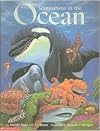
The main message of this book is to explain facts about ocean animals while also reviewing numbers. In my opinion this was a good book because it's teaching the audience about something real but the rhyming pattern in the writing style makes it easy and enjoyable to read. Also while you are reading the story, each page covers a new ocean animal and in their story includes a number that increases on each page as you continue the story. For example the first story is about a manatee and goes, show more "Somewhere in the ocean where the warm waters run lived a mother manatee and her little calf ONE. "Nibble!" said the mother. "I nibble!" said the one, so they nibbled sea lettuce where the warm waters run." From that you can see the rhyming pattern and also notice the number ONE is pointed out and on the page it is in bigger font than the other words. The last page they discuss octopuses and incorporate the number "ten" into their story, "Somewhere in the ocean in a coral reef den lived a mother octopus and her little babies TEN." I also liked this book because it presents information about the same ocean animals in multiple forms. The first ten pages of the book are set up as explained above but following that are four pages of "Fun Facts" about those ocean animals along with others. The writing is organized into about three or four paragraphs per page each about a different ocean animal. Next to each paragraph is an illustration of the animal being described. show less
Deep in the ocean, ten marine animal families teach their role in the ecosystem to their children. In a rhythmic pattern, each new animal has an increasing number of children that are taught what they need to do in the ocean. At the end of the book, the authors include a short paragraph about each animal and some other vocabulary from the book. The story is both fun to read and full of information about animals in the ocean.
Awards


You May Also Like


Associated Authors
Statistics
- Works
- 3
- Members
- 1,483
- Popularity
- #17,315
- Rating
- 4.4
- Reviews
- 21
- ISBNs
- 12