
Frank Borzage (1894–1962)
Author of A Farewell to Arms [1932 film]
About the Author
Image credit: ReverseShot
Works by Frank Borzage
AMC Movies: Gary Cooper Hollywood Classics — Director — 18 copies
2 Feature Films: Gary Cooper: A Farewell to Arms [and] Fighting Caravans — Director — 6 copies
Magnificent Doll [1946 film] — Director — 6 copies
Universal Hollywood Icons Collection: Marlene Dietrich (Blonde Venus / Desire / Angel / Seven Sinners) (2016) — Director — 4 copies
Stage Door Canteen/Private Buckaroo — Director — 2 copies
Man's Castle [1933 film] — Director — 2 copies
Frank Borzage - Volume 2 2 copies
I've Always Loved You 1 copy
Second Chorus / Stage Door Canteen / Doll Face (Triple Feature Video) — Director — 1 copy
Disputed Passage 1 copy
Shipmates Forever 1 copy
Little man, what now 1 copy
El séptimo cielo (1927) 1 copy
China Doll 1 copy
Gary Cooper Triple Feature: Meet John Doe / Fighting Caravans / A Farewell to Arms (2002) — Director — 1 copy
Circle 1 copy
Associated Works
Tagged
Common Knowledge
- Birthdate
- 1894-04-23
- Date of death
- 1962-06-19
- Gender
- male
- Occupations
- film director
- Awards and honors
- Hollywood Walk of Fame
George Eastman Award - Nationality
- USA
- Birthplace
- Salt Lake City, Utah, USA
- Associated Place (for map)
- Utah, USA
Members
Reviews
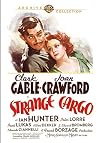
“Don't tap your heart. You'll break your finger.” — Crawford to Gable
Director Frank Borzage, the greatest romanticist director ever to work in Hollywood, made films of enduring beauty and sentimentality in both the silent and sound era. His ability to handle sensitive subject matter however was never put to the test in the way it was when he signed on to film Richard Sale’s “None Too Narrow...None Too Deep” for MGM. He would have to balance the fire between stars Clark Gable and show more Joan Crawford with a story having delicate spiritual overtones. The end results are a unique cinematic masterpiece in which Borzage shows his audience it is never too late.
Lawrence Hazard’s sharp and sometimes racy dialog sounds as if Howard Hawks had been standing over his shoulder, telling him just how to write Crawford’s character. She is very much the embodiment of how his world-weary and leery men view women. But Borzage will allow the delicate spiritual message to reveal what is underneath, and in the heart. It is as if Borzage is filming two stories at once, from different eras, and in very different genres. Yet he somehow makes it work; both as entertainment and something more substantive. Gable’s charisma is on full display here and Crawford has one of her finest moments onscreen in a scene opposite Ian Hunter that plays almost like an apology for her film based on a Somerset Maugham story, Rain.
Gable’s Verne is a thief being released after sixteen months in solitary confinement for his fifth escape attempt in three years. He seems incorrigible, and destined not to make it out of the penal colony alive. But Grideau (Frederic Worcock), the head of the island’s prison, sees something worth redeeming in Verne. Allowed to work outside the prison walls down on the wharf, Verne runs into Julie (Joan Crawford) and they begin the first of many salty exchanges which caused the film to be condemned at the time by the Legion of Decency. It also is what kept viewers entertained as a much deeper and more spiritual story began taking hold. Though it seems ludicrous today, it would be this aspect of the film that tipped the scales against it in the eyes of the Legion of Decency.
When Verne sneaks out to get a load of Julie dressed up — “Grief ain't what I came after, Baby” — and she promptly turns him in, the sparks between them almost burn up the screen. But suddenly a mysterious bible-carrying prisoner no one remembers ever having seen before shows up to replace Verne for the returning head count. Fans of Borzage know in that exact moment there’s much more going on here than a terribly racy late 1930s romance. What follows is a unique blend of entertainment, a racy romance and a spiritual message which finally and inevitably collide, leaving the viewer mesmerized by what they’ve just seen.
There is plenty of action and conflict, with a jungle and an ocean between Verne and freedom. Paul Lukas, Albert Dekker, Howard Bromberg, and Eduardo Cianelli are a few of his fellow escapees. But it is Ian Hunter’s Cambreau who seems to always know what’s going to happen, and how to get there. While Gable and Crawford spar, he helps those who might not make it find peace before their light dims, and seems to know what’s in their hearts.
Crawford is marvelous here as Julie, struggling against believing but knows it must be so when Cambreau is the only one who knows she’s been saying silent prayers for them all. Verne may be the toughest nut to crack, however, as only in a storm on a boat does he realize he may have just thrown his salvation, and future, overboard.
Peter Lorre plays to perfection the lovelorn M’sieu Pig, whom Crawford’s Julie could never sink low enough to touch. Franz Waxman’s score nicely complements the photography of Robert Plack and art direction of MGM’s Cedric Gibbons to create an atmospheric film pleasing on all fronts.
Gable and Crawford were always good together and are fantastic here, their back-and-forth containing a rare edge. It is the spiritual tone and message of the film, however, which creates a one-of-a-kind movie experience. Another truly great film by a true master of both nitrate and celluloid, Frank Borzage. show less
Director Frank Borzage, the greatest romanticist director ever to work in Hollywood, made films of enduring beauty and sentimentality in both the silent and sound era. His ability to handle sensitive subject matter however was never put to the test in the way it was when he signed on to film Richard Sale’s “None Too Narrow...None Too Deep” for MGM. He would have to balance the fire between stars Clark Gable and show more Joan Crawford with a story having delicate spiritual overtones. The end results are a unique cinematic masterpiece in which Borzage shows his audience it is never too late.
Lawrence Hazard’s sharp and sometimes racy dialog sounds as if Howard Hawks had been standing over his shoulder, telling him just how to write Crawford’s character. She is very much the embodiment of how his world-weary and leery men view women. But Borzage will allow the delicate spiritual message to reveal what is underneath, and in the heart. It is as if Borzage is filming two stories at once, from different eras, and in very different genres. Yet he somehow makes it work; both as entertainment and something more substantive. Gable’s charisma is on full display here and Crawford has one of her finest moments onscreen in a scene opposite Ian Hunter that plays almost like an apology for her film based on a Somerset Maugham story, Rain.
Gable’s Verne is a thief being released after sixteen months in solitary confinement for his fifth escape attempt in three years. He seems incorrigible, and destined not to make it out of the penal colony alive. But Grideau (Frederic Worcock), the head of the island’s prison, sees something worth redeeming in Verne. Allowed to work outside the prison walls down on the wharf, Verne runs into Julie (Joan Crawford) and they begin the first of many salty exchanges which caused the film to be condemned at the time by the Legion of Decency. It also is what kept viewers entertained as a much deeper and more spiritual story began taking hold. Though it seems ludicrous today, it would be this aspect of the film that tipped the scales against it in the eyes of the Legion of Decency.
When Verne sneaks out to get a load of Julie dressed up — “Grief ain't what I came after, Baby” — and she promptly turns him in, the sparks between them almost burn up the screen. But suddenly a mysterious bible-carrying prisoner no one remembers ever having seen before shows up to replace Verne for the returning head count. Fans of Borzage know in that exact moment there’s much more going on here than a terribly racy late 1930s romance. What follows is a unique blend of entertainment, a racy romance and a spiritual message which finally and inevitably collide, leaving the viewer mesmerized by what they’ve just seen.
There is plenty of action and conflict, with a jungle and an ocean between Verne and freedom. Paul Lukas, Albert Dekker, Howard Bromberg, and Eduardo Cianelli are a few of his fellow escapees. But it is Ian Hunter’s Cambreau who seems to always know what’s going to happen, and how to get there. While Gable and Crawford spar, he helps those who might not make it find peace before their light dims, and seems to know what’s in their hearts.
Crawford is marvelous here as Julie, struggling against believing but knows it must be so when Cambreau is the only one who knows she’s been saying silent prayers for them all. Verne may be the toughest nut to crack, however, as only in a storm on a boat does he realize he may have just thrown his salvation, and future, overboard.
Peter Lorre plays to perfection the lovelorn M’sieu Pig, whom Crawford’s Julie could never sink low enough to touch. Franz Waxman’s score nicely complements the photography of Robert Plack and art direction of MGM’s Cedric Gibbons to create an atmospheric film pleasing on all fronts.
Gable and Crawford were always good together and are fantastic here, their back-and-forth containing a rare edge. It is the spiritual tone and message of the film, however, which creates a one-of-a-kind movie experience. Another truly great film by a true master of both nitrate and celluloid, Frank Borzage. show less
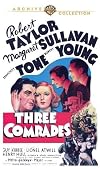
A romantic glow hangs over this beautiful picture like a San Francisco fog rolling across the Golden Gate Bridge. The story is based on the fine literary novel by Erich Maria Remarque, and was adapted to the screen by F. Scott Fitzgerald. Frank Borzage was the perfect choice as director for this story of three German WWI expatriates who have bonded for life and the tubercular waif they all love in varying ways. It has all the great romanticism Borzage was famous for bringing to his art, and show more this marvelous adaptation of Remarques masterpiece concluded his trilogy of otherworldly love intruded upon by war: Seventh Heaven, A Farewell to Arms, and Three Comrades. A sense of impending tragedy even during the happier scenes creates what one might call romantic noir, even though no crime has been committed.
Robert Taylor portrays Erich, the younger and more innocent of the three comrades. Robert Young is Gottfried, an idealist angry at the post-war rise of fascism. And Franchot Tone, in one of his finest roles, is Otto, the world-weary pragmatist. Their lives are changed forever when they meet up with fragile Margaret Sullavan, who gave the finest performance of her career as the sweet and courages Pat. Pat is dying of tuberculosis, but has just enough time left for Taylor to fall in love with her, and to touch the lives of his two friends.
Each of the comrades falls in love with her in other ways, the threesome becoming a foursome; a makeshift family trying to keep fate at bay just a little while longer. The luminous performance by Sullavan is one you will always remember. Director Frank Borzage creates a sense of doom underneath every light and happy moment the comrades share together, the romantic glow growing a little dimmer as destiny looms like a storm cloud just over the next hill.
You will rarely see a film so full of love, as Sullavan imparts to each of the comrades what they need, and in turn receives two friends who love and cherish her — and one who loves her even more. Tone gives his weary character considerable depth. Taylor's Erich is likable as the young brash member of friends, somewhat lost after the war is over and still a bit naive. Robert Young gives another solid performance as he captures the anger and restlessness of a world that has just come out of a war, yet finds itself moving in that direction again.
This was Remarque and Fitzgerald at their best, two great writers complementing each other. Director Frank Borzage brought a sensitivity and romanticism to his art few have ever matched. Margaret Sullavan gives the greatest performance of her career, her own life as fragile as Pat's, ending tragically years later. The final shot of Three Comrades is not one easily forgotten. Though elements of Remarque’s novel were softened due to the time period in which this film was made, it still resonates.
If you love the magic of film, and enjoy the romanticism only film can bring to our hearts, you’ll be moved by Three Comrades. An enduring masterwork. show less
Robert Taylor portrays Erich, the younger and more innocent of the three comrades. Robert Young is Gottfried, an idealist angry at the post-war rise of fascism. And Franchot Tone, in one of his finest roles, is Otto, the world-weary pragmatist. Their lives are changed forever when they meet up with fragile Margaret Sullavan, who gave the finest performance of her career as the sweet and courages Pat. Pat is dying of tuberculosis, but has just enough time left for Taylor to fall in love with her, and to touch the lives of his two friends.
Each of the comrades falls in love with her in other ways, the threesome becoming a foursome; a makeshift family trying to keep fate at bay just a little while longer. The luminous performance by Sullavan is one you will always remember. Director Frank Borzage creates a sense of doom underneath every light and happy moment the comrades share together, the romantic glow growing a little dimmer as destiny looms like a storm cloud just over the next hill.
You will rarely see a film so full of love, as Sullavan imparts to each of the comrades what they need, and in turn receives two friends who love and cherish her — and one who loves her even more. Tone gives his weary character considerable depth. Taylor's Erich is likable as the young brash member of friends, somewhat lost after the war is over and still a bit naive. Robert Young gives another solid performance as he captures the anger and restlessness of a world that has just come out of a war, yet finds itself moving in that direction again.
This was Remarque and Fitzgerald at their best, two great writers complementing each other. Director Frank Borzage brought a sensitivity and romanticism to his art few have ever matched. Margaret Sullavan gives the greatest performance of her career, her own life as fragile as Pat's, ending tragically years later. The final shot of Three Comrades is not one easily forgotten. Though elements of Remarque’s novel were softened due to the time period in which this film was made, it still resonates.
If you love the magic of film, and enjoy the romanticism only film can bring to our hearts, you’ll be moved by Three Comrades. An enduring masterwork. show less
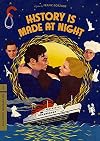
Though it is almost forgotten today, History is Made at Night is one of the most beautiful and romantic films ever to grace a movie screen. Not made by one of the major studios and released through United Artists in 1937, this gemstone has a fine screenplay from Gene Towne and Graham Baker, and some lovely words of dialog from Vincent Lawrence and David Hertz. A young and luminous Jean Arthur and the continental Charles Boyer utter those words in tremendously engaging performances. Director show more Frank Borzage, responsible for some of the loveliest films from both the silent and sound era, and perhaps the greatest romanticist the medium has ever produced, helms this one, charting a coarse to tender romance. It is a story of two people who try to cram a lifetime of memories into one night, and then one moment, when tragedy looms on the horizon in the form of an iceberg.
Jean Arthur is Irene Vail, the wife of a cold and unhappy shipping magnate who is holding on tight, his jealousy finally driving her to divorce. Colin Clive portrays her bitter and obsessed husband Bruce, who hatches a plan in Paris to catch her in a compromising position before the divorce decree can become final. But Bruce's plan goes awry and their history will never be the same. Charles Boyer is Paul Dumond, headwaiter at Chateau Bleu, and Leo Carillo is his very funny chef pal, Cesare. Paul charades as a jewel thief to rescue Irene and whisks her away in the moonlight in one of many great scenes in a film filled with memorable ones. Unaware Paul is only a waiter at Chateau Bleu, she and Paul spend a charming and poignant night falling in love. Carillo is warm and funny as Paul's pal for life who watches the silly American girl from Kansas discover a happiness she has never known. Seeking to protect Paul from a murder charge concocted by Bruce, Irene sacrifices her own happiness to keep Paul safe.
The friendship of Paul and Cesare adds a charming humor to the story. They scheme to open a restaurant in New York and hold a table for her, hoping Irene will show. But when she does, she is not alone. Genuine love overcomes misunderstanding regarding his lowly position in life but a dark cloud hangs over their happiness as an innocent man is set for a date with the gallows. Booking passage on her husband's newest ocean liner, the S.S. Irene, they head towards France to make things right. As the two lovers head towards their destiny, Bruce fumes to discover the French papers are sympathetic to Irene's sacrifice and Paul's gallantry and dangerously orders the captain to break the transatlantic record in a deep fog and cold water, bringing about a tragedy reminiscent of the Titanic's fate. Borzage stages both the tragedy and the desperate plight of the lovers with tension and emotion. To say more would ruin the film's ending. It is beautiful and poignant, like the film itself. Perhaps no other director of his time could have pulled all the elements of this story together so well.
Jean Arthur is wonderful as the woman clinging to a happiness she has never known and Boyer had one of his finest moments in American film portraying the affable and charming Paul. Borzage sets a very special mood for this touching story of a love that sails with no wind and a full moon. Not just a great romantic film, but one of the great films period, History is Made at Night is a forgotten film from a forgotten director, and both deserve to be remembered. All those who love romance will certainly never forget either once they see this most beautiful of films for the first time. show less
Jean Arthur is Irene Vail, the wife of a cold and unhappy shipping magnate who is holding on tight, his jealousy finally driving her to divorce. Colin Clive portrays her bitter and obsessed husband Bruce, who hatches a plan in Paris to catch her in a compromising position before the divorce decree can become final. But Bruce's plan goes awry and their history will never be the same. Charles Boyer is Paul Dumond, headwaiter at Chateau Bleu, and Leo Carillo is his very funny chef pal, Cesare. Paul charades as a jewel thief to rescue Irene and whisks her away in the moonlight in one of many great scenes in a film filled with memorable ones. Unaware Paul is only a waiter at Chateau Bleu, she and Paul spend a charming and poignant night falling in love. Carillo is warm and funny as Paul's pal for life who watches the silly American girl from Kansas discover a happiness she has never known. Seeking to protect Paul from a murder charge concocted by Bruce, Irene sacrifices her own happiness to keep Paul safe.
The friendship of Paul and Cesare adds a charming humor to the story. They scheme to open a restaurant in New York and hold a table for her, hoping Irene will show. But when she does, she is not alone. Genuine love overcomes misunderstanding regarding his lowly position in life but a dark cloud hangs over their happiness as an innocent man is set for a date with the gallows. Booking passage on her husband's newest ocean liner, the S.S. Irene, they head towards France to make things right. As the two lovers head towards their destiny, Bruce fumes to discover the French papers are sympathetic to Irene's sacrifice and Paul's gallantry and dangerously orders the captain to break the transatlantic record in a deep fog and cold water, bringing about a tragedy reminiscent of the Titanic's fate. Borzage stages both the tragedy and the desperate plight of the lovers with tension and emotion. To say more would ruin the film's ending. It is beautiful and poignant, like the film itself. Perhaps no other director of his time could have pulled all the elements of this story together so well.
Jean Arthur is wonderful as the woman clinging to a happiness she has never known and Boyer had one of his finest moments in American film portraying the affable and charming Paul. Borzage sets a very special mood for this touching story of a love that sails with no wind and a full moon. Not just a great romantic film, but one of the great films period, History is Made at Night is a forgotten film from a forgotten director, and both deserve to be remembered. All those who love romance will certainly never forget either once they see this most beautiful of films for the first time. show less

This endearing film from director Frank Borzage is filled with the warmth and charm of its star, Deanna Durbin. An original screenplay fashioned for Deanna by Samuel Hoffenstein and Beth Reinhardt and a glossy production from Universal really make this one of Deanna's best films. A great cast which includes Franchot Tone, Pat O'Brien, Akim Tamiroff and Elsa Janssen lend sparkling support to Deanna's joyous performance as Ann Carter.
Ann is on her way from Indiana to New York by train to live show more with her rich half-brother while she tries to become a broadway musical star. She wants to sing for composer Charles Gerard (Franchot Tone) and just misses her chance when she finds out he is on her train. When her half-brother Martin (Pat O'Brien) turns out to be only a butler, her hopes sink low until she discovers he is the butler in the swanky New York penthouse of you know who!
Martin plays the ponies more than he works but since his main job is keeping away girls who want to sing for Charles Gerard, he has his hands full. It gets even more complicated when Gerard mistakes Ann for the new maid and she is right under Gerard's nose and Martin's feet! Elsa Janssen is wonderful as the housekeeper Severena, who takes a shine to the sweet Ann. She isn't the only one, however, taken with Ann's smile and effervescence.
Some very funny moments are given birth from Ann's effect on every butler in the building. They are all enamored of her and do everything they can to compete for her affections. Akim Tamiroff is foremost of these as Martin's Russian pal Popoff. Ann of course, begins to fall for her boss Gerard who is about to dump his latest work and run off to Maine with his society girlfriend Elizabeth Campbell (Evelyn Ankers).
Tone is excellent as the wealthy but down to earth Gerard and Deanna simply glows in fashions by Adrian. A walk home holding hands and a kiss goodnight are filled with romance and magic, as is this film. There are, of course, some wonderful musical interludes, including "Nessun Dorma" from Puccini's "Turnadot" and the beautiful "In the Spirit of the Moment."
An only in the movies mix-up, Ann’s brother feeling threatened by his sister’s effect on everyone, including his boss, and his doubt concerning Gerard’s true intentions, bring about plans for Maine that might fall through if true love prevails.
A terrific cast and Durbin’s magic make this sweet fable of "the day before yesterday" as it calls itself is a must for Deanna's fans and a fine film in its own right. A real gem from the last rose of summer, Deanna Durbin. show less
Ann is on her way from Indiana to New York by train to live show more with her rich half-brother while she tries to become a broadway musical star. She wants to sing for composer Charles Gerard (Franchot Tone) and just misses her chance when she finds out he is on her train. When her half-brother Martin (Pat O'Brien) turns out to be only a butler, her hopes sink low until she discovers he is the butler in the swanky New York penthouse of you know who!
Martin plays the ponies more than he works but since his main job is keeping away girls who want to sing for Charles Gerard, he has his hands full. It gets even more complicated when Gerard mistakes Ann for the new maid and she is right under Gerard's nose and Martin's feet! Elsa Janssen is wonderful as the housekeeper Severena, who takes a shine to the sweet Ann. She isn't the only one, however, taken with Ann's smile and effervescence.
Some very funny moments are given birth from Ann's effect on every butler in the building. They are all enamored of her and do everything they can to compete for her affections. Akim Tamiroff is foremost of these as Martin's Russian pal Popoff. Ann of course, begins to fall for her boss Gerard who is about to dump his latest work and run off to Maine with his society girlfriend Elizabeth Campbell (Evelyn Ankers).
Tone is excellent as the wealthy but down to earth Gerard and Deanna simply glows in fashions by Adrian. A walk home holding hands and a kiss goodnight are filled with romance and magic, as is this film. There are, of course, some wonderful musical interludes, including "Nessun Dorma" from Puccini's "Turnadot" and the beautiful "In the Spirit of the Moment."
An only in the movies mix-up, Ann’s brother feeling threatened by his sister’s effect on everyone, including his boss, and his doubt concerning Gerard’s true intentions, bring about plans for Maine that might fall through if true love prevails.
A terrific cast and Durbin’s magic make this sweet fable of "the day before yesterday" as it calls itself is a must for Deanna's fans and a fine film in its own right. A real gem from the last rose of summer, Deanna Durbin. show less
You May Also Like


Associated Authors
Statistics
- Works
- 49
- Also by
- 2
- Members
- 390
- Popularity
- #62,075
- Rating
- 3.5
- Reviews
- 20
- ISBNs
- 35
- Languages
- 1