
Lori Wilde
Author of The Cowboy Takes a Bride
About the Author
Disambiguation Notice:
Laurie Blalock Moeller Vanzura writes as Laura Anthony and Lori Wilde.
Series
Works by Lori Wilde
The Cowboy Cookie Challenge: A Twilight, Texas Novel (Twilight, Texas, 13) (2022) 29 copies, 3 reviews
The Most Important Lesson: What My Mother Taught Me That Will Change Alzheimer's and Dementia Care Forever (2013) 6 copies
Our Extraordinary Summer: A Heartfelt Tale of Sisterhood, Secrets, and Second Chances on a Magical Island (Hobby Island, 2) (2026) 4 copies, 1 review
Mr. Temptation: A Steamy, Standalone Romantic Suspense (One Scorching Summer Book 1) (2023) 3 copies
The Wedding Veil Unveiled [2022 TV movie] — Author — 1 copy
The Wedding Veil Legacy [2022 TV movie] — Author — 1 copy
Suave 1 copy
Long Tall Texan 1 copy
Associated Works
Tagged
Common Knowledge
- Legal name
- Blalock Moeller Vanzura, Laurie
- Other names
- Anthony, Laura
Wilde, Lori - Birthdate
- 1958
- Gender
- female
- Education
- Texas Christian University
- Short biography
- Laurie Blalock was born on 1958 in Texas, USA. She started writing at age eight. She credits her father, Fred Blalock, as the guiding force behind her career. She can't remember a time when she didn't want to write. She even went to nursing school so she could have a schedule flexible enough to allow her to write on the side. She nursed for 20 years, working in a variety of settings from the newborn nursery to the recovery room, to dialysis. But she never lost her desire to write. She sold her first book in 1994 as Laura Anthony, but later discovered she had a flair for comedy and branched out under the pseudonym Lori Wilde. She has achieved a lifelong dream and now pursues writing fiction full-time.
First married with Anthony Moeller, now she is married with Bill Vanzura, her own real-life hero. She continued living in her native Texas, with a red heeler/Australian shepherd dog, Cinnamon, and four ducks, Quacker, Big Guy, Affleck, and Sheepidy. She is an adventuresome, she traveled Europe as a teenager, hiked volcanoes in Hawaii, trod on glaciers in Alaska, shot white-water rapids, water-skied, snow-skied, raced all-terrain vehicles, bodysurfed in the Gulf of Mexico, and photographed grizzly bears in Yellowstone. She's taken flying lessons, rode in a hot-air balloon, completed two marathons, and performed with a professional jazz band.
You can visit her web site: www.loriwilde.com or write to her at loriwilde@yahoo.com - Nationality
- USA
- Birthplace
- Texas, USA
- Places of residence
- Weatherford, Texas, USA
- Disambiguation notice
- Laurie Blalock Moeller Vanzura writes as Laura Anthony and Lori Wilde.
- Associated Place (for map)
- Texas, USA
Members
Reviews
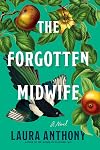
Laura Anthony’s harrowing and heartrending novel, The Forgotten Midwife tackles the shameful history of the Magdalene laundries, facilities that operated in Ireland under the auspices of the Catholic Church for over a century. The story is narrated in two threads. In the contemporary timeline, set in New Jersey, Riley Carmichael is betrothed to Sam. Riley, keen to join Sam’s large, bustling family, regrets that her own family consists of just her and her grandmother, who has show more Alzheimer’s and resides in a care home. One day, in a rare moment of lucidity, Riley’s grandmother gives her a shoebox containing old documents that Riley didn’t know of, documents that link Riley’s mother, who was adopted and is now deceased, to Irish roots. This new knowledge propels Riley and Sam to Ireland in search of Riley’s Irish family. The historical timeline, beginning in 1956, centres on Margaret Lannigan of Tipperary. 20-year-old Margaret, a fun-loving, carefree spirit, dreams of the day she will marry her fiancé, Joseph Maloney. But it is not to be. When Margaret’s older sister, Sheila, dies suddenly, Margaret finds herself the focus of unwanted attention. It has been tradition in the Lannigan family for the eldest daughter to take vows and join a local order of nuns called the Sisters of Penance. With Sheila’s death, this obligation falls to Margaret, who, much to her chagrin, is given no choice in the matter. Despite her protests, and without delay, Margaret is whisked off to Ballyvale Convent by the domineering Father Michaels. Life at the convent is a quiet one of discipline and solitude. Margaret misses her family and Joseph, but over several years slowly adapts to the new life that has been forced upon her. However, she is unable to quell her rebellious nature, questioning everything and always looking for ways to circumvent the rules. She is especially curious about the well-dressed couples that arrive at the convent from time to time and, after meeting with Father Michaels, leave with big smiles and a newborn baby. The building across the road is also a subject of fascination for Margaret. It appears to her untutored eye as a second convent, though she’s been told it’s a laundry. Then, after an act of insubordination results in her being pegged as an unrepentant troublemaker by the mother superior and Father Michaels, she is transferred from the convent proper to the laundry, where she is forced without training into the role of midwife to the “fallen” girls who have been sent there by their families to await the birth of their babies behind closed doors. This is where Margaret’s story, and Anthony’s novel, takes off. Ever the rebel, horrified by the misery she witnesses, Margaret does everything she can to alleviate the suffering of the girls, who labour ceaselessly in sweatshop conditions under the watchful eye of the unfeeling Matron whose cruelty seems to know no bounds, but whose behaviour is excused and encouraged by Father Michaels. At great risk to herself, Margaret disregards the rules yet again and connives with others at the laundry to ease the burden on the girls and save them where possible. Margaret’s haunting tale of strength and defiance against enormous odds elicits a visceral response and, midway through, makes the book something of a page-turner. By contrast, the half-dozen or so chapters devoted to Riley’s search for her roots are less compelling, included (one suspects) only to serve as a structural bridge into Margaret’s story. But this is a minor caveat. The Forgotten Midwife provides a vividly dramatic account of righteous and principled resistance to corrupt authority, and in Margaret Lannigan, the author has created a strikingly full-blooded, engagingly imperfect protagonist. Also, and to her credit, Laura Anthony does not shy away from the horrific details that make the Magdalene laundries one of the more shameful and sordid episodes in the checkered history of the Catholic Church. show less

As an older sister myself, I have a soft spot for stories about sisters. My own relationship with my sister has changed in ways big and small over the years, evolving from the days I declared to my mother that she was my baby, not my mom's, to being irritated with her always wanting to tag along with me, to being friends. We are quite different as adults but we will always have a bond and despite occasional frustrations (probably on both our parts), there's no one I'd rather be stuck with as show more a sister. So when I saw the premise of Lori Wilde's new book, The Moonglow Sisters, I was quite excited to read it. Unfortunately it didn't quite live up to what I'd hoped.
The three Clark sisters were once as close as sisters could be. Orphaned young and sent to live with the grandmother they had no idea existed in Moonglow Cove, Texas, the golden haired girls were nicknamed the Moonglow Sisters. Madison, the oldest, was always organized and in charge, carefully controlled, caring for her younger sisters as if she was another parent. Middle sister Shelley looked just like their late mother but was the impetuous, wild, and carefree rebel of the family. Little sister Gia was the peacemaker, bridging the gap between her two wildly different sisters, wanting only for everyone to get along and be happy, the consummate people pleaser. But after "The Incident with Raoul", the sisters' relationship was broken. Maddie fled to New York, launched a very successful lifestyle TV show and became famous. Shelley escaped to Costa Rica and hadn't been home since. Gia went to college and then to Japan to study under a famous kitemaker, before coming back to Moonglow Cove and the beach to try and make a go of it with her kite business. When their dear Grammy is diagnosed with a glioblastoma and must have brain surgery, she instructs her best friend, Darynda not to tell Gia until the surgery is underway. At the same time, Gia will read the letter that Grammy has written, asking her to finish the quilt they'd all left unfinished so long ago. But she must call her sisters home to help her finish it. The question is whether the three women, still nursing their hurts, can get past what happened 5 years ago with Raoul, can share their secrets, and unravel the misunderstandings that tore them apart even as each sister faces her own role in their rift, learns truths about herself, and changes in order to move on.
Opening with Grammy penning the letter to the sisters before her surgery, the sisters are described as very different but each a vital part of one complete kite. In one sense this makes sense in that the letter is written to Gia, the kitemaker, but since the rest of the story uses quilt imagery, this seems a bit of an incongruous analogy, especially as Grammy herself is a quilter. In the letter she exhorts Gia to "repair the riff" between the sisters. And while using the word riff instead of rift could be a dialect thing, there are no other instances of dialect terms. And it's hard for me to get past an obvious mistake like that right off the bat. The three sisters are drawn as very different in personality and they stay strictly true to those depictions throughout the novel. They each guard their secrets carefully even if sharing them could have made life far easier very quickly. As the sisters and the town come together to help save the Moonglow Inn (and just why the town is so invested in the sisters is unclear other than they were once close to each other), they will have to reveal themselves, laid open and honest. All three of the women learn their life lesson at almost exactly the same time, leading to three major climaxes all at once. Gia's pretend engagement to next door neighbor Mike, undertaken as the way to keep the sisters together to work on the quilt, is the romance thread of the plot and it can't decide if this is a romance or a women's fiction novel. Whatever it is, it has one of the strangest sex scenes I've ever read (unnecessary as well). The deus ex machina moment with Raoul returning, forcing the sisters to finally have it out over "The Incident with Raoul" comes completely out of the blue and the epilogue is awkward and too much, too tidy. The novel tries to tackle a lot of issues: perfectionism, family, cheating, miscarriage, cults, sex addiction, cancer, homosexuality, intolerance, being orphaned, healing, and communication with varying degrees of success. The biggest reveal of the novel was completely obvious from the beginning, so it just petered out. The novel felt muddled to me and I'm still not sure whether I want to be team quilts or team kites. A quick, uncomplicated read, it needed tightening and focus. Others really like this a lot though so if you're looking for a light, easy beach read, maybe this one will be for you. show less
The three Clark sisters were once as close as sisters could be. Orphaned young and sent to live with the grandmother they had no idea existed in Moonglow Cove, Texas, the golden haired girls were nicknamed the Moonglow Sisters. Madison, the oldest, was always organized and in charge, carefully controlled, caring for her younger sisters as if she was another parent. Middle sister Shelley looked just like their late mother but was the impetuous, wild, and carefree rebel of the family. Little sister Gia was the peacemaker, bridging the gap between her two wildly different sisters, wanting only for everyone to get along and be happy, the consummate people pleaser. But after "The Incident with Raoul", the sisters' relationship was broken. Maddie fled to New York, launched a very successful lifestyle TV show and became famous. Shelley escaped to Costa Rica and hadn't been home since. Gia went to college and then to Japan to study under a famous kitemaker, before coming back to Moonglow Cove and the beach to try and make a go of it with her kite business. When their dear Grammy is diagnosed with a glioblastoma and must have brain surgery, she instructs her best friend, Darynda not to tell Gia until the surgery is underway. At the same time, Gia will read the letter that Grammy has written, asking her to finish the quilt they'd all left unfinished so long ago. But she must call her sisters home to help her finish it. The question is whether the three women, still nursing their hurts, can get past what happened 5 years ago with Raoul, can share their secrets, and unravel the misunderstandings that tore them apart even as each sister faces her own role in their rift, learns truths about herself, and changes in order to move on.
Opening with Grammy penning the letter to the sisters before her surgery, the sisters are described as very different but each a vital part of one complete kite. In one sense this makes sense in that the letter is written to Gia, the kitemaker, but since the rest of the story uses quilt imagery, this seems a bit of an incongruous analogy, especially as Grammy herself is a quilter. In the letter she exhorts Gia to "repair the riff" between the sisters. And while using the word riff instead of rift could be a dialect thing, there are no other instances of dialect terms. And it's hard for me to get past an obvious mistake like that right off the bat. The three sisters are drawn as very different in personality and they stay strictly true to those depictions throughout the novel. They each guard their secrets carefully even if sharing them could have made life far easier very quickly. As the sisters and the town come together to help save the Moonglow Inn (and just why the town is so invested in the sisters is unclear other than they were once close to each other), they will have to reveal themselves, laid open and honest. All three of the women learn their life lesson at almost exactly the same time, leading to three major climaxes all at once. Gia's pretend engagement to next door neighbor Mike, undertaken as the way to keep the sisters together to work on the quilt, is the romance thread of the plot and it can't decide if this is a romance or a women's fiction novel. Whatever it is, it has one of the strangest sex scenes I've ever read (unnecessary as well). The deus ex machina moment with Raoul returning, forcing the sisters to finally have it out over "The Incident with Raoul" comes completely out of the blue and the epilogue is awkward and too much, too tidy. The novel tries to tackle a lot of issues: perfectionism, family, cheating, miscarriage, cults, sex addiction, cancer, homosexuality, intolerance, being orphaned, healing, and communication with varying degrees of success. The biggest reveal of the novel was completely obvious from the beginning, so it just petered out. The novel felt muddled to me and I'm still not sure whether I want to be team quilts or team kites. A quick, uncomplicated read, it needed tightening and focus. Others really like this a lot though so if you're looking for a light, easy beach read, maybe this one will be for you. show less

This dual time line story looks at women's lives in 1968 and 2023. In the current time line, Saorise has walked out on her boyfriend after a fight. He is pushing her to start a family and she just isn't sure if she wants to even have children. She wanders to the train station and gets on a train to return a picture that a woman had dropped. Much to her dismay, she doesn't get off the train before it leaves for Belfast. So she sits down and begins to have a conversation with Maura who tells show more her about life in Ireland in the 1960s.
Maura fell in love and married a doctor. Her parents were thrilled that she had married well and could quit her job and become a wife and mother. Maura and Christy move into a large house and make plans to start a family immediately. After several miscarriages, it begins to look like there will be no baby in their future. Maura begins to think that not having a child is a good thing. Her husband is abusive and the abuse has continued to escalate. How could she protect a baby from his abuse? One day she's out for a walk and meets Bernie. Bernie and her husband and three young children live at the opposite end of the economic scale but she and Maura become good friends. When Bernie's current pregnancy ends tragically, the doctor tells them that she should not get pregnant again which causes major disruptions to their married life. The two women begin to work with a group that wants to bring contraceptives to Ireland from Belfast where it is legal. They are in danger of being arrested but they both feel strongly that women should be allowed to choose the size of their families. Will their attempt help or get them both jailed?
This story is based on a real event in Dublin in the 1960s that started to change the laws in Ireland. It took until 1985 to get the laws changed but it was a huge step for Irish women. I really enjoyed learning about the work of the women who were dedicated to changing the laws. The main characters were well written and well developed. We don't learn too much about Saorise and her life but the two friends from the 1960s are fantastic. Their friendship despite their economic level is wonderful. Also their bravery and tenacity in working to make a change for women is a reminder for all women of how far we've come and, unfortunately, how far we still have to go. show less
Maura fell in love and married a doctor. Her parents were thrilled that she had married well and could quit her job and become a wife and mother. Maura and Christy move into a large house and make plans to start a family immediately. After several miscarriages, it begins to look like there will be no baby in their future. Maura begins to think that not having a child is a good thing. Her husband is abusive and the abuse has continued to escalate. How could she protect a baby from his abuse? One day she's out for a walk and meets Bernie. Bernie and her husband and three young children live at the opposite end of the economic scale but she and Maura become good friends. When Bernie's current pregnancy ends tragically, the doctor tells them that she should not get pregnant again which causes major disruptions to their married life. The two women begin to work with a group that wants to bring contraceptives to Ireland from Belfast where it is legal. They are in danger of being arrested but they both feel strongly that women should be allowed to choose the size of their families. Will their attempt help or get them both jailed?
This story is based on a real event in Dublin in the 1960s that started to change the laws in Ireland. It took until 1985 to get the laws changed but it was a huge step for Irish women. I really enjoyed learning about the work of the women who were dedicated to changing the laws. The main characters were well written and well developed. We don't learn too much about Saorise and her life but the two friends from the 1960s are fantastic. Their friendship despite their economic level is wonderful. Also their bravery and tenacity in working to make a change for women is a reminder for all women of how far we've come and, unfortunately, how far we still have to go. show less

I love stories about military/former military characters and this was just as good as I had expected. Gideon and Caitlyn had been high school sweethearts. She was the daughter of the local judge and he was the bad boy from the wrong side of town, but that didn't matter to them. When Gideon ends up in trouble with the law, he's given the choice of jail or the military. He left town, not knowing that Caitlyn was pregnant, and her father arranged things so that Caitlyn was told that Gideon was show more killed in action. She married another man who gave her and her son a place until he died. Now she's raising her son alone and trying to get her life back together.
I really liked Gideon. He had had a rough start in life. His father never acknowledged his existence, so he and his mother had been very poor as he was growing up. He didn't find out his father's identity until his mother died, and his confrontation with dad didn't go well. The only thing that had made his life bearable was his relationship with Caitlyn. That ended when he was forced into the military. He tried writing to her, but the letters came back marked refused. Feeling hurt and betrayed, he tried to forget her and concentrated on his career. After losing part of his arm in the war, he started working as security and a translator, until called back home by the death of his father. During his first encounter with Caitlyn he discovers that she thought he was dead and they'd been kept apart by her father. He also finds out that he is the father of her son. He goes from planning to leave town as soon as possible, to deciding to stay to be close to Caitlyn and Danny. Gideon has a lot of things working against his desire to get closer to Caitlyn and Danny. He feels that his disability makes it impossible for anyone to really care for him. He also feels that the things he had to do during the war have created a darkness in him that makes him unworthy of Caitlyn's love. I liked the way that he planned to stay and try to be a father to Danny. He also realized that his feelings for Caitlyn had never gone away and were only getting stronger. His issues had made him withdraw into himself, but being around Caitlyn was bringing him back to life, but he still worried about his past causing her harm. One of the things I liked best about him was that he was finally able to accept the help that was offered by other veterans. It was so hard for him to do, but he did it because of his love for Caitlyn and Danny.
Caitlyn had also been through a lot. Her father's overprotectiveness and then his fury at her pregnancy had driven a wedge between them. After finding out that Gideon was dead, she accepted the proposal of a man who promised he would care for her and treat her baby like his own. They had a satisfactory life together until he died. At that point she had to develop a lot more independence. She is shocked by Gideon's return and doesn't know how to tell him about his son. She also realizes that the old feelings are still there, but she is wary about following through on them. She can see that he is very different from the boy she used to know and doesn't want to risk her heart or her son's happiness. I loved seeing her get to know the new Gideon. She was able to break through some of his walls and show him that she accepted him just the way he was. It was still a hard road to overcome her own fears and then to help Gideon face his.
I really liked the attention paid to Gideon and his issues. He wasn't portrayed as a victim, but simply as a man trying to reacquaint himself with normal life. We get a good look at what has changed him from the boy Caitlyn used to know into the man he is today. I liked seeing the support he got from the other people in town. I also liked the way that fellow veterans let him know they were available to help but didn't try to force themselves on him.
I really enjoyed the gardening aspect of the story. The meanings of the flowers at the beginning of each chapter, and the way they related to the chapter itself was beautiful. The victory garden contest was great. I loved their idea of what they wanted and the reasoning behind their choice. The twist at the end was fantastic. show less
I really liked Gideon. He had had a rough start in life. His father never acknowledged his existence, so he and his mother had been very poor as he was growing up. He didn't find out his father's identity until his mother died, and his confrontation with dad didn't go well. The only thing that had made his life bearable was his relationship with Caitlyn. That ended when he was forced into the military. He tried writing to her, but the letters came back marked refused. Feeling hurt and betrayed, he tried to forget her and concentrated on his career. After losing part of his arm in the war, he started working as security and a translator, until called back home by the death of his father. During his first encounter with Caitlyn he discovers that she thought he was dead and they'd been kept apart by her father. He also finds out that he is the father of her son. He goes from planning to leave town as soon as possible, to deciding to stay to be close to Caitlyn and Danny. Gideon has a lot of things working against his desire to get closer to Caitlyn and Danny. He feels that his disability makes it impossible for anyone to really care for him. He also feels that the things he had to do during the war have created a darkness in him that makes him unworthy of Caitlyn's love. I liked the way that he planned to stay and try to be a father to Danny. He also realized that his feelings for Caitlyn had never gone away and were only getting stronger. His issues had made him withdraw into himself, but being around Caitlyn was bringing him back to life, but he still worried about his past causing her harm. One of the things I liked best about him was that he was finally able to accept the help that was offered by other veterans. It was so hard for him to do, but he did it because of his love for Caitlyn and Danny.
Caitlyn had also been through a lot. Her father's overprotectiveness and then his fury at her pregnancy had driven a wedge between them. After finding out that Gideon was dead, she accepted the proposal of a man who promised he would care for her and treat her baby like his own. They had a satisfactory life together until he died. At that point she had to develop a lot more independence. She is shocked by Gideon's return and doesn't know how to tell him about his son. She also realizes that the old feelings are still there, but she is wary about following through on them. She can see that he is very different from the boy she used to know and doesn't want to risk her heart or her son's happiness. I loved seeing her get to know the new Gideon. She was able to break through some of his walls and show him that she accepted him just the way he was. It was still a hard road to overcome her own fears and then to help Gideon face his.
I really liked the attention paid to Gideon and his issues. He wasn't portrayed as a victim, but simply as a man trying to reacquaint himself with normal life. We get a good look at what has changed him from the boy Caitlyn used to know into the man he is today. I liked seeing the support he got from the other people in town. I also liked the way that fellow veterans let him know they were available to help but didn't try to force themselves on him.
I really enjoyed the gardening aspect of the story. The meanings of the flowers at the beginning of each chapter, and the way they related to the chapter itself was beautiful. The victory garden contest was great. I loved their idea of what they wanted and the reasoning behind their choice. The twist at the end was fantastic. show less
Lists
Awards


You May Also Like


Associated Authors
Statistics
- Works
- 203
- Also by
- 5
- Members
- 5,465
- Popularity
- #4,555
- Rating
- 3.6
- Reviews
- 251
- ISBNs
- 632
- Languages
- 8
- Favorited
- 5