
Karen R. Brooks
Author of The Good Wife of Bath
About the Author
Works by Karen R. Brooks
The Escapades of Tribulation Johnson 4 copies
Through the looking glass : terrestrial and psychological oppositions in the expatriate condition in Shirley Hazzard's (1998) 1 copy
‘More Than a Game: The Footy Show, Fandom and the Construction of Football Celebrities’, Football Studies, vol. 3, no. 1, 2000, pp. 27-48. 1 copy, 1 review
The Lady Brewer of London 1 copy
Tagged
Common Knowledge
- Gender
- female
- Education
- Wollongong University (PhD|1997)
La Trobe University (BA) - Nationality
- Australia
- Birthplace
- Sydney, New South Wales, Australia
- Places of residence
- Hobart, Tasmania, Australia
- Associated Place (for map)
- Australia
Members
Reviews
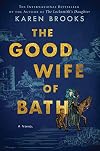
The Good Wife of Bath is a modern retelling of a story in Chaucer's Canterbury Tales. I have never read The Canterbury Tales before so the plotline for the modern story was new to me. Taking place in the latter half of the fourteenth century, Eleanor Cornfed's life with her 5 husbands is portrayed. At the age of 12 she is caught in bed with a priest and married off a week later to a sheep farmer fifty years her senior. Fulk Bigod is well known in the community, well known for outliving 4 show more previous wives and for being dirty. The community loves nothing more than to tell stories about him. Eleanor is despondent but reflects on her father's past advice to make something out of nothing. With a head for business and a surprisingly kind husband, Eleanor manages to turn her first marriage into a success. She begins to rise through society to a woman of fortune who becomes a trusted friend of the poet Geoffrey Chaucer. More marriages follow. Some of them were happy while others were not. In between each marriage, Eleanor goes on a religious pilgrimage. Through her travels she determines what mistakes she made in her marriages but always returns home to repeat those mistakes. All along, though, she pines for control over her life.
This book was a breeze to read. I loved it and read half of its 560 pages in one sitting. I finished it in the next sitting. Eleanor is an amazing character who didn't give up on marriage until the fifth one ended. Her flaws only bring suspense to the story. I kept wondering whether Eleanor would do as she knew in her heart to do rather than succumb to her fickle nature. She should never have married again. When Fulk died, she was a well off business woman and didn't need another man. However, she thought that she needed them because society told her so. It only goes to show how few choices women had in those times. It was funny that when she arrived at her new home with Fulk, all she could see and smell was shit. It was everywhere. The house and fields were filled with it. I was surprised that she decided fairly quickly that she needed to gain her step-daughter's acceptance and began cleaning that house. Eleanor did not have to clean anything in Noke Manor where she grew up. Her family had staff so these decisions were pretty grown up for a twelve year old.
The novel is a fun romp through Eleanor's life. Romp is the correct word here as Eleanor could never get enough sex. In fact, it was her downfall. The Good Wife of Bath is must reading for historical fiction fans. 5 out of 5 stars. show less
This book was a breeze to read. I loved it and read half of its 560 pages in one sitting. I finished it in the next sitting. Eleanor is an amazing character who didn't give up on marriage until the fifth one ended. Her flaws only bring suspense to the story. I kept wondering whether Eleanor would do as she knew in her heart to do rather than succumb to her fickle nature. She should never have married again. When Fulk died, she was a well off business woman and didn't need another man. However, she thought that she needed them because society told her so. It only goes to show how few choices women had in those times. It was funny that when she arrived at her new home with Fulk, all she could see and smell was shit. It was everywhere. The house and fields were filled with it. I was surprised that she decided fairly quickly that she needed to gain her step-daughter's acceptance and began cleaning that house. Eleanor did not have to clean anything in Noke Manor where she grew up. Her family had staff so these decisions were pretty grown up for a twelve year old.
The novel is a fun romp through Eleanor's life. Romp is the correct word here as Eleanor could never get enough sex. In fact, it was her downfall. The Good Wife of Bath is must reading for historical fiction fans. 5 out of 5 stars. show less
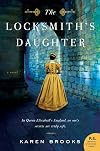
The Locksmith’s Daughter by Karen Brooks is a 2018 William Morrow publication.
A skillfully crafted novel of historical fiction-
Mallory Bright’s unorthodox upbringing paves the way for her in unexpected ways when she makes a grave error in judgement and finds her reputation in ruins.
As the daughter of a locksmith, Mallory was taught the trade by her father, much to her mother’s intense dismay. But Mallory would never have guessed that her talents would lead her to the queen’s show more personal spymaster or that she’d become his protégé and most valued asset.
This Elizabethan historical drama is chock full of intrigue, vivid, authentic settings and details, heartbreak, and heart pounding suspense, with an unconventional love story capping it off.
This book was much more than I anticipated. The acute religious strife regarding Catholics and Protestants is at the center of the story. Sir Francis Walsingham – a true historical figure- is obsessed with maintaining protestant power over Catholicism. To that end, his training and directives to Mallory were to flush out Catholic spies. Mallory is a much better student than her master could have hoped for. But when she witnesses the results of her handiwork, her heart and mind are conflicted.
“I saw no traitors plotting to bring down a queen, only desperate people; people whose world was in disarray and who felt threatened. Who prayed to the same God, only differently. Did this make what they were doing illegal?”
To complicate matters, Mallory learns some shocking revelations about her own past and struggles to tolerate Nathaniel- an obnoxious friend of a friend, who knows entirely too much about her work with Sir Francis, but who may well be the only person who can help her.
This period in history is so interesting. I never tire of reading novels set during the Elizabethan era. This story highlights the fevered religious paranoia towards Catholics. It was not entirely justified, but there were very serious and real dangers to the throne posed by Catholic spies. The book also touched on the impact the “Bartholomew's Day massacre” had on Sir Francis, which is what helped to fuel his prejudice against Catholics. There was a lot of tension, misinformation, and confusion regarding religion. The fear increased as more assassination attempts on Queen Elizabeth rose. Public executions, such as those described in this novel did indeed occur.
The author did an amazing job of recreating that tension and highlighting the moral dilemmas and atrocities that occurred in the name of religion and politics. The Locksmithing craft and the clever spy codes of the day is very interesting and fascinating. But, the characterizations in this novel are what sets it on a higher pedestal. Mallory is an outstanding personality. Her loyalty, her strength, talent and courage captured my imagination. She is quite the heroine. Nathaniel is truly nasty, in the beginning, but I grew to love him, and loved him even more for loving Mallory. Their love story is not at the center of the novel, but in many ways, it is at the heart of it – maybe even the soul of it. With so many villainous acts, so many selfish and manipulative plots afoot, with the danger at a fever pitch, their relationship lit the way to honor, bravery and hope.
This is a not only a stunning historical novel, but, a compelling story of the true meaning of love and family.
Note: This book was originally published back in 2016 by Harlequin MIRA. Some may have been given the impression this is a traditional historical romance, but it is not. It is pure Historical fiction- with a love story written into it. HF lovers will not want to miss this book!!
5 stars show less
A skillfully crafted novel of historical fiction-
Mallory Bright’s unorthodox upbringing paves the way for her in unexpected ways when she makes a grave error in judgement and finds her reputation in ruins.
As the daughter of a locksmith, Mallory was taught the trade by her father, much to her mother’s intense dismay. But Mallory would never have guessed that her talents would lead her to the queen’s show more personal spymaster or that she’d become his protégé and most valued asset.
This Elizabethan historical drama is chock full of intrigue, vivid, authentic settings and details, heartbreak, and heart pounding suspense, with an unconventional love story capping it off.
This book was much more than I anticipated. The acute religious strife regarding Catholics and Protestants is at the center of the story. Sir Francis Walsingham – a true historical figure- is obsessed with maintaining protestant power over Catholicism. To that end, his training and directives to Mallory were to flush out Catholic spies. Mallory is a much better student than her master could have hoped for. But when she witnesses the results of her handiwork, her heart and mind are conflicted.
“I saw no traitors plotting to bring down a queen, only desperate people; people whose world was in disarray and who felt threatened. Who prayed to the same God, only differently. Did this make what they were doing illegal?”
To complicate matters, Mallory learns some shocking revelations about her own past and struggles to tolerate Nathaniel- an obnoxious friend of a friend, who knows entirely too much about her work with Sir Francis, but who may well be the only person who can help her.
This period in history is so interesting. I never tire of reading novels set during the Elizabethan era. This story highlights the fevered religious paranoia towards Catholics. It was not entirely justified, but there were very serious and real dangers to the throne posed by Catholic spies. The book also touched on the impact the “Bartholomew's Day massacre” had on Sir Francis, which is what helped to fuel his prejudice against Catholics. There was a lot of tension, misinformation, and confusion regarding religion. The fear increased as more assassination attempts on Queen Elizabeth rose. Public executions, such as those described in this novel did indeed occur.
The author did an amazing job of recreating that tension and highlighting the moral dilemmas and atrocities that occurred in the name of religion and politics. The Locksmithing craft and the clever spy codes of the day is very interesting and fascinating. But, the characterizations in this novel are what sets it on a higher pedestal. Mallory is an outstanding personality. Her loyalty, her strength, talent and courage captured my imagination. She is quite the heroine. Nathaniel is truly nasty, in the beginning, but I grew to love him, and loved him even more for loving Mallory. Their love story is not at the center of the novel, but in many ways, it is at the heart of it – maybe even the soul of it. With so many villainous acts, so many selfish and manipulative plots afoot, with the danger at a fever pitch, their relationship lit the way to honor, bravery and hope.
This is a not only a stunning historical novel, but, a compelling story of the true meaning of love and family.
Note: This book was originally published back in 2016 by Harlequin MIRA. Some may have been given the impression this is a traditional historical romance, but it is not. It is pure Historical fiction- with a love story written into it. HF lovers will not want to miss this book!!
5 stars show less
Following a shame and scandal that took her away from her parents in London, Mallory Bright returns, hoping to hide herself as an assistant to her father, a locksmith. But it’s 1580, and according to the mores of Elizabethan England, locksmithing is no trade for a woman, nor should Mallory have received a scholar’s education, including ancient and modern languages.
However, her father’s old friend, Sir Francis Walsingham, the queen’s secretary, witnesses Mallory’s talent for picking show more locks, and he realizes what a weapon she’d be in his campaign against Catholic subversives. The previous years have seen a not-entirely-covert war against those whom, rightly or wrongly, Sir Francis and the crown see as plotters to subvert Protestantism in England and topple Elizabeth from her throne.
Walsingham has long fascinated novelists and historians, and no wonder; he may have been the first national spymaster in history. Here, I find Mallory’s connection to him contrived, and her background even less credible, while her scandalous past is nothing less than operatic. But if you can get past that, The Locksmith’s Daughter offers a few pleasures, chief of which is sixteenth-century London, which Brooks has in the palm of her hand. Whether it’s common attitudes, daily routine, the casual way the law treats human life, scenery, or details of dress, she puts you right there.
Mallory’s closest friend, Caleb, is an actor-playwright, always good for color and theme (artifice, romance, deception). The adventures that Mallory undertakes for Sir Francis are truly hair-raising, and none go as planned. Many people die as a result of his efforts, some quite horribly.
The serpentine plot forces Mallory to rethink everything she’s ever believed, and she’s never far from confrontation and recrimination, even if she sometimes narrowly escapes them — for now. There’s even a rakish, passionate peer, Lord Nathaniel Warham, Caleb’s patron, who takes a keen interest in Mallory and seems to see through her.
But despite these promising elements, to me, The Locksmith’s Daughter fails to deliver. Brooks’s style involves too much tell, not enough show. After doing such a marvelous job setting up crackling conflicts, she douses them with generic responses, whether sentences like, “Wonder and terror coursed down my spine,” or scads of rhetorical questions (“Did I make a mistake? What could I have done?”)
The author wants us to believe that Mallory, though an exceptional woman for her time, is still at least partly in thrall to common views of gender roles. Fair enough, but rhetorical questions don’t prove that; Mallory needs to show it, not just entertain it, and whenever she criticizes herself for stepping beyond her role or her station, I don’t believe her. This split between the world she dreams of and the one she lives in is a difficult point of character to convey, but it’s crucial. And though I know what Brooks is trying to say, Mallory’s words and thoughts in those moments seem handed to her rather than coming from within. It’s as though she were a member of Caleb’s acting troupe, speaking her lines.
The romance, too, feels a little forced. The reader knows right away that Lord Nathaniel has fallen for Mallory, and when this notion finally occurs to her, it’s obvious that the lady doth protest too much. She would be easier to believe if they quarreled more often about anything substantive, rather than who insulted whom, and there are plenty of contentious issues floating around, not least religious persecution.
Naturally, he rescues her at key moments, which disappoints this feminist reader, but it’s also the way he (and others) come to her aid, revealing that they knew a particular secret all along and have acted accordingly. It’s a shame that such an able storyteller should resort to melodrama, but perhaps she knows her audience and figures that skeptics like me aren’t part of it. show less
However, her father’s old friend, Sir Francis Walsingham, the queen’s secretary, witnesses Mallory’s talent for picking show more locks, and he realizes what a weapon she’d be in his campaign against Catholic subversives. The previous years have seen a not-entirely-covert war against those whom, rightly or wrongly, Sir Francis and the crown see as plotters to subvert Protestantism in England and topple Elizabeth from her throne.
Walsingham has long fascinated novelists and historians, and no wonder; he may have been the first national spymaster in history. Here, I find Mallory’s connection to him contrived, and her background even less credible, while her scandalous past is nothing less than operatic. But if you can get past that, The Locksmith’s Daughter offers a few pleasures, chief of which is sixteenth-century London, which Brooks has in the palm of her hand. Whether it’s common attitudes, daily routine, the casual way the law treats human life, scenery, or details of dress, she puts you right there.
Mallory’s closest friend, Caleb, is an actor-playwright, always good for color and theme (artifice, romance, deception). The adventures that Mallory undertakes for Sir Francis are truly hair-raising, and none go as planned. Many people die as a result of his efforts, some quite horribly.
The serpentine plot forces Mallory to rethink everything she’s ever believed, and she’s never far from confrontation and recrimination, even if she sometimes narrowly escapes them — for now. There’s even a rakish, passionate peer, Lord Nathaniel Warham, Caleb’s patron, who takes a keen interest in Mallory and seems to see through her.
But despite these promising elements, to me, The Locksmith’s Daughter fails to deliver. Brooks’s style involves too much tell, not enough show. After doing such a marvelous job setting up crackling conflicts, she douses them with generic responses, whether sentences like, “Wonder and terror coursed down my spine,” or scads of rhetorical questions (“Did I make a mistake? What could I have done?”)
The author wants us to believe that Mallory, though an exceptional woman for her time, is still at least partly in thrall to common views of gender roles. Fair enough, but rhetorical questions don’t prove that; Mallory needs to show it, not just entertain it, and whenever she criticizes herself for stepping beyond her role or her station, I don’t believe her. This split between the world she dreams of and the one she lives in is a difficult point of character to convey, but it’s crucial. And though I know what Brooks is trying to say, Mallory’s words and thoughts in those moments seem handed to her rather than coming from within. It’s as though she were a member of Caleb’s acting troupe, speaking her lines.
The romance, too, feels a little forced. The reader knows right away that Lord Nathaniel has fallen for Mallory, and when this notion finally occurs to her, it’s obvious that the lady doth protest too much. She would be easier to believe if they quarreled more often about anything substantive, rather than who insulted whom, and there are plenty of contentious issues floating around, not least religious persecution.
Naturally, he rescues her at key moments, which disappoints this feminist reader, but it’s also the way he (and others) come to her aid, revealing that they knew a particular secret all along and have acted accordingly. It’s a shame that such an able storyteller should resort to melodrama, but perhaps she knows her audience and figures that skeptics like me aren’t part of it. show less
Medieval Wife’s Tale! A pleasure!
How could I not want to pursue this title? I love Chaucer’s Canterbury Tales, and the Wife of Bath was a particular favorite. Dare I say a post modern look at the Wife? Probably not, but this raucous tale hits all the right notes, exploring the roles and expectations of and for women in the Middle Ages, and giving us an alternative story that fills in the “who” of the Wife of Bath. The Good Wife, Mistress Eleanor Cornfed is the protagonist. We see her show more story from her perspective, complete with five husbands. A keen wit keeps the novel moving along. Randomness and playfulness present opportunities.
I kept thinking about previous novels I’ve read where women at these times have similar struggles and stories. I remember well Brooks’ The Lady Brewer of London. If you liked that, you will also like this. Yes, this is bawdy and the language is earthy, but the Anglo Saxon language has always had short four letter words. The Anglo Saxons ate fish, the French Normans poisson. So different! And this follows through to other regularly used words that are frowned upon today. Brooks has once again given us a realistic slice of a medieval woman’s life—The Good Wife of Bath. Her Author’s Notes are definitely worth perusing.
To hear tell it’s the Poet who’s shielded Eleonor “from the consequences of my darker deeds by distracting those who would call me to account. For, while folk are titillated and shocked by his portrait, they don’t see me.” Now Eleanor declares, “it’s time for me to wrest my tale back and tell it in my own way.” And she does! A solid read that raised my eyebrows quite a few times. I enjoyed this immensely. Brooks has done justice for Eleanor.
A William Morrow & Custom House ARC via NetGalley
Please note: Quotes taken from an advanced reading copy maybe subject to change show less
How could I not want to pursue this title? I love Chaucer’s Canterbury Tales, and the Wife of Bath was a particular favorite. Dare I say a post modern look at the Wife? Probably not, but this raucous tale hits all the right notes, exploring the roles and expectations of and for women in the Middle Ages, and giving us an alternative story that fills in the “who” of the Wife of Bath. The Good Wife, Mistress Eleanor Cornfed is the protagonist. We see her show more story from her perspective, complete with five husbands. A keen wit keeps the novel moving along. Randomness and playfulness present opportunities.
I kept thinking about previous novels I’ve read where women at these times have similar struggles and stories. I remember well Brooks’ The Lady Brewer of London. If you liked that, you will also like this. Yes, this is bawdy and the language is earthy, but the Anglo Saxon language has always had short four letter words. The Anglo Saxons ate fish, the French Normans poisson. So different! And this follows through to other regularly used words that are frowned upon today. Brooks has once again given us a realistic slice of a medieval woman’s life—The Good Wife of Bath. Her Author’s Notes are definitely worth perusing.
To hear tell it’s the Poet who’s shielded Eleonor “from the consequences of my darker deeds by distracting those who would call me to account. For, while folk are titillated and shocked by his portrait, they don’t see me.” Now Eleanor declares, “it’s time for me to wrest my tale back and tell it in my own way.” And she does! A solid read that raised my eyebrows quite a few times. I enjoyed this immensely. Brooks has done justice for Eleanor.
A William Morrow & Custom House ARC via NetGalley
Please note: Quotes taken from an advanced reading copy maybe subject to change show less
Lists
Awards


You May Also Like


Statistics
- Works
- 21
- Members
- 1,102
- Popularity
- #23,318
- Rating
- 3.8
- Reviews
- 76
- ISBNs
- 116
