
C. K. Prahalad (1941–2010)
Author of The Fortune at the Bottom of the Pyramid: Eradicating Poverty Through Profits
About the Author
Works by C. K. Prahalad
The Fortune at the Bottom of the Pyramid: Eradicating Poverty Through Profits (2004) 652 copies, 6 reviews
The New Age of Innovation: Driving Cocreated Value Through Global Networks (2008) 128 copies, 2 reviews
Associated Works
Rethinking the Future: Rethinking Business, Principles, Competition, Control and Complexity, Leadership, Markets, and the World (1993) — Contributor — 122 copies
The Quest for Global Dominance: Transforming Global Presence into Global Competitive Advantage (2001) — Foreword — 37 copies
Harvard Business Review on Customer Relationship Management (2002) — Contributor, some editions — 31 copies, 1 review
Tagged
Common Knowledge
- Canonical name
- Prahalad, C. K.
- Legal name
- Prahalad, Coimbatore Krishnarao
- Birthdate
- 1941-08-08
- Date of death
- 2010-04-16
- Gender
- male
- Education
- University of Madras
Indian Institute of Management (Business Administration)
Harvard University (PhD - Business Administration) - Occupations
- professor
corporate strategist
engineer - Organizations
- University of Michigan
- Nationality
- India
- Birthplace
- Coimbatore, Tamil Nadu, India
- Places of residence
- Rancho Santa Fe, California, USA
- Place of death
- San Diego, California, USA
- Associated Place (for map)
- California, USA
Members
Reviews
The Fortune at the Bottom of the Pyramid: Eradicating Poverty Through Profits (Wharton School Publishing Paperbacks) by C. K. Prahalad
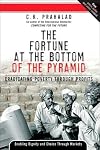
New Thinking; New Markets
Prahalad challenges readers to stop thinking of the poor as victims and a burden to society.
The University of Michigan business professor argues that if business leaders begin to think of them as resilient and creative entrepreneurs and value-conscious consumers, new opportunities will present themselves.
Four billion poor, he argues, can be the next engine for a growing round of worldwide trade and prosperity. This innovative to poverty will create opportunities for show more the poor by offering them choices and encouraging self-esteem.
Illustrating his message with a wealth of case studies, Prahalad demonstrates how this can be done profitably by:
• Challenging your assumptions about bottom of the pyramid markets.
• Unlocking what he calls the “poverty penalty.”
• Delivering dignity, enablement and choice rather than just products.
The author argues persuasively that with the private sector leading this change will result in real strides in job creation and services for the poor rather than rhetorical flourishes. show less
Prahalad challenges readers to stop thinking of the poor as victims and a burden to society.
The University of Michigan business professor argues that if business leaders begin to think of them as resilient and creative entrepreneurs and value-conscious consumers, new opportunities will present themselves.
Four billion poor, he argues, can be the next engine for a growing round of worldwide trade and prosperity. This innovative to poverty will create opportunities for show more the poor by offering them choices and encouraging self-esteem.
Illustrating his message with a wealth of case studies, Prahalad demonstrates how this can be done profitably by:
• Challenging your assumptions about bottom of the pyramid markets.
• Unlocking what he calls the “poverty penalty.”
• Delivering dignity, enablement and choice rather than just products.
The author argues persuasively that with the private sector leading this change will result in real strides in job creation and services for the poor rather than rhetorical flourishes. show less
This is a book to unlearn a few things and learn a lot of new concepts. If we keep the statistics aside, then it is a book that challenges its readers to see beyond the conventional logic. Read the complete review here https://wp.me/p6rxcY-3b.
Quick, upbeat, encouraging read. With enough of an overview section to start and thorough detailed section afterward for the business-minded. Great work!
How to think like an entrepreneurial non-profit. I have not see any other book re non-profit management & leadership that is this helpful to explore how to expand your current "business" and to create new and additional programs/services.
Lists
You May Also Like


Associated Authors
Statistics
- Works
- 15
- Also by
- 3
- Members
- 1,526
- Popularity
- #16,855
- Rating
- 3.7
- Reviews
- 14
- ISBNs
- 77
- Languages
- 9
- Favorited
- 3