
Angela Joy
Author of Black Is a Rainbow Color
About the Author
Image credit: From the author's website angelajoybooks.com
Works by Angela Joy
Choosing Brave: How Mamie Till-Mobley and Emmett Till Sparked the Civil Rights Movement (2022) 132 copies, 16 reviews
Tagged
Common Knowledge
- Gender
- female
- Birthplace
- Minneapolis, Minnesota, USA
- Associated Place (for map)
- Minnesota, USA
Members
Reviews
Choosing Brave: How Mamie Till-Mobley and Emmett Till Sparked the Civil Rights Movement (Caldecott Honor Book) by Angela Joy
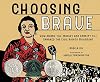
I knew absolutely nothing about Mrs. Till. This Caldecott book gives us a lot of information on her and on the modern Civil Rights movement. And on how far we have yet to go. An anti-lynching act was not passed until 2022, after 200 attempts; it is now a federal crime. But we are still killing people like Breonna Taylor and George Floyd Jr., as the final spread and back matter attest.
The text of this is an incredible (free-verse) poem, an ode to an extremely brave & determined woman. So show more graceful in its rhythm and patterns; lovely. I, personally, am not crazy about the art, but it does work well.
I highly recommend this book, but I advise adults to read it first, to make sure that the youngsters they are sharing it with will not be too shattered, and to prepare context for it with other books about African-American experiences in history and in the present. I think age 8 up would be ok, with support. show less
The text of this is an incredible (free-verse) poem, an ode to an extremely brave & determined woman. So show more graceful in its rhythm and patterns; lovely. I, personally, am not crazy about the art, but it does work well.
I highly recommend this book, but I advise adults to read it first, to make sure that the youngsters they are sharing it with will not be too shattered, and to prepare context for it with other books about African-American experiences in history and in the present. I think age 8 up would be ok, with support. show less
Choosing Brave: How Mamie Till-Mobley and Emmett Till Sparked the Civil Rights Movement by Angela Joy

This book tells the true story of Mamie Till-Mobley, the mother of Emmett Till, the 14-year-old African American boy who was brutally tortured and murdered in August, 1955, while visiting family in Mississippi.
Mamie was a single mom; her husband had gone into the army leaving Mamie a widow at the age of 23. Emmett contracted polio as a child and while he recovered, he developed a stutter. Mamie taught him to whistle to help him get the words out. As the author notes, “whistling calmed show more Emmett, steadied him, allowing him to finish what he started to say.” It may have been that whistling that cost him his life.
While in Mississippi, he was accused of offending Carolyn Bryant, a 21-year-old white woman, allegedly by whistling at her in her family’s grocery store. Whether he whistled at her, or whistled to help him talk, or whether he did anything at all, is in dispute to this day. What is not disputed is what happened next. As a PBS account of the incident reports, “In the Deep South—where the separation between blacks and whites was defined by law, [Carolyn’s husband] Roy and his half-brother J.W. Milam decided Emmett needed to be taught a lesson."
Several nights later, Roy and J.W., who were armed, went to Till's great-uncle's house and abducted Emmett. They took him away, beat and mutilated him, shot him in the head, and sunk his body in the Tallahatchie River. Three days later, the boy’s very mutilated and bloated body was discovered and retrieved from the river. His eyes had been gouged out and his penis was cut off. His body was weighted by a fan blade fastened round his neck with barbed wire. His face was unrecognizable but he was able to be identified by the silver ring he was wearing.
Emmett’s body was returned to Chicago, where Mamie insisted on a public funeral service with an open casket, so the world could see what was done to her son. She said: “Let the people see what I have seen. We have averted our eyes far too long. Everybody needs to know what happened to Emmett Till.” Tens of thousands attended his funeral or viewed his open casket, and images of his mutilated body were published in black-oriented magazines and newspapers.
In September, 1955, an all-white jury found Bryant and Milam not guilty. (PBS observes that when Bryant and Milam could not afford a legal defense, five local lawyers volunteered to represent them pro bono.) Protected against double jeopardy, the two men publicly admitted in a 1956 interview with Look magazine that they had tortured and murdered the boy. No one ever went to jail for Emmett’s murder.
This book for children does dwell on gory details although it does state unequivocally that Emmett was murdered and that his body was “bruised, scarred, swollen.” Primarily, however, it focuses on the quest of Emmett’s mother to find justice for him as well as other African American victims of race violence.
Paper-cut illustrations by Janelle Washington seem like the perfect choice for this book. They too are not gory or detailed but expressive nevertheless and suggestive of what happened.
At the end of the story of Emmett, the author and illustrator have created a memorial panel to other young African American victims of race-hatred inspired violence, much of which was perpetrated by police in recent years. Back matter also includes an Author’s Note, Illustrator’s Note, a suggested soundtrack, glossary, time line, and sources.]
Discussion: Mamie spent years teaching about the failure of the justice system for African Americans and about other murders of Blacks that have never been resolved. After years of lobbying by Mamie and others, the Emmett Till Antilynching Act, which makes lynching a federal hate crime, was signed into law on March 29, 2022 by President Joe Biden. Decades of lawmakers’ systematic and shameful opposition to such a law had blocked more than 200 earlier attempts at similar bills.
As just two recent examples of how this new law would make a difference, vox.com points out that the three men convicted in 2021 of murdering Ahmaud Arbery could have been charged with lynching if the law were in effect. On top of the state-level charges that they were convicted of — among them malice murder, felony murder, and false imprisonment — their crime could have been tried as a ‘lynching’ at the federal level. In addition, the man who murdered Heather Heyer with his vehicle in Charlottesville, Virginia, in 2017 could have also been charged under the new law.
Evaluation: This beautiful book for ages 8 and over is especially timely given the release of the film “Till,” which also focuses more on Mamie’s life than the gruesome fate of her son. One hopes this important event in American history will not be erased by those opposed to any history seen as “critical” of whites. show less
Mamie was a single mom; her husband had gone into the army leaving Mamie a widow at the age of 23. Emmett contracted polio as a child and while he recovered, he developed a stutter. Mamie taught him to whistle to help him get the words out. As the author notes, “whistling calmed show more Emmett, steadied him, allowing him to finish what he started to say.” It may have been that whistling that cost him his life.
While in Mississippi, he was accused of offending Carolyn Bryant, a 21-year-old white woman, allegedly by whistling at her in her family’s grocery store. Whether he whistled at her, or whistled to help him talk, or whether he did anything at all, is in dispute to this day. What is not disputed is what happened next. As a PBS account of the incident reports, “In the Deep South—where the separation between blacks and whites was defined by law, [Carolyn’s husband] Roy and his half-brother J.W. Milam decided Emmett needed to be taught a lesson."
Several nights later, Roy and J.W., who were armed, went to Till's great-uncle's house and abducted Emmett. They took him away, beat and mutilated him, shot him in the head, and sunk his body in the Tallahatchie River. Three days later, the boy’s very mutilated and bloated body was discovered and retrieved from the river. His eyes had been gouged out and his penis was cut off. His body was weighted by a fan blade fastened round his neck with barbed wire. His face was unrecognizable but he was able to be identified by the silver ring he was wearing.
Emmett’s body was returned to Chicago, where Mamie insisted on a public funeral service with an open casket, so the world could see what was done to her son. She said: “Let the people see what I have seen. We have averted our eyes far too long. Everybody needs to know what happened to Emmett Till.” Tens of thousands attended his funeral or viewed his open casket, and images of his mutilated body were published in black-oriented magazines and newspapers.
In September, 1955, an all-white jury found Bryant and Milam not guilty. (PBS observes that when Bryant and Milam could not afford a legal defense, five local lawyers volunteered to represent them pro bono.) Protected against double jeopardy, the two men publicly admitted in a 1956 interview with Look magazine that they had tortured and murdered the boy. No one ever went to jail for Emmett’s murder.
This book for children does dwell on gory details although it does state unequivocally that Emmett was murdered and that his body was “bruised, scarred, swollen.” Primarily, however, it focuses on the quest of Emmett’s mother to find justice for him as well as other African American victims of race violence.
Paper-cut illustrations by Janelle Washington seem like the perfect choice for this book. They too are not gory or detailed but expressive nevertheless and suggestive of what happened.
At the end of the story of Emmett, the author and illustrator have created a memorial panel to other young African American victims of race-hatred inspired violence, much of which was perpetrated by police in recent years. Back matter also includes an Author’s Note, Illustrator’s Note, a suggested soundtrack, glossary, time line, and sources.]
Discussion: Mamie spent years teaching about the failure of the justice system for African Americans and about other murders of Blacks that have never been resolved. After years of lobbying by Mamie and others, the Emmett Till Antilynching Act, which makes lynching a federal hate crime, was signed into law on March 29, 2022 by President Joe Biden. Decades of lawmakers’ systematic and shameful opposition to such a law had blocked more than 200 earlier attempts at similar bills.
As just two recent examples of how this new law would make a difference, vox.com points out that the three men convicted in 2021 of murdering Ahmaud Arbery could have been charged with lynching if the law were in effect. On top of the state-level charges that they were convicted of — among them malice murder, felony murder, and false imprisonment — their crime could have been tried as a ‘lynching’ at the federal level. In addition, the man who murdered Heather Heyer with his vehicle in Charlottesville, Virginia, in 2017 could have also been charged under the new law.
Evaluation: This beautiful book for ages 8 and over is especially timely given the release of the film “Till,” which also focuses more on Mamie’s life than the gruesome fate of her son. One hopes this important event in American history will not be erased by those opposed to any history seen as “critical” of whites. show less
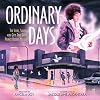
A beautiful poem describes Prince Rogers Nelson's "ordinary days" growing up in North Minneapolis, hinting at his later success as a musician despite a turbulent family life. Extensive author's note provides a more straightforward biography, as well as a playlist of songs.
"The beautiful boy belonged everywhere
and nowhere
at all."
"Shouts and silence,
slamming doors,
whispering lilacs,
basement floors;
the thud of a basketball,
boom-boom;
the echo of lonely in a
crowded room."
"The beautiful boy belonged everywhere
and nowhere
at all."
"Shouts and silence,
slamming doors,
whispering lilacs,
basement floors;
the thud of a basketball,
boom-boom;
the echo of lonely in a
crowded room."
Choosing Brave: How Mamie Till-Mobley and Emmett Till Sparked the Civil Rights Movement by Angela Joy
What an amazing and powerful story. Many may know the name of Emmet Till, but not many know the name of his mother: Mamie Till-Mobley. Emmet Till is a line in history, that most people will have heard of, but his mother was more than he ever got a chance to become. She was one of the Civil Rights leaders who set out to make our nation better for everyone. This book is written as a love poem to a remarkable woman. It has an ebb and flow that is edgy but commanding and dripping in love. This show more is a 5-star read and an amazing biography for young readers. show less
Lists
Awards


You May Also Like


Associated Authors
Statistics
- Works
- 6
- Members
- 503
- Popularity
- #49,234
- Rating
- 4.5
- Reviews
- 33
- ISBNs
- 13