
Kevin Blake
Author of Bodie: The Town That Belongs to Ghosts (Abandoned! Towns Without People)
Series
Works by Kevin Blake
It Can Be Done: Exposing the myth that all horse racing punters are destined to lose (2014) 2 copies
The book of water 1 copy
The Book Of Earth 1 copy
Dances with Wolves 1 copy
Associated Works
Tagged
Common Knowledge
There is no Common Knowledge data for this author yet. You can help.
Members
Reviews
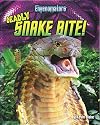
Is envenomaters a word? I suspect it is not. However, it's certainly the title of another hi-lo nonfiction series from Bearport that's sure to get plenty of use. This title focuses on snake bites and, appropriately, pictures a king cobra on the cover (I happen to be very fond of king cobras and always visit the one at the zoo - I love the way they look at you as if they are thinking about you and how smoothly they coil and the way they stand up...)
The book begins with the dramatic story of show more Karl Schmidt, a herpetologist at the Chicago Field Museum in the 1950s who was bitten by a boomslang and died. After describing his death, the book explains the different types of venom, how snakes use it, a few more gruesome snake bite stories, and how antivenom is made. Three of the deadly snakes in the book are profiled at the end - boomslangs, king cobras, and western diamondback rattlesnakes. There is a glossary, index, brief bibliography (two titles), two more titles about snakes to read, and a sentence about the author.
There were a couple things that disappointed me about this book - I would have liked more emphasis on how snakes generally only bite people who bother them - everyone in the book who was bitten was playing with, teasing, or otherwise carelessly handling snakes. I was also disappointed that not all the snakes pictured were identified. The background of the cover is fuschia scales, which I think are just for show, but there's a picture of sort of purple/indigo snake with black and white markings eating some kind of lizard and I want to know what it is! I've never seen anything like that before! From some searching I think it might be a species of cobra? Anyways, I need more information!
Other titles in the series include frogs, lizards, scorpions, spiders, and mammals (all venomous in some way).
Verdict: While I wouldn't make this your only or primary resource on snakes and other venomous creatures, it's a fun supplemental resource and the gruesome stories will get kids interested in reading more about these cool reptiles.
ISBN: 9781684026555; Published 2018 by Bearport; Review copy provided by publisher; Donated to the library show less
The book begins with the dramatic story of show more Karl Schmidt, a herpetologist at the Chicago Field Museum in the 1950s who was bitten by a boomslang and died. After describing his death, the book explains the different types of venom, how snakes use it, a few more gruesome snake bite stories, and how antivenom is made. Three of the deadly snakes in the book are profiled at the end - boomslangs, king cobras, and western diamondback rattlesnakes. There is a glossary, index, brief bibliography (two titles), two more titles about snakes to read, and a sentence about the author.
There were a couple things that disappointed me about this book - I would have liked more emphasis on how snakes generally only bite people who bother them - everyone in the book who was bitten was playing with, teasing, or otherwise carelessly handling snakes. I was also disappointed that not all the snakes pictured were identified. The background of the cover is fuschia scales, which I think are just for show, but there's a picture of sort of purple/indigo snake with black and white markings eating some kind of lizard and I want to know what it is! I've never seen anything like that before! From some searching I think it might be a species of cobra? Anyways, I need more information!
Other titles in the series include frogs, lizards, scorpions, spiders, and mammals (all venomous in some way).
Verdict: While I wouldn't make this your only or primary resource on snakes and other venomous creatures, it's a fun supplemental resource and the gruesome stories will get kids interested in reading more about these cool reptiles.
ISBN: 9781684026555; Published 2018 by Bearport; Review copy provided by publisher; Donated to the library show less
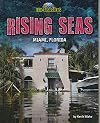
This is part of a series--Eco-Disasters. After reading this, I want to read them all. I love the way the author talks about climate change. There is no hesitation or doubt that it exists. The science is real and the facts listed and explained in this book are just right for upper elementary children. The photos are stunning--especially the infant mosquitoes and the flood scenes. I know I won't be moving to Miami after reading this book.

This new series from Bearport offers a unique look at disasters throughout history by framing them in light of the ecological causes and effects. The series includes famous incidents like the Deepwater Horizon oil spill, Chernobyl nuclear disaster, and the Dust Bowl. It also includes more generic eco-disasters including incidents of high amounts of air pollution, climate change, and polluted water.
I was sent a copy of the title featuring the historical disaster of the Dust Bowl for review. show more The story begins with a dramatic recounting of the dust storms and what it was like to experience one. However, the main focus of this title is a little different than most historical disaster books. The geography of the great plains and the history of white settlement, emphasizing the planting of wheat, is covered in detail. A massive drought, combined with the economic turmoil of the Great Depression, started the disaster. This might have been mitigated by the natural protections of the plains; however, lacking the native grasses, the topsoil simply dried up and blew away. Millions of pounds of dust was blown off of the prairie, blackening the sky and coating cities as far away as New York. The human and economic cost of the disaster is shown in vintage photographs and quotes from people living in the Dust Bowl. Finally, in 1940, the combination of the economic impact of the New Deal and the return of the rain ended the drought and the black blizzards. However, the story doesn't end there. Long-term changes in farming practices and from the migration of farmers to the cities changed history once again.
Back matter includes a discussion of measures taken to prevent similar catastrophes as well as a brief discussion of the possibility of similar or even worse events in the future due to climate change. A glossary, brief bibliography, and further reading is also included.
This is not a comprehensive history of the Great Depression, the Dust Bowl, or the environmental changes and farming choices that led to the ecological disaster. It's an introduction meant to capture the interest of struggling readers and give them a basic overview of the topic as well as encourage students to complete further research on the many topics presented. As such, it's an excellent resource.
Verdict: As I'm updating my resources on weather, history, and natural disasters, I think this is an excellent series that will see a lot of use both by individual students and in the classroom.
ISBN: 9781684022236; Published 2017 by Bearport; Review copy provided by publisher show less
I was sent a copy of the title featuring the historical disaster of the Dust Bowl for review. show more The story begins with a dramatic recounting of the dust storms and what it was like to experience one. However, the main focus of this title is a little different than most historical disaster books. The geography of the great plains and the history of white settlement, emphasizing the planting of wheat, is covered in detail. A massive drought, combined with the economic turmoil of the Great Depression, started the disaster. This might have been mitigated by the natural protections of the plains; however, lacking the native grasses, the topsoil simply dried up and blew away. Millions of pounds of dust was blown off of the prairie, blackening the sky and coating cities as far away as New York. The human and economic cost of the disaster is shown in vintage photographs and quotes from people living in the Dust Bowl. Finally, in 1940, the combination of the economic impact of the New Deal and the return of the rain ended the drought and the black blizzards. However, the story doesn't end there. Long-term changes in farming practices and from the migration of farmers to the cities changed history once again.
Back matter includes a discussion of measures taken to prevent similar catastrophes as well as a brief discussion of the possibility of similar or even worse events in the future due to climate change. A glossary, brief bibliography, and further reading is also included.
This is not a comprehensive history of the Great Depression, the Dust Bowl, or the environmental changes and farming choices that led to the ecological disaster. It's an introduction meant to capture the interest of struggling readers and give them a basic overview of the topic as well as encourage students to complete further research on the many topics presented. As such, it's an excellent resource.
Verdict: As I'm updating my resources on weather, history, and natural disasters, I think this is an excellent series that will see a lot of use both by individual students and in the classroom.
ISBN: 9781684022236; Published 2017 by Bearport; Review copy provided by publisher show less
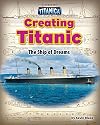
This is a different angle on reading about the Titanic. The information stops at the sea trials and does not talk about the sinking at all. The details sometimes get tedious with how much steal plates weighed and how long they were. But most details were entertaining. Only 8 people died while working on the ship. With no hard hats and sketchy early 1900s scaffolding, this number surprised me. Also, Alexander Carlisle quit because they cut the number of lifeboats from the original plans so show more that the first class passengers' views would not be obstructed. In the original plans, there would have been enough lifeboats for everyone. show less
Awards


You May Also Like
Associated Authors
Statistics
- Works
- 33
- Also by
- 1
- Members
- 95
- Popularity
- #197,645
- Rating
- 4.0
- Reviews
- 7
- ISBNs
- 74