
Peter F. Neumeyer
Author of Donald Has a Difficulty
About the Author
Series
Works by Peter F. Neumeyer
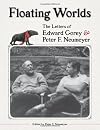
Floating Worlds: The Letters of Edward Gorey and Peter F. Neumeyer (2011) — Editor; Contributor — 156 copies, 15 reviews
Associated Works
The Annotated Charlotte's Web (1994) — Annotator, some editions; Introduction, some editions — 156 copies
Gorey Secrets: Artistic and Literary Inspirations behind Divers Books by Edward Gorey (2021) — Foreword — 12 copies
Tagged
Common Knowledge
- Canonical name
- Neumeyer, Peter F.
- Legal name
- Neumeyer, Peter Florian
- Birthdate
- 1929-08-04
- Gender
- male
- Education
- University of California, Berkeley (BA|MA|PhD)
- Occupations
- teacher
- Organizations
- Harvard University
State University of New York, Stony Brook
West Virginia University
Columbia University
San Diego State University - Awards and honors
- Ann Deveraux Jordan Award (Children's Literature Association)
- Short biography
- [from San Diego State University Library website]
Peter F. Neumeyer was born in Germany in 1929. Fleeing the Nazis, he and his family immigrated to the United States in 1936. After receiving his undergraduate degree, master's degree, and doctorate (in 1963) in English at UC Berkeley, Neumeyer taught at Harvard University until 1969. It was there that Neumeyer taught one of the first literary courses on children's books in North America. He also taught at State University of New York (Stony Brook) and West Virginia University, and at summer courses on children's literature at Columbia University. Additionally, Neumeyer has lectured in Sweden and Finland.
Neumeyer came to San Diego State University in 1978. At SDSU, he developed in the English Department what has become the largest children's literature program in North America. Neumeyer has published extensively on children's literature topics, including The Annotated Charlotte's Web. He has also written about Franz Kafka, Tove Jansson, Richard Kennedy, and Randall Jerrell.
Outside of academia, Neumeyer collaborated with illustrator and friend Edward Gorey on three books, the Donald and the… series. He is also a poet, and has published numerous poems in literary journals. After retirement from SDSU in 1993, Neumeyer became a prolific reviewer of children's books for various publications including Prodigy, Mothering Magazine, Parent's Choice, San Diego Home and Garden, and the Los Angeles Times. In 2005, he received the Children's Literature Association's Anne Deveraux Jordan Award for his contributions to the field. - Nationality
- Germany (birth)
USA - Birthplace
- Munich, Bavaria, Germany
- Places of residence
- Santa Rosa, California, USA
Kensington, California, USA - Associated Place (for map)
- California, USA
Members
Reviews
The last time I got a review copy of an Edward Gorey book from librarything, I went on a bit too much about my Gorey-less childhood and how bereft I felt growing up without this incredible talent when my wife, bless her, did. So this means that, no, I didn’t grow up with him as part of my life but it did mean that when I did discover him properly in my mid-twenties I truly appreciated this peculiar, wayward genius that I had found. And I’m proud that the UK has slowly begun to grasp his show more peculiar – and frequently very British – sense of humour to the collective British heart.
This volume is a collection of letters between Gorey and a collaborator on a series of children’s books, called Peter F Neumeyer. It’s not only fascinating in the way it opens a hitherto unknown window into part of Gorey’s life, but also because the very nature of the friendship between the two men sort of begins to take on Gorey-esque proportions when you look at it closely. But my theory is that once you’ve been touched by the genius of Gorey, you start to look for clues to the central enigma of this curious man even where this is none to find. You look for connections when fundamentally there aren’t any. Yes, Neumeyer’s children’s book was on a housefly (it was called “Donald and…”) and Gorey loved all animals so much (the introduction by Neumeyer pretty much starts with a quotation from one of ‘Ted’s’ letters which says “I am really more and more tolerant to all insect life as life goes on”) that it seems a marriage made in heaven. And then there’s the curious first meeting between the two men: stony silence from Gorey during a day on Neumeyer’s editor’s boat that was only broken by Gorey’s spectacular failure to get out of a dinghy on to dry land. They bonded pretty much in casualty. The thing is, you can imagine a Gorey-esque story which goes along similar lines, but it’s not a very Gorey-esque set up. A bit more like Wodehouse actually. You end up looking for the Gorey in these things, always hunting for possible clues.
But if we’re guilty of reading too much into events in these letters, the correspondence that the meeting ignited is a feast of clues and possible ways into the Gorey enigma. Over a particularly heated period in 1969 this artist and writer and his new found friend the academic bonded over philosophy, art and literature. The book is a catalogue of pointers towards what makes Gorey Gorey, and is also riddled with particular hints as to what made the man tick. And just when you think you’re onto something – like perhaps the Kit Williams’ “Masquerade” books – you suddenly realise the jig is up and Gorey begins to go silent and enigmatic as the letters peter out. It’s one of those rare occasions where a series of letters basically has a form of narrative arc.
So. The book itself…
The best books of letters out there – I’m thinking of Chandler and Wodehouse primarily – are the sort you dip into. Frequently they’re grouped together by theme or correspondent. This book is different because it’s primarily the whole friendship from beginning to end – envelopes included. For the Gorey fan those envelopes are almost worth purchasing the book for in itself. They’re works of art in themselves and its kind of humbling to see Gorey could knock off things this lovely just for letters.
The subjects covered: every time you dip in something new and fascinating takes your fancy. Just a cursory look at the index should give you some idea of the range of subjects covered… Edward Ardizzone. Barbarella. Jorge Luis Borges. Walter de la Mare. Thomas Hardy. Hermann Hesse. Kafka. Flann O’Brien. It’s a quite literary conversation this: high art, cinema, literature, theatre, music. It would be fascinating to see what other correspondences with people who weren’t, say, English academics would be like. I know for a fact Gorey was a massive fan of Doctor Who so a more low art correspondence would be equally as fascinating. Gorey seems like a massive polymath… but then again didn’t the books themselves tell you something of that? Surely part of the enigma of the man is the wealth of peculiar sources that became mingled into this heady of stews.
It’s also a bit unfair that Neumeyer, in any other circumstances, would be a fascinating man in his own right. Fair game of him to take the back seat for Gorey. This is his book and part of the joy is that Neumeyer, whether he did it consciously or not, teases the best out of Gorey. Maybe that’s why Gorey goes silent in the end (there I go myself, looking for clues and patterns where there aren’t any) as he realises how open he’s being and how unlike him it is. I could quote it endlessly and given the time I probably would and each time the essay would be on a different subject: and that seems quite right too.
And then just when you begin to think you’ve worked out the clues, or have gone along with the cliché that there are clues to somehow find, towards the end Gorey starts to almost disappear. The letters are still beautiful, but more enigmatic and distant. They almost remind me of those annoyingly precious “Griffin and Sabine” by Nick Bantock but obviously not so precious. Postcards mostly with tickets and ephemera taped to them. The writing itself becomes spare and fragile, almost like haikus… considering Gorey’s love of Japanese art (which he goes on about repeatedly and at length, with great passion, in the letters) this could almost be deliberate.
A few final thoughts on the volume sent to me by Pomegranate books. Firstly it came in a WHOPPING box which was packaged in so much tape it took about twenty minutes for me to dig into. And when I finally get the book out after all that anticipation… it’s beautiful. Truly beautiful. A lovely, hefty, lovingly illustrated and designed book which – like their single volume Gorey reissues – really the master deserves. And more than just that, even the Pomegranate catalogue is a lovely thing to behold… AND there’s another Gorey postcard. Are they trying to bribe a good review out of me? If so it worked. I’ve had some good books through librarything. I’ve had some bad books through librarything. I’ve had some occasional great books through librarything. This? This was worth me becoming a member alone. It’s gorgeous and glorious and I’ll treasure it forever.
A masterpiece? Yes. Definitely. I cannot recommend it enough. show less
This volume is a collection of letters between Gorey and a collaborator on a series of children’s books, called Peter F Neumeyer. It’s not only fascinating in the way it opens a hitherto unknown window into part of Gorey’s life, but also because the very nature of the friendship between the two men sort of begins to take on Gorey-esque proportions when you look at it closely. But my theory is that once you’ve been touched by the genius of Gorey, you start to look for clues to the central enigma of this curious man even where this is none to find. You look for connections when fundamentally there aren’t any. Yes, Neumeyer’s children’s book was on a housefly (it was called “Donald and…”) and Gorey loved all animals so much (the introduction by Neumeyer pretty much starts with a quotation from one of ‘Ted’s’ letters which says “I am really more and more tolerant to all insect life as life goes on”) that it seems a marriage made in heaven. And then there’s the curious first meeting between the two men: stony silence from Gorey during a day on Neumeyer’s editor’s boat that was only broken by Gorey’s spectacular failure to get out of a dinghy on to dry land. They bonded pretty much in casualty. The thing is, you can imagine a Gorey-esque story which goes along similar lines, but it’s not a very Gorey-esque set up. A bit more like Wodehouse actually. You end up looking for the Gorey in these things, always hunting for possible clues.
But if we’re guilty of reading too much into events in these letters, the correspondence that the meeting ignited is a feast of clues and possible ways into the Gorey enigma. Over a particularly heated period in 1969 this artist and writer and his new found friend the academic bonded over philosophy, art and literature. The book is a catalogue of pointers towards what makes Gorey Gorey, and is also riddled with particular hints as to what made the man tick. And just when you think you’re onto something – like perhaps the Kit Williams’ “Masquerade” books – you suddenly realise the jig is up and Gorey begins to go silent and enigmatic as the letters peter out. It’s one of those rare occasions where a series of letters basically has a form of narrative arc.
So. The book itself…
The best books of letters out there – I’m thinking of Chandler and Wodehouse primarily – are the sort you dip into. Frequently they’re grouped together by theme or correspondent. This book is different because it’s primarily the whole friendship from beginning to end – envelopes included. For the Gorey fan those envelopes are almost worth purchasing the book for in itself. They’re works of art in themselves and its kind of humbling to see Gorey could knock off things this lovely just for letters.
The subjects covered: every time you dip in something new and fascinating takes your fancy. Just a cursory look at the index should give you some idea of the range of subjects covered… Edward Ardizzone. Barbarella. Jorge Luis Borges. Walter de la Mare. Thomas Hardy. Hermann Hesse. Kafka. Flann O’Brien. It’s a quite literary conversation this: high art, cinema, literature, theatre, music. It would be fascinating to see what other correspondences with people who weren’t, say, English academics would be like. I know for a fact Gorey was a massive fan of Doctor Who so a more low art correspondence would be equally as fascinating. Gorey seems like a massive polymath… but then again didn’t the books themselves tell you something of that? Surely part of the enigma of the man is the wealth of peculiar sources that became mingled into this heady of stews.
It’s also a bit unfair that Neumeyer, in any other circumstances, would be a fascinating man in his own right. Fair game of him to take the back seat for Gorey. This is his book and part of the joy is that Neumeyer, whether he did it consciously or not, teases the best out of Gorey. Maybe that’s why Gorey goes silent in the end (there I go myself, looking for clues and patterns where there aren’t any) as he realises how open he’s being and how unlike him it is. I could quote it endlessly and given the time I probably would and each time the essay would be on a different subject: and that seems quite right too.
And then just when you begin to think you’ve worked out the clues, or have gone along with the cliché that there are clues to somehow find, towards the end Gorey starts to almost disappear. The letters are still beautiful, but more enigmatic and distant. They almost remind me of those annoyingly precious “Griffin and Sabine” by Nick Bantock but obviously not so precious. Postcards mostly with tickets and ephemera taped to them. The writing itself becomes spare and fragile, almost like haikus… considering Gorey’s love of Japanese art (which he goes on about repeatedly and at length, with great passion, in the letters) this could almost be deliberate.
A few final thoughts on the volume sent to me by Pomegranate books. Firstly it came in a WHOPPING box which was packaged in so much tape it took about twenty minutes for me to dig into. And when I finally get the book out after all that anticipation… it’s beautiful. Truly beautiful. A lovely, hefty, lovingly illustrated and designed book which – like their single volume Gorey reissues – really the master deserves. And more than just that, even the Pomegranate catalogue is a lovely thing to behold… AND there’s another Gorey postcard. Are they trying to bribe a good review out of me? If so it worked. I’ve had some good books through librarything. I’ve had some bad books through librarything. I’ve had some occasional great books through librarything. This? This was worth me becoming a member alone. It’s gorgeous and glorious and I’ll treasure it forever.
A masterpiece? Yes. Definitely. I cannot recommend it enough. show less
 This review was written for LibraryThing Early Reviewers.
It’s a blessing that Pomegranate has begun to publish Edward Gorey books and related curios, as they’ve produced such handsome editions of works by one of my favorite illustrators. Now they’ve published Floating Words, the correspondences between Gorey and author Peter F. Neumeyer (who also edited this collection) as they collaborated on three books, Donald and the…, Donald has a Difficulty, and Why We Have Day and Night.
This work is not only a great find for Gorey fans, but also show more for those interested in how the creative process works. The letters capture Neumeyer and Gorey’s personalities and friendship as they collaborated and commiserated. Sadly their correspondence ended after about 13 months, as the two men became engrossed in other projects, but during this short time they wrote often and they wrote lengthily. This collection is also an elegy for the lost art and necessity of letter-writing.
A great bonus of this book is that they are constantly talking about and recommending books to each other, so any bibliophile will be sure to find some crackling rarities from these two eclectic men. Keep a notepad and pen handy as you read! The book also features some of Gorey’s fantastic and unique drawings, including layouts and sketches for the Donald books. There is also the delightful “STOEJGNPF,” a delightful amphibian-tapir-dog amalgam that Gorey drew on his envelopes.
This is a charming find, especially for those who wanted to know more about the inner workings of the enigmatic Edward Gory, or simply for people interested in an account of inspiration and collaboration. show less
This work is not only a great find for Gorey fans, but also show more for those interested in how the creative process works. The letters capture Neumeyer and Gorey’s personalities and friendship as they collaborated and commiserated. Sadly their correspondence ended after about 13 months, as the two men became engrossed in other projects, but during this short time they wrote often and they wrote lengthily. This collection is also an elegy for the lost art and necessity of letter-writing.
A great bonus of this book is that they are constantly talking about and recommending books to each other, so any bibliophile will be sure to find some crackling rarities from these two eclectic men. Keep a notepad and pen handy as you read! The book also features some of Gorey’s fantastic and unique drawings, including layouts and sketches for the Donald books. There is also the delightful “STOEJGNPF,” a delightful amphibian-tapir-dog amalgam that Gorey drew on his envelopes.
This is a charming find, especially for those who wanted to know more about the inner workings of the enigmatic Edward Gory, or simply for people interested in an account of inspiration and collaboration. show less
This review was written for LibraryThing Early Reviewers.
I don't want to know the person who doesn't like a book with Edward Gorey illustrations or at least I don't want to spend much time with them. As my 7-year-old daughter put it, this story is weird and awesome. That being said it is a very short story that will not take you long to read no matter how enchanted you are with the pictures. The $12.95 price is pretty steep for what it is.
This review was written for LibraryThing Early Reviewers.I love getting a letter in the mail. A real letter, I mean, not an electronic one, but a real one inside a real envelope with a real stamp. And then writing a letter in return, putting it inside an envelope and posting it, and anticipating that day when I open my mailbox to see the next little envelope inside with my name on it.
I also love reading other people’s letters, whether they’re fictional or real. I knew I was in for a treat with Floating Worlds: The Letters of Edward Gorey & show more Peter F. Neumeyer. While I had not heard of Peter F. Neumeyer, I already was a fan of Edward Gorey’s art & many of his books. A book of letters that also has to do with Edward Gorey? Yes, please!
Floating Worlds begins in 1968, when the two men met and began corresponding. (On a personal note, I myself began that year too, and the age that Gorey was then is the age I am now. Probably oddly, this made the book for me more…I don’t know… Interesting? Relevant?)
Gorey had been contracted to illustrate a book Neumeyer had written, Donald and the… At their first meeting, Neumeyer accidentally dislocated Gorey’s shoulder, and they bonded over Gorey’s illustrations in a hospital waiting room. Their friendship was fueled by the letters and postcards that flew back and forth between them until the fall of 1969. The majority of their correspondence is represented in the book; sometimes the actual letter or artwork itself is reproduced. Also included are several photographs of the two writers, and samples of Gorey’s art from the finished collaborations or other works.
One of the most wonderful things about their correspondence was that Gorey illustrated the envelopes in which his letters were mailed; 38 of them are reproduced in Floating Worlds. They’re little treasures, tiny jewels of art, populated by classic Gorey creatures and people. Among my favorites are two toward the end of the book: on one, a lavender blue baby is being carried off by a winged lizardy-dragony creature, and on the next, in response to Neumeyer’s wife’s comment that the baby was sad, is the baby, now sporting wings of its own, triumphing over the lizardy-dragony creature.
Neumeyer saved Gorey’s letters; and as he found out only a few years ago, Gorey saved Neumeyer’s, and so, the lucky reader gets both sides of the correspondence. Often, it seems, when you read an epistolary book, it’s one-sided. You get to read the one person’s letters, but not the other’s. Having both gives the reader the full conversation and a greater sense of intimacy.
It certainly felt intimate to read this, from a letter Neumeyer wrote Gorey (referred to as Ted), from page 151:
“Dear Ted, Your card, your yellow business letter and your good letter of the 17th just arrived. But I was thinking last night just before going to sleep that I would write you today anyway—and I would write you, I knew, something very simple and without the convention of the sputter. I wanted only to say this: it was more than good to hear your voice on the phone, and to hear you happy. Secondly—you said some months ago something about a change, turnover, flip in your life. I listened. But I did not say “me too,” because it would not have been the truth. But now I want to say, “me too.” So—me too. So, for nothing describable simply or short of a poem, thank you, Ted. You are a blessing. And in the knowledge of that, you should—I don’t know what. But your letters, the potential of our reunions, your existence has made something of this world that (it) hadn’t the possibility of before. Let it go at that!”
While they also enjoyed telephone conversations and in-person visits, letters became an important component of the two men’s friendship. These two erudite and intellectually curious people talked not only of their collaborations, but also about many other things, including the books they both loved reading and sending to each other. The letters describe minutiae of their lives, movies they’ve seen, thoughts about their friendship. As one man may have felt the first time he read the latest of the other’s letters, and vice versa, I felt I was getting to know the writer just a little bit more with each letter.
Neumeyer sets the stage for reading them in the introduction to this book, saying that much of what he knew of Gorey was learned from the letters, but cautions, “However, to suggest that Gorey “revealed” his inner self in these letters would be an overstatement. Just who Edward Gorey’s inner self might have been remains highly conjectural.”
Still, any vague notion of who Gorey was, based only on his art and his books, is changed and enriched by reading the letters (and the same surely holds true for Neumeyer, although as I hadn’t even heard of him before reading Floating Worlds, I had no preconceived notions about him).
Gorey, in these letters, is thoughtful, kind, and often laugh-out-loud funny. Although some of what they wrote about seems to me to be the sort of insider “you had to be there” kind of thing, there were also bits I found myself nodding along with in recognition, such as this, from page 81:
“I just got a rather nasty shock. In looking for something or other I came across the fact that one of my cats is about to be nine years old, and that another of them will shortly thereafter be eight; I have been laboring under the delusion that they were about five and six. And yesterday I happened to notice in the mirror that while I have long since grown used to my beard being very grey indeed, I was not prepared to discover that my eyebrows are becoming noticeably shaggy. I feel the tomb is just around the corner. And there are all these books I haven’t read yet, even if I am simultaneously reading at least twenty…”
I think that if I had already read Donald and the… and the other books the two men collaborated on, I might have had a deeper appreciation and/or understanding when reading about these works’ beginnings in these letters. However, prior reading is certainly not necessary and I was able to enjoy reading the letters without already having read the final results. Of course, I now want to get my hands on the books that these two collaborated on and read them, and then read Floating Worlds again.
My only quibble is that I found myself wishing that a different font had been used for each writer; letters from Gorey in font A and letters from Neumeyer in font B. It would have been easier to tell at a glance who was writing, and also, in my opinion, would have given each letter more of an individual “voice”. But this is just my own personal wish and not truly an impediment to enjoying this book.
The production values for Floating Worlds, published by Pomegranate, are very high. The book itself was designed with great care and is made with weighty, high-quality, delicious-smelling paper. This is a book that was made to look beautiful and last. show less
I also love reading other people’s letters, whether they’re fictional or real. I knew I was in for a treat with Floating Worlds: The Letters of Edward Gorey & show more Peter F. Neumeyer. While I had not heard of Peter F. Neumeyer, I already was a fan of Edward Gorey’s art & many of his books. A book of letters that also has to do with Edward Gorey? Yes, please!
Floating Worlds begins in 1968, when the two men met and began corresponding. (On a personal note, I myself began that year too, and the age that Gorey was then is the age I am now. Probably oddly, this made the book for me more…I don’t know… Interesting? Relevant?)
Gorey had been contracted to illustrate a book Neumeyer had written, Donald and the… At their first meeting, Neumeyer accidentally dislocated Gorey’s shoulder, and they bonded over Gorey’s illustrations in a hospital waiting room. Their friendship was fueled by the letters and postcards that flew back and forth between them until the fall of 1969. The majority of their correspondence is represented in the book; sometimes the actual letter or artwork itself is reproduced. Also included are several photographs of the two writers, and samples of Gorey’s art from the finished collaborations or other works.
One of the most wonderful things about their correspondence was that Gorey illustrated the envelopes in which his letters were mailed; 38 of them are reproduced in Floating Worlds. They’re little treasures, tiny jewels of art, populated by classic Gorey creatures and people. Among my favorites are two toward the end of the book: on one, a lavender blue baby is being carried off by a winged lizardy-dragony creature, and on the next, in response to Neumeyer’s wife’s comment that the baby was sad, is the baby, now sporting wings of its own, triumphing over the lizardy-dragony creature.
Neumeyer saved Gorey’s letters; and as he found out only a few years ago, Gorey saved Neumeyer’s, and so, the lucky reader gets both sides of the correspondence. Often, it seems, when you read an epistolary book, it’s one-sided. You get to read the one person’s letters, but not the other’s. Having both gives the reader the full conversation and a greater sense of intimacy.
It certainly felt intimate to read this, from a letter Neumeyer wrote Gorey (referred to as Ted), from page 151:
“Dear Ted, Your card, your yellow business letter and your good letter of the 17th just arrived. But I was thinking last night just before going to sleep that I would write you today anyway—and I would write you, I knew, something very simple and without the convention of the sputter. I wanted only to say this: it was more than good to hear your voice on the phone, and to hear you happy. Secondly—you said some months ago something about a change, turnover, flip in your life. I listened. But I did not say “me too,” because it would not have been the truth. But now I want to say, “me too.” So—me too. So, for nothing describable simply or short of a poem, thank you, Ted. You are a blessing. And in the knowledge of that, you should—I don’t know what. But your letters, the potential of our reunions, your existence has made something of this world that (it) hadn’t the possibility of before. Let it go at that!”
While they also enjoyed telephone conversations and in-person visits, letters became an important component of the two men’s friendship. These two erudite and intellectually curious people talked not only of their collaborations, but also about many other things, including the books they both loved reading and sending to each other. The letters describe minutiae of their lives, movies they’ve seen, thoughts about their friendship. As one man may have felt the first time he read the latest of the other’s letters, and vice versa, I felt I was getting to know the writer just a little bit more with each letter.
Neumeyer sets the stage for reading them in the introduction to this book, saying that much of what he knew of Gorey was learned from the letters, but cautions, “However, to suggest that Gorey “revealed” his inner self in these letters would be an overstatement. Just who Edward Gorey’s inner self might have been remains highly conjectural.”
Still, any vague notion of who Gorey was, based only on his art and his books, is changed and enriched by reading the letters (and the same surely holds true for Neumeyer, although as I hadn’t even heard of him before reading Floating Worlds, I had no preconceived notions about him).
Gorey, in these letters, is thoughtful, kind, and often laugh-out-loud funny. Although some of what they wrote about seems to me to be the sort of insider “you had to be there” kind of thing, there were also bits I found myself nodding along with in recognition, such as this, from page 81:
“I just got a rather nasty shock. In looking for something or other I came across the fact that one of my cats is about to be nine years old, and that another of them will shortly thereafter be eight; I have been laboring under the delusion that they were about five and six. And yesterday I happened to notice in the mirror that while I have long since grown used to my beard being very grey indeed, I was not prepared to discover that my eyebrows are becoming noticeably shaggy. I feel the tomb is just around the corner. And there are all these books I haven’t read yet, even if I am simultaneously reading at least twenty…”
I think that if I had already read Donald and the… and the other books the two men collaborated on, I might have had a deeper appreciation and/or understanding when reading about these works’ beginnings in these letters. However, prior reading is certainly not necessary and I was able to enjoy reading the letters without already having read the final results. Of course, I now want to get my hands on the books that these two collaborated on and read them, and then read Floating Worlds again.
My only quibble is that I found myself wishing that a different font had been used for each writer; letters from Gorey in font A and letters from Neumeyer in font B. It would have been easier to tell at a glance who was writing, and also, in my opinion, would have given each letter more of an individual “voice”. But this is just my own personal wish and not truly an impediment to enjoying this book.
The production values for Floating Worlds, published by Pomegranate, are very high. The book itself was designed with great care and is made with weighty, high-quality, delicious-smelling paper. This is a book that was made to look beautiful and last. show less
This review was written for LibraryThing Early Reviewers.Lists
Awards

You May Also Like


Associated Authors
Statistics
- Works
- 21
- Also by
- 3
- Members
- 842
- Popularity
- #30,363
- Rating
- 4.1
- Reviews
- 42
- ISBNs
- 28
- Languages
- 1
