
James B. Pritchard (1909–1997)
Author of The Ancient Near East, Volume 1: An Anthology of Texts and Pictures
About the Author
Works by James B. Pritchard
The Ancient Near East (Volume II): A New Anthology of Texts and Pictures (1950) 438 copies, 1 review
Recovering Sarepta, A Phoenician City: Excavations at Sarafund, 1969-1974, by the University Museum of the University of Pennsylvania (1978) 12 copies
The Cemetery at Tell Es-Sa'Idiyeh, Jordan (University Museum Monographs : No. 41) (1980) 6 copies, 1 review
Winery, Defenses, and Soundings at Gibeon (The University Museum, University of Pennsylvania, Museum Monographs) (University Museum Monograph) (1964) 5 copies
The Excavation at Herodian Jericho, 1951: Conducted by the American School of Oriental Research in Jerusalem (2013) 3 copies
The ancient Near East 1 copy
Archaeology 1 copy
Treaty between Ashurnirari V of Assyria and Mati'ilu of Arpad IN Ancient Near Eastern Texts (ANET), 3rd ed, by James Pritchard, p. 532 — Editor — 1 copy
Naram-Son in the Cedar Mountain IN Ancient Near Eastern Texts (ANET) by James Pritchard, p. 268 1 copy
Atlante del mondo biblico 1 copy
Wielki atlas biblijny 1 copy
Associated Works
Tagged
Common Knowledge
- Canonical name
- Pritchard, James B.
- Legal name
- Pritchard, James Bennett
- Birthdate
- 1909-10-04
- Date of death
- 1997-01-01
- Gender
- male
- Education
- Asbury College (BA)
University of Pennsylvania (PhD|1942) - Occupations
- professor
archaeologist - Organizations
- University of Pennsylvania
Crozer Theological Seminary
American Philosophical Society - Awards and honors
- Gold Medal for Distinguished Archaeological Achievement (Archaeological Institute of America)
Uppsala University (DLitt, honorary) - Nationality
- USA
- Birthplace
- Louisville, Kentucky, USA
- Associated Place (for map)
- Kentucky, USA
Members
Reviews
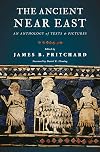
Among scholars, the "collection" of texts and plates by Pritchard is well-regarded. We who know nothing of what stones and bones have been found must take this anthology as properly mustered. However, the "translations" are not obviously so genuine. The Preface to the 1958 Edition acknowledges that the purpose is to expand the sources for the history of the Near East by the recent archeological augmentations. Writings of Egyptians, Syrians, Hittites, Assyrians, Babylonians and other peoples show more "have been recovered, deciphered, and reliably understood." [xxix] This compendium casts the last in doubt--the translations are dubious and the understandings, especially when set against Pritchard's citations to the Tanach, and with a troubling inability to grasp folk wisdom, the class and gender struggles, and the self-servicing function of priesthoods and self-serving kings, causes one to wonder.
For example, "The Story of Two Brothers" is introduced "This folk tale tells how a conscientious young man was falsely accused of a proposal of adultery by the wife of his elder brother...". While the story does exhibit a "general similarity"--in almost no ways other than adultery--to the story of Joseph and Potiphar's wife [un-named!]. I find it impossible to grasp how a translator could characterize this young brother as "conscientious". The story relates that he had the "strength of a god in him", and was able to speak with cows in his care, but when falsely accused of adultery, his immediate response is to self-castrate, with a sharpened reed. [14] And as entertaining as the story is, it is also filled with invocations and rituals to deities--water miracles, striking the hands, smearing with dust, and prayers to named gods. It is surely a mischaracterization of this "folk tale" to suggest it was merely of entertainment value. It carries an express overt threat to lusty women and robs brothers of the joy of sharing a wife!
Archeology reveals the evidence of extensive networks of prosperous women engaged in textile arts [plate 32, polymastia] and providing sex to worshipers in beautiful garden temples. The editor appears to join the phalanx of men who treat every priestess of Isis or Ishtar as a "prostitute"--instead of a holy person. This is twisted, since in fact most men acknowledge that Ishrar was the goddess of love and fertility. [43, ff, hymn to Ishtar in temple of Eanna 39n35, Plate 131 showing goddess worshiped by small adoring man; nude Eve standing on lion [power] between Life and Death figures, plate 129; ]
Females ruled the Arab tribes for centuries--acknowledged here in a footnote: "The female rulers of Arab tribes attested in cuneiform documents from Tiglath-pileser III to Ashurbanipal, and perhaps Nabonidus." [265, fn 5.]
The work exposes its own judgments in ignoring the real theme of genitalia behind their depictions, throughout the editorial choices. For example, Gibeon, known to Scripture as having a "high place of worship" and where the Tabernacle was held (1 Kings 3:3), here all of that archeology and history is ignored for a look at a dried "pool". The excavations and water channeling at el-Jib invoke the technologies and even lost prosperity of ancient Petra.
Obviously, Pritchard does not attempt to provide detailed analysis of this trove of documents. He does track a "biblical" relevance, showing for example, the "earliest reference to Israel" in the stela erected for the victory of Mer-ne-Ptah. [328, dated 1230 BC].
This collection documents the use of "Amen" in so many prayers, to this day. The worship of Amen-hotep, and the similarity of hymns to his god. Hymn to the Aton, and Psalm 104 "has often been noted". [324] Why do the Abrahamic religions close their prayers with the same appeal to an ancient Egyptian deity? show less
For example, "The Story of Two Brothers" is introduced "This folk tale tells how a conscientious young man was falsely accused of a proposal of adultery by the wife of his elder brother...". While the story does exhibit a "general similarity"--in almost no ways other than adultery--to the story of Joseph and Potiphar's wife [un-named!]. I find it impossible to grasp how a translator could characterize this young brother as "conscientious". The story relates that he had the "strength of a god in him", and was able to speak with cows in his care, but when falsely accused of adultery, his immediate response is to self-castrate, with a sharpened reed. [14] And as entertaining as the story is, it is also filled with invocations and rituals to deities--water miracles, striking the hands, smearing with dust, and prayers to named gods. It is surely a mischaracterization of this "folk tale" to suggest it was merely of entertainment value. It carries an express overt threat to lusty women and robs brothers of the joy of sharing a wife!
Archeology reveals the evidence of extensive networks of prosperous women engaged in textile arts [plate 32, polymastia] and providing sex to worshipers in beautiful garden temples. The editor appears to join the phalanx of men who treat every priestess of Isis or Ishtar as a "prostitute"--instead of a holy person. This is twisted, since in fact most men acknowledge that Ishrar was the goddess of love and fertility. [43, ff, hymn to Ishtar in temple of Eanna 39n35, Plate 131 showing goddess worshiped by small adoring man; nude Eve standing on lion [power] between Life and Death figures, plate 129; ]
Females ruled the Arab tribes for centuries--acknowledged here in a footnote: "The female rulers of Arab tribes attested in cuneiform documents from Tiglath-pileser III to Ashurbanipal, and perhaps Nabonidus." [265, fn 5.]
The work exposes its own judgments in ignoring the real theme of genitalia behind their depictions, throughout the editorial choices. For example, Gibeon, known to Scripture as having a "high place of worship" and where the Tabernacle was held (1 Kings 3:3), here all of that archeology and history is ignored for a look at a dried "pool". The excavations and water channeling at el-Jib invoke the technologies and even lost prosperity of ancient Petra.
Obviously, Pritchard does not attempt to provide detailed analysis of this trove of documents. He does track a "biblical" relevance, showing for example, the "earliest reference to Israel" in the stela erected for the victory of Mer-ne-Ptah. [328, dated 1230 BC].
This collection documents the use of "Amen" in so many prayers, to this day. The worship of Amen-hotep, and the similarity of hymns to his god. Hymn to the Aton, and Psalm 104 "has often been noted". [324] Why do the Abrahamic religions close their prayers with the same appeal to an ancient Egyptian deity? show less
I hate anthologies which contain abridged material or only selections from a work. What good are excerpts? When you go to the movies, do you only watch the beginning and middle? When you read a book, do you skip a chapter here and there? This book has taken the liberty to edit content that it feels is either unimportant to its readers or doesn't have as much parallel or interest with biblical literature and study. But who are they to decide, for instance, whether the last tablet of Gilgamesh show more is unimportant to me or whether it wouldn't be of much interest to biblical studies? In the attempt to contain as many important ancient Near Eastern texts as possible in a single, small space, the book has done a great disservice to many of those very texts by chopping off pieces here and there. Those with any real interest in edited texts will have to look elsewhere for the complete works. Moreover, in an era which is now attempting to find meaning out of the whole or entire form of texts, the nature of this anthology makes it almost a faux pas. Footnotes have been almost completely eliminated. Sometimes a footnote number will appear in a text, but the footnote itself will be absent. Sometimes there will be a numbered footnote at the bottom of a page which links to nothing on the page itself. The translations, like the King James Version, have had a long, authoritative run, but are now out-of-date and out-of-style. To make things even worse, the binding is horrific. On average, I've had one page fall out for every ten read and the seam is so rigid, it simply split instead of bending. The book was not used when I bought it, but you would not have guessed that after the first reading. This is sort of the dirty whore version of the real deal. Sure, you'll get what you want for cheap, but is it worth it? The really nice thing about the book was the plethora of incredible pictures. I don't think I've yet seen a book with so many photographs which are pertinent to biblical studies and the ancient Near East. The only one that comes close is The City of Ugarit at Tell Ras Shamra, but its pictures are strictly Ugarit-related. Do yourself a favor, if you have to have this book instead of its superior counterparts, look for a cheaply priced, used copy. show less

I'm not a great fan of the type of map that substitutes hatching for actual representation of what the mapper considers less important terrain, but the Harper atlas is of a well enough known area to get by with it. But I would have liked about two more maps or illustration of Jerusalem. A useful book given the price constraints.
The Cemetery at Tell Es-Sa'Idiyeh, Jordan (University Museum Monographs : No. 41) by James B. Pritchard
Tell Es-Sa'idiyeh is one of the most significant cemeteries ever excavated in Jordan. This is about your standard 1960s site report, sadly published in 1980. It's unfortunate that Pritchard's team didn't make use of an osteologist to sex the skeletons, something easy to do even in those days. It does little to set the cemetery in the cultural milieu of the time -- much can be said anthropologicaly based on cemeteries -- though it does a decent job of describing most finds (especially show more pottery, but sadly less so things like beads) and citing parallels. One looks forward to Jack Green and Jonathan Tubb's report on the renewed site excavations; it should be much more exciting than this. show less
Lists
You May Also Like


Associated Authors
Statistics
- Works
- 34
- Also by
- 1
- Members
- 4,181
- Popularity
- #6,023
- Rating
- 3.9
- Reviews
- 14
- ISBNs
- 69
- Languages
- 6