
Philip Fracassi
Author of Boys in the Valley
Works by Philip Fracassi
Associated Works
The Earth Bleeds At Night: Anthology of Horror — Contributor — 1 copy
Tagged
Common Knowledge
- Birthdate
- alive
- Gender
- male
- Nationality
- USA
- Places of residence
- Los Angeles, California, USA
- Associated Place (for map)
- California, USA
Members
Reviews
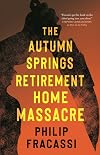
As the main character of Autumn Springs (though the chapter POVs change frequently, depending on who’s about to get taken out next), Rose is in her late 70s and learning to enjoy her golden years at a large retirement home in the Hudson Valley. Though she misses her daughter and young grandson back in Brooklyn, Rose loves the community she’s built at Autumn Springs, including her best friend, Miller. Everyone’s sense of security is shattered, however, when friends of theirs start dying show more mysteriously, alone in their apartments. The police initially shrug the deaths off as accidents or merely the result of old age — the elderly die, that’s just a fact of life, right? But as more bodies start piling up, Rose knows in her bones that something far more sinister is at work. She begins her own rogue investigation into what might be happening to their friends and reaches a chilling conclusion: a killer is loose in the Autumn Springs Retirement Home, and Rose and her friends might be next.
Most of us are fairly familiar with the term "slasher movie"...a type of horror film popularized in the 1980’s. Offerings like Nightmare on Elm Street, Halloween, and Friday the 13th. The "bad guys" are often more iconic than the victims and survivors. Go into your head and pull up memories of Freddy Krueger, Michael Myers, Jason; the list could go on. If you are too young to remember any of them, ask your parents what they spent Saturday afternoon at the local theater eating popcorn and watching. My point is...When you think of a slasher movie, we're thinking "under 30". In our story, the author, Phillip Fracassi, flips it and makes some interesting social commentary in the process by making nearly all the victims in this book, The Autumn Springs Retirement Home Massacre...OLD.
The first few victims were a bit of a expectancy. The first few victims, that…well, they were old and we’re probably "banging on death’s door" anyway. Now, we find that the killer is smart; he uses brute force and similar methods to make his deadly deeds appear to be accidents. Poisoning look like heart attacks, and there are other clever methods that help to avoid detection for about the first half of the book. This far into it, I thought that "slasher tale" was a bit of an "off the wall" description; but when it’s clear that the deaths are murders and the killer gives up any pretense of accidental deaths...and this brings out a completely new level of brutality of these deaths.
Our elderly protagonist is Rose DuBois, who is almost 80 years old. Unlike many of her fellow residents in the retirement home, she has a daughter who would actually like her to leave and come live with her. Rose wants to keep her independence, so when the chance comes to leave, Rose stays, and secretly wants to help find the killer.
The author does NOT JUST make these folks victims old and weak and stop there. We’re quickly introduced to Gopi, a film-lover who regularly gathers many of the residents together to show them old silver screen gems. There’s also Bridget, Barbara, and Betsie who are three sisters who live in the same apartment in order to save money... AND they are suspected of being witches by most of the residents. Rose’s longtime "boyfriend", for lack of a better word, Beauregard Mason Miller, "just call me Miller", is also a constant companion.
The character that I loved the most, and felt the most emotion for, was Tatum Bird. Tatum had dementia. Most of his life memories were long gone. He would sit a on a bench, all day, by the pond waiting for his dog to come home...his dog had been dead for over a decade. That broke my heart...so be prepared. We learned that both of the author's parents had passed away while he was working on this book, and it shows in the care that he gives his characters. He made each one of his retiree characters into a living, breathing person with different wants and desires. They weren’t just "old people" sitting in their rooms waiting to die. They had friends and hopes for their futures, while fully acknowledging that their futures were reaching closer expiration dates.
There's another chapter about two-thirds through the book that is also sad but also made me angry. After it was clear that something was wrong at Autumn Springs many of the residents tried to leave wanting to spend some time with their sons and daughters, only to be refused and almost forgotten. Unfortunately, this isn't entirely fiction.
Summary from the book:It's True that The Autumn Springs Retirement Home Massacre's, author Philip Fracassi, has created a book with memorable characters, but he's also, 'hit the nail on the head", making a heartfelt statement about the care and condition of some, not all, of the elderly today. 4.5 stars for a very good story, but one that made me very sad. show less
Most of us are fairly familiar with the term "slasher movie"...a type of horror film popularized in the 1980’s. Offerings like Nightmare on Elm Street, Halloween, and Friday the 13th. The "bad guys" are often more iconic than the victims and survivors. Go into your head and pull up memories of Freddy Krueger, Michael Myers, Jason; the list could go on. If you are too young to remember any of them, ask your parents what they spent Saturday afternoon at the local theater eating popcorn and watching. My point is...When you think of a slasher movie, we're thinking "under 30". In our story, the author, Phillip Fracassi, flips it and makes some interesting social commentary in the process by making nearly all the victims in this book, The Autumn Springs Retirement Home Massacre...OLD.
The first few victims were a bit of a expectancy. The first few victims, that…well, they were old and we’re probably "banging on death’s door" anyway. Now, we find that the killer is smart; he uses brute force and similar methods to make his deadly deeds appear to be accidents. Poisoning look like heart attacks, and there are other clever methods that help to avoid detection for about the first half of the book. This far into it, I thought that "slasher tale" was a bit of an "off the wall" description; but when it’s clear that the deaths are murders and the killer gives up any pretense of accidental deaths...and this brings out a completely new level of brutality of these deaths.
Our elderly protagonist is Rose DuBois, who is almost 80 years old. Unlike many of her fellow residents in the retirement home, she has a daughter who would actually like her to leave and come live with her. Rose wants to keep her independence, so when the chance comes to leave, Rose stays, and secretly wants to help find the killer.
The author does NOT JUST make these folks victims old and weak and stop there. We’re quickly introduced to Gopi, a film-lover who regularly gathers many of the residents together to show them old silver screen gems. There’s also Bridget, Barbara, and Betsie who are three sisters who live in the same apartment in order to save money... AND they are suspected of being witches by most of the residents. Rose’s longtime "boyfriend", for lack of a better word, Beauregard Mason Miller, "just call me Miller", is also a constant companion.
The character that I loved the most, and felt the most emotion for, was Tatum Bird. Tatum had dementia. Most of his life memories were long gone. He would sit a on a bench, all day, by the pond waiting for his dog to come home...his dog had been dead for over a decade. That broke my heart...so be prepared. We learned that both of the author's parents had passed away while he was working on this book, and it shows in the care that he gives his characters. He made each one of his retiree characters into a living, breathing person with different wants and desires. They weren’t just "old people" sitting in their rooms waiting to die. They had friends and hopes for their futures, while fully acknowledging that their futures were reaching closer expiration dates.
There's another chapter about two-thirds through the book that is also sad but also made me angry. After it was clear that something was wrong at Autumn Springs many of the residents tried to leave wanting to spend some time with their sons and daughters, only to be refused and almost forgotten. Unfortunately, this isn't entirely fiction.
Summary from the book:It's True that The Autumn Springs Retirement Home Massacre's, author Philip Fracassi, has created a book with memorable characters, but he's also, 'hit the nail on the head", making a heartfelt statement about the care and condition of some, not all, of the elderly today. 4.5 stars for a very good story, but one that made me very sad. show less
IN A NUTSHELL
This was an absolute romp of a book. It has everything: a serial killer, witches, a visit from an alien, some of the most creative ways of killing people that I've seen in a long time, a rich suspect pool, a constantly shifting sense of where the book was going, and an unstoppable momentum. At times, it was a little too busy, and motives seemed fairly thin on the ground, but it kept me listening and speculating and going, "Surely they won't... Yep. They did. Wow." at regular show more intervals.
This was my first book by Philip Fracassi, and almost everything in it came as a surprise to me, but in a good way. The energy of the book is irrepressible, if sometimes a little frenetic. I'd expected it to be one of those older-person-plays-amateur-sleuth-and-prevails books. It wasn't. It was darker than that. I should have paid more attention to the word massacre in the title and to the reference to Rose DuBois as a final girl.
At its heart, this is a horror novel that keeps you speculating about whether or not anything supernatural is involved until the final chapters. The body count is high. The means used to kill people are inventive, vicious, and graphically described.
In some senses, this is a romp. The pace is often fast. The twists and turns of the book make guessing the identity of the killer both irresistible and impossible. The likely explanations and list of possible suspects are outlandish enough to include witches, demons, aliens, and just about any resident or staff member of the Autumn Springs Retirement Home. The killings are mostly set pieces where the tension is high, the suspense almost unbearable, and the action is graphic and often surprising.
Yet this is a novel laced with sadness. Philip Fracassi breathed life into the Autumn Springs Retirement Home residents. Yes, they are all old, some of them have memory problems, some are terminally ill, but almost all of them value the lives they are living. They have hopes, passions, and purposes that their deaths extinguish. And this is a novel where no character's survival, no matter how cherished or how central to the plot, is guaranteed.
Sometimes the sheer number of things going on made reading the book a little dizzying, and the apparent paucity of motives made it hard to understand why any of this was happening, but none of that stopped my wife and me from speculating on who the killer was, who would die next, how they would die, and whether anyone would survive.
I recommend the audiobook version of 'The Autumn Springs Retirement Home Massacre'. Janaury Le Voy does a great job with the narration. Click on the YouTube link below to hear a sample.
https://www.youtube.com/watch?v=38Z5hTMuda8 show less
This was an absolute romp of a book. It has everything: a serial killer, witches, a visit from an alien, some of the most creative ways of killing people that I've seen in a long time, a rich suspect pool, a constantly shifting sense of where the book was going, and an unstoppable momentum. At times, it was a little too busy, and motives seemed fairly thin on the ground, but it kept me listening and speculating and going, "Surely they won't... Yep. They did. Wow." at regular show more intervals.
This was my first book by Philip Fracassi, and almost everything in it came as a surprise to me, but in a good way. The energy of the book is irrepressible, if sometimes a little frenetic. I'd expected it to be one of those older-person-plays-amateur-sleuth-and-prevails books. It wasn't. It was darker than that. I should have paid more attention to the word massacre in the title and to the reference to Rose DuBois as a final girl.
At its heart, this is a horror novel that keeps you speculating about whether or not anything supernatural is involved until the final chapters. The body count is high. The means used to kill people are inventive, vicious, and graphically described.
In some senses, this is a romp. The pace is often fast. The twists and turns of the book make guessing the identity of the killer both irresistible and impossible. The likely explanations and list of possible suspects are outlandish enough to include witches, demons, aliens, and just about any resident or staff member of the Autumn Springs Retirement Home. The killings are mostly set pieces where the tension is high, the suspense almost unbearable, and the action is graphic and often surprising.
Yet this is a novel laced with sadness. Philip Fracassi breathed life into the Autumn Springs Retirement Home residents. Yes, they are all old, some of them have memory problems, some are terminally ill, but almost all of them value the lives they are living. They have hopes, passions, and purposes that their deaths extinguish. And this is a novel where no character's survival, no matter how cherished or how central to the plot, is guaranteed.
Sometimes the sheer number of things going on made reading the book a little dizzying, and the apparent paucity of motives made it hard to understand why any of this was happening, but none of that stopped my wife and me from speculating on who the killer was, who would die next, how they would die, and whether anyone would survive.
I recommend the audiobook version of 'The Autumn Springs Retirement Home Massacre'. Janaury Le Voy does a great job with the narration. Click on the YouTube link below to hear a sample.
https://www.youtube.com/watch?v=38Z5hTMuda8 show less
I hate writing reviews like this. HATE it.
Philip Fracassi is one of the nicest guys in the business, and I've been following—and devouring—his stuff for years now. His short story collections, BEHOLD THE VOID, and BENEATH A PALE SKY have some of the finest short horror fiction I have ever read. His novels, A CHILD ALONE WITH STRANGERS, SARAFINA, and especially BOYS IN THE VALLEY are just brilliant, nuanced works that not only tell a horrifying story, but also dig deep into the human show more condition.
Fracassi has been one of my absolute favourite horror authors, and I eagerly anticipated his next release.
But with this novel? I don't know, all the way through it, I kept hearing this imagined conversation in my head between the author and his agent, and he's being told he has to write something commercial. "Just put your brain aside, and write something that's gonna sell."
Because that's what this is. This is a packaged, mass-market, leave your brain at the door, silly horror-book-that's-not-horror for the masses.
Fracassi's brilliance does occasionally burst through. There's the odd gorgeous line that I read and the sun came out briefly, before sinking back in the muck.
Overall, for me, the story dragged on far too long, the plot holes piled up, the killer became blatantly obvious, the characters that had any life in them were brought in for a scene, then fell off, forgotten, until they were needed again, hundreds of pages later.
The word "impossibly" was used at least twice, if not three times. Thankfully, no one saw something and put it down to "a trick of the light"...why does EVERY horror novel have these two stupid ingredients in them?
I guess this is a horror novel, but it's really not. It's a murder mystery. It's slasher fiction, and that's part of the problem...I don't like slasher stories, because they all inevitably fall into a steaming pile of ridiculous. And this one was no different.
Because, this morning, as I listened to the last chunk, Rose's final confrontation with the painfully obvious killer, and all the stuff that happened, there was a point where I actually stopped walking, shook my head, and said, "This is stupid."
Because—and I hate that I'm saying this, but I have to—it was. It felt like the author kind of painted himself into a corner, had an almost 80-year-old protagonist, but needed a big bang of an ending, so he pulled the silliest deus ex machina out of his butt and threw it in there. Which shocked me, because Fracassi can WRITE. The man is capable of sheer, unbridled brilliance, and yet, here, he breaks one of the most sacred codes of writing.
The hero must actively discover, solve, or confront the central problem or conflict themselves. This is a key part of the narrative arc and the hero's journey, emphasizing character growth and resolution earned through the hero’s own efforts rather than a deus ex machina or outside force solving the problem.
That does not happen here.
So, the story ran long. The antagonist did what they did for no reason. And the hero didn't solve the central issue.
Utterly disappointing.
And it'll sell like hotcakes, and readers will sing the praises of this mass market, spoon-fed pablum crap they just swallowed. show less
Philip Fracassi is one of the nicest guys in the business, and I've been following—and devouring—his stuff for years now. His short story collections, BEHOLD THE VOID, and BENEATH A PALE SKY have some of the finest short horror fiction I have ever read. His novels, A CHILD ALONE WITH STRANGERS, SARAFINA, and especially BOYS IN THE VALLEY are just brilliant, nuanced works that not only tell a horrifying story, but also dig deep into the human show more condition.
Fracassi has been one of my absolute favourite horror authors, and I eagerly anticipated his next release.
But with this novel? I don't know, all the way through it, I kept hearing this imagined conversation in my head between the author and his agent, and he's being told he has to write something commercial. "Just put your brain aside, and write something that's gonna sell."
Because that's what this is. This is a packaged, mass-market, leave your brain at the door, silly horror-book-that's-not-horror for the masses.
Fracassi's brilliance does occasionally burst through. There's the odd gorgeous line that I read and the sun came out briefly, before sinking back in the muck.
Overall, for me, the story dragged on far too long, the plot holes piled up, the killer became blatantly obvious, the characters that had any life in them were brought in for a scene, then fell off, forgotten, until they were needed again, hundreds of pages later.
The word "impossibly" was used at least twice, if not three times. Thankfully, no one saw something and put it down to "a trick of the light"...why does EVERY horror novel have these two stupid ingredients in them?
I guess this is a horror novel, but it's really not. It's a murder mystery. It's slasher fiction, and that's part of the problem...I don't like slasher stories, because they all inevitably fall into a steaming pile of ridiculous. And this one was no different.
Because, this morning, as I listened to the last chunk, Rose's final confrontation with the painfully obvious killer, and all the stuff that happened, there was a point where I actually stopped walking, shook my head, and said, "This is stupid."
Because—and I hate that I'm saying this, but I have to—it was. It felt like the author kind of painted himself into a corner, had an almost 80-year-old protagonist, but needed a big bang of an ending, so he pulled the silliest deus ex machina out of his butt and threw it in there. Which shocked me, because Fracassi can WRITE. The man is capable of sheer, unbridled brilliance, and yet, here, he breaks one of the most sacred codes of writing.
The hero must actively discover, solve, or confront the central problem or conflict themselves. This is a key part of the narrative arc and the hero's journey, emphasizing character growth and resolution earned through the hero’s own efforts rather than a deus ex machina or outside force solving the problem.
That does not happen here.
So, the story ran long. The antagonist did what they did for no reason. And the hero didn't solve the central issue.
Utterly disappointing.
And it'll sell like hotcakes, and readers will sing the praises of this mass market, spoon-fed pablum crap they just swallowed. show less
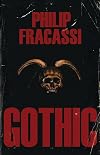
This review is actually causing me pain to write. Why? Because I think Philip Fracassi the person is just a fantastic, friendly, generous, and talented individual. And because I also think that Philip Fracassi the horror author is the best writer working in the horror field today. And no matter what my thoughts are on this particular release of his, I still firmly believe that.
And I'll say that, with the exception of A Child Alone with Strangers, I've read everything of Fracassi's up to show more this point, and I haven't just liked everything, I've completely adored and consumed it voraciously. He is, quite simply, a master of horror, as well as one of the best imaginative minds in print.
Which leads me to this book. Unfortunately, I simply did not enjoy it. Let's start with the reasons I didn't.
We immediately meet Travis Parks who seems to be extremely loosely modeled on Robert R. McCammon in that he was once a bestselling horror author who tried to switch to historical fiction and hasn't had a bestseller in decades. Of course, McCammon did something similar, but I'm guessing he's not in the dire straits that Parks is.
But this is the first thing that struck me about this novel. From the opening scene, where Parks is ogling an assistant's legs, etc., I was under the distinct impression we were supposed to not like Parks. Because he came across as both a bit creepy, and, once in with his agent, rather wimpy for a guy that had so much success earlier.
And the agent almost felt like a caricature. He was straight out of the Hollywood stereotype mold. While both characters eventually got a little more depth to them, it didn't feel like an auspicious start to the novel.
I'm reasonably sure that Fracassi was going for the late 70s/early 80s somewhat pulpy horror vibe here, and in some ways, he captured it well. It really does have a McCammon/Charles L. Grant vibe. But there's things that both those authors did extremely well, and things that they...didn't do so well. Unfortunately, Fracassi seemed to tap more into the latter.
The plot, while quite linear, felt somehow scattered. I think it was the backtracking to get the history of the desk, that was necessary, and the side trips to the rightful owner of the desk, which also was necessary.
I think the biggest issue, for me, was Travis. He went from unlikeable creepy wimp to...well, a far more unlikeable, far more creepy wimp with moments of clarity where we almost get to like him. Until he does the creepy again.
I guess my biggest issue is, this novel feels somewhat unfocused. There's a lot of lead up to the ending, but then there's a lot of fall out from that ending as well. It's just...weirdly paced.
So, before you get the idea that I hated this and thought it was all bad...I did not. There was a lot of interesting insight into the publishing industry, that I really enjoyed. And, more importantly—with this being a horror novel—I will say that Fracassi, when he focused on the menace of the desk itself?
Yeah, then he was just shining.
So, there were parts where Fracassi—the Fracassi I know and love—came through, and those words and pages are glorious.
For the rest, honestly, it didn't even really feel like a Fracassi novel. So, I guess where I'm at is, I'm going to put this down to a failed (to me) experiment. show less
And I'll say that, with the exception of A Child Alone with Strangers, I've read everything of Fracassi's up to show more this point, and I haven't just liked everything, I've completely adored and consumed it voraciously. He is, quite simply, a master of horror, as well as one of the best imaginative minds in print.
Which leads me to this book. Unfortunately, I simply did not enjoy it. Let's start with the reasons I didn't.
We immediately meet Travis Parks who seems to be extremely loosely modeled on Robert R. McCammon in that he was once a bestselling horror author who tried to switch to historical fiction and hasn't had a bestseller in decades. Of course, McCammon did something similar, but I'm guessing he's not in the dire straits that Parks is.
But this is the first thing that struck me about this novel. From the opening scene, where Parks is ogling an assistant's legs, etc., I was under the distinct impression we were supposed to not like Parks. Because he came across as both a bit creepy, and, once in with his agent, rather wimpy for a guy that had so much success earlier.
And the agent almost felt like a caricature. He was straight out of the Hollywood stereotype mold. While both characters eventually got a little more depth to them, it didn't feel like an auspicious start to the novel.
I'm reasonably sure that Fracassi was going for the late 70s/early 80s somewhat pulpy horror vibe here, and in some ways, he captured it well. It really does have a McCammon/Charles L. Grant vibe. But there's things that both those authors did extremely well, and things that they...didn't do so well. Unfortunately, Fracassi seemed to tap more into the latter.
The plot, while quite linear, felt somehow scattered. I think it was the backtracking to get the history of the desk, that was necessary, and the side trips to the rightful owner of the desk, which also was necessary.
I think the biggest issue, for me, was Travis. He went from unlikeable creepy wimp to...well, a far more unlikeable, far more creepy wimp with moments of clarity where we almost get to like him. Until he does the creepy again.
I guess my biggest issue is, this novel feels somewhat unfocused. There's a lot of lead up to the ending, but then there's a lot of fall out from that ending as well. It's just...weirdly paced.
So, before you get the idea that I hated this and thought it was all bad...I did not. There was a lot of interesting insight into the publishing industry, that I really enjoyed. And, more importantly—with this being a horror novel—I will say that Fracassi, when he focused on the menace of the desk itself?
Yeah, then he was just shining.
So, there were parts where Fracassi—the Fracassi I know and love—came through, and those words and pages are glorious.
For the rest, honestly, it didn't even really feel like a Fracassi novel. So, I guess where I'm at is, I'm going to put this down to a failed (to me) experiment. show less
Lists
Awards


You May Also Like


Associated Authors
Statistics
- Works
- 31
- Also by
- 11
- Members
- 1,409
- Popularity
- #18,235
- Rating
- 3.8
- Reviews
- 72
- ISBNs
- 66
- Languages
- 3
- Favorited
- 2