
Robert Temple (1) (1945–)
Author of The Sirius Mystery: New Scientific Evidence of Alien Contact 5,000 Years Ago
For other authors named Robert Temple, see the disambiguation page.
Robert Temple (1) has been aliased into Robert K. G. Temple.
Works by Robert Temple
Works have been aliased into Robert K. G. Temple.
The Sirius Mystery: New Scientific Evidence of Alien Contact 5,000 Years Ago (1976) 377 copies, 6 reviews
Tagged
Common Knowledge
- Birthdate
- 1945
- Gender
- male
- Education
- University of Pennsylvania
- Nationality
- USA
- Places of residence
- USA
England, UK - Associated Place (for map)
- England, UK
Members
Reviews
Siiriuse saladus : uued teaduslikud tõendid kontaktidest tulnukatega 5000 aastat tagasi by Robert Temple

Kuidas on võimalik, et mingi Aafrika hõimu salapärimused kätkevad endas üksikasjalikke andmeid täht Siiriusest, mis nüüdisteadlastele on alles hiljuti selgunud?
Miks viivad selle kummalise informatsiooni jäljed veelgi vanemate Sumeri ja Egiptuse tsivilisatsioonide juurde?
Lääne-Aafrikas elava dogonite hõimu kõige iidsemad ja pühamad pärimused kinnitavad, et tsivilisatsioon Maal sündis tänu kontaktidele Siiriuse tähesüsteemi planeetidelt pärit olenditega. Dogonite show more kosmoloogia keskne osa on üksikasjadeni hämmastavalt täpne teadmiste kogum Siiriuse tähesüsteemist; nad valdasid ka spetsiifilist informatsiooni, mis nüüdisteadusele üsna hiljuti teatavaks sai, näiteks kolmanda tähe olemasolu süsteemis, mille olemasolu leidis kinnitust alles 1995. aastal.
Robert Temple'i aukartust äratav uurimus jälgib dogonite ja kolme nendega seotud hõimu pärimusi kuni Vahemere-äärsete Sumeri ja Egiptuse 5000 aasta vanuste kultuuride aega. Ta näitab, et need iidsed tsivilisatsioonid olid rikkad ja targad, kusjuures nende teadmised põhinesid ka füüsikal ja astrofüüsikal, mille külalised Siiriuselt olevat neile toonud. Temple osutab, kuidas need avastused muudavad revolutsiooniliselt meie arusaamu sfinksist.
Siin räägib ta esimest korda sellestki, et kreeklaste ja hiinlaste kõige varasemates müütides on ühesuguseid kirjeldusi, kuidas tsivilisatsiooni rajasid amfiibolendid. Paljud autorid on mõtisklenud Maa-välistest kontaktidest muistsetel aegadel, kuid veel kunagi varem pole esitatud nii üksikasjalikke tõendeid. Rohkem kui kolmkümmend aastat kestnud ning äärmise täpsusega dokumenteeritud uurimuse tulemus «Siiriuse saladus» tähendab tsivilisatsiooni alguse ja muinasajaloo kõige varasemate aegade radikaalset ümberhindamist. Selle materjali tähendus inimkonnale pole vist millegagi mõeldav. show less
Miks viivad selle kummalise informatsiooni jäljed veelgi vanemate Sumeri ja Egiptuse tsivilisatsioonide juurde?
Lääne-Aafrikas elava dogonite hõimu kõige iidsemad ja pühamad pärimused kinnitavad, et tsivilisatsioon Maal sündis tänu kontaktidele Siiriuse tähesüsteemi planeetidelt pärit olenditega. Dogonite show more kosmoloogia keskne osa on üksikasjadeni hämmastavalt täpne teadmiste kogum Siiriuse tähesüsteemist; nad valdasid ka spetsiifilist informatsiooni, mis nüüdisteadusele üsna hiljuti teatavaks sai, näiteks kolmanda tähe olemasolu süsteemis, mille olemasolu leidis kinnitust alles 1995. aastal.
Robert Temple'i aukartust äratav uurimus jälgib dogonite ja kolme nendega seotud hõimu pärimusi kuni Vahemere-äärsete Sumeri ja Egiptuse 5000 aasta vanuste kultuuride aega. Ta näitab, et need iidsed tsivilisatsioonid olid rikkad ja targad, kusjuures nende teadmised põhinesid ka füüsikal ja astrofüüsikal, mille külalised Siiriuselt olevat neile toonud. Temple osutab, kuidas need avastused muudavad revolutsiooniliselt meie arusaamu sfinksist.
Siin räägib ta esimest korda sellestki, et kreeklaste ja hiinlaste kõige varasemates müütides on ühesuguseid kirjeldusi, kuidas tsivilisatsiooni rajasid amfiibolendid. Paljud autorid on mõtisklenud Maa-välistest kontaktidest muistsetel aegadel, kuid veel kunagi varem pole esitatud nii üksikasjalikke tõendeid. Rohkem kui kolmkümmend aastat kestnud ning äärmise täpsusega dokumenteeritud uurimuse tulemus «Siiriuse saladus» tähendab tsivilisatsiooni alguse ja muinasajaloo kõige varasemate aegade radikaalset ümberhindamist. Selle materjali tähendus inimkonnale pole vist millegagi mõeldav. show less
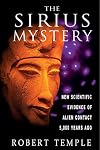
A difficult but very thorough book which elaborates on a hypothesis first proposed by I.S. Shklovskii and Carl Sagan in 1966: that the ancient Babylonian legend of the amphibious god Oannes might represent an instance of paleocontact (i.e., human contact with an extraterrestrial intelligence thousands of years ago). Robert Temple offers the religious and historical traditions of Mali's Dogon tribe as evidence that Oannes and his cohorts came from a planet in the Sirius star system, and that show more the knowledge passed on by these alien beings was the basis for Earth's earliest civilizations.
Does Temple make his case? As effectively as it can be made, yes. He draws upon a wealth of historical resources, and it was quite obvious to this reader that the Dogon could not have known about Sirius B (Sirius's companion star, a white dwarf invisible to the human eye; it was discovered in 1862 and first photographed in 1970) unless their ancestors had encountered someone with advanced astronomical knowledge. The objections to Temple's theory are intellectually suspect, predicated solely on the notion that things just couldn't have happened as he claims they did. It has been proposed, for example, that the Dogon learned about the existence of Sirius B from astronomers who were in the tribe's vicinity for five weeks in 1893 to study a solar eclipse. The trouble is, beings from other star systems are depicted in Dogon statuary which is at least 300 years old, and Temple includes photographs of two examples in the book.
Whether or not you agree with the author's conclusions, The Sirius Mystery is a rigorous scholarly work, and will require a period of adjustment for those whose only previous acquaintance with the subject of Paleo-SETI is muddy claptrap like Chariots of the Gods. Temple provides a summary at the end of each chapter, but be prepared to take notes. show less
Does Temple make his case? As effectively as it can be made, yes. He draws upon a wealth of historical resources, and it was quite obvious to this reader that the Dogon could not have known about Sirius B (Sirius's companion star, a white dwarf invisible to the human eye; it was discovered in 1862 and first photographed in 1970) unless their ancestors had encountered someone with advanced astronomical knowledge. The objections to Temple's theory are intellectually suspect, predicated solely on the notion that things just couldn't have happened as he claims they did. It has been proposed, for example, that the Dogon learned about the existence of Sirius B from astronomers who were in the tribe's vicinity for five weeks in 1893 to study a solar eclipse. The trouble is, beings from other star systems are depicted in Dogon statuary which is at least 300 years old, and Temple includes photographs of two examples in the book.
Whether or not you agree with the author's conclusions, The Sirius Mystery is a rigorous scholarly work, and will require a period of adjustment for those whose only previous acquaintance with the subject of Paleo-SETI is muddy claptrap like Chariots of the Gods. Temple provides a summary at the end of each chapter, but be prepared to take notes. show less

A classic in the "ancient astronaut" genre, Temple's book is the best on the subject. He doesn't make huge leaps (Sitchin), or fabricate evidence (Däniken), he lays the evidence out, cites all of his sources, and makes a good case. Did the Dogon know Sirius was a binary (or trinary) star? Did they know other strange stuff? A good read.
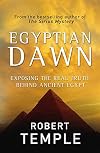
Controversies aside, there’s no doubt that the mysteries of the Egyptian civilisation are becoming more and more intriguing with time. As one of the most fascinating civilisations of the ancient world, many researchers have tried to put the pieces of Ancient Egypt together for the rest of us to appreciate how marvellous that world was.
Have we been tricked into believing fabricated historical facts, and does the world really know all that there is to know about our civilisation? Author show more Robert Temple claims to have all the answers.
Temple has written more than a dozen of historical and science-based books. In Egyptian Dawn, he presents evidence of theories that he believes will shock the reader; as he confidently believes them to be true. Although there’s always room for new theories and views of other Egyptologists that don’t neccessarily agree with his beliefs; the author insists that his theories will put an end to all debates on these subjects. The author helps readers that may not be familiar with the subject references by explaining his theories and information as simply as possible.
The book starts off powerfully from the first page; where the author promises to uncover all the ancient secrets and to expose 'the big lie' by the end of Egyptian Dawn. According to Temple, the big lie is that the Giza Pyramids were built by Cheops, Chephren and Mycerinus; a fact that he claims to be untrue. Don’t be surprised just yet; the author then suggests or rather backs the opinion of an amateur archaeologist that suggests that the largest pyramid was not built by King Cheops, as it had probably existed thousands of years before his time.
The book presents highly researched and backed-up material, including information that points towards certain Giza locations containing undiscovered remains. However, the author seems exceedingly confident in his hypotheses, even though some of the basic information that he uses to prove his theories hasn’t even been established as credible and accurate. It doesn’t exactly help either when Temple refers to his former books, which suggest that Egyptian, Sumerian and Dogon civilisations were founded by aliens!
Many can argue with Temple’s views and opinions, but the book will appeal to history buffs and those with a genuine interest in controversial issues. Though he claims that his quest is to find the richest secrets of ancient Egypt, and he has an evident passion for Egypt; you can’t help but finish Egyptian Dawn with more questions than answers.
By Salma Tantawi - Writer for http://www.Cairo360.com show less
Have we been tricked into believing fabricated historical facts, and does the world really know all that there is to know about our civilisation? Author show more Robert Temple claims to have all the answers.
Temple has written more than a dozen of historical and science-based books. In Egyptian Dawn, he presents evidence of theories that he believes will shock the reader; as he confidently believes them to be true. Although there’s always room for new theories and views of other Egyptologists that don’t neccessarily agree with his beliefs; the author insists that his theories will put an end to all debates on these subjects. The author helps readers that may not be familiar with the subject references by explaining his theories and information as simply as possible.
The book starts off powerfully from the first page; where the author promises to uncover all the ancient secrets and to expose 'the big lie' by the end of Egyptian Dawn. According to Temple, the big lie is that the Giza Pyramids were built by Cheops, Chephren and Mycerinus; a fact that he claims to be untrue. Don’t be surprised just yet; the author then suggests or rather backs the opinion of an amateur archaeologist that suggests that the largest pyramid was not built by King Cheops, as it had probably existed thousands of years before his time.
The book presents highly researched and backed-up material, including information that points towards certain Giza locations containing undiscovered remains. However, the author seems exceedingly confident in his hypotheses, even though some of the basic information that he uses to prove his theories hasn’t even been established as credible and accurate. It doesn’t exactly help either when Temple refers to his former books, which suggest that Egyptian, Sumerian and Dogon civilisations were founded by aliens!
Many can argue with Temple’s views and opinions, but the book will appeal to history buffs and those with a genuine interest in controversial issues. Though he claims that his quest is to find the richest secrets of ancient Egypt, and he has an evident passion for Egypt; you can’t help but finish Egyptian Dawn with more questions than answers.
By Salma Tantawi - Writer for http://www.Cairo360.com show less
Statistics
- Works
- 7
- Members
- 783
- Popularity
- #32,505
- Rating
- 3.5
- Reviews
- 11
- ISBNs
- 54
- Languages
- 7