
Jane Pettigrew
Author of The Tea Companion: A Connoisseur's Guide
About the Author
Jane Pettigrew lives in London.
Series
Works by Jane Pettigrew
European Cookies for Every Occasion 2 copies
Ínyencek kézikönyve: Tea 1 copy
The Tea Council's Guild of Tea Shops: Definitive Guide to the Best Tea Places in Britain (1995) 1 copy, 1 review
Café 1 copy
Café 1 copy
Costa's coffees and cafes. (UK chain of coffee stores): An article from: Tea & Coffee Trade Journal 1 copy
A Social History of Tea 1 copy
Tagged
Common Knowledge
- Birthdate
- unknown
- Gender
- female
- Occupations
- teacher (foreign language)
tea shop owner - Places of residence
- London, England, UK
- Associated Place (for map)
- England, UK
Members
Reviews
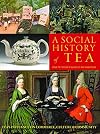
Tea passed pleasantly, and nobody seemed in a hurry to move. – Jane Austen, Emma, Chapter 41
Taking tea is so quintessentially British. You cannot think of that noble nation without envisioning its residents with a tea cup in one hand and a cucumber sandwich in the other. English novelist Jane Austen mentions tea no less than 49 times in her major works. The popularity of tea has grown even more since her Regency times, evolving during the Victorian era into a light meal served at four in show more the afternoon: resplendent with white linen, silver trays, scones and clotted cream. Today, in our fast-paced-world of takeout food and frozen dinners, attending a tea party at a friend’s home or tea room is an event to be cherished and savored. The calming ritual and lively conversation is the ultimate indulgence that has not changed for polished society for four hundred years.
The tale of tea is a captivating story revealed in A Social History of Tea, a new expanded second edition by British tea authority Jane Pettigrew and American tea historian Bruce Richardson. Originally published in 2001 by The National Trust, this new edition has been revised and expanded and includes the research of two tea authorities from both sides of the pond. We are so internationally bipartisan these days—I am sure that mad King George III must be rolling in his grave!
Having long been a “tea advocate” I knew of Mr. Richardson from my cherished subscription to TeaTime magazine. I was thrilled to discover that he would be a speaker at the 2013 Jane Austen Society of North America’s Annual General Meeting in Minneapolis. I missed his talk, Society Steeped in Tea, but glowing reports piqued my interest in obtaining a copy of his new book with Pettigrew. I was not disappointed. Beautifully designed with 150 full color images, this tome on the evolution of tea through the last four centuries and its influence on society and world economics is fascinating. Broken down into an introduction, six major chapters, a select bibliography, a list of illustration credits and an index, readers can easily use The Social History of Tea as either an illustrated history, a reference book, or purely a pleasure read, depending on their mood. Being a Janeite, I jumped to the index and skimmed for Jane Austen’s name. Huzzah. There she is on page 127 in a featurette entitled Tea in Literature with Charles Dickens and Lewis Carroll, two other famous British authors from the 1800’s who show that taking tea was an excellent way to bring characters together in a prudential parlor or at a mad tea party. Several passages illustrating Austen’s use of “tea-things” by her characters are featured from her novels, and if we pay attention, the timing of when they are taking tea gives us a social insight into when it was drunk and what was served with it.
“The next opening of the door brought something more welcome: it was for the tea–things, which she had begun almost to despair of seeing that evening…Fanny was very thankful. She could not but own that she should be very glad of a little tea, and Susan immediately set about making it, as if pleased to have the employment all to herself…Fanny’s spirit was as much refreshed as her body; her head and heart were soon the better for such well–timed kindness.” – Mansfield Park, Chapter 38
Richly detailed and agreeably accessible, A Social History of Tea is both enlightening and entertaining. Every important historical, economic and social aspect is covered. I particularly appreciated the details surrounding the forming and growth of The East India Trading Company, the Boston Tea Party of 1773 which sparked the American Revolution, and the rise of tea rooms suitable for respectable ladies to dine out at the end of the nineteenth century. We can also thank the Victorian’s for raising tea-time to an art form chock-full of the incredibly delicious fare we enjoy today.
In Jane Austen’s world “tea meant rest and pleasure, and its absence would be a severe disappointment.” (127) Pettigrew and Richardson have combined detailed history, social asides and beautiful illustrations covering the four centuries that we have enjoyed tea—its rise and fall in popularity—and rebirth. A Social History of Tea is the resource for those who would like to discover even more about this delectable beverage. There is a guaranteed abundance of rest and pleasure on every page. I recommend it highly.
Laurel Ann, Austenprose show less
Taking tea is so quintessentially British. You cannot think of that noble nation without envisioning its residents with a tea cup in one hand and a cucumber sandwich in the other. English novelist Jane Austen mentions tea no less than 49 times in her major works. The popularity of tea has grown even more since her Regency times, evolving during the Victorian era into a light meal served at four in show more the afternoon: resplendent with white linen, silver trays, scones and clotted cream. Today, in our fast-paced-world of takeout food and frozen dinners, attending a tea party at a friend’s home or tea room is an event to be cherished and savored. The calming ritual and lively conversation is the ultimate indulgence that has not changed for polished society for four hundred years.
The tale of tea is a captivating story revealed in A Social History of Tea, a new expanded second edition by British tea authority Jane Pettigrew and American tea historian Bruce Richardson. Originally published in 2001 by The National Trust, this new edition has been revised and expanded and includes the research of two tea authorities from both sides of the pond. We are so internationally bipartisan these days—I am sure that mad King George III must be rolling in his grave!
Having long been a “tea advocate” I knew of Mr. Richardson from my cherished subscription to TeaTime magazine. I was thrilled to discover that he would be a speaker at the 2013 Jane Austen Society of North America’s Annual General Meeting in Minneapolis. I missed his talk, Society Steeped in Tea, but glowing reports piqued my interest in obtaining a copy of his new book with Pettigrew. I was not disappointed. Beautifully designed with 150 full color images, this tome on the evolution of tea through the last four centuries and its influence on society and world economics is fascinating. Broken down into an introduction, six major chapters, a select bibliography, a list of illustration credits and an index, readers can easily use The Social History of Tea as either an illustrated history, a reference book, or purely a pleasure read, depending on their mood. Being a Janeite, I jumped to the index and skimmed for Jane Austen’s name. Huzzah. There she is on page 127 in a featurette entitled Tea in Literature with Charles Dickens and Lewis Carroll, two other famous British authors from the 1800’s who show that taking tea was an excellent way to bring characters together in a prudential parlor or at a mad tea party. Several passages illustrating Austen’s use of “tea-things” by her characters are featured from her novels, and if we pay attention, the timing of when they are taking tea gives us a social insight into when it was drunk and what was served with it.
“The next opening of the door brought something more welcome: it was for the tea–things, which she had begun almost to despair of seeing that evening…Fanny was very thankful. She could not but own that she should be very glad of a little tea, and Susan immediately set about making it, as if pleased to have the employment all to herself…Fanny’s spirit was as much refreshed as her body; her head and heart were soon the better for such well–timed kindness.” – Mansfield Park, Chapter 38
Richly detailed and agreeably accessible, A Social History of Tea is both enlightening and entertaining. Every important historical, economic and social aspect is covered. I particularly appreciated the details surrounding the forming and growth of The East India Trading Company, the Boston Tea Party of 1773 which sparked the American Revolution, and the rise of tea rooms suitable for respectable ladies to dine out at the end of the nineteenth century. We can also thank the Victorian’s for raising tea-time to an art form chock-full of the incredibly delicious fare we enjoy today.
In Jane Austen’s world “tea meant rest and pleasure, and its absence would be a severe disappointment.” (127) Pettigrew and Richardson have combined detailed history, social asides and beautiful illustrations covering the four centuries that we have enjoyed tea—its rise and fall in popularity—and rebirth. A Social History of Tea is the resource for those who would like to discover even more about this delectable beverage. There is a guaranteed abundance of rest and pleasure on every page. I recommend it highly.
Laurel Ann, Austenprose show less
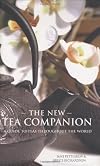
An exceptionally in depth look into the history, culture and economics of tea the world over. I especially liked the reviews of specific teas by growing region and style. I love that this book has been updated as of 2007, as many similar guides are too old to give a good sense of where the industry currently stands (they even included Kauai which I was especially interested in hearing about). A huge amount of travel and research went into composing this book and I will be using it for many show more years to come as a reference guide. Tea is such an enormous subject with histories in some countries dating back thousands of years. Yet, Pettigrew and Richardson did a marvelous job of describing every tea growing region and their specialities in every country.
For a future edition, I'd love to see more content on Nepalese teas, which have really jumped to the fore in popularity in recent years (and whose fate is now unclear). Additionally, very little is described about recommended Fair Trade teas. Sure, organic is important, but not nearly as important as buying Fair Trade. show less
For a future edition, I'd love to see more content on Nepalese teas, which have really jumped to the fore in popularity in recent years (and whose fate is now unclear). Additionally, very little is described about recommended Fair Trade teas. Sure, organic is important, but not nearly as important as buying Fair Trade. show less
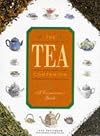
The book consists of two parts, the first one is about tea and tea making. It deals with the history of the tea and how it has been brewed through the last four thousand years (exactly who, when and how tea was discovered is not known, there are many different versions and which is considered as "true" varies from book to book). The book focus on the last two hundred years and tilt towards United States when it can. One would think that England would get most of the attention but the book show more was probably written with the US market in mind. After describing the European history of tea the book wanders over to the production of tea, how it is grown and prepared, and then which the different utensils are that one can use while drinking tea, e.g. tea pots of various materials and different infusers. The last chapter of the first part is "Tea Appreciation", which is a very good name for the chapter. It describes a lot of things about actually drinking tea. That is; how and where to buy tea, what to buy - e.g. scented or not, blended or not - tea, tea bags, water quality, milk or sugar, how to brew and tea drinking around the world.
The overall impression of the first part, and of the book in full, is that it is a well written book and well worth its price. It contains many beautiful pictures, the text is nice to read and the typography of the book is skillfully done. One of the books I would like to recommend to someone. One of the benefits is that is describes what is the different grades of tea are and how the taste of a tea is classified.
In the second part of the book, each tea region in the world is covered and the best teas from that region are described with about a page for each tea - characteristics, brewing hints, history of the tea and plantation and pictures of the brew and of the leaves (before and after the brew, if I'm not mistaken but I could not confirm this). It is not a full list of all teas but a very interesting directory none the less.
This is a book for the connoisseur as the title says, and it shows in the directory and also in the first part. Everything is from the point of view of someone who consider himself a connoisseur and isn't looking for cheap teas. For most of the readers, only the first half of the book is of any practical value, but the second half is a good eye opener, so maybe this book will turn some of its readers into true tea connoisseur. Who knows? show less
The overall impression of the first part, and of the book in full, is that it is a well written book and well worth its price. It contains many beautiful pictures, the text is nice to read and the typography of the book is skillfully done. One of the books I would like to recommend to someone. One of the benefits is that is describes what is the different grades of tea are and how the taste of a tea is classified.
In the second part of the book, each tea region in the world is covered and the best teas from that region are described with about a page for each tea - characteristics, brewing hints, history of the tea and plantation and pictures of the brew and of the leaves (before and after the brew, if I'm not mistaken but I could not confirm this). It is not a full list of all teas but a very interesting directory none the less.
This is a book for the connoisseur as the title says, and it shows in the directory and also in the first part. Everything is from the point of view of someone who consider himself a connoisseur and isn't looking for cheap teas. For most of the readers, only the first half of the book is of any practical value, but the second half is a good eye opener, so maybe this book will turn some of its readers into true tea connoisseur. Who knows? show less
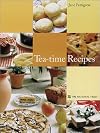
I love this tea book. It breaks down in easy and no-nonsense manners different ingredients, and introduces before recipes how it came about and the sections, with how tea means to it. Some interesting recipes that are both easy and difficult to get the ingredients for. There are large, pretty photos of some of the food offerings in between certain sections. The recipes are organized by region, which is nice.
Lists
You May Also Like


Statistics
- Works
- 55
- Members
- 1,201
- Popularity
- #21,368
- Rating
- 3.8
- Reviews
- 15
- ISBNs
- 92
- Languages
- 11
- Favorited
- 1