
Jennifer Beck
Author of The Bantam and the Soldier
About the Author
Jennifer Beck is a children's author who wrote The Bantam and the Soldier, which made the New Zealand Best Sellers List. She will be featured at the annual Storylines Festival of New Zealand Children's Writers and Illustrators. (Bowker Author Biography)
Works by Jennifer Beck
Crash! The Search For The Stinson - A Story Of Courage, Mateship and Physical Endurance (1999) 9 copies
The Birthday Book 7 copies
Steam Train 2 copies
Bits of string too short to use : a memoir of collecting, writing and the highs and lows of life (2023) 1 copy
Nothing to be Scared About 1 copy
La señora Audaz 1 copy
Associated Works
Tagged
Common Knowledge
- Gender
- female
- Nationality
- New Zealand
- Associated Place (for map)
- New Zealand
Members
Reviews
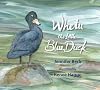
This is a beautifully illustrated picture book that tells the story of one of New Zealand's endangered birds; the Blue Duck. Although the other eggs in his nest were washed away in a flood, Whetu's egg remains. Once hatched he survives encounters with stoats and white water rafts. His parents teach him the skills he needs to survive; hiding during the day, catching insects, scraping larvae and swimming. But one day, Whetu must leave home to find his own territory. This is a difficult task in show more itself. He can't use his first choice of home as the water there was dirty due to the nearby forest being cleared. The next place had too many trout competing with his food source. He finally he finds a lovely new home high in the mountains, but he is lonely as he has not yet found a mate.
One day his call leads a lost tramper to the river. Later, she recounts her adventure to her city friends who tell her that the river where Whetu lives is to be mined. Outraged that the rare blue duck's home is threatened, she writes letters, speaks at meetings and holds a protest march to stop the mining. Luckily they are successful and the following summer they visit Whetu and see that he has found a mate and even has three babies of his own.
I like the conservation message that underlies this book and also the advice to lost trampers to follow duck calls to find a river. A lovely, lovely book bound to become a New Zealand treasure. show less
One day his call leads a lost tramper to the river. Later, she recounts her adventure to her city friends who tell her that the river where Whetu lives is to be mined. Outraged that the rare blue duck's home is threatened, she writes letters, speaks at meetings and holds a protest march to stop the mining. Luckily they are successful and the following summer they visit Whetu and see that he has found a mate and even has three babies of his own.
I like the conservation message that underlies this book and also the advice to lost trampers to follow duck calls to find a river. A lovely, lovely book bound to become a New Zealand treasure. show less

Beck's book is about the peaceful Parihaka resistance in 1881. The school speech competition is being held on November fifth. A speech about the Gunpowder Plot which took place in England around four hundred years ago is given, one that tells about the dissatisfaction of people with the way that they were treated by those in power. Next, a shy girls in the class, Aroha, stands up to speak. She tells of her forefathers, who lived in the peaceful village of Parihaka under the leaders Te Whiti show more o Rongomai and Tohu Kakahi. She tells of their passive resistance to the loss of their land, and the armed soldiers who invaded Parihaka.
This tale is told really well at a child's level. The illustrations were created using watercolour, metallic inks, acrylic structure gel, modelling paste and frisk solution, various fabrics, textured papers, natural flax, leaves and graphite pencil detailing which gives them a depth and richness sympathetic to the story. My only problem with the book is that the binding is not of good quality and probably won't last too long. Other than that, very well done. show less
This tale is told really well at a child's level. The illustrations were created using watercolour, metallic inks, acrylic structure gel, modelling paste and frisk solution, various fabrics, textured papers, natural flax, leaves and graphite pencil detailing which gives them a depth and richness sympathetic to the story. My only problem with the book is that the binding is not of good quality and probably won't last too long. Other than that, very well done. show less

"...it is important to remember the past." This is a story about a girl who is disappointed by a gift she recieves from her grandmother and through listening to the story surrounding the gift she comes to learn the importance and fascination of family heirlooms. How the stories of our history are connected to our present.
Review by: Fiona
Review by: Fiona

This book is about a Bantam that was released to fend for herself during the Great War. A soldier named Arthur came and found her in the bushes and took her with him. He helped the Bantam named Bertha stay alive and she brought the soldiers joy along with an egg a day. When they were ready to go back home, Arthur had to put Bertha back where she came from and when he got back home to his own farm where there were Bantams, one day he told his Niece the story about Bertha.
Critique (Genre): show more This is a great example of historical fiction for younger students. It introduces the Great War and gives a glimpse into the tragedies of war and loss, but not too much for students to handle. It shows students some of the things of daily life (like chickens) that still are present during war that children don't naturally think about.
Critique (Setting): This is a good example of an integral setting because the setting was in Europe where the Great War happened. Without the emphasis on this time period and setting, there wouldn't be as much of a connection to the historical aspect of the Great War. However, if the Great War or Europe wasn't mentioned, it could easily be a background setting and a historical fiction story about war in general.
Media: Ink & Wash show less
Critique (Genre): show more This is a great example of historical fiction for younger students. It introduces the Great War and gives a glimpse into the tragedies of war and loss, but not too much for students to handle. It shows students some of the things of daily life (like chickens) that still are present during war that children don't naturally think about.
Critique (Setting): This is a good example of an integral setting because the setting was in Europe where the Great War happened. Without the emphasis on this time period and setting, there wouldn't be as much of a connection to the historical aspect of the Great War. However, if the Great War or Europe wasn't mentioned, it could easily be a background setting and a historical fiction story about war in general.
Media: Ink & Wash show less
Lists
Awards


You May Also Like


Associated Authors
Statistics
- Works
- 62
- Also by
- 1
- Members
- 825
- Popularity
- #30,924
- Rating
- 4.4
- Reviews
- 8
- ISBNs
- 142
- Languages
- 4